

We may earn a commission when you buy through links on this page, at no extra cost to you. Learn more.
The best rutherford wineries include Beaulieu Vineyard, Inglenook, Rutherford Ranch, Round Pond Estate, Elizabeth Spencer, and Rutherford Hill Winery for their distinctive Cabernet Sauvignon, historic estates, and memorable tasting experiences. Located in the heart of Napa Valley, Rutherford is particularly appealing to visitors interested in structured Cabernet Sauvignon and the area’s famous Rutherford Dust character. Whether you prefer a guided vineyard tour, an intimate courtyard tasting, or an introduction to historic Napa wine estates, the region offers several worthwhile stops. Choosing wineries according to their tasting formats, wine selections, and locations makes it easier to plan a rewarding visit.
Rutherford sits between Oakville and St. Helena, giving visitors convenient access to some of Napa Valley’s most recognizable vineyards and wine estates. Its reputation rests heavily on Cabernet Sauvignon, although Merlot and Sauvignon Blanc also contribute to the area’s identity. The following guide highlights wineries worth considering, explains what distinguishes Rutherford wines, and provides practical advice for organizing a tasting itinerary without trying to fit too many appointments into one day.
Who Should Visit Rutherford Wineries
Rutherford is an especially good destination for Cabernet Sauvignon enthusiasts, collectors interested in established Napa producers, and visitors who enjoy learning how vineyard conditions influence wine. Its combination of historic estates, distinctive vineyard sites, and varied hospitality experiences makes it suitable for both first-time Napa visitors and experienced wine travelers.
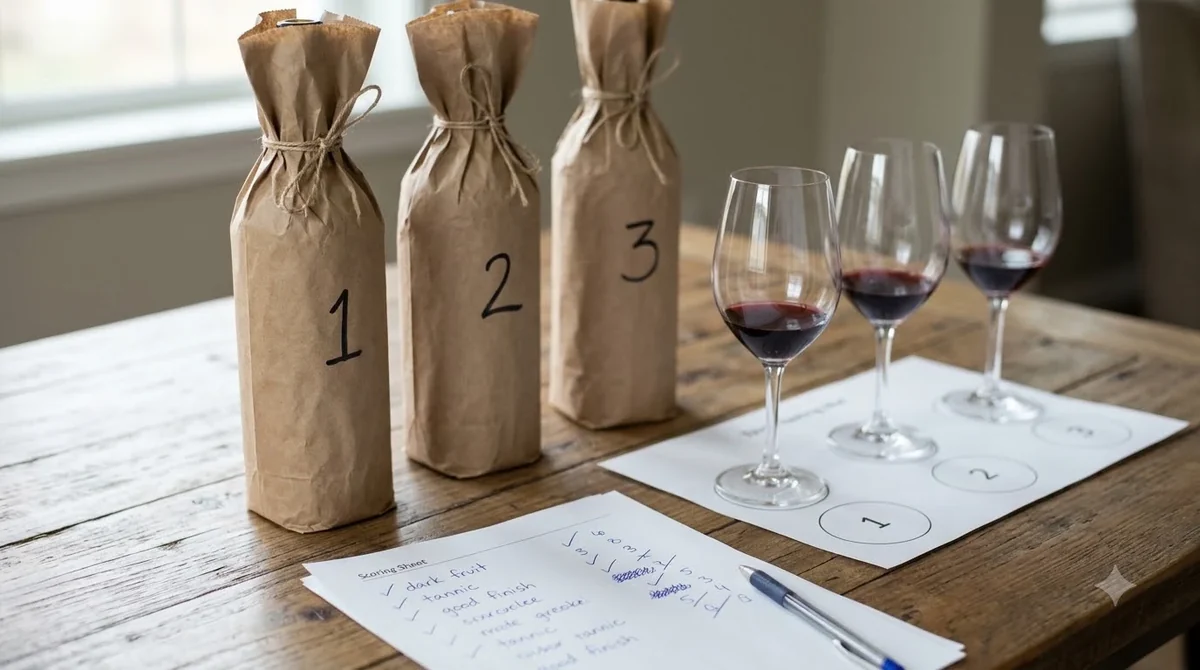
Cabernet Sauvignon drinkers have an obvious reason to prioritize Rutherford. The appellation is known for concentrated fruit, structured tannins, and the distinctive character commonly described as Rutherford Dust. Visitors can explore this style at historic producers such as Beaulieu Vineyard and Inglenook, or arrange a more focused Cabernet experience at Rutherford Ranch.
The region also appeals to people who prefer smaller, more personal tasting experiences. Elizabeth Spencer offers seated tastings in a courtyard and cottage-style setting, while Round Pond Estate combines wine with vineyard and agricultural experiences. These options provide alternatives to spending an entire afternoon moving between formal tasting rooms.
Rutherford is also convenient for travelers building a wider Napa Valley itinerary. Highway 29 and Silverado Trail provide access to wineries throughout the valley, while nearby Oakville and St. Helena offer additional restaurants, accommodations, and tasting opportunities. Visitors can explore Rutherford in a dedicated day or combine it with neighboring wine regions.
Different visitors will benefit from different winery selections:
- First-time Napa visitors: Start with Beaulieu Vineyard or Inglenook for an introduction to Rutherford’s historic wine identity.
- Cabernet Sauvignon enthusiasts: Consider Rutherford Ranch and its Cabernet-focused TORCIA experience.
- Visitors interested in food and wine: Include Round Pond Estate for its vineyard and garden-inspired experiences.
- Travelers seeking intimate hospitality: Consider Elizabeth Spencer for its seated courtyard tastings.
- Visitors interested in vineyard scenery: Look into Rutherford Hill’s hilltop setting overlooking the valley.
Before making appointments, establish whether the priority is tasting several Cabernet Sauvignon bottlings, learning about winemaking, enjoying a scenic setting, or exploring the history of Napa Valley. Two well-selected visits can provide more useful comparisons than five hurried tastings.
Key Factors to Compare When Choosing a Rutherford Winery
The best winery is not necessarily the one with the biggest reputation. Compare the tasting format, wine selection, setting, appointment requirements, and amount of time available before deciding where to visit.
Rutherford has substantial variation in its vineyard geography, and the wines can differ according to soil, exposure, and elevation. According to Napa Valley Vintners, the appellation ranges from 155 to 500 feet in elevation. Its western benchland includes gravelly, sandy, sedimentary, and alluvial soils, while the eastern side has more volcanic soils. Napa Valley Vintners’ Rutherford AVA overview provides additional geographical and historical context.
| Comparison factor | What to look for | Practical consideration |
|---|---|---|
| Elevation | 155–500 feet | Compare valley-floor and hillside settings. |
| Principal grapes | 3 principal varieties | Prioritize Cabernet Sauvignon, Merlot, or Sauvignon Blanc. |
| Rutherford Ranch Reserve Tasting | 4 wines | Allow approximately 60 minutes. |
| Guided tour and tasting | 4 wines | Allow approximately 60 minutes. |
| Guided tour departure times | 11:00 a.m. and 1:30 p.m. | Confirm the current schedule when booking. |
| Nichelini scenic drive | Approximately 8 miles | Allow around 30 minutes for the described eastern-hills drive. |
| Rutherford Ranch tasting room | 10:00 a.m.–4:30 p.m. | Confirm operating hours before departure. |
These differences make winery selection particularly interesting for Cabernet Sauvignon enthusiasts. A visit that includes wines from different vineyard positions or appellations can help explain how growing conditions influence structure, fruit character, and tannin texture.
Another important distinction is the difference between a standard tasting and a more comprehensive experience. A seated flight typically emphasizes the wines themselves, while a guided tour can provide information about vineyard management, winemaking, and cellar practices. Rutherford Ranch, for example, offers a four-wine Reserve Tasting and a separate guided walking tour followed by a Reserve Tasting.
Also consider whether the winery specializes in its own estate wines or presents selections from multiple Napa Valley growing areas. A Cabernet-focused tasting can be especially valuable for understanding Rutherford’s signature style, while a broader flight may introduce different grapes and appellations.
Finally, consider your transportation arrangements. Rutherford tasting appointments can involve travel between Highway 29, Silverado Trail, and smaller vineyard roads. Allow time for parking, check-in, and the drive between appointments rather than planning visits at consecutive start times.
Tip: For a first Rutherford visit, schedule two winery appointments with sufficient travel time between them. Choose one historic estate and one winery offering a different tasting format, then compare their Cabernet Sauvignon styles rather than rushing through several similar flights.
Step-by-Step Guide to Planning a Rutherford Wine-Tasting Day
A successful Rutherford itinerary starts with a clear tasting objective and realistic appointment schedule. Two or three thoughtfully selected experiences can provide a useful overview of the appellation without making the day feel like a race.
Use the following steps to organize the visit.
-
Decide which wines interest you most.
Begin by identifying whether Cabernet Sauvignon is the main priority or whether you also want to explore Merlot and Sauvignon Blanc. Rutherford’s reputation is closely connected to Cabernet, but comparing several varieties can reveal more about the area’s growing conditions and winemaking approaches.
-
Select two or three wineries.
Choose producers with different strengths. For example, pair the historical character of Beaulieu Vineyard with the Cabernet-focused experience at Rutherford Ranch. Alternatively, include Round Pond Estate for a more vineyard-oriented visit.
-
Check appointment requirements.
Contact each winery or use its official reservation system. Napa Valley Vintners advises visitors to call ahead because reservations are required at most Napa County wineries. Do not assume that an advertised tasting room can accommodate an unannounced visit.
-
Compare the available experiences.
Read the details of each appointment carefully. At Rutherford Ranch, the guided tour and Reserve Tasting takes approximately 60 minutes and is scheduled at 11:00 a.m. and 1:30 p.m. daily. The TORCIA experience also allows approximately 60 minutes and focuses on Cabernet Sauvignon.
-
Organize transportation.
Map the route between appointments and designate a sober driver or arrange appropriate transportation. Keep the itinerary within a manageable geographic area, particularly if you plan to visit smaller properties along vineyard roads.
-
Build in a meal break.
Plan lunch between tasting appointments instead of scheduling uninterrupted wine flights. Rutherford Grill is a familiar dining option in the area, and nearby St. Helena offers additional choices. A meal also gives visitors time to discuss the wines and reset before the next appointment.
-
Record your impressions.
Write down the winery, grape variety, vintage, and distinguishing characteristics of each wine. Pay particular attention to acidity, tannin, body, oak influence, and finish. These observations become useful when deciding which bottles to purchase later.
For a simple itinerary, consider a late-morning guided visit at Rutherford Ranch, a relaxed lunch, and an afternoon appointment at a historic estate. If you prefer a longer vineyard experience, substitute one tasting for Round Pond Estate’s harvest-oriented or vineyard activities, depending on the experiences available during your visit.
Visitors interested in exploring beyond Rutherford can also compare experiences in other California wine regions. The best Temecula wineries offer a different Southern California wine-country setting, while the best Paso Robles wineries provide another useful destination for people interested in comparing regional wine styles.
Types of Rutherford Wineries and Their Best Experiences
Rutherford’s winery selection includes historic Cabernet Sauvignon producers, vineyard-focused estates, and intimate tasting destinations. Choosing according to the experience you want is more useful than selecting properties based on name recognition alone.

The following wineries are strong candidates for a Rutherford itinerary, each offering a different reason to visit.
1. Beaulieu Vineyard: Best for Rutherford Wine History
Beaulieu Vineyard (BV) is one of the historic names associated with Rutherford’s Cabernet Sauvignon identity. Its origins are connected to Georges de Latour, who purchased four acres near Rutherford in 1900 and named the property Beaulieu, meaning beautiful place.
The winery became an important part of Napa Valley’s development as a producer of fine wines. Following Prohibition, Beaulieu and neighboring Inglenook helped establish Rutherford’s reputation, and a 1936 Cabernet Sauvignon from Georges de Latour received a gold medal at the Golden Gate International Exposition in 1939.
For visitors interested in wine history, Beaulieu is a natural place to investigate. Its association with historic Cabernet Sauvignon production provides a useful starting point for understanding why Rutherford became such an influential Napa appellation. Ask about the winery’s current tasting options and which wines best illustrate its established Cabernet style.
2. Inglenook: Best for a Historic Estate Experience
Inglenook is another important Rutherford destination. Founded in 1880, the estate has a long connection with Napa Valley’s early wine industry and remains one of the region’s recognizable historic wine properties.
Inglenook is particularly appealing to visitors who want more than a quick tasting flight. Its estate history and wine heritage offer an opportunity to understand the development of premium Napa Cabernet Sauvignon across different periods. A visit can also provide context for the relationship between vineyard location, winemaking decisions, and the identity of a wine estate.
Choose Inglenook if historic architecture, estate atmosphere, and established Napa wine traditions are important parts of your trip. Check which guided or seated tasting experiences are available before choosing an appointment.
3. Rutherford Ranch: Best for Cabernet Sauvignon Comparisons
Rutherford Ranch is a particularly useful choice for visitors who want a clearly structured tasting experience. Its Silverado Trail location near St. Helena makes it a convenient addition to a valley-floor itinerary.
The winery offers a Reserve Tasting featuring four current-release wines, guided by a personal wine educator. The experience takes approximately one hour and can be enjoyed indoors or on the patio. A separate guided tour includes a walking visit to the estate followed by another four-wine Reserve Tasting.
For visitors especially interested in Cabernet Sauvignon, the TORCIA experience is worth investigating. This private, seated tasting focuses on Cabernet Sauvignon from multiple Napa Valley appellations, including Rutherford, Carneros, Atlas Peak, Coombsville, Spring Mountain, and Howell Mountain. The experience also includes a viticultural tour of the Abela Estate vineyard.
Rutherford Ranch is an excellent choice when the objective is to compare regional Cabernet expressions and learn about the relationship between growing areas and wine character.
4. Round Pond Estate: Best for Vineyard and Food Experiences
Round Pond Estate is a good option for visitors who want to connect wine with the agricultural landscape. Located on Rutherford Road, the estate is featured in Napa Valley Vintners’ East to West itinerary.
One highlighted experience is Hands on Harvest, which introduces visitors to the harvest process from vineyard to crush pad. The itinerary describes a complete winery tour, barrel tasting, and intimate wine tasting accompanied by garden-inspired appetizers.
This makes Round Pond an appealing alternative to a conventional tasting-room appointment. Visitors interested in vineyard work, harvest activities, and the relationship between food and wine should investigate its current experience schedule.
5. Elizabeth Spencer: Best for an Intimate Courtyard Tasting
Elizabeth Spencer Winery provides a different atmosphere from the larger historic estates. Located on Rutherford Road, it is known for a cottage and garden-style setting, including a courtyard for seated tastings of limited-production wines.
The winery is particularly appropriate for couples and small groups seeking a relaxed experience. Rather than making the visit primarily about a large production facility, the setting provides a more intimate environment for discussing the wines and enjoying a slower pace.
Elizabeth Spencer is also conveniently positioned for visitors exploring the Rutherford valley floor. Its location makes it a practical candidate for pairing with another nearby appointment and lunch in the area.
6. Rutherford Hill Winery: Best for Hilltop Views
Rutherford Hill Winery is another name to consider when planning a visit. The Napa Valley Vintners winery directory identifies outdoor tasting experiences at its hilltop estate, overlooking the valley below.
Its wine portfolio includes Cabernet Sauvignon, Cabernet Franc, Chardonnay, Merlot, Malbec, Petit Verdot, Syrah, and other varieties. This breadth makes it interesting for visitors who want to explore beyond a single grape while remaining connected to Rutherford’s wine identity.
Rutherford Hill lists tasting by appointment, so arrange the visit in advance. Its hillside position also makes it an appealing choice for people who value vineyard scenery alongside their wine experience.
These six wineries provide a useful starting shortlist. Other properties in and around Rutherford may also be suitable, but visitors should distinguish between wineries physically located within the appellation and those listed under broader Oakville and Rutherford tourism categories.
Common Mistakes to Avoid When Visiting Rutherford
The most common planning mistakes involve overbooking appointments, misunderstanding winery locations, and choosing tastings without considering the wines being poured. A little preparation helps visitors spend more time enjoying the experience and less time dealing with logistics.
Booking Too Many Tastings
Three or four winery visits might seem reasonable when looking at a map, but tasting appointments often involve more than simply drinking a flight of wine. A guided experience at Rutherford Ranch takes approximately 60 minutes, and visitors also need time for check-in, questions, and travel.
Allow enough time to appreciate the wines. Two appointments with a proper lunch break are often preferable to four rushed visits. A third appointment can work if the wineries are close together and the experiences are relatively short.
Assuming Every Rutherford Winery Produces Only Cabernet
Cabernet Sauvignon dominates the appellation, but the region also produces Sauvignon Blanc and Merlot. Rutherford Hill, for example, lists a range of grape varieties that extends beyond Cabernet.
Visitors who taste only Cabernet may miss interesting differences in acidity, texture, and aromatic character. Including a white wine or Merlot flight can provide a broader picture of the appellation.
Confusing Rutherford With Neighboring Appellations
Napa Valley contains several distinct sub-appellations, and proximity does not make their wines interchangeable. Oakville and St. Helena are close to Rutherford, but each has its own geographical identity.
Pay attention to the appellation named for each wine during a tasting. Rutherford Ranch’s TORCIA experience, for example, includes Cabernet Sauvignon selections from several Napa Valley growing areas. Comparing those wines can help visitors understand why regional distinctions matter.
Expecting Walk-In Availability
Many Napa wineries operate primarily through appointments. A tasting room that appears open online may have limited capacity or offer only specific experiences.
Reserve ahead, especially for weekends, private tastings, and guided tours. If an appointment is within 24 hours at Rutherford Ranch, the winery specifically requests direct contact to arrange the visit.
Ignoring Travel Time
Distances between wineries can look short on a map, but vineyard roads and appointment schedules make travel time important. The Napa Valley Vintners itinerary describes an approximately eight-mile drive taking around 30 minutes to reach Nichelini Family Winery in the eastern hills from the itinerary area.
That example illustrates why visitors should not assume every property is just a few minutes from the next one. Plan routes according to actual roads, not straight-line distances.
Choosing a Winery Only for Its Reputation
A famous winery is not automatically the right match for every visitor. Someone interested in vineyard education may prefer a guided estate tour, while a visitor who enjoys a quiet setting may prefer a seated courtyard tasting.
Read the experience descriptions and select appointments that suit your interests. The most satisfying visit is one that offers something meaningful beyond simply recognizing a winery’s name.
Wine Care and Storage Tips After Your Rutherford Visit
Proper storage helps preserve the wines purchased during a Rutherford trip, particularly Cabernet Sauvignon bottles intended for longer cellaring. Temperature stability, protection from light, and suitable bottle positioning are more important than creating an elaborate home wine room.
Store Bottles at a Consistent Temperature
A temperature near 55°F is a useful storage target for wine. Avoid keeping bottles in areas that experience frequent temperature changes, such as kitchens, garages exposed to extreme weather, or sunny windowsills.
Cabernet Sauvignon from Rutherford often has substantial structure and may benefit from additional bottle age, depending on the producer, vintage, and winemaking approach. Consistent conditions help protect its fruit, tannins, and aromatic complexity.
Position Bottles Correctly
Store traditionally cork-sealed bottles on their sides so the wine remains in contact with the cork. This helps limit the risk of cork drying and unwanted air entering the bottle.
Keep bottles away from direct sunlight and strong vibrations. A dark cabinet or temperature-controlled wine refrigerator is generally more suitable than an open display shelf near a window.
Serve Rutherford Cabernet Sauvignon at the Right Temperature
Full-bodied red wines generally show well at approximately 60–65°F. Serving Cabernet Sauvignon too warm can make alcohol seem more prominent, while excessive chilling can make tannins feel harder and reduce the wine’s aromatic expression.
For a young, full-bodied Rutherford Cabernet, consider decanting for approximately 30–60 minutes. This gives the wine time to interact with oxygen and can help soften its initial presentation. Older bottles may require more careful handling because prolonged exposure to oxygen can diminish delicate aromas.
Preserve Open Bottles
Refrigerate opened still wines and use a suitable closure to limit oxygen exposure. A practical general guideline is approximately three to five days for opened still wine, although the actual period depends on the wine’s age, structure, storage conditions, and how much remains in the bottle.
When returning to a Rutherford Cabernet, allow a refrigerated bottle to warm gradually toward an appropriate serving temperature. Avoid using direct heat to speed up the process.
For visitors who are beginning a collection, a simple record of purchase date, producer, vintage, and storage location can be helpful. It makes it easier to compare bottles from different Rutherford estates and decide when to open them.
Frequently Asked Questions
What does Rutherford Dust actually mean?
Rutherford Dust is a descriptive term associated with the appellation’s characteristic tannin texture and earthy, savory impressions. It is not a separate grape variety or a legally defined flavor requirement. The term is closely connected to the distinctive grainy tannins associated with Rutherford’s western benchland vineyards.
Is Rutherford an officially recognized Napa Valley AVA?
Yes. Rutherford is a recognized American Viticultural Area within Napa Valley. An AVA identifies a defined wine-growing geographical region, not a guarantee that every wine from the area will taste identical. Producers can still differ substantially in vineyard selection, blending, fermentation, and aging decisions.
Which grape variety was historically important to Rutherford before Cabernet became its signature?
Early Napa Valley vineyards included multiple grape varieties, and the region’s wine industry developed through several stages of planting and replanting. Rutherford’s historical identity became particularly associated with Cabernet Sauvignon through the influence of producers such as Georges de Latour and Beaulieu Vineyard.
Does Rutherford produce wines suitable for long-term cellaring?
Some Rutherford Cabernet Sauvignon bottlings are made with extended aging potential, particularly wines with substantial tannin, concentration, and balanced acidity. Cellaring potential varies by producer and vintage, so a winery’s recommended drinking window is a useful reference. Merlot and Sauvignon Blanc generally have different aging expectations depending on their individual styles.
Can visitors buy Rutherford wines directly from the wineries?
Many Napa Valley wineries offer direct purchases through their tasting rooms, websites, or wine clubs. Shipping availability depends on the destination state’s alcohol-shipping regulations and the winery’s fulfillment arrangements. Visitors traveling from outside California should ask about shipping options before purchasing multiple bottles.
The best Rutherford wineries offer much more than prestigious Cabernet Sauvignon: they provide a way to understand one of Napa Valley’s most distinctive wine-growing areas through historic estates, vineyard tours, and thoughtful tastings. Start with two or three appointments that match your interests, leave time for lunch, and compare the wines carefully. With a well-planned itinerary, Rutherford can become one of the most rewarding stops on a Napa Valley wine-country trip.
More in Wine Buying Guides
 Cheap Red Blend: How to Find a Flavorful Bottle for LessUpdated Nov 20, 2026
 Pinot Grigio Gift: How to Choose a Bottle They’ll EnjoyUpdated Nov 20, 2026
 Best White Wine at Total Wine for Every MealUpdated Nov 20, 2026
 Wine Fridge Replacement Shelves: Find the Right FitUpdated Nov 20, 2026
 Best Sparkling Wine Under 20: Find Bubbles Worth BuyingUpdated Nov 20, 2026
 Best Wine For Birthday Celebrations With Perfect Party PairingsUpdated Nov 20, 2026