

We may earn a commission when you buy through links on this page, at no extra cost to you. Learn more.
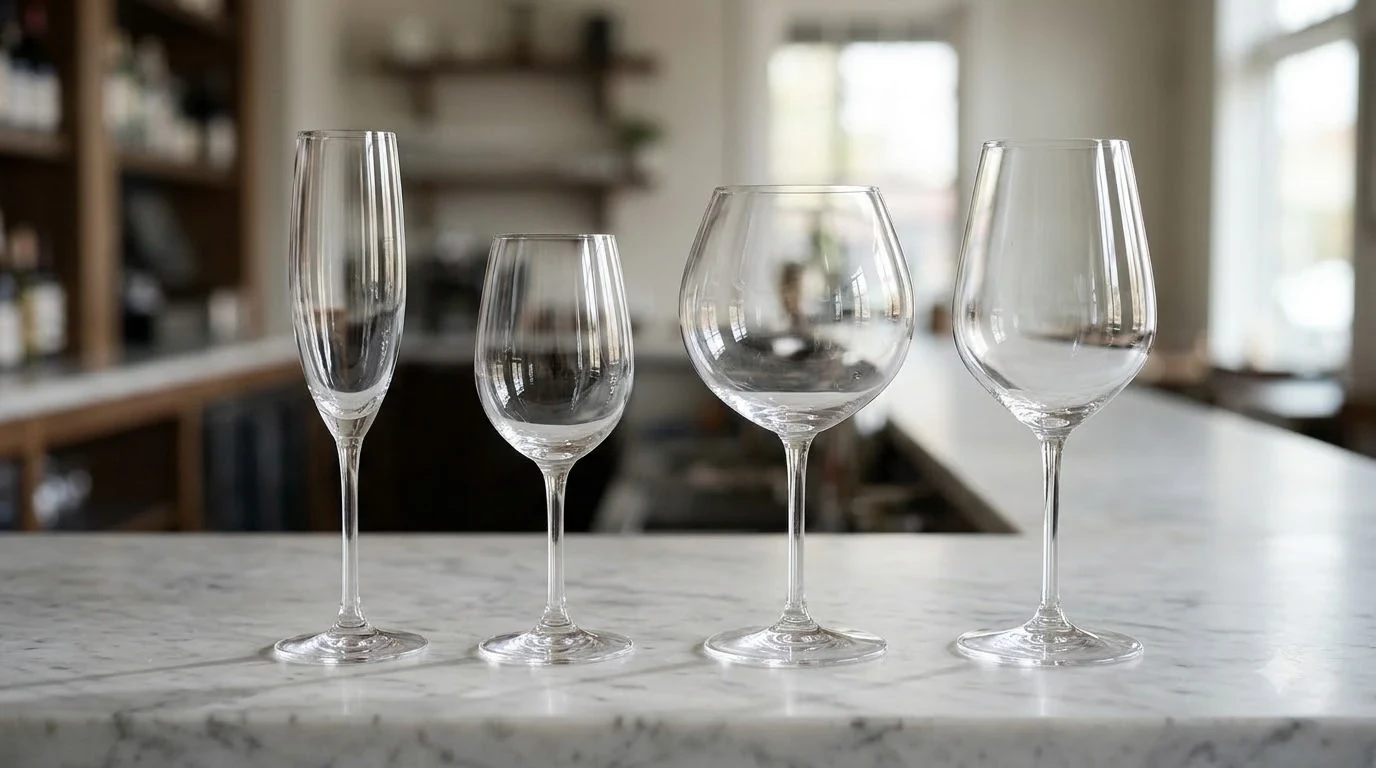
Wedgwood crystal wine glasses are a strong choice for buyers who want elegant, decorative stemware with recognizable craftsmanship and refined table presentation. Collections such as Helia, Bacchus, and Signet offer different combinations of crystal clarity, decorative cutting, and traditional styling. Their main trade-off is that several designs require careful hand washing rather than dishwasher cleaning, making them better suited to buyers who appreciate maintaining fine glassware.
Wedgwood is worth considering if appearance, presentation, and gift suitability matter as much as the practical experience of drinking wine. Its crystal wine glasses include traditional decorative patterns and more contemporary designs, with differences in dimensions and bowl capacity that affect their suitability for different wines. This review examines the available collections, published specifications, practical advantages, potential drawbacks, and important buying considerations before choosing a set. It also explains how Wedgwood compares with more functional crystal stemware and what to look for when purchasing discontinued patterns.
Specs and Key Features
Wedgwood crystal wine glasses combine decorative glassmaking with traditional stemware shapes. The Helia and Bacchus collections provide useful examples of the differences in size, capacity, and visual treatment across the brand’s range.
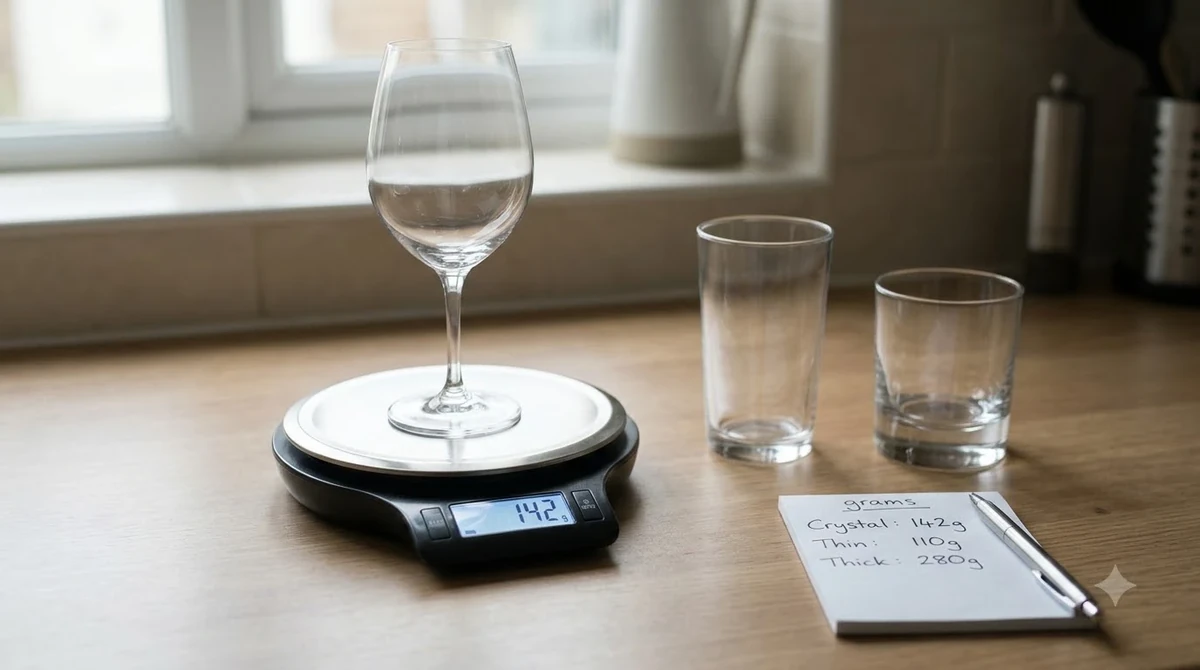
The Helia collection is particularly interesting for buyers who prefer a taller, more contemporary silhouette. Wedgwood describes its design as inspired by neoclassical references from its archive, with the collection’s stripe motif reinterpreted through delicate decorative cuts. The Bacchus collection takes a different approach, using fluid forms and detailed oval patterns for a more traditionally decorative appearance.
These are not interchangeable designs. Helia has a substantially larger stated capacity, making it more suitable for buyers who prefer additional room in the bowl. Bacchus has a more compact capacity and a shorter overall height. Both are sold as pairs, which makes them practical for couples or smaller households but less convenient for anyone furnishing a large dining table at once.
| Feature | Helia | Bacchus |
|---|---|---|
| Brand | Wedgwood | Wedgwood |
| Material | Crystal | Crystal |
| Set size | 2 glasses | 2 glasses |
| Capacity per glass | 350 ml | 210 ml |
| Height | 24 cm | 19.1 cm |
| Width | 8.5 cm | 8.5 cm |
| Length | 8.5 cm | 8.5 cm |
| Product article number | 1079357 | 1079387 |
| Design detail | Decorative Helia stripe cuts | Delicate oval cuts |
| Packaging | Signature Wedgwood packaging | Signature Wedgwood packaging |
Specifications above come from Wedgwood’s official Helia and Bacchus product descriptions. The two capacities are particularly important because they influence how much room remains above a normal serving. A standard wine pour is approximately 5 ounces, or 148 ml. That means the 350 ml Helia bowl has considerably more capacity for swirling than the 210 ml Bacchus bowl, although neither glass should be filled to its maximum capacity during ordinary wine service.
Another design worth considering is Signet. Selfridges describes the Wedgwood Signet crystal wine glasses as a pair featuring precision-cut oval patterns. The listed dimensions are 19 cm tall and 8.5 cm wide, giving the design a more compact profile than Helia. The product listing also specifies hand washing and presentation in Wedgwood packaging.
For buyers researching the material itself, it is important to distinguish lead-free crystal from traditional lead crystal. John Lewis identifies the Helia glasses as crystal containing no lead. This is a useful specification to look for because the word crystal alone does not establish the precise composition of every glassware product. Anyone comparing several collections should verify the material for the particular design rather than assuming all products use identical glass formulations.
For a broader introduction to materials, shapes, and construction, the site’s guide to crystal wine glasses provides additional context for comparing decorative and functional options.
What Owners and Published Product Details Suggest About Quality
The strongest argument for Wedgwood is its emphasis on visual detail, recognizable design, and presentation. Its published product descriptions consistently highlight crystal construction and decorative finishes rather than positioning the glasses as inexpensive everyday drinking vessels.
There is an important distinction between verified product characteristics and owner satisfaction, however. Manufacturer descriptions establish materials, dimensions, and intended design features, but they do not independently prove long-term durability or guarantee that every buyer will prefer the drinking experience. The following advantages are therefore based on documented product characteristics and their practical implications rather than invented customer testimonials.
Distinctive decorative designs
Wedgwood offers several visual approaches. Helia uses fine cuts inspired by neoclassical design references, while Bacchus features oval decorative details. Signet also uses an oval cutting pattern, although its presentation is different. These details help distinguish the collections from plain, undecorated stemware.
Decorative cutting can be especially attractive when glasses are displayed in a cabinet or used during formal dinners. Light interacts with the cut surfaces, producing additional visual interest compared with completely smooth glass. This makes the designs appropriate for traditional dining rooms, wedding gifts, anniversary presents, and special celebrations.
Useful differences in capacity
The difference between Helia’s 350 ml capacity and Bacchus’s 210 ml capacity gives shoppers a concrete reason to compare individual collections rather than selecting based on appearance alone.
For example, someone who regularly serves Cabernet Sauvignon, Merlot, or Pinot Noir may prefer the larger Helia bowl. These wines benefit from enough room to allow swirling and aroma development. A smaller glass can still serve wine perfectly well, but it provides less room for movement and may feel restrictive when serving a larger red-wine pour.
The Bacchus capacity is more compact. That may suit people who prefer smaller serving vessels or want decorative stemware for occasional entertaining. Its dimensions also make it visually different from the taller Helia design, which can matter when coordinating glassware with existing table settings.
Presentation and gifting
Wedgwood’s signature packaging is another practical advantage. The official Helia and Bacchus product descriptions identify their presentation as suitable for gifting, and the decorative character of the glasses makes them appropriate for occasions where presentation matters.
A pair of crystal glasses is a reasonable option for a wedding, anniversary, housewarming, or milestone celebration. However, the number of glasses matters. A two-piece set is not a complete entertaining collection for someone who regularly hosts six or eight guests.
Buyers should also consider whether the recipient already owns matching stemware. A decorative pair can be a welcome addition, but a discontinued pattern may be difficult to expand later. Choosing an active collection can make replacement and future purchases more straightforward.
Material clarity and construction
Crystal is valued for its clarity and its ability to accommodate finer rim construction than many ordinary soda-lime glasses. John Lewis identifies the Helia pair as lead-free crystal, an important distinction for shoppers comparing different glassware formulations.
A finely finished rim can contribute to a pleasant drinking experience. It is also one reason shoppers consider crystal when upgrading from basic everyday glasses. Nevertheless, material alone does not determine whether a glass is comfortable. Bowl proportions, stem length, weight, balance, and the thickness of the rim all contribute to how a particular design feels.
Tip: Before purchasing, compare the exact product dimensions and capacity rather than relying on the collection name. Wedgwood’s 350 ml Helia glass and 210 ml Bacchus glass have noticeably different proportions, even though both belong to its crystal wine-glass range.
Common Complaints and Practical Drawbacks
The main disadvantages of Wedgwood crystal wine glasses are their care requirements, relatively small set sizes, and the limitations of decorative bowl designs. These considerations matter most to people who want durable, low-maintenance stemware for frequent use.
Hand washing requires additional time
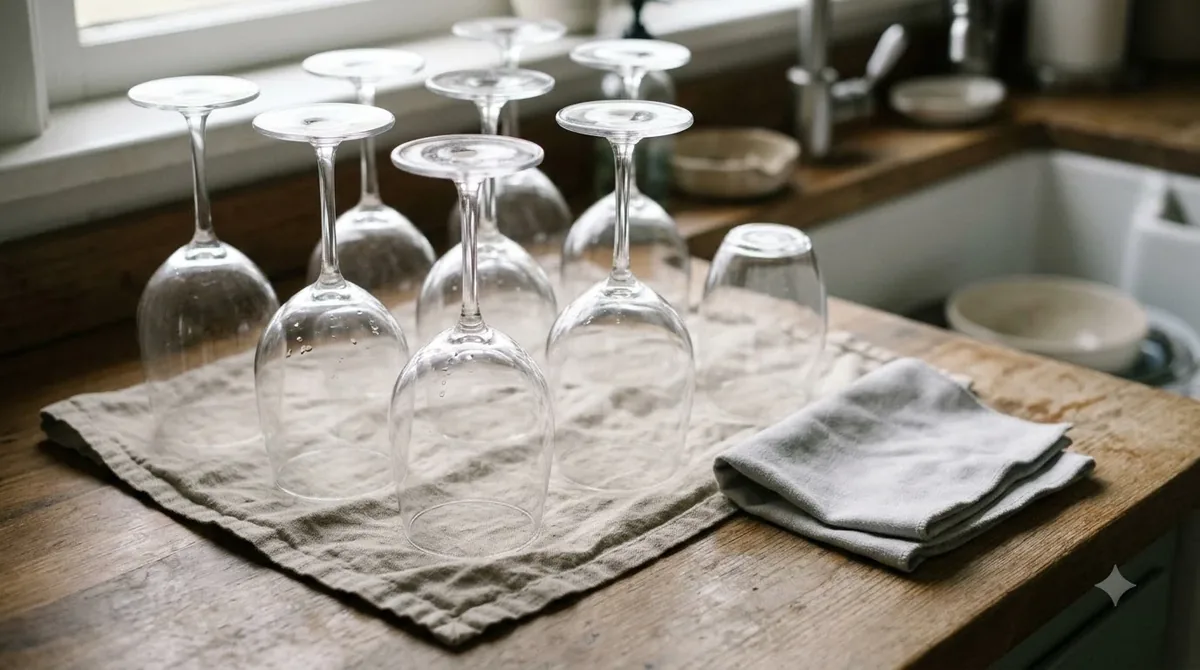
One of the clearest limitations is cleaning. Wedgwood’s care guide states that non-leaded crystal and glass should not be placed in a dishwasher, microwave, oven, or freezer. It recommends careful hand washing, avoiding twisting delicate stems, and drying with a lint-free cloth.
This differs from many everyday wine glasses designed for routine dishwasher use. A household that washes several glasses after dinner may find hand cleaning inconvenient. The additional attention becomes especially noticeable after larger gatherings, when multiple glasses need to be washed and dried individually.
The Helia listing at John Lewis also specifically identifies the product as hand-wash-only and not dishwasher-safe. The Signet listing at Selfridges gives the same cleaning requirement. These are product-specific details that reinforce the importance of checking care instructions before buying.
Decorative cuts require careful handling
Decorative glassware can be more demanding to clean than plain stemware. Cut patterns may collect water droplets or cleaning residue, so a careful rinse and thorough drying are important.
Stemmed glasses also require attention around the connection between the bowl and stem. Twisting the bowl while holding the base can place unnecessary stress on this area. Wedgwood specifically advises against twisting delicate crystal components during cleaning.
This does not mean that decorative crystal is inherently unsuitable for regular use. It means that the owner needs to accept a different cleaning routine from the one used for ordinary machine-washable drinking glasses.
Two-glass sets may not be sufficient
Many Wedgwood crystal wine glasses are sold in pairs. That works well for a household of two or for buyers who want a special pair for occasional use. It becomes less convenient when a dining table regularly accommodates four, six, or eight people.
Buying several matching pairs may solve the problem, but availability can change. If a collection becomes unavailable, finding identical replacement glasses may require searching specialist retailers or secondhand sellers.
Decorative styling is not for everyone
Some wine drinkers prefer completely clear, undecorated bowls because they want an unobstructed view of the wine. Decorative cuts can interrupt the visual simplicity that these buyers value.
For example, someone who regularly compares the color and clarity of different Pinot Noir or Chardonnay wines may prefer plain crystal stemware. Wedgwood’s decorative collections place more emphasis on table presentation than on providing a completely neutral visual surface.
Capacity differences can affect versatility
The 210 ml Bacchus glass has a more limited capacity than the 350 ml Helia. This is not automatically a disadvantage, but it should influence the buying decision.
A 5-ounce serving occupies approximately 148 ml. In a 210 ml glass, that leaves substantially less room for swirling than in a 350 ml glass. Someone who regularly enjoys aromatic reds may therefore find the smaller format restrictive.
On the other hand, a compact glass can work well for smaller pours and decorative table settings. The key is choosing according to actual drinking habits instead of assuming that a larger or smaller glass is always superior.
Who Should Buy Wedgwood Crystal Wine Glasses and Who Should Skip Them
Wedgwood is most suitable for buyers who prioritize design, crystal presentation, and gift appeal over dishwasher convenience. Its different collections provide options for both traditional and contemporary dining settings.
Buyers who should consider Wedgwood
People furnishing a formal dining table: The Helia, Bacchus, and Signet designs provide distinctive visual details that can complement formal table settings. Their decorative cuts make them more visually interesting than plain stemware, particularly when paired with elegant dinnerware and polished serving pieces.
Couples and smaller households: Sets of two are convenient for households that primarily serve wine to one or two people. A pair of Helia glasses, for example, can provide an attractive dedicated set for weekend dinners or special occasions.
Buyers shopping for gifts: Wedgwood’s signature packaging and recognizable decorative designs make the glasses suitable for weddings, anniversaries, and housewarming celebrations. Bacchus is particularly interesting for someone who prefers traditional decorative details, while Helia suits a more contemporary aesthetic.
Collectors of matching tableware: People who already own Wedgwood pieces may appreciate the opportunity to coordinate glassware with their existing dining collection. This is especially relevant when choosing a design that complements the visual character of the dinnerware.
Wine enthusiasts who enjoy presentation: A beautiful glass can contribute to the overall experience of opening a special bottle. Someone serving a carefully selected Bordeaux or Burgundy at a formal dinner may appreciate the presentation as much as the wine itself.
Buyers who should consider alternatives
Busy households: If dishwasher cleaning is essential, Wedgwood’s hand-washing requirements may be inconvenient. Everyday stemware made specifically for dishwasher use will generally be a more practical choice.
Large households and frequent hosts: A two-glass set does not provide enough pieces for regular entertaining. Buyers should calculate how many matching glasses they need before committing to a collection that may be difficult to expand.
Minimalist wine drinkers: Someone who prefers simple, undecorated stemware may find the cut patterns unnecessarily decorative. A plain crystal glass offers a more neutral appearance.
People who prioritize wine-specific bowl design: Wedgwood’s decorative appeal does not necessarily mean that every glass is optimized for a particular grape variety. A specialist Burgundy glass, Bordeaux glass, or Riesling glass may be a more suitable choice for buyers who want different bowl proportions for individual wines.
Anyone seeking inexpensive replacement pieces: If a glass breaks, matching an older pattern can be difficult. Buyers who prefer readily available replacement stock should consider current production collections and retailers with reliable inventory.
How Wedgwood Compares to Alternative Crystal Wine Glasses
Wedgwood competes in a category where visual design and practical wine service can be equally important. Its decorative collections are particularly appealing for presentation, while other glassware options may offer different bowl proportions or simpler care requirements.
John Lewis provides a useful explanation of the differences between soda-lime glass, crystal, lead crystal, and other glass formulations. Crystal can support finer-cut rims, while some specialized glass materials are designed to withstand dishwasher detergents more effectively.
Wedgwood versus plain crystal wine glasses
Plain crystal stemware is generally the more neutral choice. Without decorative cuts, it offers an uninterrupted view of the wine and a simpler appearance. This can be preferable for wine tastings, where the visual examination of color and clarity is part of the experience.
Wedgwood’s advantage is its decorative character. Helia and Bacchus provide patterns that can make a table setting feel more distinctive. Someone who enjoys traditional entertaining may prefer this visual identity, while a minimalist buyer may choose plain crystal instead.
Wedgwood versus specialist wine glasses
Specialist wine glasses often focus on the shape of the bowl and how it relates to particular grape varieties. For example, a large Burgundy bowl gives Pinot Noir additional room, while a Bordeaux glass provides a different shape for wines such as Cabernet Sauvignon and Merlot.
Wedgwood’s published Helia and Bacchus descriptions emphasize design and presentation. They do not establish that either collection provides a separate optimized bowl for every grape variety. Consequently, a buyer who wants dedicated glasses for several wine styles may prefer a specialist collection.
For general-purpose use, a larger glass can provide more flexibility. The 350 ml Helia capacity is more accommodating than Bacchus’s 210 ml capacity, although neither specification alone establishes the precise performance of the bowl.
Wedgwood versus everyday glassware
Everyday glassware is often designed around durability, affordability, and easy cleaning. Some products use soda-lime glass, while others use specially formulated crystal glass designed for better resistance to dishwasher wear.
Wedgwood’s documented care requirements make its non-leaded crystal products less convenient for machine washing. Buyers should therefore treat cleaning requirements as an important part of the comparison rather than assuming that crystal automatically means superior practical performance.
The site’s guide to lead free crystal wine glasses can help readers compare material composition and understand why the distinction between lead-free and traditional lead crystal matters when selecting stemware.
Which Wedgwood collection makes the most sense?
Helia is the more flexible choice of the two documented collections if capacity is a priority. Its 350 ml bowl provides more room for swirling and accommodates a wider range of ordinary wine-serving preferences.
Bacchus is a better fit for buyers who prefer a smaller glass with traditional decorative styling. Its oval cuts give it a distinctive appearance, and the compact dimensions may suit a more formal table setting.
Signet is another option for people who prefer decorative oval patterns in a relatively compact glass. Its listed height of 19 cm and width of 8.5 cm make it similar in overall scale to Bacchus, although the published specifications should be considered separately because the two collections do not necessarily share identical bowl shapes or capacities.
How to Choose, Care for, and Maintain a Wedgwood Set
Choosing the right Wedgwood crystal wine glasses requires more than selecting an attractive pattern. Buyers should compare capacity, glass dimensions, material composition, set size, and cleaning requirements before purchasing.
1. Choose the right capacity
Start with the type of wine you usually serve. If you drink a broad range of reds and whites, a larger general-purpose glass can be more versatile than a compact decorative design.
Helia’s 350 ml capacity offers more room for a standard 5-ounce pour than Bacchus’s 210 ml capacity. This is a meaningful distinction for people who enjoy swirling red wines before drinking.
For someone who primarily serves smaller pours or wants decorative glasses for occasional entertaining, Bacchus may be perfectly adequate.
2. Compare dimensions with your storage space
Glass height is important because tall stemware may not fit comfortably inside every kitchen cabinet. Helia measures 24 cm in height, while Bacchus measures 19.1 cm.
Measure the available cabinet space before buying, particularly if the glasses will be stored upright. Also consider the width of the bowl and whether the glasses will fit comfortably alongside existing stemware.
3. Confirm the material
Look for explicit material information on the individual product listing. John Lewis identifies Helia as lead-free crystal, but shoppers should not automatically assume that every older or newer Wedgwood glass uses the same formulation.
Material information is especially important for buyers replacing an existing set or comparing different production periods. A collection name may remain familiar even when individual product specifications vary.
4. Check set size and replacement availability
Most of the featured collections are sold in pairs. Work out whether two glasses are sufficient or whether you need four, six, or eight matching pieces.
For a household that hosts dinner parties, buying enough glasses at the beginning can prevent difficulties later. This is especially relevant when shopping for older patterns that may no longer be in regular production.
5. Hand wash carefully
Wedgwood’s official crystal and glassware care guide recommends careful hand washing for non-leaded crystal. Use lukewarm water and a mild dishwashing detergent rather than exposing the glasses to sudden temperature changes.
Hold the bowl and stem carefully without applying twisting pressure. Avoid gripping the stem while rotating the bowl because the connection between these sections can be a vulnerable point.
Rinse thoroughly to remove detergent residue. Dry with a clean, lint-free cloth, paying particular attention to decorative cuts where water droplets may remain.
6. Store the glasses safely
Wedgwood advises against storing crystal glassware upside down. A stable upright position in a suitable cabinet helps avoid unnecessary pressure on delicate rims.
Leave enough space between individual glasses to prevent them from knocking against one another when cabinets are opened or closed. Avoid placing heavy items above or beside delicate stemware where they could fall and cause damage.
For long-term storage, choose a clean, dry cabinet away from areas where temperatures fluctuate significantly. Keep the glasses separated with appropriate protective material if they are being packed for a move.
7. Buy discontinued patterns carefully
Wedgwood has produced numerous glassware designs over time, and not every pattern remains available through current retail channels. Replacements identifies the Globe pattern as discontinued, with production dates listed from 2017 through 2022. Its Facet pattern is also listed as discontinued, with production dates from 2006 through 2009.
These examples illustrate why buyers should not assume that a discontinued collection can easily be expanded. If purchasing older Wedgwood glassware, verify the exact pattern, dimensions, and condition before completing the purchase.
For secondhand glasses, inspect the rim, stem, base, and decorative cuts for chips or cracks. Even small imperfections can affect the appearance and structural condition of fine crystal. Ask the seller for clear photographs of all important areas rather than relying exclusively on a collection name or pattern description.
Frequently Asked Questions
Are Wedgwood crystal wine glasses made from lead-free crystal?
Some documented Wedgwood crystal products are specifically identified as lead-free. John Lewis lists the Helia pair as crystal containing no lead, but that specification should not automatically be applied to every historical Wedgwood pattern. For vintage purchases, the original product documentation or a reliable specialist retailer can help establish the material composition.
Can Wedgwood crystal wine glasses be used for sparkling wine?
A general-purpose crystal wine glass can be used for sparkling wine, although a dedicated sparkling-wine glass may preserve the traditional presentation better. Sparkling wines are generally served between 40 and 50 degrees Fahrenheit. A moderately sized bowl can also allow the aromas of traditional-method sparkling wines to develop more openly than a narrow flute.
How many Wedgwood crystal wine glasses should a household own?
A household that regularly entertains four guests may want at least four matching wine glasses, while someone hosting six guests should plan for six or more. A pair is convenient for everyday use by two people, but it is not sufficient for most dinner parties. Having additional matching glasses also provides a practical replacement if one is accidentally damaged.
Can decorative Wedgwood crystal glasses become cloudy?
Glassware can develop a cloudy appearance from mineral deposits, detergent residue, or surface damage. These problems have different causes, so cleaning methods should be chosen carefully. Avoid abrasive pads and harsh chemicals on decorative crystal, and dry the glasses with a soft lint-free cloth after washing.
Are vintage Wedgwood crystal wine glasses collectible?
Some discontinued patterns attract collectors who want to complete an existing dinnerware or glassware collection. Collectibility depends on the particular pattern, condition, completeness, and availability rather than the Wedgwood name alone. Matching original sets and pieces in excellent condition are generally more desirable to collectors than damaged or mismatched examples.
Wedgwood crystal wine glasses are best suited to people who appreciate decorative craftsmanship, refined presentation, and the character of traditional stemware. Helia is the stronger option for buyers who want a larger 350 ml capacity, while Bacchus offers a smaller 210 ml format with distinctive oval detailing. Compare the material, dimensions, and cleaning requirements before choosing a collection, and consider how many matching glasses you will need. With appropriate handling and storage, a well-chosen Wedgwood pair can become a lasting part of a carefully arranged dining collection.
More in Wine Glasses
 Zwiesel Glas Champagne Flutes for Durable Everyday Sparkling WineUpdated Nov 20, 2026
 Vera Wang Crystal Wine Glasses: Design, Quality and Buying AdviceUpdated Nov 20, 2026
 West Elm White Wine Glasses: Compare Designs for Better Everyday Wine ServiceUpdated Nov 20, 2026
 Zalto Stemless Wine Glasses: Discover Their Distinctive DesignsUpdated Nov 20, 2026
 Viski Champagne Glasses That Match Your Style and Sparkling WineUpdated Nov 20, 2026
 Vista Alegre Decanter Review: Crystal Style and Wine ServiceUpdated Nov 20, 2026