


We may earn a commission when you buy through links on this page, at no extra cost to you. Learn more.
The spiegelau universal wine glass is a lightweight, versatile crystal glass designed to serve both red and white wines without requiring separate everyday glassware. The Definition Universal combines a generously sized 550 ml bowl, a slender stem, clear crystal, and dishwasher-safe construction. It is an attractive choice for regular wine drinkers, although its delicate proportions and thin stem require more care than conventional everyday glassware.
The appeal of a universal wine glass is straightforward: one thoughtfully shaped vessel can handle much of the wine served at home. Spiegelau approaches that idea through its Definition collection, combining a large, carefully proportioned bowl with a lightweight construction. The result sits between practical everyday stemware and more delicate specialist tasting glasses. Its strongest appeal is versatility, but potential buyers should also consider storage, handling, cleaning habits, and whether one universal shape genuinely suits the wines they drink most often.
Specs and Key Features
The Spiegelau Definition Universal is a German-made crystal glass with a capacity of approximately 550 ml, a height of 237 mm, and a maximum diameter of 92 mm. Its main characteristics are lightweight construction, a fine stem, a broad enough bowl for aromatic development, and manufacturer-approved dishwasher cleaning.

The glass belongs to the Definition collection, which Spiegelau describes as a range built around lightness, balance, and accurate presentation of wine aromas. Its construction is premium machine-made crystal rather than ordinary thick drinking glassware. This distinction matters because the glass aims to provide the refined appearance associated with thin wine stems while retaining the consistency of machine production. The transparent material also makes it easier to assess a wine’s color and clarity without a tinted or patterned surface interfering with its appearance.
| Specification | Published details | Practical significance |
|---|---|---|
| Collection | Spiegelau Definition | Lightweight, contemporary stemware |
| Glass type | Universal wine glass | Suitable for many red and white wines |
| Capacity | 550 ml / approximately 18 5/8 US fl oz | Room for swirling and aroma development |
| Height | 237 mm / approximately 9.33 inches | Requires adequate cabinet clearance |
| Maximum diameter | 92 mm / approximately 3.62 inches | Moderate footprint for a stemmed glass |
| Material | Crystal glass | Clear presentation and refined appearance |
| Manufacturing | Premium machine-made | Consistent production and shaping |
| Care | Dishwasher-safe | Suitable for regular cleaning with appropriate handling |
| Country of manufacture | Germany | German-made glassware |
The dimensions are particularly relevant when comparing this glass with compact white-wine stemware. At approximately 9.33 inches tall, it has a noticeable presence on a dining table, while its 92 mm maximum diameter provides room for movement without creating an especially oversized bowl. The 550 ml capacity is generous enough for Cabernet Sauvignon, Pinot Noir, Chardonnay, and Sauvignon Blanc. It also gives drinkers space to swirl a moderate serving without sending wine over the rim.
There are minor differences between retail product descriptions. KaTom identifies its 1350101 Definition Universal as holding 18 5/8 ounces, while Target rounds its listing to 19 ounces. Those descriptions are consistent with a roughly 550 ml glass rather than evidence of two substantially different capacities. Spiegelau’s UK shop also identifies a Universal product under SKU 1350471, so shoppers may encounter different identifiers and packaging arrangements across retailers and markets.
The manufacturer confirms that Definition glasses are dishwasher-safe, and its collection information emphasizes their lightweight construction and balanced handling. For the most reliable product identification, consult Spiegelau’s official Definition Universal product specifications. The combination of a substantial bowl capacity and relatively restrained exterior dimensions makes this a useful middle ground for someone who wants one main glass rather than several specialized shapes.
What Owners Like
The most appealing characteristics are the delicate appearance, thin stem, clean rim, and versatile bowl shape. Independent editorial coverage and customer feedback both emphasize the glass’s refined feel and suitability for a broad range of wines.
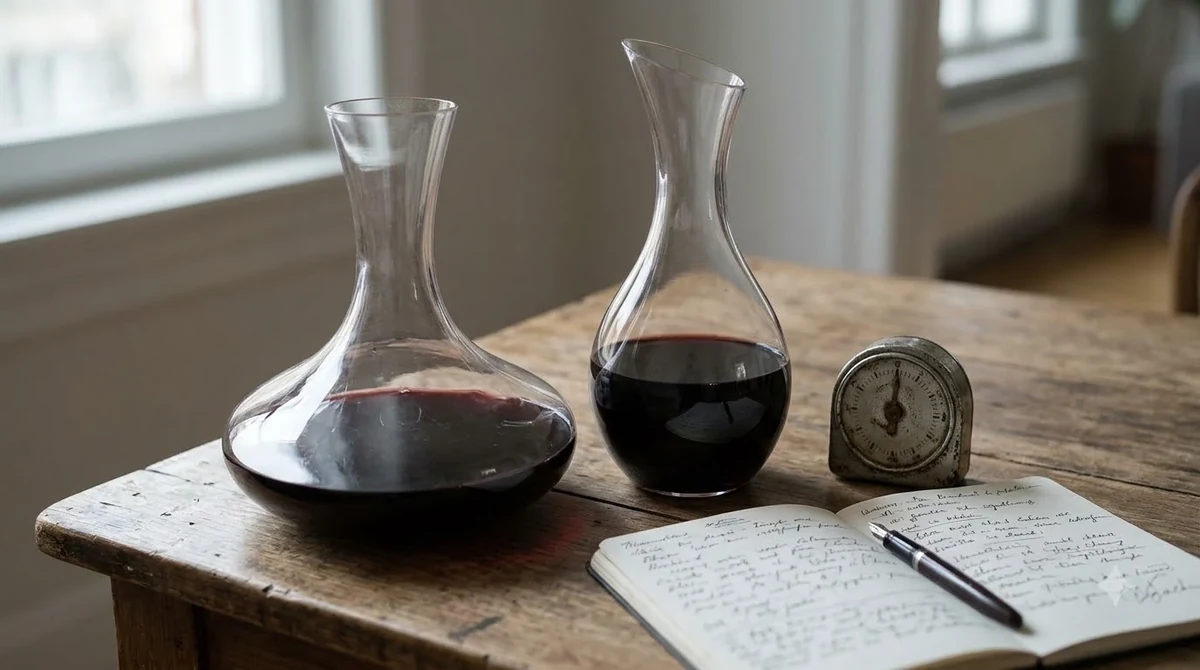
Appearance is one of the clearest strengths. The Definition Universal has a transparent, unadorned design that works with casual dinners as easily as formal table settings. Its slim stem and fine bowl give it a more refined presence than heavier commercial wine glasses. Because the glass is clear, it also presents pale Sauvignon Blanc, golden Chardonnay, ruby Pinot Noir, and deep Cabernet without introducing distracting colors or decorative details. That understated design makes it practical for people who want their glassware to match different table settings and dinner styles.
Handling is another recurring positive theme. A thin stem gives the glass a light visual profile, while the broad foot helps provide a stable standing surface. In its comparison of drinking glasses, Epicurious selected the Definition Universal as its budget wine-glass recommendation and compared its appearance with the Zalto Denk’Art Universal. The reviewer highlighted its fine crystal bowl and relatively substantial base. One particularly useful observation was that the glass survived an accidental knock onto a marble table without cracking or chipping. That is a single editorial experience, not a formal durability guarantee, but it provides a more useful illustration than appearance alone.
Owners also appreciate the proportions of the bowl. One Target purchaser specifically praised the thin stem, attractive design, and overall size and shape. That feedback reflects an important advantage of universal stemware: the glass does not appear excessively narrow for red wine, yet it is not so enormous that a modest white-wine serving looks lost inside it. The open bowl gives aromatic wines space to release their character, while the narrower upper portion helps keep the bouquet relatively concentrated as the glass is brought toward the nose.
Another point in its favor is the flexibility to use the same glass across a dinner. A household might serve Chardonnay with the first course, Pinot Noir with a main dish, and a lighter red later in the evening without changing the glassware at every stage. That versatility can reduce cupboard clutter and make entertaining more straightforward. Buyers considering a broader range of shapes can compare our universal wine glass recommendations to understand how bowl size, opening width, and stem design affect the choice.
Common Complaints
The Definition Universal’s main compromise is its delicate construction. Its slim stem and thin-walled bowl contribute to the refined appearance, but they are less reassuring for households that regularly handle glasses roughly or store them in crowded cabinets.
Fragility is an important distinction between a glass that is dishwasher-safe and one that is difficult to break. Dishwasher compatibility addresses the cleaning process under suitable conditions; it does not make crystal immune to impact. Contact with another glass, a metal utensil, a hard sink surface, or a crowded dishwasher rack can still cause damage. The thin rim and stem also require attention during handwashing and when removing the glass from a tightly packed cabinet.
Target customer feedback illustrates the difference between the glass itself and the way it is delivered. One purchaser reported that two separate orders arrived completely shattered in damaged packaging. Another purchaser also reported receiving broken glassware. These complaints are relevant for people purchasing online, but they do not establish that every glass is defective or that the breakage originated during manufacturing. Packaging and carrier handling can be substantial factors when shipping delicate crystal.
Dishwasher feedback is more mixed. Spiegelau identifies the Definition collection as dishwasher-safe, and this is an important convenience for buyers who do not want every wine glass to require handwashing. However, a Target purchaser expressed dissatisfaction with cleaning the glass in a dishwasher despite the advertised care instructions. That individual report should be treated as a caution rather than proof that the manufacturer’s dishwasher guidance is incorrect. Rack placement, washing conditions, detergent, and contact with neighboring items can all affect the experience.
The physical dimensions may also be inconvenient for some households. A 237 mm glass is taller than many ordinary drinking glasses, and its delicate stem takes up more careful storage space than a compact tumbler. People with crowded cupboards, small dish racks, or limited room around a kitchen sink should think about where the glasses will live before purchasing a full set. A suitable storage location is especially important if the household already owns other oversized stemware.
Tip: Even though Spiegelau identifies Definition glasses as dishwasher-safe, give each glass its own space in the rack, keep stems away from neighboring items, and avoid forcing a glass into an overcrowded cabinet. Safe positioning matters as much as the manufacturer’s cleaning recommendation.
Who Should Buy and Who Should Skip
This glass makes the most sense for wine drinkers who value presentation, aroma, and versatility more than heavy-duty construction. It is particularly suitable for someone who regularly serves both red and white wine and wants one attractive stemware option for most occasions.
Buyers who frequently alternate between different grape varieties will appreciate the practical capacity. A 550 ml bowl can accommodate the aroma of a full-bodied Cabernet Sauvignon while remaining appropriate for Pinot Noir, Merlot, and many white wines. The glass also suits dinner parties where guests may choose different wine styles from the same bottle selection. Having matching universal glasses can simplify table preparation and avoid the need to decide which specialized bowl belongs to each guest.
The Definition Universal is also an appealing option for people moving beyond basic household glassware. Its light profile and clear crystal construction provide a more refined presentation without requiring the collection of several different wine-specific shapes. Someone furnishing a dining room, assembling a wedding gift, or choosing a coordinated set for regular entertaining may find this balance particularly useful. For shoppers comparing coordinated purchases, our wine glass set recommendations provide another way to assess household needs, piece counts, and glass styles.
People who primarily drink large, tannic reds may prefer a dedicated Bordeaux glass with a wider bowl. The extra room can be useful for Cabernet Sauvignon and Syrah, particularly when the wine needs considerable time and air to open. Similarly, someone who mainly drinks aromatic Pinot Noir or Nebbiolo may prefer a dedicated Burgundy-style shape. Spiegelau itself offers different Definition shapes for people who want a more tailored glass for particular wine styles.
Buyers who regularly serve Champagne or sparkling wine should also consider a dedicated sparkling-wine glass. The Universal can accommodate a variety of wines, and a generous bowl is useful for some sparkling styles, but a Champagne-specific design is intended to present aromas and bubbles differently. A narrow flute or a purpose-designed sparkling glass may be preferable for someone who regularly serves traditional Champagne or Prosecco. Our best Champagne glass selections are a more appropriate starting point for that requirement.
Finally, consider who will actually use the glasses. A home with careful adults and a dedicated storage cabinet is a better environment for thin crystal than one with frequent crowded gatherings, young children handling tableware, or limited washing space. This is not a reason to reject the Definition Universal, but it is a reason to match the purchase to the household’s habits rather than choosing solely on appearance.
How It Compares to Alternatives
The most relevant comparison is between the Spiegelau Definition Universal and other premium universal glasses, especially the Zalto Denk’Art Universal. The Spiegelau offers a similar emphasis on thin crystal and versatile wine service, while buyers who prioritize more specialized wine presentation can consider other Definition collection shapes.
Epicurious directly compared the Spiegelau Definition Universal with the Zalto Denk’Art Universal in its drinking-glass recommendations. The publication described the Spiegelau as closely resembling the Zalto in its overall look and drinking experience, with a slightly more substantial base. The reviewer also described the Spiegelau as appearing less fragile in the specific handling experience reported. That assessment makes the Definition an interesting alternative for someone attracted to very fine stemware but concerned about excessively delicate glassware.
However, the two should not be treated as guaranteed equivalents. Glass shape, rim thickness, bowl dimensions, and individual preferences all affect how a wine appears and feels in the glass. A universal design is a compromise by definition: it must accommodate numerous varieties instead of being optimized for one particular grape. Someone who enjoys comparing the aromatic development of different wines may appreciate dedicated bowls more than a single multipurpose shape.
Within Spiegelau’s own Definition collection, the Burgundy glass, Bordeaux glass, White Wine Glass, and Champagne Glass provide more focused alternatives. A Burgundy shape is intended for wines that benefit from a wider bowl, while a Bordeaux shape offers a different presentation for fuller-bodied reds. A narrower white-wine glass offers another option for serving whites, while the Champagne glass is designed to suit sparkling wine. The manufacturer explicitly recommends these more tailored shapes when a universal bowl is not the preferred option.
The Definition Universal therefore occupies a useful position between simple everyday wine glasses and a collection of specialist stemware. It offers more refined proportions than basic household glasses, but it does not require the buyer to dedicate separate glasses to every grape variety. For a household that mainly drinks several styles of still wine, this is a sensible balance. For a household that frequently serves Champagne, aromatic Pinot Noir, or powerful Bordeaux, adding specialized glasses may provide a more appropriate experience.
Another distinction is the intended level of maintenance. People choosing inexpensive, thick-walled everyday glasses may be more comfortable with casual handling and dense dishwasher loading. The Spiegelau places greater emphasis on appearance and lightweight handling, so the owner must be more attentive. A useful way to think about the purchase is to compare how often the glass will be used against how much care its construction demands. For regular dinners with reasonably careful handling, the trade-off is attractive; for very rough everyday use, a more substantial glass may be the better fit.
Frequently Asked Questions
These answers address practical details that can make the difference between choosing the right glass and ordering a shape that does not suit the way a household serves wine.
Is 550 ml the recommended amount of wine to pour into the glass?
No. The 550 ml figure describes the glass’s approximate total capacity rather than a recommended serving size. A standard wine serving is approximately 5 ounces, leaving substantial room above the wine for swirling and aroma collection. Filling the vessel to its maximum capacity would defeat much of the purpose of its generous bowl.
Why do some retailers describe the glass as 19 ounces?
Retailers frequently round product capacity when converting between metric measurements and US fluid ounces. A 550 ml vessel holds approximately 18.6 US fluid ounces, which is commonly presented as 19 ounces in retail listings. The small difference is a rounding convention rather than evidence of a different glass shape.
Can one glass hold an entire standard wine bottle?
No. A standard wine bottle contains 750 ml, while the Definition Universal has a capacity of approximately 550 ml. The bowl is therefore smaller than a full bottle, and it should not be filled to the brim. Leaving room above the wine also makes swirling and evaluating aromas easier.
Does the Definition collection include glassware beyond wine glasses?
Yes. Spiegelau’s Definition collection includes a water glass, soft drink glass, digestif glass, and a wine carafe in addition to its different wine-glass shapes. These coordinated options are useful for households that prefer matching glassware across several parts of a meal.
Why should buyers check the product identification before ordering replacement glasses?
Product identifiers can differ between retailers, markets, and packaging versions. For example, KaTom identifies an American retail listing as model 1350101, while Spiegelau’s UK product page uses SKU 1350471. Comparing dimensions, collection name, and capacity alongside the model number helps prevent confusion when replacing an existing glass.
The Spiegelau Definition Universal is a strong choice for people who want light, attractive crystal stemware that works across a wide range of red and white wines. Its 550 ml bowl, refined proportions, and dishwasher-safe design make it practical as well as visually appealing, provided its delicate construction receives appropriate care. For buyers seeking one versatile glass with a more sophisticated feel than ordinary household stemware, it deserves serious consideration.
More in Wine Glasses
 Zwiesel Glas Champagne Flutes for Durable Everyday Sparkling WineUpdated Nov 20, 2026
 Vera Wang Crystal Wine Glasses: Design, Quality and Buying AdviceUpdated Nov 20, 2026
 West Elm White Wine Glasses: Compare Designs for Better Everyday Wine ServiceUpdated Nov 20, 2026
 Zalto Stemless Wine Glasses: Discover Their Distinctive DesignsUpdated Nov 20, 2026
 Viski Champagne Glasses That Match Your Style and Sparkling WineUpdated Nov 20, 2026
 Vista Alegre Decanter Review: Crystal Style and Wine ServiceUpdated Nov 20, 2026