

We may earn a commission when you buy through links on this page, at no extra cost to you. Learn more.
Should rose be chilled? Yes, in most cases. Rose is usually served cold, at roughly 45 to 55 degrees Fahrenheit, which keeps its fruit bright and its acidity crisp. Lighter, dry styles from Provence and similar regions show their best when they are cold, while fuller rose wines can take a little more warmth.
This guide explains how cold service changes the taste of rose, how to store it before and after opening, which glass to use, and whether the bottle needs time to breathe. It also covers the few situations where serving it slightly warmer makes more sense.
Rose serving temperature
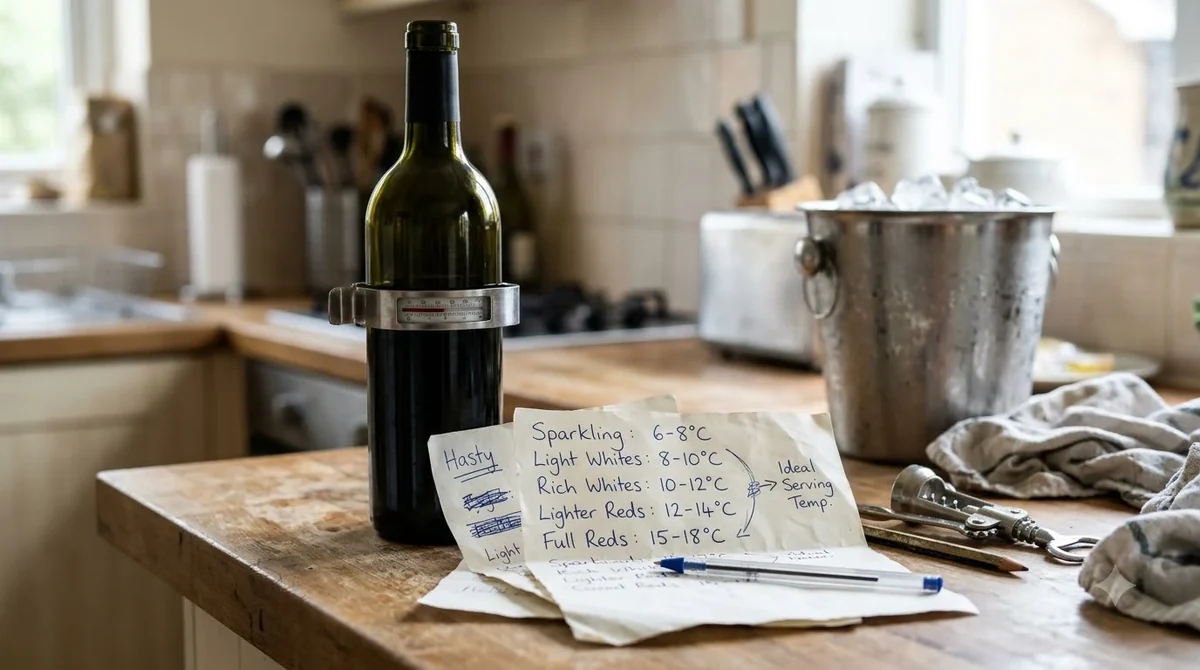
Serving temperature has a large effect on how a wine tastes, and rose is no exception. According to VinePair’s guide to serving temperatures, rose falls in the cold band, which the guide places at about 45 to 55 degrees. That range sits well below the cool band it recommends for medium and full-bodied red wines, which is roughly 60 to 65 degrees.
Within that band, the style of the wine matters. A pale, bone-dry rose from the south of France is at its best toward the cold end. A deeper, more structured rose, such as a rose from Italy’s Abruzzo region, can be served a few degrees warmer so its fruit and body come through.
Why cold service works for rose
Cold temperatures make a wine feel fresher. At lower temperatures, the acidity of rose seems sharper and more refreshing, while the sweetness of strawberry, watermelon, and red cherry flavors stays in the background. Warmer glasses tend to bring out alcohol and make the wine feel heavier and softer, which is not what most people want from a summer bottle.
Rose is made from red grapes, but it is usually fermented with only short contact with the skins. The VinePair primer on rose wine describes the process of soaking crushed red grapes with their skins for a short time so color and flavor seep into the juice. Because the skin contact is limited, rose has less tannin than most red wines, and the lighter structure tends to taste best when it is chilled.
Cold service also helps with balance when rose is served with food. A chilled glass pairs well with salads, grilled vegetables, seafood, and spicy dishes, where the wine should refresh the palate rather than compete with the flavors on the plate.
How to store rose
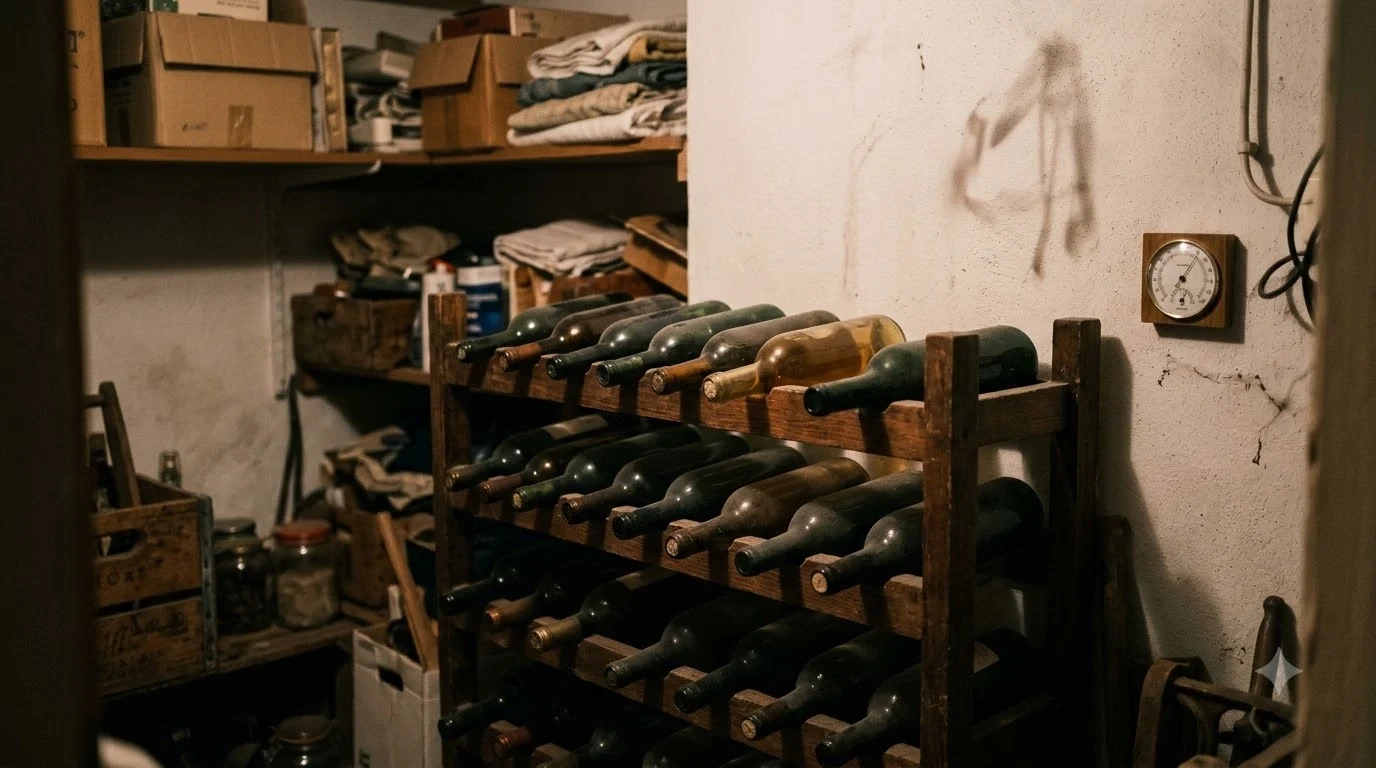
Storage matters as much as serving. Most rose is made to be enjoyed young, so the best approach is to buy recent vintages and drink them within a year or two of release. Rose does not usually improve with age, and it can lose its fresh fruit character if it sits for long periods in a warm room.
Before opening, keep bottles in a cool, dark place. After you buy a bottle, put it in the refrigerator, or chill it for a few hours before serving. Once a bottle is opened, a recork and a return to the refrigerator will slow oxidation. Most rose stays pleasant for a few days.
| Situation | Suggested approach | Why it helps |
|---|---|---|
| Bottle bought from a warm shop | Chill it in the refrigerator before serving | Brings the wine back into the cold serving band |
| Serving outdoors on a hot day | Keep the bottle in an ice bucket or cooler | Prevents the glass from warming too quickly |
| Bottle already opened | Recork and refrigerate | Slows oxidation and keeps the fruit fresh |
| Bottle kept for several years | Drink it soon and check the vintage | Most rose is made to be drunk young |
Tip: If a rose has warmed up in the glass, add a few ice cubes or return the bottle to the refrigerator for twenty minutes. Avoid leaving it in direct sun.
What glass to use for rose
Glassware is less strict for rose than for red wine, but a few choices make a difference. A standard white wine glass works well because its bowl is large enough to show color and aroma without letting the wine warm too quickly. A slightly narrower bowl keeps the aromas of strawberry, citrus, and herbs closer to the nose.
Wide-bowled red wine glasses are less suitable for chilled rose. They allow the wine to warm faster and can make the bottle empty quickly without any real gain in flavor. Sparkling rose is best in a flute or a tulip-shaped glass, which keeps bubbles lively.
Does rose need to breathe?
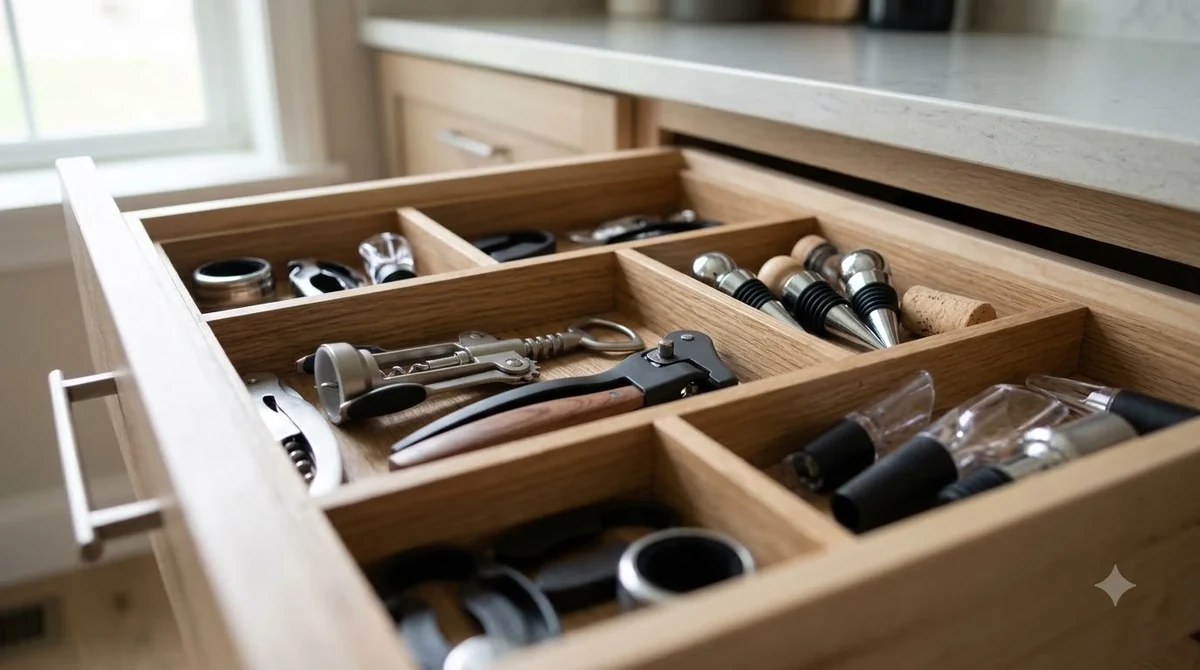
Most rose does not need to breathe or be decanted. Breathing, which means letting wine sit in air for a period, is mainly useful for young, tannic red wines that benefit from softening. Rose has little tannin, so there is usually nothing harsh to soften.
If a rose tastes closed or muted when first poured, it is usually because it is too cold. Letting the glass sit for five to ten minutes often lets the aromas open as the wine warms slightly. Decanting a rose is rarely necessary and can reduce its fresh fruit character.
Common mistakes when chilling rose
The most common mistake is over-chilling. A rose that has been in a freezer for too long, or left in an ice bucket for hours, can taste thin and lose its aroma. Thirty minutes in the freezer or a few hours in the refrigerator is usually enough to reach the right temperature.
Another mistake is storing rose next to a warm oven or on a sunny counter. Heat speeds up aging and can flatten the fruit. A third mistake is assuming all pink wines are sweet and serving them very cold to hide sugar. Many dry rose wines taste balanced and crisp at the right temperature, while sweeter styles can taste heavier when they are too warm.
Choosing a rose for a chilled glass
When you shop for rose, the label and the style tell you a lot about how cold to serve it. Pale, dry rose from Provence, Spain, and parts of California usually show clean citrus, watermelon, and stone fruit notes that stay lively when cold. Deeper pink rose, sometimes made from Grenache, Sangiovese, or other red varieties, has more body and a richer red fruit profile. These styles often taste better at the warmer end of the cool range, because the extra weight comes through more clearly.
Sparkling rose follows the same rule but needs even more chill. Served at a temperature close to the cold end of the scale, it keeps its bubbles and crisp finish. For a broader look at how rose sits among other pink and white styles, the wine category pages give useful context on grape and region.
Frequently Asked Questions
Should rose be chilled before serving?
Yes, most rose is best served cold, around 45 to 55 degrees Fahrenheit. Chilling keeps the acidity and fruit fresh and makes the wine more refreshing in warm weather.
How long should rose stay in the refrigerator?
A bottle of rose usually needs two to three hours in the refrigerator to reach a good serving temperature. If you are in a hurry, about thirty minutes in the freezer can bring it down quickly, but check it often so it does not freeze.
Can rose be served at room temperature?
It can be, but it will taste softer and less lively. Many people prefer rose a little cooler than room temperature, especially on warm days. A cool room is usually a better choice than a warm one.
Does chilled rose go bad faster?
Chilling does not spoil rose. Cold temperatures actually slow down changes in the wine. The main factor in freshness is age, so drink rose within a year or two of its release and keep opened bottles refrigerated.
Rose is one of the most flexible wines to serve. Chill it to the cool range, pour it into a standard white wine glass, and skip the decanter. If you want to learn more about how rose fits among other styles, the Wine by Type guide covers the main categories, and the chardonnay alcohol content page is a useful comparison for white wine drinkers who are new to rose.
More in Wine Types & Grapes
 Zinfandel Sugar Content: Dry Red vs. White Zinfandel GramsUpdated Nov 21, 2026
 Best Zinfandel Substitute Options for Sipping and CookingUpdated Nov 21, 2026
 Zweigelt Food Pairing: Best Dishes, Cheeses, and Serving TipsUpdated Nov 21, 2026
 Zinfandel Tannins Explained: How Structure Shapes Every BottleUpdated Nov 21, 2026
 Zinfandel Sweetness Level: Dry Red vs. Sweet White Zin ExplainedUpdated Nov 21, 2026
 Xinomavro Food Pairing: Best Dishes, Styles, and Serving TipsUpdated Nov 21, 2026