


We may earn a commission when you buy through links on this page, at no extra cost to you. Learn more.
A Tervis wine tumbler is a practical choice for wine drinkers who want the appearance of glass with the added durability of Tritan plastic. The Tervis Symglass stemless wine glass is designed for wine, cocktails, and other cold beverages, with a low center of gravity that helps it sit steadily on a table. Its shatter-resistant construction, dishwasher-safe design, and lifetime guarantee make it particularly appealing for patios, outdoor entertaining, and everyday use, although it does not provide the traditional feel of a glass wine stemware collection.
Choosing a wine glass involves more than appearance. The material affects durability, handling, cleaning, and the way a glass fits into a dinner party or casual evening. Tervis approaches this category with its Symglass collection, which aims to combine the clear appearance of conventional glassware with the resilience of Tritan. The distinction matters for anyone shopping for drinkware around pools, patios, busy households, or outdoor gatherings. This review examines the wine-specific design, construction, warranty, practical limitations, and alternatives so buyers can decide whether a Tervis wine tumbler suits their drinking habits.
Specs and Key Features
The Tervis wine tumbler category is best understood through the Symglass stemless wine glass, rather than assuming every Tervis tumbler has the same construction. The Symglass collection uses Tritan to create a clear, glass-like appearance while reducing the risk of breakage associated with conventional glassware.
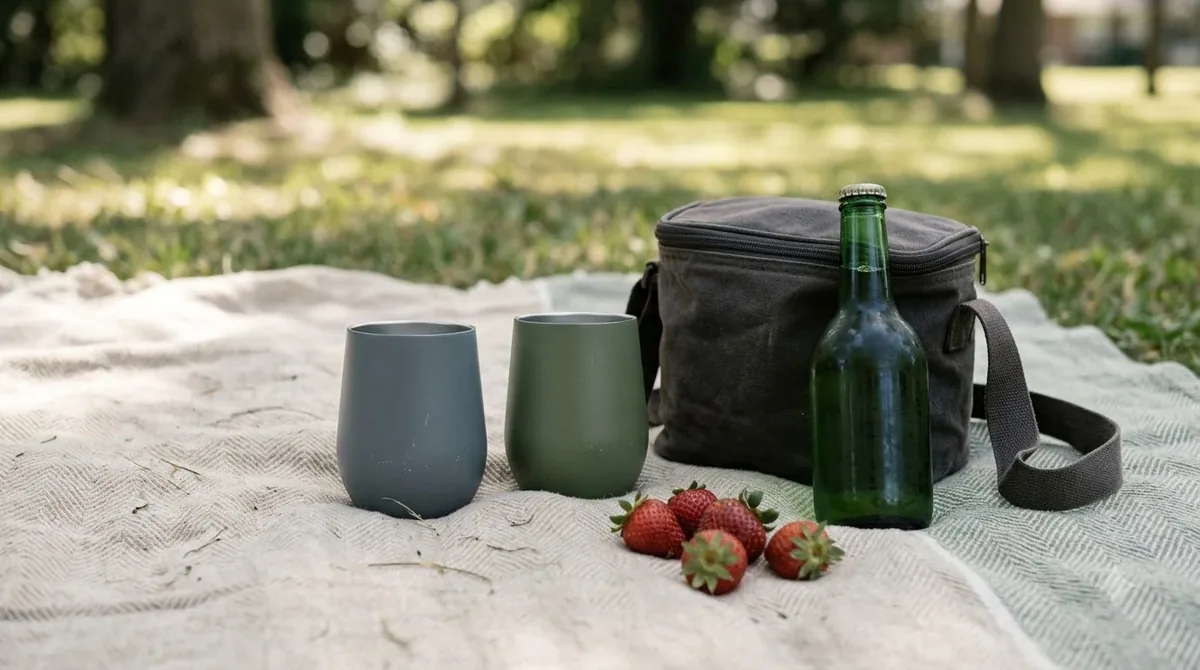
One important distinction is that Tervis sells several different drinkware shapes. Its stemless wine glass is intended for wine and mixed drinks, while its tall tumbler, low tumbler, Imperial Pint Glass, and Champagne Flute serve different drinking occasions. The stemless design is particularly relevant for shoppers who want something more stable than traditional stemware without switching to an opaque travel cup.
| Feature | Tervis Symglass Stemless Wine Glass |
|---|---|
| Primary material | Tritan plastic |
| Design | Stemless wine glass |
| Collection styles | 5 listed drinkware styles |
| Appearance | Clear, glass-like finish |
| Breakage resistance | Shatterproof construction |
| BPA status | BPA-free |
| Cleaning | Dishwasher-safe |
| Color choices | Multiple colors and finishes |
| Warranty | Lifetime guarantee for eligible manufacturing defects |
| Country of manufacture | Made in the USA, according to Tervis |
The most important construction detail is the use of Tritan rather than ordinary glass. Tritan is a durable plastic material commonly selected for drinkware that needs a clear appearance and better resistance to impact. Tervis presents the Symglass range as an option for occasions where conventional glass creates unnecessary breakage concerns.
The stemless shape also changes the way the glass behaves on a table. A conventional wine glass has a raised stem and relatively narrow base, while a stemless glass places the bowl directly on the surface. Tervis specifically describes its low center of gravity as a stability advantage. That can be useful when guests are moving around, when drinks are served outdoors, or when a table has limited space.
Another useful detail is that the Symglass collection is not limited to wine. The same overall design approach extends to its tall tumbler, low tumbler, Imperial Pint Glass, and Champagne Flute. Buyers who want coordinated drinkware for several beverages can explore those shapes instead of mixing unrelated glassware designs.
For the manufacturer’s product overview, see the official Tervis Symglass collection. It explains the material, available shapes, and intended uses of the range.
What Owners Like
The strongest selling point of a Tervis wine tumbler is its combination of a clear appearance and reduced breakage risk. It addresses a familiar problem with traditional wine glasses: a dropped glass can leave dangerous fragments and require a lengthy cleanup, especially around outdoor entertaining areas.
For households with children, frequent guests, or outdoor dining spaces, replacing conventional stemware with a more durable alternative can make serving drinks less stressful. The Symglass stemless design is particularly practical for a patio table, picnic setup, or poolside seating area where a glass stem could easily be knocked over.
There is also a visual advantage. Some plastic drinkware looks cloudy, brightly colored, or obviously utilitarian. Tervis promotes Symglass for its high-clarity appearance, which is intended to reflect wine attractively. That makes it more appropriate for a dinner table than many standard reusable plastic cups.
Less worry about accidental breakage
The shatterproof construction is a meaningful advantage for everyday use. A traditional wine glass can break if it falls from a countertop or gets knocked off an outdoor table. Tritan drinkware is intended to withstand this type of everyday handling more effectively.
This does not mean the glass is indestructible. Repeated impacts, rough handling, excessive heat, and unsuitable cleaning tools can still affect plastic drinkware. The advantage is that an accidental knock is less likely to result in the dangerous fragments associated with broken conventional glass.
A shape suited to casual occasions
Stemless wine glasses have become a familiar choice for informal wine service because they are easy to carry and do not have a separate stem that can be damaged. Tervis takes that practical shape and pairs it with a material designed for greater durability.
For a relaxed dinner, a glass of Sauvignon Blanc on the patio, or a casual serving of Pinot Noir, the stemless format offers a straightforward drinking experience. It also works for non-wine beverages, which makes the glass more versatile than a dedicated piece of formal stemware.
The manufacturer’s inclusion of multiple colors and finishes adds another advantage. Different colors can help guests identify their drinks at a gathering, while clear versions are easier to coordinate with existing table settings.
Useful for more than wine
Tervis describes its Symglass stemless wine glass as suitable for cocktails and seltzers in addition to wine. That broader purpose can make the purchase more useful for households that do not want separate cups for every beverage.
For example, the same style can serve a chilled white wine before dinner and a sparkling water afterward. A cocktail can also be served in the same shape when a dedicated cocktail glass is not necessary. The important distinction is that the stemless design is intended for casual versatility rather than precise wine-service technique.
Buyers who want to compare this shape with other casual wineware can also explore a stemless wine tumbler before settling on a particular material or construction.
Common Complaints
The Tervis wine tumbler has practical advantages, but its construction also creates compromises. The most important considerations are the difference between Tritan and glass, the limited suitability of stemless drinkware for formal wine service, and the distinction between a lifetime guarantee and unconditional replacement.
The first potential disappointment is the drinking experience. Tritan may provide a clear appearance, but it is still plastic. Buyers who prefer the weight, sound, temperature, and familiar feel of a traditional wine glass may find the difference noticeable. The product is designed around convenience and durability, not exact replication of premium glassware.
It is not traditional wine stemware
A conventional wine glass has a bowl and stem that allow the drinker to hold the glass without placing a hand directly around the bowl. This is useful because hand warmth can gradually affect the temperature of chilled wine. A stemless glass does not provide that separation.
The difference can matter when serving delicate white wines, sparkling wines, or aromatic varieties. A chilled Riesling or Sauvignon Blanc benefits from being served at an appropriate temperature. Holding a stemless glass around its bowl can warm the beverage more quickly than holding traditional stemware by the stem.
There is also a difference in presentation. A traditional Burgundy glass, for example, has a larger bowl designed to provide room for aromatic Pinot Noir. A general-purpose stemless design is more convenient but is not necessarily the ideal vessel for every wine style.
Shatterproof does not mean damage-proof
Plastic drinkware can scratch, discolor, and show signs of wear. Tervis specifically excludes normal wear, including fading, scratching, film, fogging, staining, and heat distortion, from its current Classic and Symglass Lifetime Guarantee.
That distinction is important for buyers who expect a product to look new indefinitely. A glass that remains structurally usable may still develop cosmetic marks after repeated cleaning or contact with abrasive materials.
Wine can also leave residue if a glass is not cleaned promptly. Red wine, fruit-based cocktails, and citrus drinks should not be allowed to sit for extended periods. Washing after use helps preserve the appearance of clear drinkware.
The warranty has conditions
The lifetime guarantee is an attractive feature, but it should not be interpreted as a promise to replace any damaged glass. Tervis covers confirmed defects in materials or workmanship on eligible products. Damage caused by misuse, external impact, or normal wear is excluded.
The company also states that eligible items must be physically inspected before a replacement decision is made. A customer may need to complete an online claim, print the required documentation, package the glass, and ship it according to the instructions.
Another important limitation concerns accessories. Lids, handles, straws, and other accessories are excluded from the guarantee. Anyone purchasing additional drinkware accessories should understand that their coverage may differ from the glass itself.
Customer feedback also deserves consideration. BBB reviews include individual complaints about order delays, communication, and guarantee processing. These reports do not establish that every customer will experience the same difficulties, but they are a reason to retain purchase documentation and review the current return and guarantee terms before ordering.
Tip: Keep your purchase confirmation and inspect your Tervis glass when it arrives. A manufacturing defect, ordinary cosmetic wear, and accidental impact are treated differently under the company’s guarantee.
Who Should Buy and Who Should Skip
A Tervis wine tumbler is most suitable for someone who prioritizes durability and convenient cleaning over traditional stemware. It makes particular sense for casual wine drinkers, outdoor hosts, and households that want reusable drinkware without the same breakage concerns as ordinary glass.
The best use case is an informal setting where a conventional wine glass might be inconvenient. A patio dinner, backyard barbecue, picnic, or poolside gathering can all benefit from a stemless Tritan glass. The low center of gravity is useful when drinks are placed on busy tables, and the shatterproof construction reduces the consequences of an accidental knock.
Buy it if outdoor entertaining is a priority
Outdoor settings are one of the strongest reasons to consider this type of drinkware. Wind, uneven surfaces, movement around tables, and limited storage can make traditional stemware less convenient.
A Tervis Symglass stemless wine glass offers a more practical option for serving wine outside. It is also easier to incorporate into a casual entertaining setup because the design does not require a delicate stem or specialized storage arrangement.
It can be a good choice for someone who frequently serves drinks to a group and wants a consistent set of reusable glasses. The availability of multiple colors and finishes gives buyers some flexibility when coordinating their tableware.
Buy it if you want versatile drinkware
Another suitable buyer is someone who uses one glass for several beverages. The stemless shape can accommodate wine, cocktails, and seltzers, reducing the need to keep separate everyday glasses for each drink.
This is especially helpful in smaller kitchens or households with limited cabinet space. Rather than maintaining a large collection of specialty drinkware, buyers can use a general-purpose glass for casual occasions.
Anyone looking for a gift can also consider personalization and coordinated drinkware. A wine tumbler personalized with an appropriate design can make a more distinctive present, particularly when the recipient enjoys outdoor dining or casual entertaining.
Skip it if formal wine service matters most
Buyers who collect premium wine glasses or regularly serve wine at formal dinners may prefer conventional glass stemware. The stemless format does not provide the same separation between the hand and the bowl, and Tritan does not reproduce the feel of fine crystal.
Dedicated wine enthusiasts may also prefer different glass shapes for particular grape varieties. A large-bowled glass can be useful for Burgundy, while a narrower white wine glass can help maintain the serving temperature of aromatic wines.
Another reason to skip this option is if the buyer specifically wants an insulated travel cup with a lid. The Symglass stemless wine glass should not automatically be treated as equivalent to a sealed, insulated travel tumbler. Its primary purpose is casual drink service, not leak-resistant transportation.
How It Compares to Alternatives
The Tervis wine tumbler competes in a category that includes traditional glass stemware, ordinary plastic wine cups, insulated travel drinkware, and other reusable stemless glasses. The right choice depends on whether the priority is wine presentation, resistance to breakage, portability, or temperature management.
It is important to distinguish the Symglass range from Tervis’s Classic insulated drinkware. They are not interchangeable product descriptions. Symglass focuses on a clear, glass-like Tritan appearance, while Tervis Classic products use double-wall insulated construction. A buyer should select the collection that matches the actual intended use.
Tervis Symglass versus conventional glass
Conventional glass remains the familiar option for wine service. It provides a traditional feel, can be produced in a variety of bowl shapes, and suits formal dining. Fine glassware is particularly useful for people who want a specific glass for Chardonnay, Cabernet Sauvignon, or sparkling wine.
Symglass is more practical when durability matters more than traditional presentation. Its shatterproof design makes it an appealing alternative for outdoor use, while the clear finish preserves a more refined appearance than many standard plastic cups.
The choice is not necessarily between one product and the other for every occasion. A household can keep traditional wine glasses for special dinners and use Tritan drinkware for outdoor meals or larger gatherings.
Tervis Symglass versus insulated tumblers
Insulated drinkware is designed to help beverages maintain their temperature. A double-wall or vacuum-insulated tumbler may be preferable for someone who wants a chilled drink to remain cold during a longer outing.
Symglass has a different priority. It focuses on a clear, glass-like appearance and durability rather than claiming the temperature performance of a dedicated insulated travel cup. Buyers should not assume that a Symglass wine glass will retain cold wine as effectively as a purpose-built insulated vessel.
For shoppers specifically looking for a wine tumbler with lid, the most important comparison points are the lid design, spill resistance, insulation method, and ease of drinking. Those features are separate from the basic advantages of a stemless Tritan wine glass.
Where Tervis fits in the accessory category
Tervis is an established drinkware name with several different product formats. Its Symglass collection is particularly relevant to shoppers who want a glass-like appearance without the same breakage risk as conventional glassware.
However, brand recognition alone should not determine a purchase. Material, shape, cleaning instructions, warranty conditions, and the actual drinking occasion are more useful considerations. Buyers comparing other manufacturers can browse the broader Accessory Brands category to evaluate different approaches to everyday wine accessories.
For a buyer who wants a reusable wine glass for an outdoor table, the Symglass stemless design is a sensible category choice. For someone who needs a leak-resistant container for a commute, a dedicated travel tumbler is a more appropriate comparison.
Care, Cleaning, and Warranty Support
Proper cleaning helps preserve the appearance and usability of a Tervis wine tumbler. Tervis recommends washing its Classic and Symglass drinkware before first use, then using the top rack of a dishwasher or washing by hand with warm water and soap.
The manufacturer also advises against steel wool and abrasive scrubbers. These materials can damage the surface and create cosmetic wear that may not be covered by the guarantee. A soft sponge or nonabrasive cleaning cloth is a better everyday option.
Cleaning after wine and cocktails
Rinse a wine glass after serving red wine, citrus-based cocktails, or sweet mixed drinks. This reduces the time that pigments, sugars, and other residues remain on the surface.
Tervis identifies coffee, tomato products, and citrus as potential causes of slight discoloration in its drinkware. Although those examples are not specific to wine, they illustrate why prompt cleaning is useful for keeping clear plastic drinkware looking presentable.
For routine cleaning, warm water and ordinary dish soap are sufficient. Avoid harsh scrubbing and do not use an abrasive pad to remove stubborn marks. If haze or residue develops, Tervis recommends mild detergent or gently using a small amount of baking soda on a soft, wet cloth.
Storage and handling
Store stemless glasses in a clean, dry cabinet where they are unlikely to be crushed by heavier kitchen items. Avoid placing heavy cookware directly on top of plastic drinkware.
For Tervis Classic insulated tumblers, the company specifically advises against stacking because the cups can become stuck together. If two such tumblers become stuck, Tervis says placing them in a freezer for several hours can help separate them. This recommendation concerns its tumblers and should not be treated as a reason to force apart any two stuck glasses.
Regular inspection is also helpful. Look for cracks, unusual separation, or signs of material deterioration. Although Symglass is designed to resist breakage, damaged drinkware should not be assumed to remain suitable for regular use.
Understanding the lifetime guarantee
Tervis’s current Classic and Symglass Lifetime Guarantee covers confirmed defects in materials or workmanship for eligible products for as long as the owner owns the item. The Symglass Stemless Wine Glass is specifically included in the eligible-product list.
Covered defects include separation between the inner and outer walls and cracks around the rim or bottom. The guarantee excludes normal wear, scratches, fading, staining, film, fogging, heat distortion, and damage caused by external impact.
To submit a claim, Tervis instructs customers to check product eligibility, complete the online guarantee form, print the form, and ship the product according to the provided directions. The company accepts up to six products in one submission and makes replacement decisions after physical inspection.
These conditions make it important to distinguish the glass from its accessories. A covered glass does not mean every associated lid, handle, or other accessory receives the same protection. Reviewing the current terms before submitting a claim can prevent misunderstandings.
For detailed washing instructions, the official Tervis Use & Care information provides guidance on routine cleaning, stains, condensation, and handling.
Frequently Asked Questions
Does Tritan contain BPA?
Tervis identifies its Symglass collection as BPA-free. Tritan is a copolyester material rather than conventional polycarbonate, which is commonly associated with BPA-related consumer concerns. Buyers interested in other chemical or material characteristics should consult the manufacturer’s product information for the specific item.
Can a Tervis Symglass wine glass be used for hot drinks?
The Symglass stemless wine glass is presented primarily for wine, cocktails, and seltzers. It should not be assumed to have the same heat-related specifications as Tervis Classic insulated drinkware. For hot beverages, follow the instructions for the exact product rather than applying microwave or heating guidance from another Tervis collection.
Does Tervis sell a Champagne Flute in the Symglass collection?
Yes. Tervis lists a Champagne Flute as a separate Symglass style. It provides a more traditional sparkling-wine presentation than the stemless wine glass and is a useful option for celebrations where flute-shaped drinkware is preferred.
Can a Tervis wine glass be used at a commercial restaurant?
Tervis excludes damage, defects, or deterioration resulting from hospitality, commercial, and other high-use environments from its Classic and Symglass Lifetime Guarantee. A restaurant or event venue should therefore evaluate commercial-use suitability separately from ordinary household use and confirm the applicable terms before purchasing multiple glasses.
Can personalized Tervis drinkware be returned?
Return eligibility depends on the applicable product and purchase terms. Tervis identifies personalized and customized items as subject to special return restrictions in its published guarantee documentation. Buyers ordering customized drinkware should confirm the current return policy before approving the personalization details.
The Tervis wine tumbler is a practical alternative to conventional wine glasses for people who value durability, a clear appearance, and convenient everyday cleaning. Its Symglass stemless wine glass is particularly suited to outdoor entertaining and casual drink service, while traditional glassware remains a better fit for formal wine presentation. Choose the Tervis option if reduced breakage risk is your main priority, and review the exact product specifications and guarantee conditions before purchasing.
More in Wine Accessories
 Vinglace Wine Tumbler Review: A Glass-Lined Choice for Better SippingUpdated Nov 20, 2026
 ZWILLING Electric Wine Opener Review: Features and DrawbacksUpdated Nov 20, 2026
 Vinturi Electric Wine Opener Review for Easy UncorkingUpdated Nov 20, 2026
 Vinabon Wine Aerator Review for Easier, Cleaner Wine ServingUpdated Nov 20, 2026
 Vacu Vin Electric Wine Opener Review: Easy Cork Removal for Home Wine LoversUpdated Nov 20, 2026
 Rabbit Wine Accessories for Easier Home Wine ServiceUpdated Nov 20, 2026