

We may earn a commission when you buy through links on this page, at no extra cost to you. Learn more.
A primitivo cocktail is a mixed drink made with Italian Primitivo—the bold, fruit-forward red grape genetically identical to California Zinfandel—typically built as a red wine sangria, a bourbon-based New York Sour float, a chilled spritz, or spiced mulled wine. Because Primitivo brings concentrated blackberry, cherry, and warm baking-spice notes alongside velvety tannins and elevated alcohol (often 14% ABV or higher), it holds its own against spirits, citrus, and carbonation without disappearing in the glass.
While lighter reds like Pinot Noir can get lost behind citrus or whiskey, Primitivo carries enough dark-fruit density and natural spice to anchor both warm-weather pitchers and spirit-forward evening drinks. Whether you have half a bottle left over from dinner or want a distinctive base for seasonal entertaining, understanding how Primitivo behaves in a shaker or pitcher helps you balance its richness cleanly.
What Makes Primitivo Ideal for Cocktails
Primitivo thrives in the warm, sun-drenched vineyards of Puglia in southern Italy, producing deeply pigmented red wines packed with jammy berry character and subtle peppery spice. Those exact traits make it an adaptable building block for mixed drinks that need body, color, and aromatic warmth.
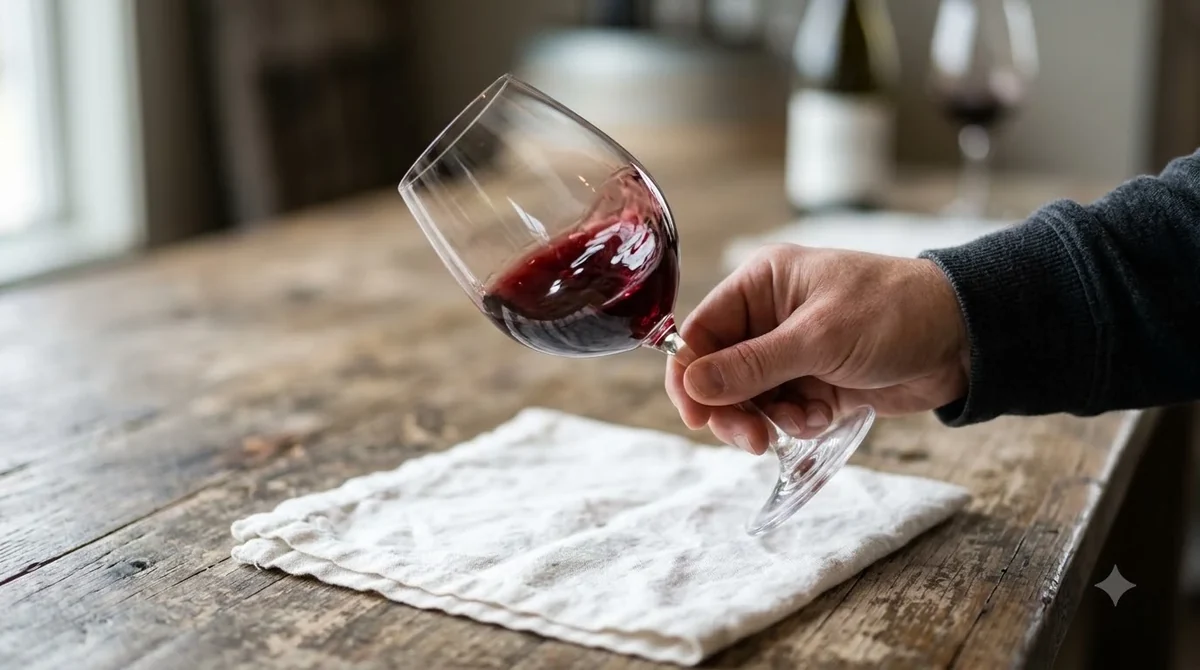
According to Wine Folly’s comprehensive grape guide, Primitivo berries are small and thin-skinned, creating a high skin-to-juice ratio that concentrates dark fruit flavors, color, and baking-spice aromatics like cinnamon and sweet tobacco. In Puglia’s Manduria zone, ripe examples frequently reach 14% ABV and above, while bottles from higher-elevation Gioia del Colle tend to feel slightly brighter and more lifted on the palate. In both cases, the wine’s supple, velvety tannins avoid the harsh astringency that can turn bitter when chilled over ice or shaken with lemon juice.
Bartenders and wine writers often group Primitivo alongside Zinfandel, Garnacha, and Negroamaro when choosing reds for mixed drinks. In Wine Folly’s guide to wine cocktails, Zinfandel is singled out as an ideal match for fruit-forward sangrias because its ripe berry core bridges fresh citrus and brandy effortlessly. Meanwhile, bourbon-based drinks benefit from bold reds whose spice notes echo charred oak and vanilla rather than clashing with them. If you are still exploring how different grape profiles behave across Wine by Type, Primitivo sits squarely in the plush, fruit-driven category that rewards bright acid and aromatic bitters.
Essential Primitivo Cocktail Styles and Ratios
Because Primitivo has high alcohol and lush fruit, the best cocktail formulas pair it with brisk acidity, effervescence, or structured base spirits. Below are four proven templates that keep the wine’s berry-and-spice personality front and center without letting the drink turn heavy or overly sweet.
| Cocktail Style | Primitivo Amount | Key Mixers & Spirits | Serving Temperature | Flavor Profile |
|---|---|---|---|---|
| Primitivo New York Sour | 0.5 oz (float) | 2 oz bourbon or rye, 0.75–1 oz fresh lemon juice, 0.5–0.75 oz simple syrup | Chilled over large ice | Tart citrus, warm whiskey, aromatic dark-berry cap |
| Pugliese Red Sangria | 1 bottle (750 ml) | 1 cup orange juice, 0.25–1 cup brandy or orange liqueur, sliced citrus and berries | Well chilled over ice | Juicy, spiced, fruit-drenched, and crowd-friendly |
| Primitivo Aperitivo Spritz | 2–3 oz | 1 oz bitter red aperitivo (optional), 3 oz chilled club soda, orange wedge | Cold over plenty of ice | Crisp, lightly bitter, effervescent, and refreshing |
| Spiced Mulled Primitivo | 1 bottle (750 ml) | 1 cup apple cider, 0.25 cup brandy, 0.25 cup honey, cinnamon, cloves, star anise | Warm (simmered gently) | Cozy, aromatic, rich with baking spice and stewed fruit |
The New York Sour is arguably the sharpest showcase for a bold, dry Primitivo. In this late-nineteenth-century classic, a standard whiskey sour is shaken with ice, strained into a rocks glass, and finished with half an ounce of dry red wine poured slowly over the back of a bar spoon. As the wine floats across the surface, every sip delivers Primitivo’s blackberry and cinnamon aroma first, followed by bright lemon and vanilla-rich bourbon underneath.
For warm afternoons or casual gatherings, a Primitivo spritz or batch sangria stretches a single 750 ml bottle across multiple glasses while dialing back the perceived alcohol. Combining three ounces of chilled Primitivo with an equal pour of club soda—or adding an ounce of bitter Italian aperitivo and an orange slice—creates a brisk, ruby-tinted refresher. If you prefer cooler-weather drinks, gently simmering Primitivo with apple cider, honey, whole cloves, and cinnamon sticks turns its natural jammy notes into a comforting winter punch without masking the grape’s character.
Step-by-Step: How to Make a Primitivo New York Sour
Floating dry Primitivo over a shaken whiskey sour creates a dramatic two-tone presentation and layers dark-berry aromatics directly onto bright citrus. Precision with ice and pouring speed is all it takes to keep the crimson wine layer suspended cleanly on top.
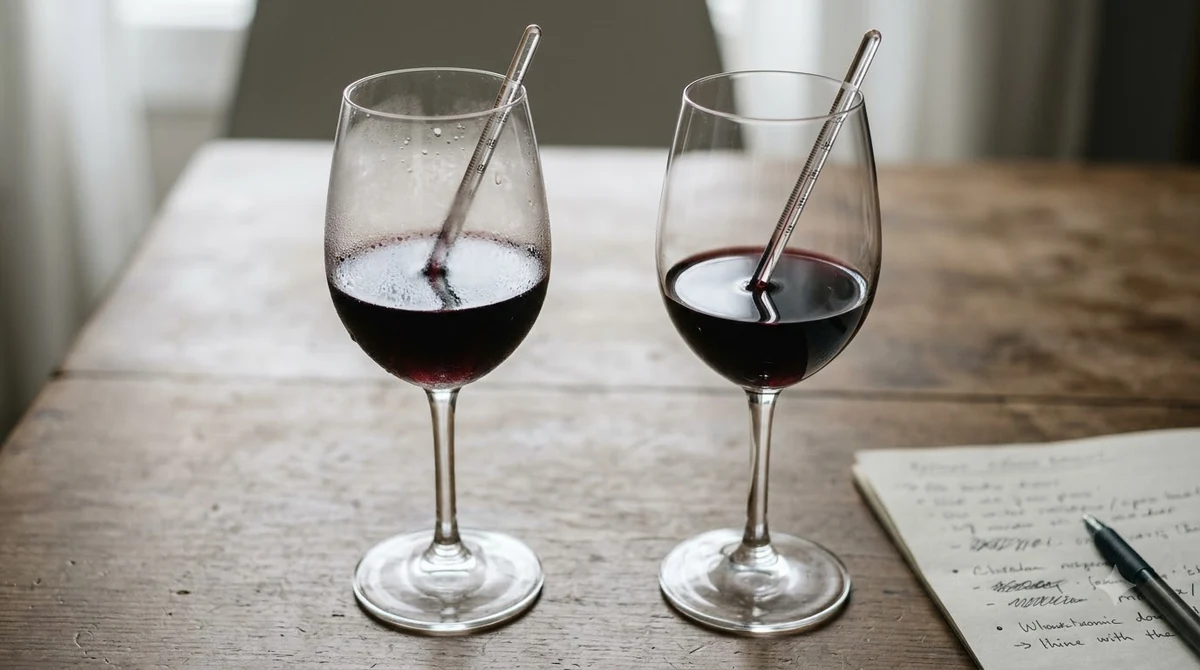
- Chill your glassware and measure ingredients: Place a rocks glass in the freezer for ten minutes, and measure 2 ounces of high-rye bourbon or rye whiskey, 0.75 ounce of freshly squeezed lemon juice, 0.5 to 0.75 ounce of 1:1 simple syrup, and 0.5 ounce of dry Primitivo into separate vessels.
- Shake the sour base vigorously: Add the whiskey, lemon juice, and simple syrup to a cocktail shaker. (If you want a silky foam cap, add one pasteurized egg white and dry-shake without ice for 10 to 15 seconds first.) Fill the shaker with hard ice cubes and shake firmly for 10 to 15 seconds until the outside of the tin feels frosty.
- Strain over fresh ice: Fill your chilled rocks glass with fresh ice cubes—one large clear cube works best to slow dilution—and fine-strain the shaken whiskey mixture into the glass, leaving about half an inch of headroom at the rim.
- Float the Primitivo: Hold an inverted bar spoon just above the surface of the drink near the inside edge of the glass. Slowly drizzle the 0.5 ounce of Primitivo over the back of the spoon so it spreads gently across the top rather than plunging into the citrus base.
- Garnish and serve immediately: Express a strip of fresh lemon or orange peel over the glass to release its aromatic oils, drop the twist on top, and serve unstirred so the drinker experiences the layered aroma before the flavors gradually mingle.
Tip: Always use a dry Primitivo rather than a late-harvest sweet style for a New York Sour float—dry wine sits cleanly on top of the denser sugar-and-lemon base, whereas sweet wine will sink and muddle the layers.
Choosing the Right Bottle of Primitivo for Mixing
Not every bottle of Primitivo behaves identically behind the bar, because winemaking choices and Puglia’s sub-regions shape the balance between jammy weight and fresh acidity. Picking the right style ensures your cocktail tastes vibrant rather than cloying.
Reviewers at Wine Enthusiast point out that Primitivo spans a wide stylistic spectrum across Puglia, ranging from plush, oak-aged bottlings with liquor-soaked berry and fig notes up to 16% ABV, to fresher, cement-aged examples bursting with red plum, violet, and bright acidity. For shaken sours and spritzes, unoaked or lightly oaked bottles—especially those from Gioia del Colle or Salento—bring crisp red-cherry lift and zesty acid that keep drinks lively. Heavy new-oak aging can add dominant vanilla and char that compete with rye whiskey or bitter liqueurs.
Save late-harvest Primitivo di Manduria Dolce Naturale—a sweet dessert designation made from raisinated grapes—for sipping neat or pouring in small splashes over crushed ice with club soda. When a recipe calls for dry red wine, check the back label for alcohol levels closer to 13.5% or 14.5% rather than 16%, and look for tasting descriptors like red raspberry, sour cherry, and black pepper. If you enjoy the lush, fortified richness of dessert-wine drinks such as a ruby port cocktail or a tawny port cocktail, you can always add a quarter-ounce of brandy or demerara syrup to a dry Primitivo base to build that same velvety weight on demand.
Preparation Tips and Food Pairings
Temperature control and ingredient freshness determine whether a red wine cocktail tastes crisp or flat. Because red wines carry tannins and higher alcohol than white wines, chilling your ingredients thoroughly before assembly prevents rapid ice melt from watering down the drink.
Always refrigerate both your Primitivo and any carbonated mixers like club soda or ginger ale for at least two hours before building spritzes or sangrias. When making sangria, let the wine, citrus slices, berries, and spirit macerate in the refrigerator for six to twelve hours so the fruit infuses the wine, but wait to pour in sparkling water until the exact moment you serve. Similarly, if you make mulled Primitivo on the stovetop, keep the heat on a gentle low simmer rather than a rolling boil so you preserve the wine’s bright berry aromatics and avoid cooking off all the alcohol.
At the table, Primitivo cocktails mirror the grape’s natural affinity for savory, smoky, and richly spiced foods. A chilled Primitivo spritz or sangria cuts right through salty charcuterie, aged sharp cheddar, smoked gouda, and prosciutto-wrapped melon. Heartier pours like a Primitivo New York Sour or warm mulled Primitivo stand up easily to slow-cooked pulled pork, braised short ribs, grilled halloumi, and roasted dishes seasoned with black pepper, cumin, or rosemary. If you prefer crisp white-wine drinks alongside lighter seafood or salads, a riesling cocktail makes a bright counterpart to offer guests alongside your red-wine pitcher.
Frequently Asked Questions
Can I substitute California Zinfandel for Primitivo in a cocktail?
Yes, California Zinfandel and Italian Primitivo are genetically identical clones of the same grape variety, making them direct one-for-one substitutes in any cocktail recipe. Look for a fruit-forward, dry Zinfandel with moderate oak influence so its blackberry and baking-spice notes match what a Pugliese Primitivo brings to the glass.
How long does an opened bottle of Primitivo stay good for cocktails?
An opened bottle of Primitivo stays fresh for about three to five days when recorked tightly and stored in the refrigerator. Even if the wine loses a bit of its initial aromatic pop on day four or five, it still works remarkably well in sangria, mulled wine, or a whiskey sour float where citrus and spices brighten the profile.
Why did my Primitivo sink instead of floating on a New York Sour?
Wine sinks when it is denser than the cocktail underneath or when it is poured too quickly into the center of the glass. Make sure you use a dry Primitivo rather than a sweet dessert style, chill the wine beforehand, and pour it slowly over the back of a bar spoon held right at the surface of the drink.
What is the best non-alcoholic mixer to pair with Primitivo?
Chilled club soda or sparkling mineral water is the cleanest mixer because it lifts Primitivo’s dark berry aromatics without adding extra sugar. For a sweeter, patio-style highball inspired by Spanish Tinto de Verano, mix equal parts chilled Primitivo and sparkling lemon-lime soda over ice with a fresh orange wheel.
From a crisp two-ingredient spritz on a warm afternoon to a layered New York Sour after dinner, Primitivo brings natural dark-fruit richness and warm spice to every glass. Keep a dry, fruit-driven bottle chilled in your kitchen, and you have an effortless base for both quick single-serve pours and crowd-pleasing party pitchers.
More in Wine Types & Grapes
 What Does Mourvèdre Taste Like? Flavor Profile, Regions, and PairingsUpdated Nov 20, 2026
 What Does Marsanne Taste Like? Flavors, Styles, and Food PairingsUpdated Nov 20, 2026
 What Does Malvasia Taste Like? Styles, Flavors, and Food PairingsUpdated Nov 20, 2026
 What Does Grenache Blanc Taste Like? Flavor Profile, Styles, and PairingsUpdated Nov 20, 2026
 What Does Garnacha Taste Like? Key Flavors, Styles, and Pairing TipsUpdated Nov 20, 2026
 What Does Fruit Wine Taste Like? A Complete Flavor and Style BreakdownUpdated Nov 20, 2026