

We may earn a commission when you buy through links on this page, at no extra cost to you. Learn more.
Classic pinotage tasting notes center on ripe black cherry, blackberry, and dark plum layered over smoky, earthy accents of pipe tobacco, roasted coffee, dark chocolate, and dried leaves. Created in South Africa in 1924 by crossing Pinot Noir with Cinsault, this deeply pigmented red wine is dry, medium- to full-bodied, and structured with medium-high tannins and bright, balanced acidity. Depending on vineyard climate and oak treatment, expressions range from bright, red-fruited bottles showing raspberry and sour cherry to bold, savory styles built for the grill and long cellar aging.
Despite sharing half its genetic heritage with delicate Pinot Noir, Pinotage delivers a far darker, more muscular experience in the glass. Understanding how vineyard elevation, fermentation temperature, and oak aging shape its aromatic profile makes it much easier to pick a bottle that matches your palate and dinner menu.
What Is Pinotage?
Pinotage is South Africa’s signature red wine grape, bred in 1924 by viticulture professor Abraham Izak Perold at Stellenbosch University by crossing Pinot Noir with Cinsault—a variety known locally at the time as Hermitage. Perold wanted a vine that combined the aromatic complexity of Pinot Noir with the heat tolerance, disease resistance, and generous yields of Cinsault in the warm Cape climate.
The resulting grape surprised growers with its thick, deeply pigmented skins packed with high levels of anthocyanins, the compounds responsible for a red wine’s color. Rather than producing pale, translucent wines like both of its parents, Pinotage yields an inky, opaque purple-ruby pour with substantial tannin and concentrated dark fruit. For decades, heavy crop loads and overly warm fermentations gave the grape an uneven reputation, occasionally producing sharp, acetone-like volatile acidity or scorched-rubber aromas.
Over the past twenty years, dedicated South African growers have transformed the variety by lowering vineyard yields, harvesting at optimal phenolic ripeness, and carefully managing cellar temperatures. Modern bottles showcase why the grape remains South Africa’s second most planted red variety, balancing exuberant berry fruit with an unmistakable savory backbone you rarely find elsewhere in the wine by type landscape.
Flavor Profile and Winemaking Styles
In a well-made dry red Pinotage, primary fruit aromas of black cherry, blackberry, ripe plum, and fig sit alongside distinct savory undertones of smoke, rooibos tea, sweet pipe tobacco, bacon, and damp earth. Reviewers at Wine Folly note that the variety can even display hints of mint, menthol, black olive, or red bell pepper in cooler vintages, giving the bouquet a layered complexity that shifts as the wine opens in the glass.
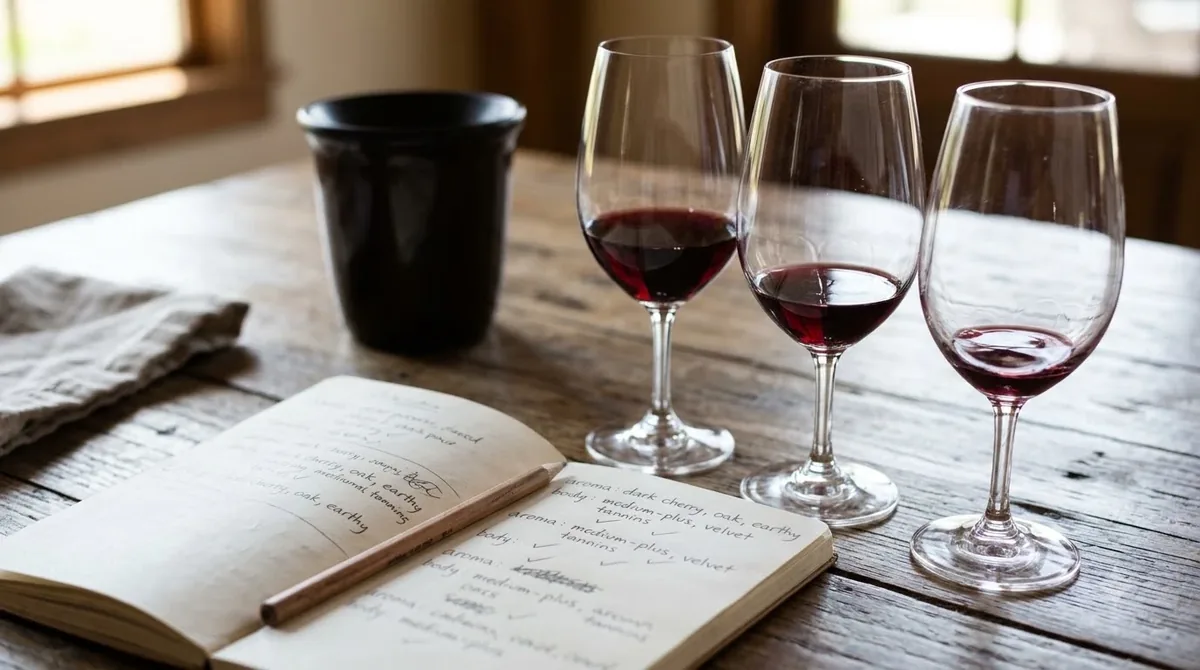
Because the grape responds dramatically to fermentation choices and oak maturation, winemakers produce several distinct styles across the Cape:
- Classic Fruit-Forward Red: Fermented at cooler temperatures with restrained oak, these bottles highlight bright raspberry, red licorice, strawberry, and sour cherry with supple tannins and lively acidity.
- Old-Vine and Reserve Red: Matured in French or American oak barrels, top cuvées develop dense layers of plum sauce, dark chocolate, leather, clove, and woodsmoke supported by firm, age-worthy tannins.
- Coffee-Style Pinotage: Crafted using heavily toasted oak staves or barrels, this popular style amplifies roasted espresso bean, mocha, vanilla, and cocoa powder notes over plush dark berry fruit.
- Rosé, White, and Sparkling Expressions: Gentle pressing with minimal or zero skin contact yields crisp rosé bursting with watermelon and strawberry, or aromatic white Pinotage showing pear, citrus, and stone fruit.
When comparing regional reds side by side, tasters often find that Pinotage bridges the gap between plush, velvety grenache tasting notes and the inky, structured grip found in petit verdot tasting notes. Unlike sweeter commercial reds that rely on residual sugar for richness, Pinotage is fermented dry, relying on ripe fruit extract and oak spice for its generous mouthfeel.
Where Pinotage Grows
South Africa dominates global cultivation with roughly 17,426 acres (7,052 hectares) planted across the Western Cape, while tiny experimental pockets exist in New Zealand (94 acres), the United States (50 acres), and Germany. Within the Cape Winelands, microclimate and soil differences create clear stylistic divides from district to district.
| Region | Climate Influence | Dominant Tasting Notes | Structure and Body |
|---|---|---|---|
| Stellenbosch | Moderate maritime breezes from False Bay | Blackberry, cassis, dark chocolate, cedar, tobacco | Full-bodied, firm tannins, built to age 10 to 15 years |
| Paarl | Warmer inland valley with granite and shale soils | Ripe black cherry, raspberry, sweet spice, earth | Velvety texture, balanced acidity, lingering finish |
| Swartland | Hot, dry bush-vine terroir | Baked plum, fig, licorice, dried herbs, wild game | Concentrated, savory, rich mouthfeel |
| Walker Bay | Cool coastal winds off the Atlantic | Sour cherry, red berry, menthol, olive, subtle smoke | Medium-bodied, vibrant acidity, flexible tannins |
Bush vines—untrellised, low-yielding old vines common in Stellenbosch, Paarl, and Swartland—are especially prized for Pinotage. Their natural shade protects the dark grape clusters from sunburn while concentrating flavor compounds, resulting in wines with deeper mineral complexity and smoother, more polished tannins.
Cooler coastal wards like Walker Bay on the Cape South Coast produce a markedly different profile. Lower average temperatures preserve natural malic acidity and restrain alcohol levels, leaning the wine closer to savory red cherry, cherry cola, and crushed herbs rather than jammy black fruit.
How to Serve and Store Pinotage
Serve red Pinotage slightly below room temperature at 60 to 68°F (15 to 20°C) in a standard universal red wine glass to showcase its complex fruit and smoke aromatics without emphasizing warmth from alcohol. If a bottle has been sitting on a warm kitchen counter, a 15- to 20-minute chill in the refrigerator brings it right into the ideal serving window.
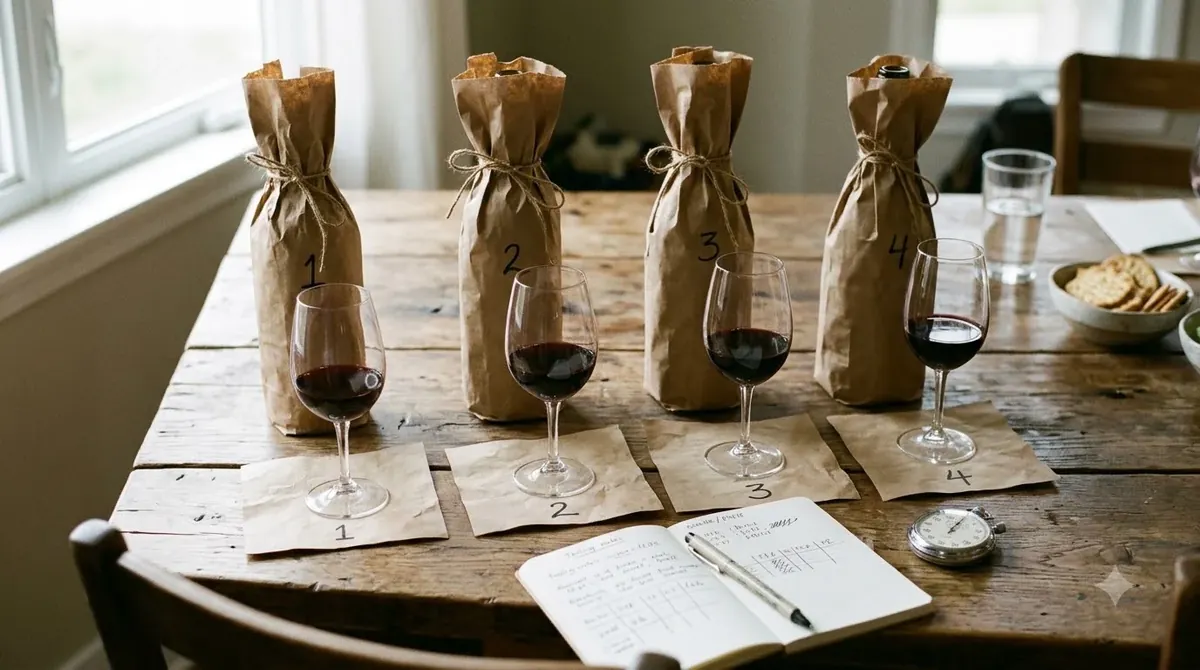
Young, full-bodied bottles—especially oak-aged Stellenbosch and Swartland selections—benefit significantly from decanting for 30 to 60 minutes before pouring. Exposure to oxygen softens the wine’s naturally firm tannins and allows primary dark berry and mocha aromas to emerge ahead of earthier, reductive notes. Rosé and white Pinotage expressions should be served well chilled at 45 to 50°F with no decanting needed.
While everyday fruit-forward bottles are crafted for immediate enjoyment within two to four years of vintage, structured reserve and old-vine Pinotage can evolve gracefully in a cool, dark cellar for 5 to 10 years, with top single-vineyard bottlings improving for 15 years or more. Over a decade in bottle, bright berry fruit recedes into dried fig, leather, cigar box, and savory forest floor.
Tip: If a freshly opened bottle smells overly smoky or slightly sharp, give it 45 minutes in a wide-bottomed decanter—Pinotage responds rapidly to aeration, trading initial reduction for lush dark plum and cocoa aromas.
Best Food Pairings for Pinotage
Pinotage’s natural affinity for smoke, char, and savory umami makes it one of the most versatile red wines for barbecue and grilled meats. In South Africa, it is the classic partner for a traditional braai (wood-fired barbecue), where its medium-high tannins cut through rendered fat while its smoky, plum-sauce undertones mirror caramelized glazes and dry spice rubs.
For hearty meat dishes, match the weight of the bottle to the richness of the protein. Lighter, cooler-climate styles pair effortlessly with roasted duck breast in a cherry or plum reduction, seared pork tenderloin, and grilled lamb chops seasoned with rosemary. Full-bodied reserve bottles stand up to braised beef short ribs, pepper-crusted ribeye, venison, and smoky pulled pork ribs.
Meatless dishes with deep umami and roasted flavors also shine alongside this grape. Wild mushroom risotto, charred eggplant, smoky black bean chili, and aged hard cheeses like mature Gouda or sharp cheddar echo the wine’s earthy, roasted-coffee nuances without clashing with its tannic grip.
How to Choose a Quality Bottle
Reading the back label and regional designation is the most reliable way to find a bottle that aligns with your taste. As Wine Enthusiast notes, poorly handled Pinotage can still show distracting hints of plastic or rubber bandages, so gravitating toward established Cape regions and quality-focused producers makes a noticeable difference.
Look for regional Wine of Origin (WO) designations such as Stellenbosch, Paarl, Swartland, or Walker Bay rather than broad multi-regional blends when seeking deeper site character. Phrases like “bush vine,” “old vine,” or “reserve” typically signal lower vineyard yields and more careful oak integration, yielding richer fruit concentration and polished tannins.
Finally, match the stylistic cues on the label to the occasion. Choose unoaked or lightly oaked bottlings when you want vibrant red fruit and easy drinkability, or select barrel-matured reserve releases when you are cooking rich, slow-roasted dishes or planning to cellar bottles for future dinners.
Frequently Asked Questions
Does Pinotage taste like Pinot Noir?
No, despite being a direct cross of Pinot Noir and Cinsault, Pinotage tastes much darker, fuller-bodied, and more tannic than Pinot Noir. While cool-climate examples occasionally share Pinot Noir’s red cherry brightness, most bottles resemble Syrah or Zinfandel in weight, offering blackberry, dark plum, smoke, and cocoa.
Is Pinotage a sweet or dry red wine?
Pinotage is almost always fermented completely dry, meaning little to no residual sugar remains in the finished wine. Its ripe flavors of black cherry, plum sauce, vanilla, and chocolate can create an impression of richness on the mid-palate, balanced by firm tannins and crisp acidity.
Why do some Pinotage wines smell smoky or like burnt rubber?
Pinotage naturally produces higher levels of certain volatile compounds during fermentation, and heavy toasted oak barrels often contribute intentional campfire smoke and espresso notes. When grapes are overcropped or fermented too hot, those compounds can tip into unpleasant rubber or nail-polish aromas, though modern temperature-controlled winemaking has largely eliminated that flaw.
What is Coffee Pinotage?
Coffee Pinotage is a distinct South African style made by maturing the wine with heavily toasted French or American oak staves or barrels. The intense toast draws out pronounced aromas and flavors of roasted espresso, mocha, dark chocolate, and sweet vanilla alongside the grape’s ripe dark berry core.
From bright, red-fruited coastal bottlings to dense, oak-aged Stellenbosch reserves, pinotage tasting notes offer an unmistakable blend of dark berry richness and savory, wood-smoked character. Giving a well-crafted South African bottle an hour in a decanter alongside grilled meats or roasted mushrooms is the best way to experience everything this unique grape brings to the table.
More in Wine Types & Grapes
 What Does Mourvèdre Taste Like? Flavor Profile, Regions, and PairingsUpdated Nov 20, 2026
 What Does Marsanne Taste Like? Flavors, Styles, and Food PairingsUpdated Nov 20, 2026
 What Does Malvasia Taste Like? Styles, Flavors, and Food PairingsUpdated Nov 20, 2026
 What Does Grenache Blanc Taste Like? Flavor Profile, Styles, and PairingsUpdated Nov 20, 2026
 What Does Garnacha Taste Like? Key Flavors, Styles, and Pairing TipsUpdated Nov 20, 2026
 What Does Fruit Wine Taste Like? A Complete Flavor and Style BreakdownUpdated Nov 20, 2026