

We may earn a commission when you buy through links on this page, at no extra cost to you. Learn more.
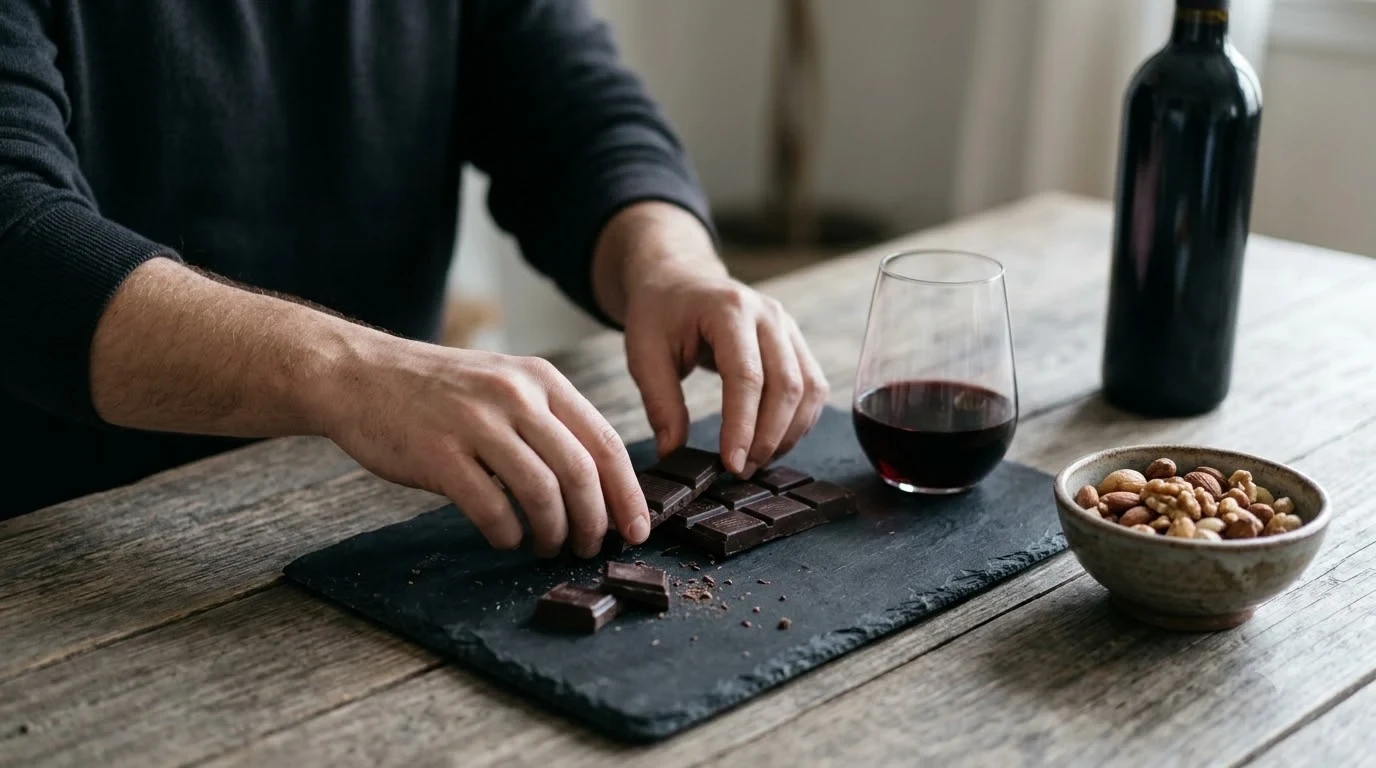
Pairing pinot noir with chocolate works best when you match the wine’s low tannins and bright red-fruit acidity with lighter, creamier styles like white chocolate, milk chocolate, or fruit-and-nut truffles. Because dry Pinot Noir lacks heavy residual sugar, extremely bitter dark chocolate above 70 percent cacao can make the wine taste thin or astringent. Choosing a fruit-forward, plush bottle from a warmer growing region helps bridge the sweetness gap and keeps the palate balanced.
Wine and chocolate seem like an effortless match on paper, yet combining the two often creates a clash of bitterness and acidity on the palate. Understanding how cacao butter, sugar, and polyphenols interact with a light-to-medium red wine turns a tricky dessert experiment into a genuinely rewarding tasting experience.
Why Pinot Noir and Chocolate Can Either Shine or Clash
Chocolate and wine share several chemical traits, including natural polyphenols and tannins produced during fermentation, which means pairing them requires careful attention to structural weight and sweetness. When their intensities align, each element brings out hidden fruit and spice notes in the other.
According to wine educators at Wine Folly, both cacao and wine grapes contain flavanols that contribute astringency and bitterness. If you bite into an intensely bitter bar of dark chocolate and immediately sip a bone-dry red wine, those astringent compounds stack on top of each other. The sugar in the chocolate can also strip away the perception of fruit in a dry wine, leaving behind sharp acidity and alcohol.
Pinot Noir holds a distinct advantage over heavier red varieties like Cabernet Sauvignon because of its naturally soft tannins and vibrant red-berry character. Rather than fighting against creamy dairy fats, its lively acidity cuts cleanly through rich cocoa butter. If you have ever wondered whether Pinot Noir is full-bodied, its generally light-to-medium frame is precisely what makes it gentle enough for delicate confections while still offering enough aromatic complexity to stand alongside roasted cacao.
The key to avoiding a flavor collision lies in respecting the golden rule of dessert pairing: the wine should feel at least as lush or fruit-driven as the sweet treat on your plate. While a standard dry Pinot Noir does not contain high levels of residual sugar, ripe New World expressions deliver sweet-tasting cherry, raspberry, and vanilla oak notes that trick the palate into perceiving harmony.
Best Types of Chocolate to Pair with Pinot Noir
Not every chocolate bar belongs next to a glass of Pinot Noir, as cacao percentages and added ingredients dramatically shift the structural balance. Creamy, dairy-rich, and fruit-accented chocolates consistently outperform high-cacao dark bars.
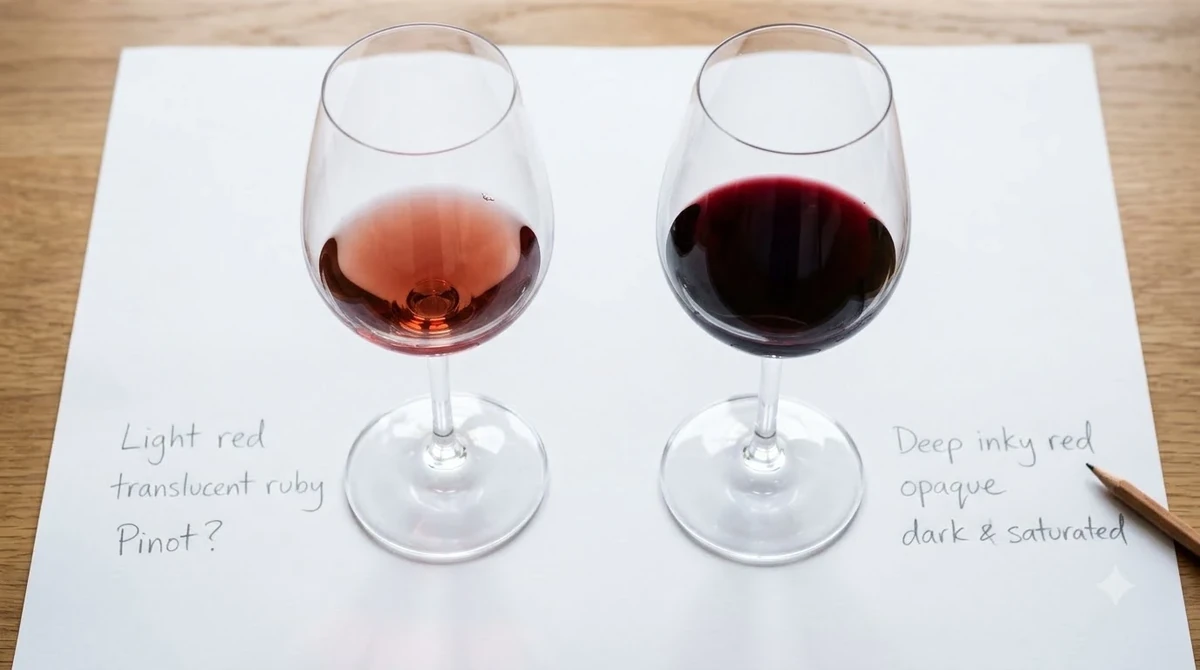
White chocolate is widely considered one of the strongest matches for a dry, fruit-forward Pinot Noir. Because white chocolate contains cocoa butter, milk solids, and sugar rather than bitter cacao solids, it lacks the harsh tannins that derail most dry red pairings. As Wine Folly notes, the creamy, vanilla-scented fat in white chocolate coats the palate in much the same way as heavy cream, allowing the wine’s strawberry and cherry flavors to pop like berries and cream.
Milk chocolate, typically sitting around 30 to 45 percent cacao, provides another reliable sweet spot. Its higher sugar and cream content softens the wine’s brisk acidity, while the wine’s subtle earthiness and red fruit keep the candy from tasting overly sugary. Smooth ganache truffles dusted in light cocoa powder work especially well because their velvety texture mirrors the silky mouthfeel of the grape.
Fruit-filled, nutty, and moderately dark chocolates can also succeed when chosen thoughtfully. Chocolate-covered strawberries, raspberry-filled truffles, and milk chocolate studded with toasted hazelnuts or almonds echo Pinot Noir’s natural tasting notes of crushed berries and forest floor. When stepping into semi-sweet dark chocolate territory around 50 to 65 percent cacao, look for desserts that incorporate butter, cream, or pastry—such as a chocolate mousse or tart—so the extra fat buffers the bitterness.
Pinot Noir and Chocolate Pairing Matrix
Matching specific regional styles of Pinot Noir with the right confection helps balance sweetness, acidity, and texture across the board. Use the breakdown below to line up your bottle style with the appropriate cacao percentage and flavor additions.
| Chocolate Style | Cacao Range | Ideal Pinot Noir Style | Why the Pairing Works |
|---|---|---|---|
| White Chocolate | 0% cacao solids (cocoa butter) | Bright, fruit-driven Oregon or New Zealand Pinot Noir | Creamy dairy fat softens acidity, creating a fresh berries-and-cream impression |
| Classic Milk Chocolate | 30% to 45% cacao | Plush California Pinot Noir (Sonoma or Santa Lucia Highlands) | Ripe cherry and baking spice notes lift the sweet, milky cocoa without tasting thin |
| Chocolate-Covered Berries | 40% to 55% cacao | Light-bodied, high-acid cool-climate Pinot Noir | Fresh strawberry and raspberry aromas in the wine bridge the fruit and chocolate |
| Hazelnut or Almond Praline | 35% to 50% cacao | Earthy Burgundy or mature Willamette Valley Pinot Noir | Savory mushroom, leather, and toasted oak nuances complement roasted nuts |
| Semi-Sweet Ganache or Mousse | 55% to 65% cacao | Ripe, oak-aged Pinot Noir or late-harvest style | Whipped cream and butter buffer cacao bitterness while echoing vanilla oak notes |
| Extra-Dark Bittersweet Bar | 70% to 85%+ cacao | Avoid dry Pinot Noir; opt for fortified or sweet red styles | High polyphenols and low sugar overwhelm delicate dry reds and accentuate bitterness |
Notice how the structural weight of the confection dictates the regional profile of the wine. Lighter, more delicate sweets pair effortlessly with crisp, translucent reds, whereas richer pastries and nutty pralines call for riper fruit and a touch of French oak spice.
If you are hosting a casual tasting flight, arrange your plates from lightest to darkest so your palate adjusts gradually. Starting with white chocolate truffles alongside a bright, youthful bottle before moving to toasted hazelnut milk chocolate keeps each sip tasting fresh rather than fatigued by sugar.
Regional Styles of Pinot Noir That Work Best
Because Pinot Noir reflects its growing environment more transparently than almost any other red grape, choosing the right region makes a noticeable difference at the dessert table. Warmer climates generally produce riper, rounder wines that stand up better to sugar than austere, high-acid bottles.
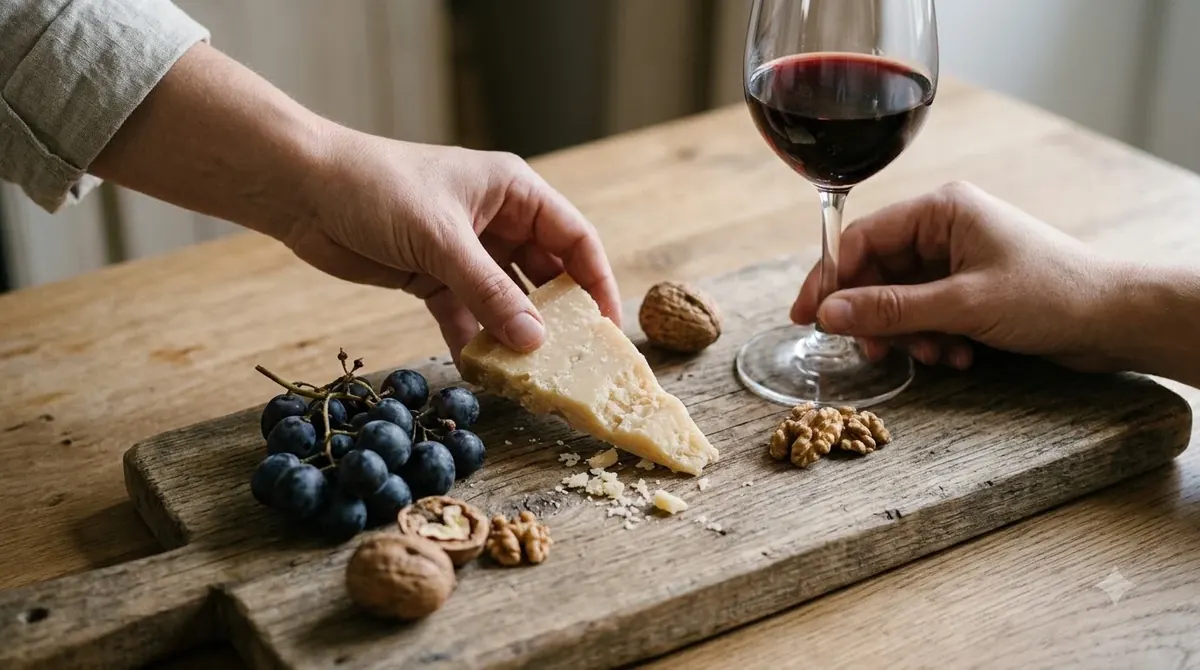
California appellations such as Sonoma Coast, Russian River Valley, and Santa Barbara County are often the safest bets for chocolate pairings. Generous sunshine yields plush flavors of black cherry, raspberry jam, and cola, often framed by sweet vanilla and clove notes from oak aging. That perception of ripe fruit sweetness keeps the wine from tasting sharp next to milk chocolate or caramel-accented truffles.
Oregon’s Willamette Valley offers a middle ground that shines alongside nutty or berry-driven confections. While cooler than California, the valley produces wines with bright red-currant acidity balanced by subtle earthiness and silky texture. Reviewers at Wine Enthusiast point out that matching the structural weight of the wine and chocolate is essential, and Willamette Valley bottles hit that medium-weight sweet spot for hazelnut pralines and chocolate-dipped fruit.
By contrast, classic red Burgundy from France tends to be leaner, more savory, and higher in bracing acidity. While an aged Burgundy can be mesmerizing alongside roasted duck or wild mushrooms, its earthy, tart profile can feel austere next to sweet confections unless paired with a lightly sweetened, nut-forward chocolate bark. Exploring broader wine styles by type can also help you decide when to reach for a late-harvest Pinot Noir or a fortified red if your dessert leans heavily into dark cocoa.
Serving Tips for Pinot Noir and Chocolate
Serving temperature, glassware, and tasting order directly influence whether a chocolate pairing tastes harmonious or disjointed. A few small adjustments before you pour will protect the wine’s delicate aromatics and keep the chocolate’s texture smooth.
Serve your Pinot Noir slightly cool, around 55 to 60 degrees Fahrenheit, rather than at warm room temperature. If the wine is too warm, its alcohol becomes prominent and can clash with the sugar in the chocolate, creating a hot sensation on the finish. Twenty minutes in the refrigerator before serving brings out crisp red fruit and keeps the structure focused.
Use a large, bowl-shaped Burgundy glass so the wine’s subtle aromas of rose petal, cherry, and baking spice can open up above the rich scent of cocoa. Allow the chocolate to soften on your tongue for a few seconds before taking a sip so the cocoa butter melts and coats your palate. If you have been saving a special bottle in your cellar for an anniversary or holiday dessert, check how long Pinot Noir lasts unopened to ensure the wine still retains the vibrant fruit character needed to stand up to sweets.
Tip: Let chocolate melt halfway on your tongue before sipping Pinot Noir so the cocoa butter coats your palate and softens the wine’s natural acidity.
Dietary details occasionally come up when planning a dessert spread for guests, especially when pairing wine with artisanal confections. If you are hosting friends with dietary restrictions, you can confirm whether Pinot Noir is gluten-free—pure fermented grape wine is naturally free of gluten, though you should always check chocolate labels for cross-contamination or malt flavorings.
Frequently Asked Questions
Can you pair dry Pinot Noir with dark chocolate?
Dry Pinot Noir generally struggles with dark chocolate above 70 percent cacao because the bitter polyphenols in both amplify each other, making the wine taste thin and astringent. If you want to serve Pinot Noir with dark chocolate, stick to semi-sweet styles around 55 to 65 percent cacao served inside a creamy mousse or buttery pastry, or look for a sweeter late-harvest Pinot Noir.
Why is white chocolate so good with Pinot Noir?
White chocolate contains cocoa butter, milk solids, and sugar rather than bitter cacao solids, which eliminates the tannin clash that ruins most dry red wine pairings. Its rich, creamy texture coats the palate and lets Pinot Noir’s bright strawberry and cherry flavors shine like fresh berries with cream.
Which region of Pinot Noir pairs best with chocolate?
Riper, fruit-forward styles from California regions like Sonoma County, Russian River Valley, and Santa Barbara County pair most reliably with chocolate. Their plush dark-cherry fruit and subtle vanilla oak notes prevent the wine from tasting overly acidic alongside sweet milk chocolate or ganache.
What temperature should Pinot Noir be served at with dessert?
Serve Pinot Noir slightly chilled at 55 to 60 degrees Fahrenheit when pairing it with chocolate. Keeping the bottle cool emphasizes refreshing red-berry acidity and prevents the alcohol from feeling heavy or hot against sweet confections.
Successful pairings come down to balancing texture and sweetness rather than forcing two bold flavors together. Keep your cacao percentages moderate, lean toward creamy or fruit-accented confections, and choose a plush, fruit-forward bottle to bring out the best in both glass and plate.
More in Wine Types & Grapes
 What Does Mourvèdre Taste Like? Flavor Profile, Regions, and PairingsUpdated Nov 20, 2026
 What Does Marsanne Taste Like? Flavors, Styles, and Food PairingsUpdated Nov 20, 2026
 What Does Malvasia Taste Like? Styles, Flavors, and Food PairingsUpdated Nov 20, 2026
 What Does Grenache Blanc Taste Like? Flavor Profile, Styles, and PairingsUpdated Nov 20, 2026
 What Does Garnacha Taste Like? Key Flavors, Styles, and Pairing TipsUpdated Nov 20, 2026
 What Does Fruit Wine Taste Like? A Complete Flavor and Style BreakdownUpdated Nov 20, 2026