

We may earn a commission when you buy through links on this page, at no extra cost to you. Learn more.
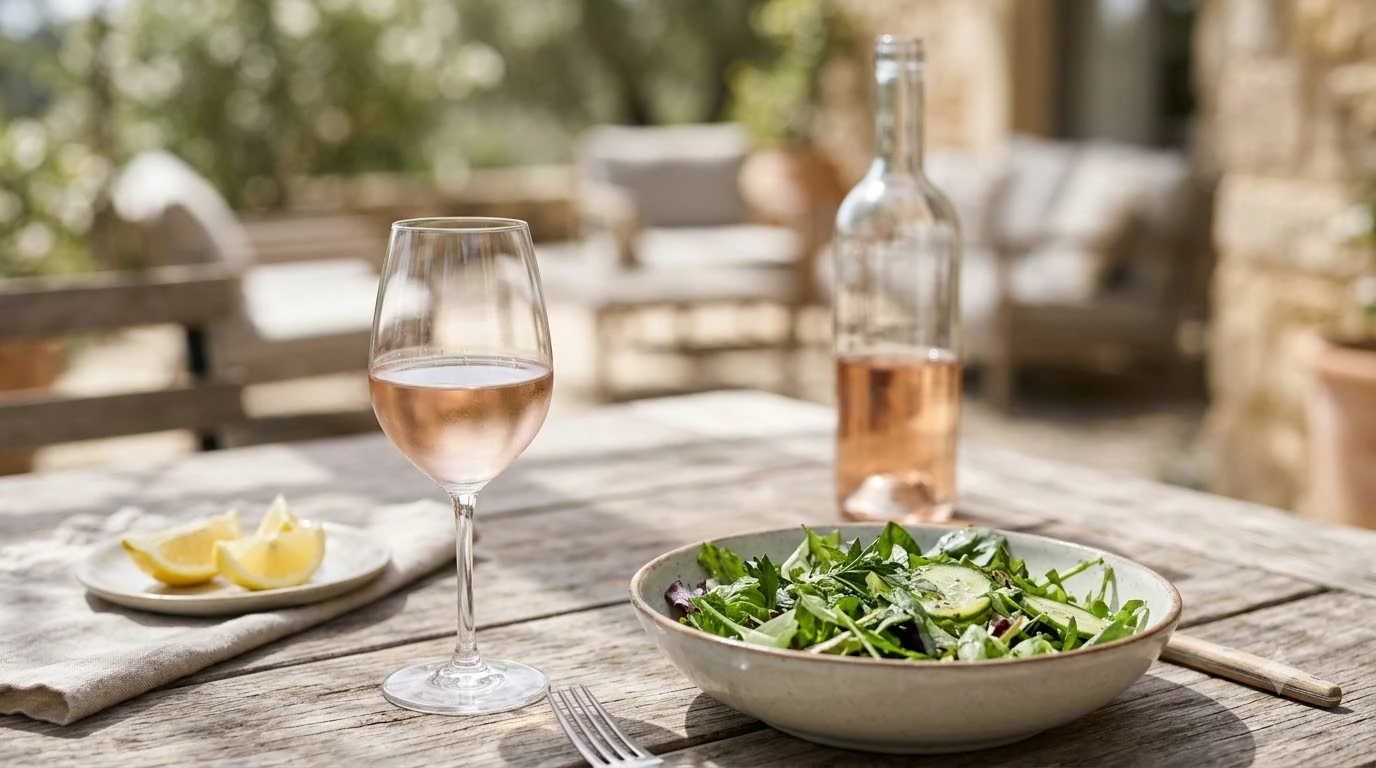
The ideal pinot noir rose serving temperature is 45°F to 55°F (7°C to 13°C), with lighter, crisp bottles shining near the cooler end and richer, oak-aged styles tasting best toward the warmer end. Serving at this chilled range keeps the grape’s signature red-berry acidity lively without numbing its delicate floral and stone-fruit aromatics. Standard kitchen refrigerators typically run colder than this sweet spot, so pulling a bottle out 15 to 20 minutes before pouring allows the full flavor profile to open up in the glass.
Pinot Noir Rosé occupies an enviable middle ground in the wine world, combining the crisp refreshment of a white wine with the subtle berry depth and savory texture of a light red. Because Pinot Noir grapes carry thinner skins and naturally higher acidity than heavier blending varieties like Syrah or Cabernet Sauvignon, small shifts in bottle temperature dramatically change what you smell and taste. Getting the chill right ensures you experience the wine’s intended balance rather than a muted, overly tart pour or a flat, alcohol-heavy glass.
What Is the Exact Pinot Noir Rosé Serving Temperature?
Most still Pinot Noir Rosé wines taste best between 45°F and 55°F (7°C to 13°C), while sparkling versions benefit from a slightly colder chill of 40°F to 48°F (4°C to 9°C). Adjusting within that ten-degree window lets you tailor the pour to the specific winemaking style in your bottle.
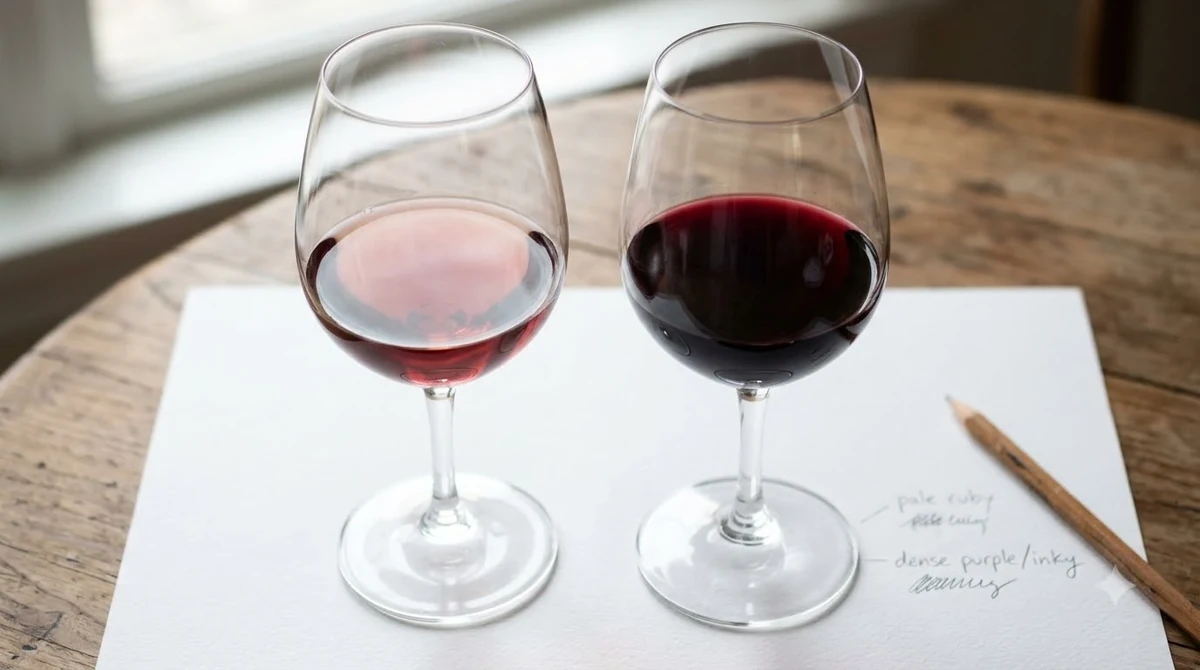
According to the serving guides at Wine Folly, rosé and full-bodied white wines sit squarely in the “fridge cold” tier of 44°F to 55°F (7°C to 12°C). Within that bracket, pale, stainless-steel fermented Pinot Noir Rosés from cool coastal regions—such as the Willamette Valley, Sonoma Coast, or Loire Valley—perform best between 45°F and 48°F. At this crisp threshold, zesty notes of wild strawberry, Meyer lemon, and watermelon stay taut and refreshing.
Fuller-bodied expressions require a gentler chill closer to 50°F to 55°F. Winemakers who use extended skin contact, lees aging, or neutral oak barrels create pink wines with broader midpalate weight and savory red-cherry complexity. Serving these structured bottles too cold masks their textural richness and earthy undertones, whereas pouring them a few degrees warmer lets those nuanced aromatics rise naturally from the bowl of the glass. Whether your bottle leans crisp or rich, knowing whether Pinot Noir Rosé is sweet or dry helps you fine-tune that target temperature even further, since off-dry bottles need the colder end of the range to keep residual sugar from feeling cloying.
Why Temperature Changes How Pinot Noir Rosé Tastes
Temperature directly governs how volatile aroma compounds evaporate from the liquid and how your taste buds perceive acidity, sweetness, and alcohol. A difference of just eight to ten degrees can make the exact same bottle feel thin and sour or lush and balanced.
When a wine is served too cold—such as straight from a standard kitchen refrigerator set around 37°F to 40°F—aroma molecules remain trapped in the liquid. Instead of smelling fresh raspberry, white peach, and rose petal, you mostly notice sharp acidity and faint citrus peel. Cold temperatures also amplify any slight phenolic grip from grape skins, which can give a dry Pinot Noir Rosé an unexpectedly astringent finish.
Conversely, letting the bottle warm past 60°F causes alcohol vapors to volatilize faster than delicate fruit esters. Reviewers at VinePair note that letting rosé sit out too long in warm weather dulls its crisp structural snap and makes the finish feel heavy or flabby. Because wine warms up by roughly three to four degrees inside the glass within the first ten minutes of pouring, starting at the lower end of your target range gives you a longer window of optimal drinking before the glass loses its edge.
Pinot Noir Rosé Serving Temperature by Style and Method
Not every bottle labeled Pinot Noir Rosé shares the same weight, color, or winemaking pedigree. Matching your chilling routine to the production method ensures each style shows its defining characteristics.
| Pinot Noir Rosé Style | Ideal Temperature (°F) | Ideal Temperature (°C) | Best Chilling Routine |
|---|---|---|---|
| Sparkling Pinot Noir Rosé (Brut / Crémant) | 40°F – 45°F | 4°C – 7°C | 3+ hours in fridge; serve straight from chiller |
| Pale, Crisp Direct-Press Rosé | 45°F – 48°F | 7°C – 9°C | Chill in fridge, rest 10–15 min on counter |
| Saignée or Deeper-Hued Rosé | 48°F – 52°F | 9°C – 11°C | Chill in fridge, rest 15–20 min on counter |
| Oak-Aged or Lees-Textured Rosé | 52°F – 55°F | 11°C – 13°C | 2 hours in fridge or 20 min before pouring |
| Off-Dry / Fruity Pinot Noir Rosé | 45°F – 48°F | 7°C – 9°C | Keep chilled in ice bucket between pours |
Direct-press rosés—made by gently pressing whole clusters of Pinot Noir so the juice picks up only a pale salmon tint—behave much like crisp white wines. In fact, their target window overlaps closely with the Pinot Gris serving temperature, making it easy to chill both styles side by side for warm-weather gatherings. Keep these light, zesty bottles closer to 45°F so their mouthwatering acidity remains front and center.
Saignée (“bled”) rosés and barrel-fermented examples sit on the opposite side of the spectrum. Because saignée juice is drawn off from tanks intended for red Pinot Noir production, it carries deeper color, extra concentration, and more pronounced red-plum and spice notes. Giving these bottles an extra ten minutes out of the refrigerator brings them closer to 52°F, unlocking a fuller texture that stands up effortlessly to roasted poultry, salmon, and charcuterie.
How to Chill Pinot Noir Rosé Quickly and Safely
Reaching the right serving temperature takes roughly two to three hours in a standard refrigerator, or just 20 minutes using an ice-and-water bath. Choosing the right cooling method prevents over-chilling and protects the bottle from thermal shock.
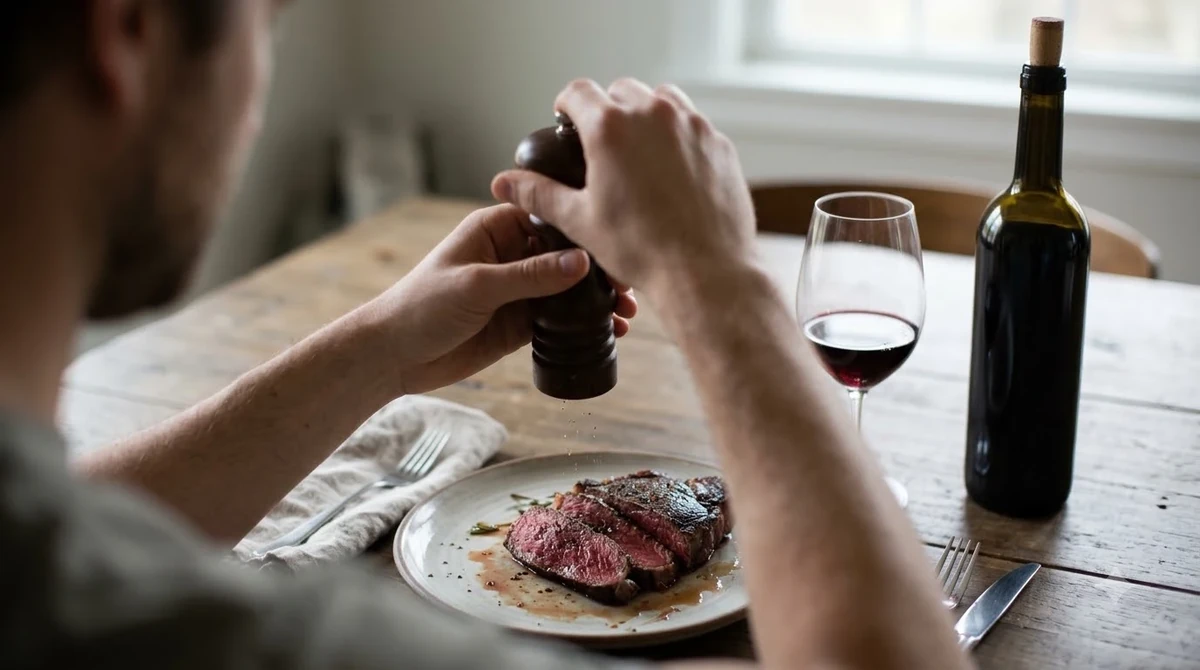
If you are starting with a bottle stored at a typical 70°F room temperature, placing it on the middle shelf of your refrigerator for two to three hours brings it right into the 45°F to 50°F zone. Avoid storing wine in the refrigerator door, where frequent opening causes temperature swings, or leaving it in the back corner overnight where temperatures can dip near freezing. If the bottle has been refrigerated all day, simply set it on the kitchen counter for 15 to 20 minutes before pulling the cork.
When guests arrive unexpectedly and you need a fast chill, skip the dry ice bucket and make a 50/50 slurry of ice cubes and cold tap water. Liquid water conducts heat away from glass far faster than air or solid ice alone because it makes complete contact with the bottle’s surface. Submerging the bottle up to its neck in an ice-water bath drops the temperature from room temperature to roughly 48°F in 20 minutes; adding a handful of kosher salt speeds the process down to about 15 minutes.
Tip: If you use a kitchen freezer for an emergency 15-minute chill, set a loud phone timer immediately—forgetting a bottle in the freezer can push out the cork or crack the glass as the liquid expands.
Glassware and Table Habits That Preserve the Chill
Even a perfectly chilled bottle will lose its crispness within minutes if poured into the wrong glass or left sitting in direct sunlight. A few simple table habits keep every pour fresh from the first glass to the last.
Choose a medium-sized, tulip-shaped white wine or universal tasting glass rather than an oversized, wide-bowled red Pinot Noir balloon. While a massive bowl works wonders for aerating red wine at 58°F, it exposes too much surface area to warm ambient air when pouring rosé, causing the wine to warm past its sweet spot before you finish the glass. Always hold the glass by its stem or base rather than cupping the bowl, as hand heat transfers directly through thin crystal.
During outdoor lunches or summer dinners, keep the open bottle shaded in an insulated wine sleeve or a small bucket filled with water and a modest amount of ice. Overloading a table bucket with pure ice can drive the bottle back down toward 35°F between pours, forcing you to wait for each refill to warm up again in your glass. Pour smaller three- to four-ounce servings more frequently so the wine stays lively in the glass while the rest of the bottle holds steady at cellar-cool perfection.
Pairing Temperature With Food and Occasions
What you serve alongside your bottle—and where you drink it—should nudge your serving temperature slightly up or down within the 45°F to 55°F window. Food weight, fat, and spice all interact differently with a wine’s temperature.
For poolside sipping, backyard appetizers, or bright salads dressed with citrus vinaigrette, aim for the brisk 45°F to 48°F end of the scale. The sharper chill highlights the wine’s natural acidity, acting as a palate cleanser between bites of goat cheese, ceviche, or fresh berries. On a hot afternoon when outdoor temperatures climb above 80°F, pouring slightly colder also gives the wine a welcome buffer against rapid warming.
When moving to the dinner table for richer dishes, let the bottle climb toward 50°F to 55°F. Warmer rosé softens its acidic bite and brings forward creamy, savory fruit flavors that complement grilled salmon, herb-roasted chicken, pork tenderloin, and mushroom risotto. Exploring different Pinot Noir Rosé food pairing combinations becomes much easier once you treat temperature as a seasoning knob, dialing it down for crispness and up for texture across the broader spectrum of Wine by Type.
Frequently Asked Questions
Should Pinot Noir Rosé be served chilled or at room temperature?
Pinot Noir Rosé should always be served chilled, ideally between 45°F and 55°F (7°C to 13°C), rather than at modern room temperature. Standard indoor rooms sit around 68°F to 72°F, which makes rosé taste flat, heavy, and overly alcoholic. Even fuller-bodied, barrel-aged styles benefit from at least an hour or two in the refrigerator before pouring.
How long should I put Pinot Noir Rosé in the fridge before serving?
A room-temperature bottle needs about two to three hours in a standard refrigerator to reach the 45°F to 50°F range. If you keep your rosé stored in the fridge full-time, take it out 15 to 20 minutes before serving so it can warm up slightly from the fridge’s 37°F to 40°F setting. That brief counter rest unlocks the wine’s delicate strawberry, citrus, and floral aromatics.
What happens if Pinot Noir Rosé is served too cold?
Serving Pinot Noir Rosé below 42°F suppresses its volatile aroma compounds, muting the fresh red-berry, peach, and floral notes that make the grape distinctive. Instead of a layered, fragrant pour, an overly cold bottle tastes mostly of sharp acidity and faint lemon. Letting the glass sit in front of you for five to ten minutes will naturally bring those hidden flavors back into focus.
Can you put ice cubes in Pinot Noir Rosé to cool it down?
Dropping regular ice cubes directly into your glass will chill the wine quickly, but melting water dilutes the delicate fruit flavors and flattens the finish. Instead, chill the bottle in an ice-and-water bath for 20 minutes, or use frozen grapes or stainless-steel chilling stones if you need to cool an individual glass without watering it down.
Dialing in the right serving temperature transforms Pinot Noir Rosé from a simple cold drink into an expressive, food-friendly wine. Keep your crisp bottles near 45°F, give richer styles a little extra breathing room toward 55°F, and let the glass warm gently as you sip.
More in Wine Types & Grapes
 What Does Mourvèdre Taste Like? Flavor Profile, Regions, and PairingsUpdated Nov 20, 2026
 What Does Marsanne Taste Like? Flavors, Styles, and Food PairingsUpdated Nov 20, 2026
 What Does Malvasia Taste Like? Styles, Flavors, and Food PairingsUpdated Nov 20, 2026
 What Does Grenache Blanc Taste Like? Flavor Profile, Styles, and PairingsUpdated Nov 20, 2026
 What Does Garnacha Taste Like? Key Flavors, Styles, and Pairing TipsUpdated Nov 20, 2026
 What Does Fruit Wine Taste Like? A Complete Flavor and Style BreakdownUpdated Nov 20, 2026