

We may earn a commission when you buy through links on this page, at no extra cost to you. Learn more.
Pinot noir aging potential ranges from 2 to 5 years for everyday regional bottles and 10 to 20 years or more for top-tier, cool-climate examples from Burgundy, Oregon, and coastal California. Unlike thick-skinned reds that rely on heavy tannins to preserve the wine, Pinot Noir relies primarily on vibrant natural acidity and balanced alcohol (typically 12% to 14% ABV) to evolve gracefully. As it matures, bright red fruit flavors transform into complex tertiary notes of forest floor, dried mushrooms, leather, and savory spice.
Because Pinot Noir is approachable in its youth, many wine drinkers assume it cannot spend time in a cellar. In reality, its thin skins and silky texture hide remarkable staying power when grown in cool climates and vinified with structure in mind, making it one of the most rewarding red wine styles to collect and track over a decade or two.
What Determines Pinot Noir Aging Potential
A Pinot Noir’s longevity depends on the balance of its natural acidity, fine tannins, moderate alcohol, and careful cellar handling rather than sheer concentration. When these structural elements align, the wine resists oxidation and develops layered complexity over many years.
Wine educators at Wine Folly highlight four core traits that govern whether any bottle will improve in the cellar: acidity, tannin, alcohol level, and overall balance. Because Pinot Noir grapes have notoriously thin skins, they produce significantly lower tannin levels than Cabernet Sauvignon or Nebbiolo. Consequently, crisp natural acidity acts as the primary preservative, keeping the wine fresh and lifted while the fruit slowly softens.
Alcohol and winemaking choices also play decisive roles in how long a bottle holds up. Cool-climate Pinot Noirs generally finish between 12% and 14% ABV, a moderate range that slows down chemical oxidation compared to high-alcohol, overripe wines. Winemakers can further extend aging capacity through French oak barrel aging—which imparts subtle wood tannins—and whole-cluster fermentation, where grape stems contribute structural grip and aromatic freshness over time.
Finally, fruit intensity must match that structural backbone from the start. If a young wine has high acidity and firm stem tannins but hollow fruit, it will dry out before it ever turns complex. Conversely, a lush, fruit-forward bottle lacking bright acidity will taste flat and tired within a few years of harvest.
Aging Timelines by Style and Region
Not every bottle of Pinot Noir belongs in a long-term cellar, as aging windows vary dramatically based on vineyard climate, classification tier, and winemaking style. Everyday bottlings peak within a few years of release, while Grand Cru Burgundy and single-vineyard New World selections can evolve for two decades.
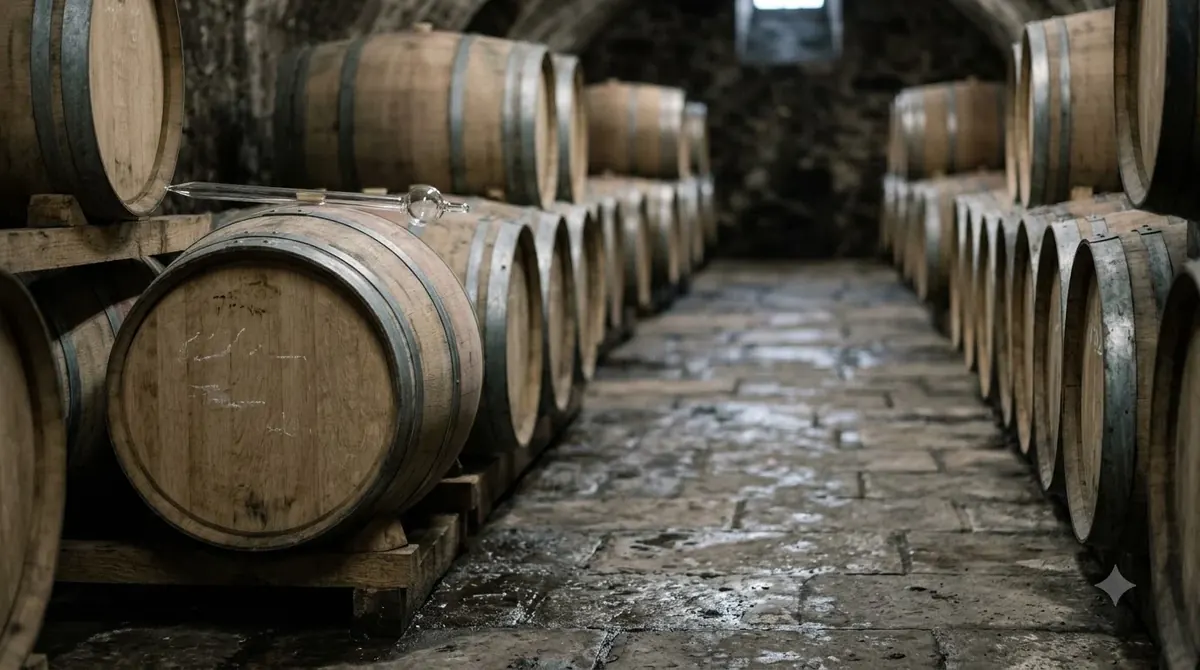
According to Wine Folly’s guide to Pinot Noir, most quality bottles evolve gracefully over 5 to 10 years, while top-tier versions continue to mature for up to 20 years. Entry-level regional wines—such as basic Bourgogne Rouge or everyday California Central Coast bottlings—are crafted for immediate charm, showing juicy cherry and raspberry notes best enjoyed within 2 to 5 years of the vintage date.
Stepping up to village-level Burgundy, Oregon’s Willamette Valley, or cool California coastal sites like the Sonoma Coast and Anderson Valley extends the drinking window to 7 to 12 years. Cool growing seasons allow grapes to ripen slowly without losing their tart acid spine, giving these mid-tier and single-vineyard wines the stamina to shed primary sweetness and develop savory depth.
At the top of the pyramid sit Burgundy Premier Cru and Grand Cru bottlings alongside benchmark single-vineyard selections from Oregon and California. Built with concentrated fruit, structured oak, and brisk acidity, these cellar-worthy wines often feel tight and restrained upon release, hitting their stride around year 8 and holding steady for 15 to 20 years or longer.
| Pinot Noir Tier or Style | Typical Aging Window | Primary Evolution Profile |
|---|---|---|
| Everyday Regional (Bourgogne, Basic Domestic) | 2 to 5 years | Fresh red cherry, strawberry, soft floral lift |
| Village Burgundy & Cool-Climate New World | 5 to 10 years | Dried cranberry, baking spice, subtle damp earth |
| Single-Vineyard Oregon & Sonoma Coast | 8 to 15 years | Pomegranate, forest floor, dried herbs, cocoa |
| Burgundy Premier Cru & Grand Cru | 10 to 20+ years | Truffle, mushroom, leather, dried rose petal, tea leaf |
How Pinot Noir Changes in the Bottle
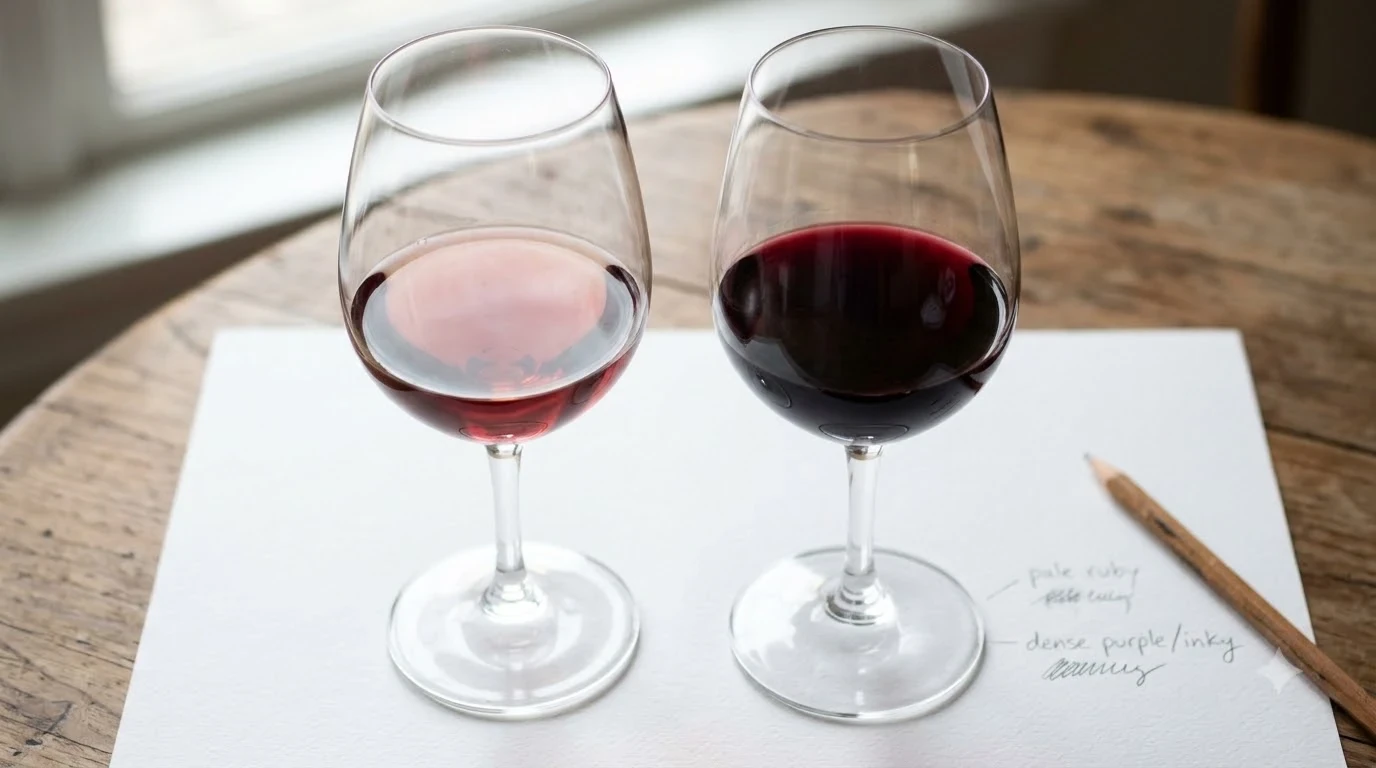
As Pinot Noir ages, its vibrant ruby color fades toward garnet and brick-orange at the rim while its primary berry flavors give way to earthy, savory aromas. This slow transformation happens through microscopic oxygen exposure through the cork and gradual polymerization of phenols and acids.
In its youth—roughly years 1 through 4—Pinot Noir is defined by primary fruit and floral notes. Depending on the region, you will taste bright cranberry, red cherry, wild strawberry, or dark plum alongside hints of violet, rose petal, and sweet vanilla or clove from French oak barrels. At this stage, the wine feels lively, juicy, and light- to medium-bodied on the palate.
Between years 5 and 10, secondary and tertiary characteristics begin to weave into the fruit. The sharp edges of youthful acidity round out into a smooth, velvety texture, and fine sediment may start collecting at the bottom of the bottle. Flavors shift from fresh berries to dried cherries, stewed plum, dried orange peel, and black tea.
Past the 10-year mark, mature Pinot Noir enters its tertiary phase, prized by collectors for its unmistakable aromatic complexity. Fresh fruit recedes into the background, replaced by evocative scents of damp forest floor, wild mushrooms, truffle, worn leather, and autumn leaves. While the wine becomes far more delicate on the palate, its lingering finish can remain remarkably vibrant.
Proper Cellar Storage Conditions
Even the most age-worthy Pinot Noir will spoil prematurely if kept in warm, bright, or fluctuating environments. Stable temperature, darkness, humidity, and horizontal bottle positioning are essential to protect the wine’s delicate aromatics over several years.
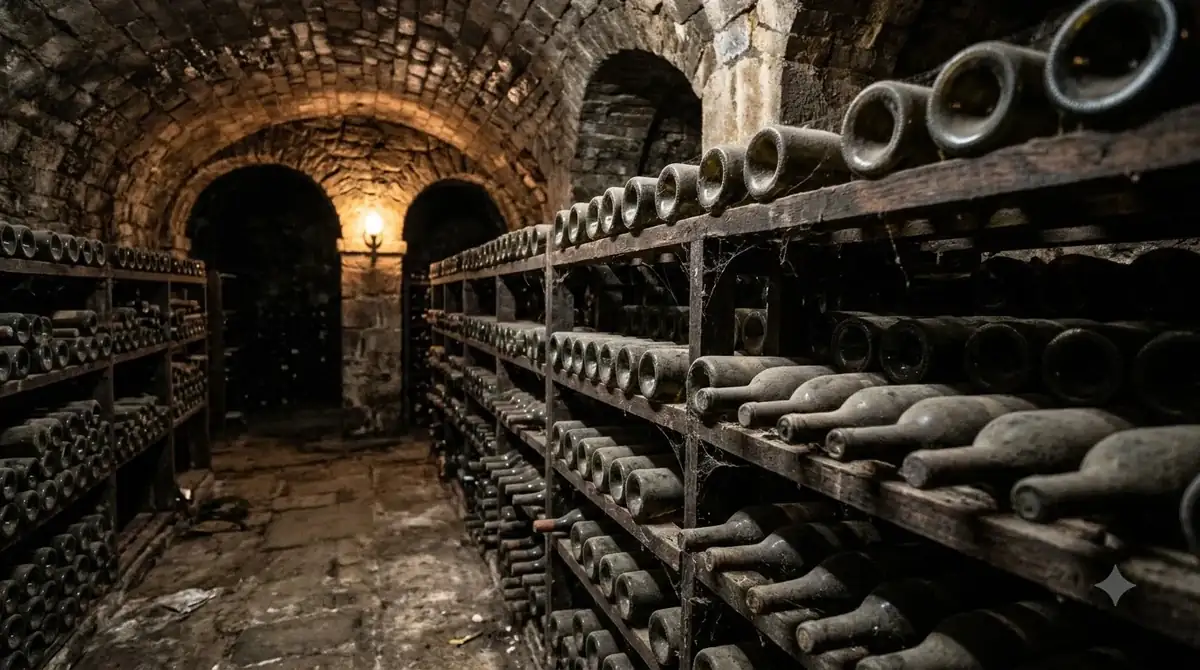
Temperature control is the single most critical factor for long-term aging, with experts recommending a steady range between 50°F and 59°F (ideally right around 55°F). Heat accelerates chemical reactions inside the bottle, cooking the fruit and causing premature oxidation, while sudden temperature swings expand and contract the wine, pushing air past the cork. Improper storage conditions can shorten a wine’s expected lifespan by up to 75%.
Humidity and light also require careful management. A relative humidity around 60% to 70% keeps natural corks supple and tightly sealed against the glass neck; overly dry air shrinks the cork and lets oxygen seep in, whereas excessive dampness can damage paper labels. Storing bottles on their sides keeps the liquid in constant contact with the cork, preventing it from drying out.
Finally, keep aging bottles away from direct sunlight, fluorescent bulbs, and constant vibration from appliances or heavy foot traffic. UV rays degrade phenolic compounds and create unpleasant cooked aromas, while continuous vibration disturbs sediment and disrupts the slow chemical harmony taking place inside the glass. For more details on shelf life before pulling the cork, review our guide on how long Pinot Noir lasts unopened.
Tip: If you do not own a dedicated wine fridge, store age-worthy bottles in the coolest, darkest interior closet or basement corner of your home rather than a kitchen rack near the stove.
How to Serve and Decant Aged Pinot Noir
Serving older Pinot Noir requires a gentle touch, cool cellar temperatures, and minimal air exposure so you do not blow off its fragile tertiary aromas. Treating a 12-year-old bottle like a young, tannic Cabernet Sauvignon can strip away its nuance in minutes.
Start by standing an aged bottle upright for 12 to 24 hours before dinner so fine sediment settles cleanly to the base. Because old natural corks can become dry and brittle over a decade, use a two-prong Ah-So wine opener or extract a standard corkscrew slowly to avoid crumbling cork fragments into the neck.
Unlike young Pinot Noir—which often benefits from 20 to 30 minutes in a carafe to open up—bottles over 10 to 15 years old need very little aeration. Sommeliers generally advise against aggressive decanting for mature Pinot Noir; instead, pour slowly off the sediment directly into large, bowl-shaped Burgundy glasses and let the wine evolve naturally as you sip. If sediment is heavy, decant gently right before serving and enjoy within an hour before the delicate aromas fade.
Serving temperature also shapes how older bottles perform in the glass. Aim for a cool cellar temperature between 55°F and 60°F—around 15 to 20 minutes in the refrigerator if the bottle was kept at room temperature. Serving Pinot Noir too warm accentuates alcohol and flattens its subtle earthy bouquet, whereas a slight chill keeps the acidity crisp and focused.
Frequently Asked Questions
Can all Pinot Noir wines be aged for 10 years or more?
No, most entry-level Pinot Noirs are crafted for early drinking and will lose their fresh fruit within 2 to 5 years. Only well-structured bottles from cool climates—such as Burgundy, Oregon’s Willamette Valley, and coastal California—possess the high acidity, concentrated fruit, and balance needed to improve over a decade or longer.
How can you tell if a Pinot Noir has aged past its prime?
An over-the-hill Pinot Noir typically looks brownish-amber rather than ruby or garnet and smells flat, vinegary, or reminiscent of wet cardboard and stewed prunes. On the palate, the vibrant red fruit disappears completely, leaving behind sharp, hollow acidity or dry, astringent tannins.
Does Pinot Noir with a screw cap age well?
Yes, high-quality Pinot Noir sealed under a screw cap—common in New Zealand, Australia, and parts of Oregon—can age gracefully for 5 to 10 years or more. Modern screw-cap liners allow tiny, controlled amounts of oxygen transfer while eliminating the risk of cork taint and premature oxidation.
Should you decant a 10-year-old Pinot Noir?
You should only decant a 10-year-old Pinot Noir briefly to separate the clear wine from bottle sediment, rather than to aerate it. Pour the wine gently into a decanter right before serving, or simply pour straight from an upright bottle into a wide-bowled glass so its fragile tertiary aromas do not fade too quickly.
Understanding Pinot Noir aging potential comes down to matching the bottle’s structure to your timeline—opening vibrant regional wines in their youth while tucking away cool-climate, single-vineyard selections for a decade of patient evolution. Whether you enjoy a bottle at three years or fifteen, proper storage and gentle service ensure every glass delivers the grape’s signature elegance.
More in Wine Types & Grapes
 What Does Mourvèdre Taste Like? Flavor Profile, Regions, and PairingsUpdated Nov 20, 2026
 What Does Marsanne Taste Like? Flavors, Styles, and Food PairingsUpdated Nov 20, 2026
 What Does Malvasia Taste Like? Styles, Flavors, and Food PairingsUpdated Nov 20, 2026
 What Does Grenache Blanc Taste Like? Flavor Profile, Styles, and PairingsUpdated Nov 20, 2026
 What Does Garnacha Taste Like? Key Flavors, Styles, and Pairing TipsUpdated Nov 20, 2026
 What Does Fruit Wine Taste Like? A Complete Flavor and Style BreakdownUpdated Nov 20, 2026