

We may earn a commission when you buy through links on this page, at no extra cost to you. Learn more.
Pinot Grigio history begins in the Burgundy region of France during the Middle Ages, where the grape emerged as a natural color mutation of Pinot Noir originally known as Pinot Gris. Spread across Central Europe by Emperor Charles IV in 1375 and planted in Northern Italy by the nineteenth century, the grape was reinvented in 1961 when Italian winemaker Santa Margherita vinified its pinkish-gray skins without skin contact to create the crisp, pale white style that dominates wine lists today.
Most wine drinkers know Pinot Grigio as a bright, easy-drinking white wine poured cold on warm afternoons, yet its genetic background and historical path are far more layered than its casual reputation suggests. Across seven centuries, this single grape variety shifted from medieval French monasteries to Central European royal vineyards, traditional copper-hued Italian cellar styles, and modern alpine wineries.
What Pinot Grigio Is and Where It Began
Pinot Grigio and Pinot Gris are the exact same grape variety, separated by regional naming traditions and distinct winemaking choices rather than botanical genetics. Originating as a spontaneous bud mutation of red-skinned Pinot Noir in medieval Burgundy, the vine produces small clusters whose berries range from dusty gray-blue to pinkish copper.
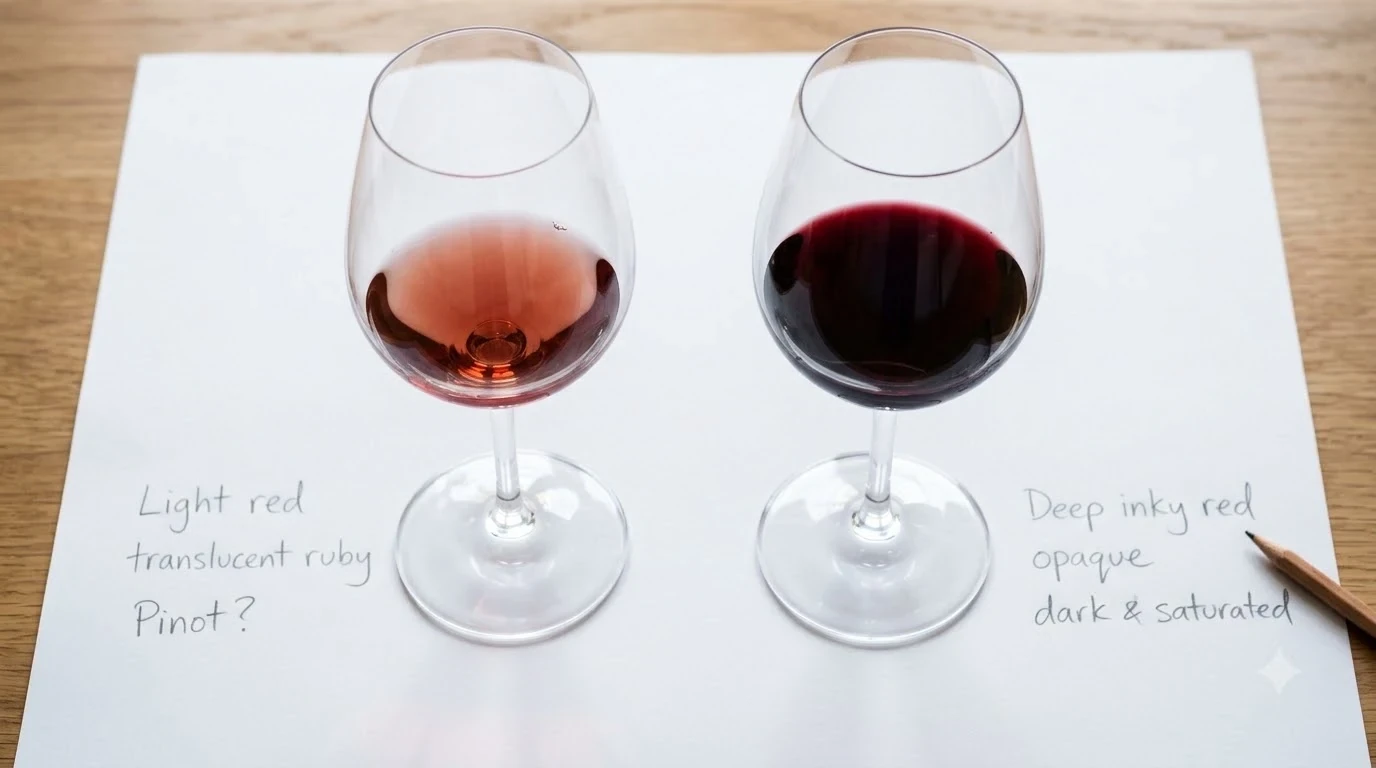
Because the grape carries a natural mutation of Pinot Noir, as Wine Folly notes, its skins contain anthocyanin pigments that give ripe bunches a dusty, muted tint rather than the bright green-yellow of Chardonnay or Sauvignon Blanc. Medieval French growers named the vine Pinot Gris, literally translating to “gray pine,” referencing both the smoky color of the berries and the tight, pinecone-like shape of the grape clusters. Even today, the two grapes share nearly identical genetic material, which explains why rich expressions of Pinot Gris often display subtle spice and structure reminiscent of light red wines.
In Burgundy, the grape occasionally grew alongside Pinot Noir in field blends, sometimes called Fromenteau, where it added body and texture to early red wines. However, as Burgundy gradually specialized in pure Pinot Noir and Chardonnay, Pinot Gris migrated eastward toward regions where its cold-hardy nature and early ripening cycle offered distinct agricultural advantages. That eastward migration laid the groundwork for the grape’s adoption across Germanic and Italian territories, setting the stage for two dramatically different stylistic identities.
Medieval Expansion Across Europe
The documented spread of Pinot Grigio beyond France accelerated in the late fourteenth century under imperial patronage and monastic viticulture. By 1375, Holy Roman Emperor Charles IV had imported Pinot Gris cuttings from Burgundy into his domains in Central Europe, encouraging plantings across parts of modern-day Germany, Austria, and Hungary.
Cistercian monks played a central role in this early distribution, carrying cuttings along established monastic trade routes and planting them in river valleys and terraced hillsides. In Hungary, legend credits Cistercian monks with planting the vines near Lake Balaton in the late fourteenth century, where the grape became known as Szürkebarát, meaning “gray monk,” in honor of the robes worn by the order. Meanwhile, in Germany, a merchant named Johann Seger Ruland rediscovered abandoned vines in the Palatinate region during the early eighteenth century, leading Germans to call the grape Ruländer for sweeter styles and Grauburgunder for dry expressions.
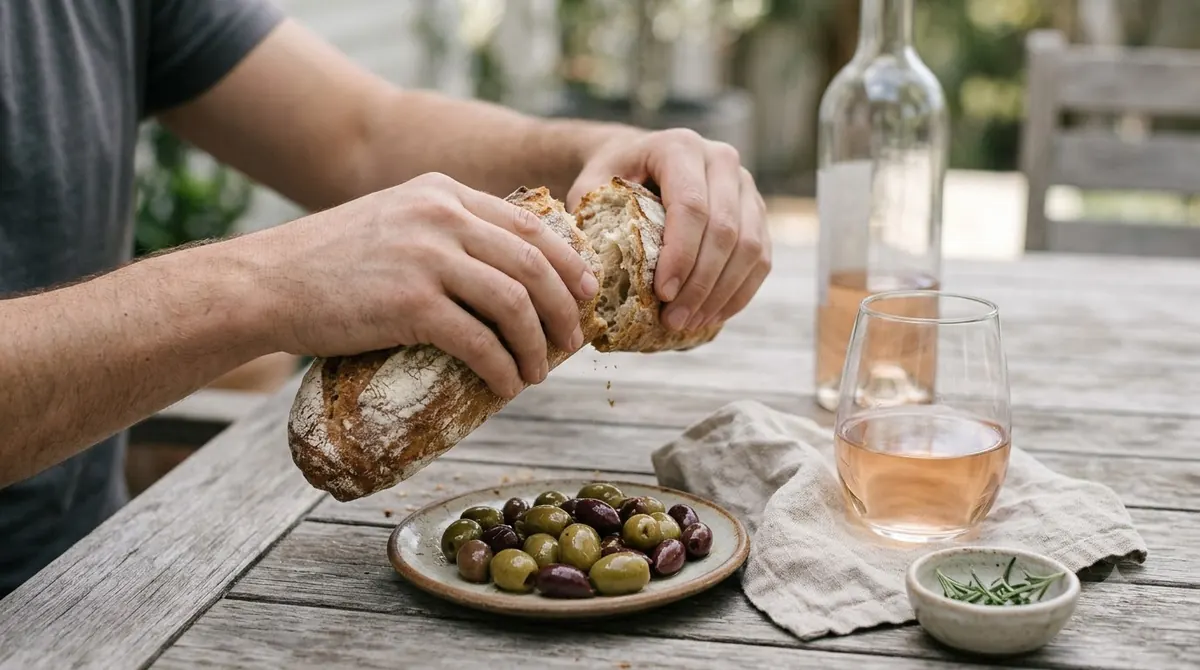
By the nineteenth century, the grape had crossed the Alps into Northeastern Italy, taking root in the cool valleys of Trentino-Alto Adige, Friuli-Venezia Giulia, and the Veneto. Italian growers translated its French name directly into Pinot Grigio. For decades, Italian winemakers treated the grape much like a light red or amber wine, fermenting the juice alongside its tinted skins to extract color, phenolic grip, and rustic texture suited to local peasant cuisine.
The 1961 Italian Winemaking Revolution
The modern, crystal-clear white wine most Americans associate with Pinot Grigio did not exist until the early 1960s, when an Italian winery upended centuries of cellar tradition. In 1960, Count Gaetano Marzotto and his winemaking team at Santa Margherita in Northeastern Italy harvested Pinot Grigio from the alpine Valdadige area and pressed the grapes immediately, separating the juice from the pinkish skins before fermentation began.
Released commercially in 1961, Santa Margherita’s pale, dry white wine proved that Pinot Grigio could produce a crisp, citrus-driven white rather than a coppery, slightly tannic wine. Eliminating skin contact stripped away the rustic bitterness and copper-tinted Pinot Grigio color that had previously kept the grape confined to regional Italian tables. Instead, the resulting wine showcased bright green apple, lemon zest, and clean alpine acidity.
When Santa Margherita entered the United States market in large volumes in 1979, American diners quickly embraced the refreshing profile as an accessible alternative to heavily oaked California Chardonnay. Throughout the 1980s and 1990s, dozens of producers across the Veneto and neighboring regions adopted cold stainless-steel fermentation without skin contact, transforming Pinot Grigio into Italy’s most widely exported white wine and a permanent fixture on restaurant lists nationwide.
Ramato and the Revival of Skin-Contact Heritage
Before white vinification took over in the 1960s, Northeastern Italy’s signature expression of the grape was ramato, a historic copper-hued wine made by macerating Pinot Grigio juice on its tinted skins. Derived from the Italian word rame, meaning copper, traditional Friulian ramato predates the modern natural orange wine movement by centuries, dating back to the era of the Republic of Venice.
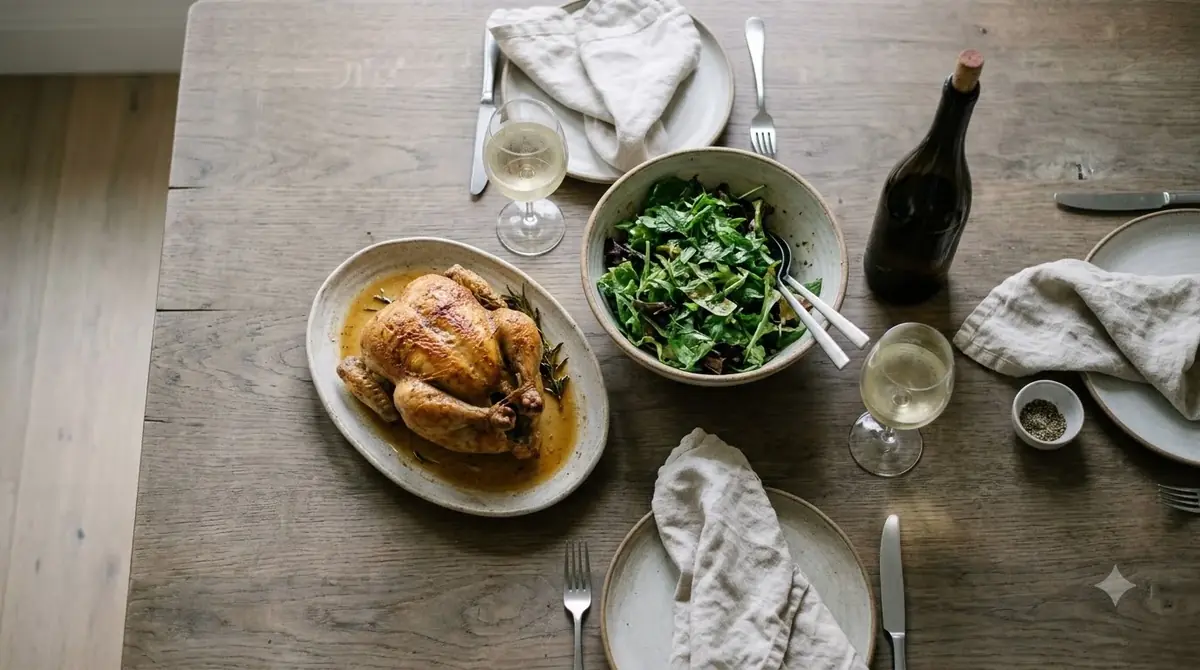
As Decanter explains in its overview of ramato, producers traditionally leave the crushed grapes on their skins for anywhere from several hours to a couple of days, though some cellar masters extend maceration for weeks in oak barrels. That brief skin contact draws out pale salmon, onion-skin, or burnished copper pigments alongside delicate aromas of orchard fruit skin, acacia blossoms, and dried herbs. Rather than tasting like a simple white wine, ramato offers subtle grip and savory complexity.
In recent years, renewed interest in heritage winemaking has brought ramato back into the spotlight both in Friuli-Venezia Giulia and among experimental winemakers in Oregon and California. Today, Friuli Colli Orientali appellation rules officially recognize Pinot Grigio Ramato as a distinct category, preserving a centuries-old technique that bridges the gap between crisp white wine and structured rosé.
Tip: When shopping for an authentic taste of pre-1961 Italian Pinot Grigio history, look for bottles labeled “Ramato” from Friuli-Venezia Giulia or “Sivi Pinot” from neighboring Slovenia.
Key Regions and Historic Styles Compared
Today, global vineyard plantings reflect the grape’s long geographic journey, with Italy leading worldwide production at roughly 46,508 acres, followed by the United States at 18,439 acres, Germany at 12,076 acres, Australia at 9,024 acres, and France at 7,085 acres. Each major region highlights a different chapter of the grape’s historical evolution through local climate and cellar choices.
| Region | Local Name | Historic Style and Profile | Typical ABV |
|---|---|---|---|
| Northeastern Italy (Veneto, Alto Adige, Friuli) | Pinot Grigio | Unoaked, crisp, and dry with lemon zest, white peach, green almond, and mineral notes; Friuli also produces copper-hued Ramato | 11.5% to 13% |
| Alsace, France | Pinot Gris | Full-bodied, rich, and spicy with honeyed orchard fruit, ranging from dry to late-harvest Vendanges Tardives | 13% to 14% |
| Germany (Pfalz, Rheinhessen, Baden) | Grauburgunder / Ruländer | Grauburgunder is dry, structured, and nutty; Ruländer denotes fuller, sweeter traditional styles | 12% to 13.5% |
| Oregon (Willamette Valley), USA | Pinot Gris | Introduced in the 1960s by David Lett; balanced medium body with ripe pear, melon, and bright acidity | 12.5% to 13.5% |
Understanding these regional names helps decode what sits inside the bottle before pulling the cork. A bottle labeled Pinot Grigio from alpine Trentino-Alto Adige emphasizes brisk, stony freshness, whereas an Alsatian Pinot Gris leans into plush texture and residual sweetness shaped by centuries of French gastronomy.
In the United States, modern Pinot Gris history owes much to pioneer winemaker David Lett of The Eyrie Vineyards, who planted the first Pinot Gris vines in Oregon’s Willamette Valley in 1965. Lett recognized that Oregon’s cool, damp climate mirrored Burgundy and Alsace, establishing Pinot Gris as Oregon’s signature white grape long before mass-market Italian imports flooded American grocery shelves.
Serving and Storing Pinot Grigio Through the Lens of Style
Because Pinot Grigio spans everything from razor-sharp alpine whites to textural skin-contact bottles, proper temperature control and storage play an important role in showcasing its historical character. Most modern dry Italian examples sit between 11.5% and 13.5% ABV and rely on delicate aromatics that mute quickly if poured ice-cold straight from a freezer.
For classic dry Pinot Grigio, chilling the bottle to 45°F to 50°F (7°C to 10°C)—roughly two hours in a standard refrigerator—keeps its citrus and green apple acidity lively without masking subtle mineral notes. Fuller-bodied Alsatian Pinot Gris or copper-hued Friulian ramato benefits from a slightly warmer pour around 50°F to 55°F (10°C to 13°C), allowing orchard fruit and savory spice to open up in the glass. You can explore specific glassware and chilling timelines in our guide on how to serve Pinot Grigio.
Unlike age-worthy Burgundy reds, standard stainless-steel Pinot Grigio is crafted for immediate freshness and typically tastes best within one to three years of its vintage date. Keep bottles stored horizontally in a cool, dark spot away from direct sunlight, as clear glass bottles commonly used for Pinot Grigio offer little protection against UV light damage. If you have a bottle tucked away in a pantry, check our breakdown of how long Pinot Grigio lasts unopened before pouring, or browse broader stylistic comparisons across Wine by Type.
Frequently Asked Questions
Are Pinot Grigio and Pinot Gris the exact same grape?
Yes, Pinot Grigio and Pinot Gris are identical genetically and originated as a pinkish-gray color mutation of Pinot Noir in medieval Burgundy. Winemakers use “Pinot Grigio” for lighter, crisper, stainless-steel Italian styles and “Pinot Gris” for richer, fuller-bodied wines associated with Alsace, Germany, and Oregon.
When was modern white Pinot Grigio invented?
Modern white Pinot Grigio was pioneered in 1960 and released in 1961 by Italian producer Santa Margherita in Northeastern Italy. By pressing the pinkish grapes immediately and fermenting the juice without skin contact, the winery created the pale, crisp style that later gained worldwide popularity.
Why are Pinot Grigio grapes pinkish-gray instead of green?
Pinot Grigio is a natural genetic mutation of red-skinned Pinot Noir, meaning its grape skins retain muted anthocyanin pigments. Depending on sun exposure and ripeness, mature berries display shades of dusty blue-gray, mauve, or pinkish copper rather than standard green.
What is ramato Pinot Grigio?
Ramato is a traditional winemaking style from Italy’s Friuli-Venezia Giulia region in which Pinot Grigio juice ferments in contact with its tinted skins for hours or days. The process extracts a natural copper hue alongside aromas of orchard fruit skin, acacia flowers, and light structural grip.
From a medieval color mutation in Burgundy to a 1961 Italian cellar innovation, Pinot Grigio history proves that a single grape can reinvent itself across centuries and borders. Whether poured as a brisk alpine white or a copper-toned Friulian ramato, every glass carries seven hundred years of European agricultural adaptation.
More in Wine Types & Grapes
 What Does Mourvèdre Taste Like? Flavor Profile, Regions, and PairingsUpdated Nov 20, 2026
 What Does Marsanne Taste Like? Flavors, Styles, and Food PairingsUpdated Nov 20, 2026
 What Does Malvasia Taste Like? Styles, Flavors, and Food PairingsUpdated Nov 20, 2026
 What Does Grenache Blanc Taste Like? Flavor Profile, Styles, and PairingsUpdated Nov 20, 2026
 What Does Garnacha Taste Like? Key Flavors, Styles, and Pairing TipsUpdated Nov 20, 2026
 What Does Fruit Wine Taste Like? A Complete Flavor and Style BreakdownUpdated Nov 20, 2026