

We may earn a commission when you buy through links on this page, at no extra cost to you. Learn more.
This daou wine review finds DAOU a strong choice for drinkers who enjoy expressive Paso Robles wines, especially full-bodied Cabernet Sauvignon, polished Bordeaux-style blends, and fruit-forward reds. The winery offers several levels, from approachable Discovery Cabernet Sauvignon to more structured Reserve wines and its flagship Soul of a Lion. Its signature style emphasizes concentrated dark fruit, oak-influenced complexity, and substantial structure, although the portfolio also includes refreshing white wines and rosé. The right bottle depends on your budget, preferred intensity, food pairing, and whether you want an everyday wine or a bottle for a special occasion.
DAOU has become a recognizable name in California wine, particularly among Cabernet Sauvignon drinkers looking beyond Napa Valley. Its home in the Adelaida District of Paso Robles gives the winery a distinctive setting, while its range of bottlings makes the label relevant to both casual wine drinkers and collectors. Understanding the differences between its collections is the easiest way to decide which bottle deserves a place at your table.
Who This Is For: Understanding the DAOU Wine Style
DAOU is particularly appealing to people who enjoy concentrated California reds with ripe fruit, noticeable structure, and carefully integrated oak. Its Cabernet Sauvignon is the natural starting point, but the winery’s broader selection offers alternatives for drinkers who prefer blends, white wines, and rosé.
The winery was founded in 2007 by brothers Georges and Daniel Daou in Paso Robles. According to the Paso Robles Wine Country Alliance, its hilltop property covers 212 acres, with 112 acres devoted to estate vineyards. Those vineyards sit approximately 2,200 feet above sea level and 14 miles from the Pacific Ocean. Calcareous clay soils, hillside exposures, and the area’s growing conditions contribute to the character of the estate fruit.
The result is a portfolio that generally favors generous fruit expression without abandoning structure. Cabernet Sauvignon drinkers can expect familiar dark-fruit characteristics, including blackberry, black currant, and plum, alongside notes that may suggest cocoa, espresso, tobacco, herbs, or cedar. Oak aging adds another layer, although the degree of influence varies considerably between collections.
Independent criticism provides useful context. Wine Enthusiast awarded the 2022 DAOU Cabernet Sauvignon 91 points and Editors’ Choice recognition. Its review highlighted blackberry sauce, espresso bean, cocoa, and persistent tannins. The wine was listed at 14.5% alcohol by volume in a 750 ml bottle, making it a substantial red rather than a delicate, low-alcohol option. Read Wine Enthusiast’s review of the 2022 DAOU Cabernet Sauvignon for its vintage-specific tasting assessment.
DAOU is therefore a sensible candidate for several types of buyers:
- Cabernet Sauvignon enthusiasts who enjoy ripe black-fruit flavors and noticeable tannins.
- People exploring Paso Robles wines beyond familiar Napa Valley labels.
- Hosts who want a polished red for grilled steak, lamb, or hearty dinner dishes.
- Collectors interested in more structured estate bottlings and Bordeaux-style blends.
- Wine drinkers who want to explore different grape varieties under one winery name.
However, DAOU may be less suitable for someone who consistently prefers delicate Pinot Noir, very light-bodied reds, or highly restrained wines with minimal oak influence. The core Cabernet range is built around a more generous style. For a broader introduction to producers and regional styles, the Wine Brands section provides useful background.
Key Factors to Compare Before Buying DAOU Wine
The most useful comparisons involve collection level, grape composition, oak aging, structure, and intended drinking occasion. DAOU’s Discovery, Reserve, and Estate offerings are not interchangeable, even when they share Cabernet Sauvignon as their principal grape.
| Wine or collection | Oak aging | Oak composition | Typical style | Best use |
|---|---|---|---|---|
| Discovery Cabernet Sauvignon | 8 months | 50% new French oak | Approachable, fruit-forward | Everyday dinners |
| Reserve Cabernet Sauvignon | 18 months | 50% new French oak | Concentrated, structured | Special meals and cellaring |
| Soul of a Lion | 22 months | 100% new French oak | Complex, powerful, age-worthy | Collectors and celebrations |
These aging figures come from DAOU’s published Cabernet collection descriptions. They illustrate why the wines can feel different even though Cabernet Sauvignon is central to all three. Longer oak maturation and a higher proportion of new barrels generally contribute additional texture and spice, although grape quality, blending, vintage conditions, and winemaking decisions also influence the finished wine.
Discovery is the practical entry point for someone exploring the winery. DAOU describes it as its most approachable and value-oriented red, emphasizing blackberry, cherry, vanilla spice, and smooth tannins. The shorter eight-month oak maturation makes it a useful introduction to the house style without immediately moving into the more elaborate Reserve and Estate categories.
Reserve offers a more concentrated experience. Its 18 months of aging in oak, including 50% new French oak, accompanies the winery’s description of cassis, blackberry, espresso, and a longer finish. It is a more suitable direction for someone who already enjoys structured Cabernet and wants greater complexity.
Soul of a Lion occupies a different position. Its 22 months in 100% new French oak reflect a more ambitious approach, with a Bordeaux-inspired blend and substantial aging potential. According to the winery’s published information, the 2022 blend contained 82% Cabernet Sauvignon, 15% Cabernet Franc, and 3% Petit Verdot.
Another important consideration is alcohol. Wine Enthusiast lists the 2022 regular Cabernet at 14.5% ABV. This is worth considering when choosing a bottle for a long dinner or comparing DAOU with lighter wines. Alcohol, tannin, and fruit concentration all influence how substantial a red feels alongside food.
Tip: Compare wines by their actual collection and grape composition rather than assuming every DAOU Cabernet has the same flavor or aging potential. Discovery, Reserve, and Soul of a Lion serve different purposes.
For a more focused look at the winery’s principal grape, the DAOU Cabernet overview provides a useful next step before choosing a particular bottling.
Step-by-Step: How to Choose the Right DAOU Bottle
A straightforward buying process starts with your preferred wine style and ends with the occasion for which the bottle is intended. Following these steps helps avoid paying for a more elaborate wine when a simpler bottling would provide exactly the experience you want.
-
Decide whether you want red, white, or rosé.
Start with Cabernet Sauvignon if you enjoy blackberry, black currant, and firmer tannins. Consider Chardonnay for a richer white-wine experience, Sauvignon Blanc for a fresher style, or rosé for a lighter option. DAOU’s official portfolio includes all these categories.
-
Choose your preferred level of intensity.
Discovery is the starting point for approachable Cabernet. Reserve is more suitable for people seeking concentrated fruit and additional oak influence. Soul of a Lion is the choice for someone interested in a more elaborate Bordeaux-style red.
-
Consider the grape composition.
A Cabernet-dominant wine offers the recognizable structure of Cabernet Sauvignon. A Bordeaux-style blend can introduce Cabernet Franc and Petit Verdot, which contribute additional aromatic and structural dimensions. The 2022 Soul of a Lion, for example, combines three varieties rather than relying exclusively on Cabernet Sauvignon.
-
Think about the meal.
Match fuller Cabernet with grilled beef, lamb, or dishes featuring roasted mushrooms. For seafood, salads, and lighter meals, consider Sauvignon Blanc or rosé instead. The wine should complement the intensity and texture of the food rather than overpower it.
-
Decide whether you plan to drink the wine soon.
An approachable Cabernet is convenient for a near-term dinner. More structured Reserve and Estate bottles may reward additional bottle aging, depending on the vintage and storage conditions. A premium label alone does not mean that every bottle needs years in a cellar.
-
Check the vintage and bottle details.
Professional reviews can help identify differences between releases. Wine Enthusiast’s review of the 2022 regular Cabernet provides a useful reference for its dark fruit, cocoa, espresso, and tannin profile. Compare the vintage under consideration rather than assuming a previous release describes every subsequent bottle.
-
Choose the appropriate occasion and serving plan.
Discovery works for casual dinners, while Reserve and Soul of a Lion can suit a more formal meal. Plan for a serving temperature of 60–65 degrees Fahrenheit for fuller-bodied reds, and allow young, structured Cabernet approximately 30–60 minutes in a decanter when additional aeration is helpful.
This process also helps separate personal preference from reputation. A highly regarded flagship wine may be impressive, but it is not automatically the most enjoyable choice for someone who prefers softer, younger reds.
Types and Styles Explained: Exploring the DAOU Portfolio
DAOU’s portfolio extends beyond standard Cabernet Sauvignon, with different collections emphasizing approachable drinking, regional expression, and more ambitious estate winemaking. Understanding the categories makes it easier to select a wine that matches your experience and expectations.
Discovery Cabernet Sauvignon
Discovery is designed to introduce the DAOU Cabernet style without requiring a collector’s commitment. The winery describes its profile through blackberry, cherry, vanilla spice, and smooth tannins. Its eight months of oak aging, including 50% new French oak, give it a recognizable Cabernet framework while keeping the presentation accessible.
This is a useful choice for weeknight dinners, informal gatherings, and people who want to explore Paso Robles Cabernet for the first time. It can accompany burgers, grilled sausages, roast chicken with herbs, and moderately seasoned beef dishes. Its fruit-forward profile makes it relatively straightforward to pair.
Reserve Cabernet Sauvignon
Reserve is aimed at drinkers looking for more intensity and complexity. DAOU describes flavors of cassis, blackberry, and espresso, with 18 months of oak aging and 50% new French oak. Compared with Discovery, this is a more substantial direction for someone who enjoys the combination of dark fruit and oak-derived spice.
It is particularly appropriate for steak dinners, braised short ribs, and lamb with rosemary. The additional structure also makes it worth considering for drinkers interested in keeping selected bottles longer, provided they have appropriate storage conditions.
Soul of a Lion
Soul of a Lion is the flagship expression of DAOU’s estate winemaking. It is a Bordeaux-style red from the Adelaida District, with a blend that can include Cabernet Sauvignon, Cabernet Franc, and Petit Verdot. The winery describes its 2022 release as containing 82% Cabernet Sauvignon, 15% Cabernet Franc, and 3% Petit Verdot.
The 22 months spent in 100% new French oak contribute to its more elaborate production approach. Decanter also describes the 2020 release as an estate-fruit wine, with 81% Cabernet Sauvignon, 13% Cabernet Franc, and 6% Petit Verdot. That vintage spent two years in barrel before additional bottle aging. Decanter’s DAOU estate report and vintage tasting notes provide further context for the flagship wine.
These vintage-specific figures illustrate why it is important to distinguish one release from another. The blend percentages and resulting profile can change, even when the wine retains the same flagship identity.
Other Bordeaux-Style Reds and Reserve Bottlings
DAOU’s broader red portfolio includes Merlot, Cabernet Franc, Malbec, and blended wines. Its official collection also lists Seventeen Forty and other Reserve expressions. These provide opportunities to explore different grape varieties and combinations rather than concentrating exclusively on Cabernet Sauvignon.
Merlot is generally softer in tannin than Cabernet Sauvignon, making it an interesting alternative for someone who likes dark fruit but wants a less forceful structure. Cabernet Franc can contribute herbal and floral characteristics, while Malbec often provides a generous dark-fruit profile. The exact result depends on the wine’s composition and vintage.
White Wines and Rosé
DAOU also produces Chardonnay, Sauvignon Blanc, and rosé. These categories matter because the winery’s identity is not limited to powerful red wines. A Sauvignon Blanc can be a more refreshing option for lighter meals, while Chardonnay offers a fuller white-wine alternative.
For serving, light whites and rosé generally work well at 45–50 degrees Fahrenheit. Fuller-bodied Chardonnay is better around 50–55 degrees Fahrenheit. These temperatures help preserve freshness while allowing the wines to express their aromas.
Readers primarily interested in the winery’s red offerings can also explore DAOU red wine to compare its different red varieties and blends.
Common Mistakes When Buying and Drinking DAOU Wine
The biggest mistakes involve treating every bottle as equivalent, serving structured Cabernet too warm, and overlooking the influence of tannin when pairing wine with food. A few practical adjustments can make a substantial difference to the experience.
Assuming every DAOU Cabernet tastes the same: Discovery, Reserve, and Soul of a Lion have different production approaches. The difference between eight months of oak aging and 22 months in 100% new French oak is significant. Collection level should therefore be part of the buying decision, not just the producer name.
Confusing premium structure with immediate drinkability: Young Cabernet Sauvignon can have noticeable tannins that make the finish feel firm or drying. A more substantial wine may benefit from aeration, especially when opened relatively young. A decanter can provide approximately 30–60 minutes of exposure to air for young, full-bodied reds.
Serving full-bodied red wine too warm: Room temperature is not always the right serving temperature, particularly in a warm home. Fuller-bodied reds generally show better balance at 60–65 degrees Fahrenheit. Excessive warmth can make alcohol more noticeable and reduce the impression of freshness.
Pairing Cabernet with delicate seafood: Cabernet Sauvignon’s substantial tannin can clash with oily fish and delicate seafood preparations. Grilled steak, lamb, and dishes with roasted vegetables are generally more compatible. Salt and fat soften the perception of tannin, which is one reason richer meat dishes work well.
Ignoring spice levels: Chili heat can become more pronounced alongside wines with substantial alcohol and tannin. A heavily spiced dish may make a full-bodied DAOU Cabernet feel hotter and less balanced. For spicy meals, a lower-alcohol, fruit-forward white or rosé can be a more comfortable match.
Buying a flagship wine without considering the occasion: Soul of a Lion has a different purpose from an approachable everyday Cabernet. A special-occasion bottle can be an enjoyable choice for a carefully planned dinner, but a simpler wine may be more practical for casual entertaining.
Expecting every vintage to have identical characteristics: The 2020 and 2022 Soul of a Lion blends illustrate how grape proportions can vary between releases. Vintage conditions, blending choices, and maturation all affect the finished wine. Reviews should be read with the vintage clearly identified.
Finally, avoid treating a professional score as a substitute for personal preference. A highly rated Cabernet can still be too tannic or concentrated for someone who prefers lighter reds. Flavor descriptions, alcohol content, and collection information are often more useful than a number alone.
Care and Storage Tips for DAOU Wines
Proper storage and serving make a difference, especially for DAOU’s structured Cabernet Sauvignon and premium Bordeaux-style blends. Consistent temperatures, limited exposure to light, and sensible aeration help preserve the character of the wine.
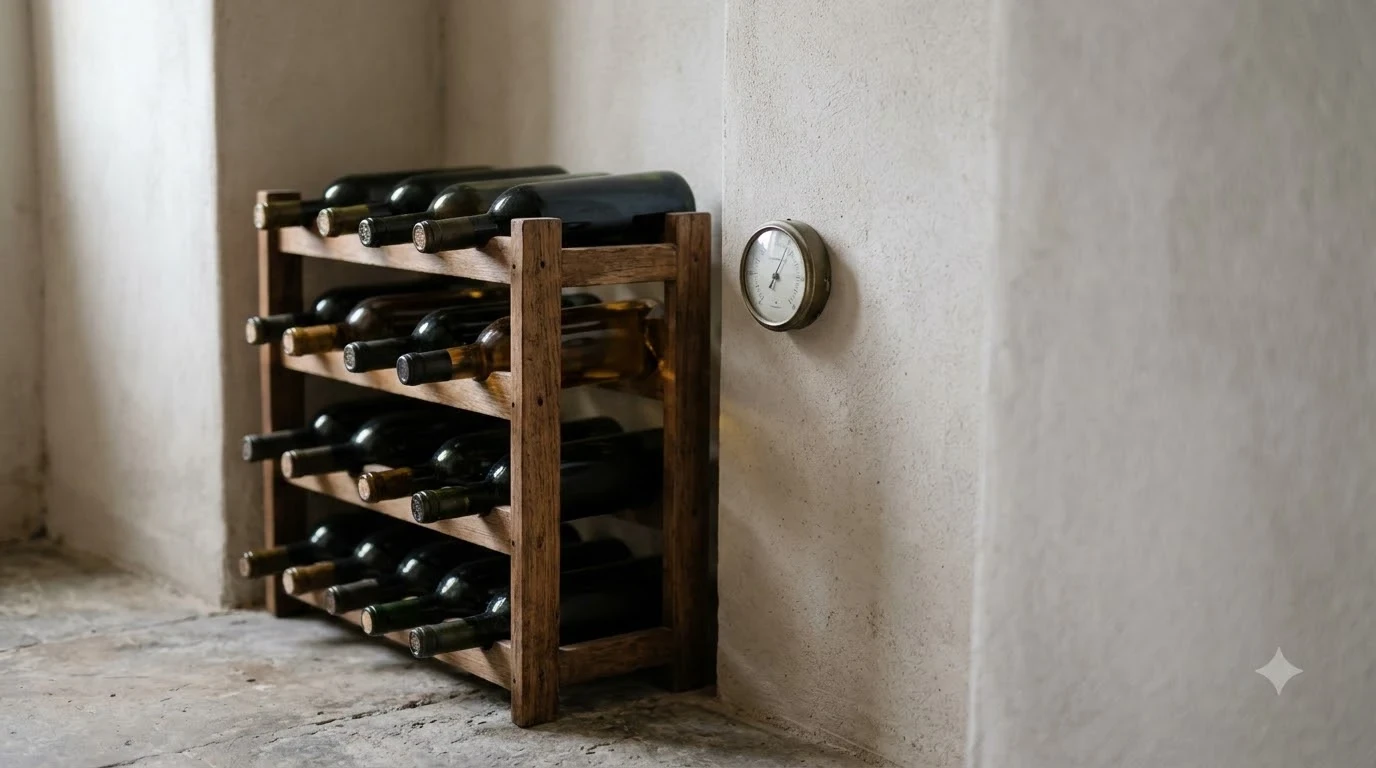
For unopened bottles, a storage temperature near 55 degrees Fahrenheit is a useful target. Keep the environment relatively stable, away from direct sunlight, heaters, and frequent temperature changes. Bottles with natural cork closures are generally stored horizontally to keep the cork in contact with the wine.
For serving, use the following temperature ranges:
- Full-bodied Cabernet Sauvignon and Bordeaux-style reds: 60–65 degrees Fahrenheit.
- Light-bodied reds: 55–60 degrees Fahrenheit.
- Full-bodied Chardonnay: 50–55 degrees Fahrenheit.
- Light whites and rosé: 45–50 degrees Fahrenheit.
- Sweet white wines: 43–50 degrees Fahrenheit.
Young DAOU Cabernet can benefit from decanting for 30–60 minutes. This gives the wine time to interact with oxygen and can make its aromas easier to appreciate. It is not necessary to decant every bottle for the same length of time, and older wines may require a gentler approach.
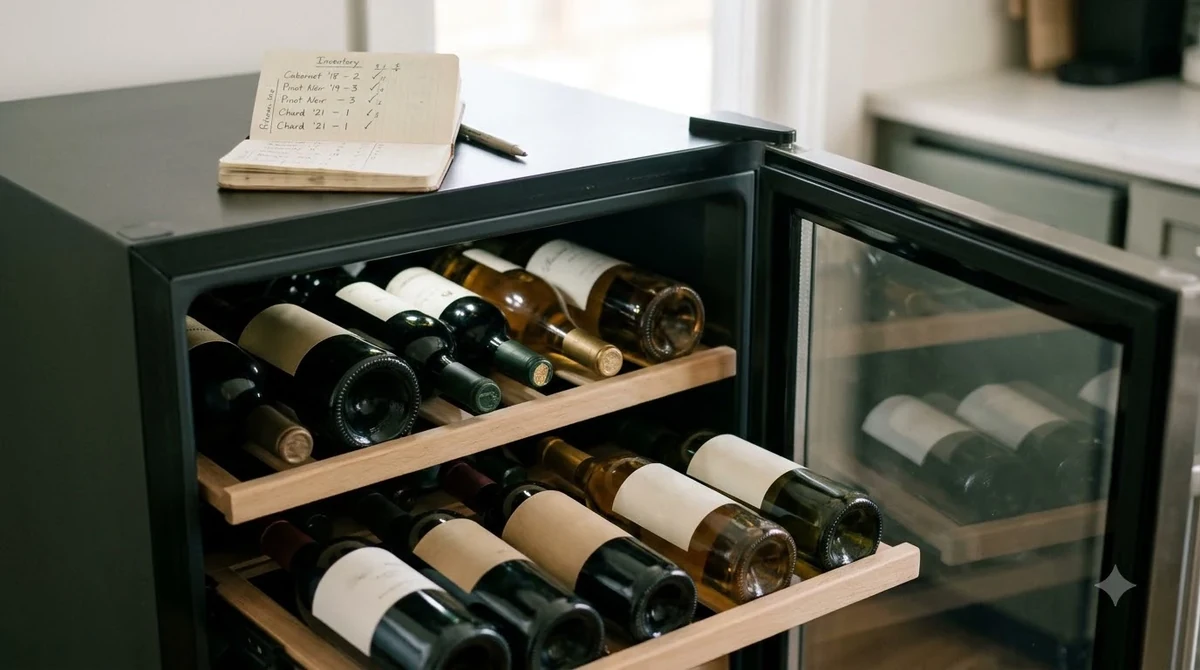
Once opened, store still wine in the refrigerator, even if it is a red. A resealed bottle of still wine generally remains enjoyable for approximately three to five days, although its condition can change depending on the wine and the amount of oxygen in the bottle.
When serving Cabernet, use reasonably large red-wine glasses that provide enough room for swirling. A typical five-ounce pour allows a standard 750 ml bottle to provide approximately five glasses. Smaller pours are useful for tasting multiple wines or serving several courses.
For a bottle intended for longer-term aging, avoid keeping it in a kitchen cupboard exposed to daily temperature changes. A dedicated wine refrigerator or a consistently cool cellar is a better environment. Reserve and Estate wines deserve particular attention to storage because their structure and intended development may make them suitable for longer keeping than an immediately approachable bottling.
Wine should also be protected from strong odors, vibration, and excessive light. These precautions are particularly relevant when storing several bottles for a future occasion. Good storage cannot improve a flawed bottle, but poor conditions can damage an otherwise well-made wine.
Frequently Asked Questions
Is DAOU wine made in California?
Yes. DAOU is based in Paso Robles, California, on the Central Coast. The winery’s estate is in the Adelaida District, and its wines are associated with the region’s distinctive hillside vineyards and growing conditions. Its estate address is 2777 Hidden Mountain Road in Paso Robles.
Can you visit the DAOU winery for a tasting?
Yes. The Paso Robles Wine Country Alliance lists DAOU’s tasting room as open by appointment, with regular operating hours from 10 a.m. to 5 p.m. daily. Reservations are suggested, so arranging a visit before traveling is sensible. The estate also offers vineyard and winery experiences.
What makes DAOU’s Adelaida District location distinctive?
The estate’s elevation and proximity to the Pacific Ocean are notable geographical characteristics. Its vineyards sit approximately 2,200 feet above sea level, while the property is about 14 miles from the ocean. The surrounding calcareous clay soils and steep slopes also contribute to the growing environment.
Does DAOU offer wines from individual Paso Robles districts?
Yes. Its Paso Districts Collection explores Cabernet Sauvignon from different Paso Robles sub-appellations. The collection is designed to demonstrate how varying microclimates and vineyard conditions influence regional expression. The winery describes it as a limited-production offering that is typically associated with membership access.
Why is Soul of a Lion associated with February 11?
Decanter reports that the wine has traditionally been released annually on February 11, the wedding anniversary of the Daou brothers’ parents, Joseph and Marie. The flagship bottling also serves as a tribute to their father. This release tradition gives the wine a personal connection to the family’s history.
DAOU is a compelling producer for anyone interested in expressive Paso Robles Cabernet Sauvignon and Bordeaux-style wines. Discovery provides an accessible introduction, Reserve offers additional depth, and Soul of a Lion represents a more ambitious estate expression. Compare the collection, vintage, and grape composition before buying, then serve the bottle at the appropriate temperature to get the most from its style.
More in Wine Brands
 Underwood Wine Price: Compare Bottles, Cans, and Pack SizesUpdated Nov 21, 2026
 Zenato Wine Price: Compare Styles and Choose the Right BottleUpdated Nov 21, 2026
 Zuccardi Wine Price: Compare Bottles and Find the Right RangeUpdated Nov 21, 2026
 Yellow Tail Moscato Review: Taste, Sweetness and Serving TipsUpdated Nov 21, 2026
 Wolf Blass Yellow Label Review: Choose Your Best StyleUpdated Nov 21, 2026
 Wolffer Estate Rose Review: Choose the Right Bottle for Your TableUpdated Nov 21, 2026