

We may earn a commission when you buy through links on this page, at no extra cost to you. Learn more.
Shenandoah Valley wine comes from a cool, dry valley in northern Virginia and a small slice of West Virginia, where vineyards sit between two mountain ranges. The American Viticultural Area was approved in 1982 and was Virginia’s first official wine appellation. Its growers work with a rain-shadow climate, limestone soils, and a mix of European and hybrid grapes, which gives the region a style that is distinct from wines of the state’s Piedmont and Eastern Shore.
This guide explains where the Shenandoah Valley wine region is, what shapes its climate and soils, which grapes are planted there, and how to choose and enjoy a bottle from it. If you are new to American wine regions, it also shows how the region fits into the broader picture of Virginia wine.
Where the Shenandoah Valley wine region is
The Shenandoah Valley is a long, fertile trough that runs southwest through the state. The American Viticultural Area that bears its name covers most of the valley in Virginia, with a small part extending into the Eastern Panhandle of West Virginia. The Blue Ridge Mountains bound it to the east, and the Appalachian and Allegheny Plateaus bound it to the west, so the valley is effectively enclosed by high ground on both sides.
That geography matters for wine. Because the valley’s soils change from one site to the next, the same grape can taste noticeably different depending on where it was planted.
Climate and soils that shape the wines
The valley is cooler and drier than much of Virginia. Because the mountains sit on either side, the area lies in a rain shadow, and annual rainfall is roughly half the state average. That dryness helps keep vine disease pressure lower and lets fruit stay clean through the growing season.
The hardiness zones in the area run mainly from 7a to 7b, and the heat accumulation is moderate compared with warmer American regions. Limestone is common in the valley floor, while the vineyards east of the Blue Ridge tend to sit on clay and loam. Those soil differences are one reason producers talk about individual sites rather than the valley as one uniform block.
For a wine drinker, the practical result is a set of wines that often show bright acidity and fresh fruit. Cooler conditions help hold that freshness, though each vintage still depends on the weather during the growing season.
Grapes grown in the valley
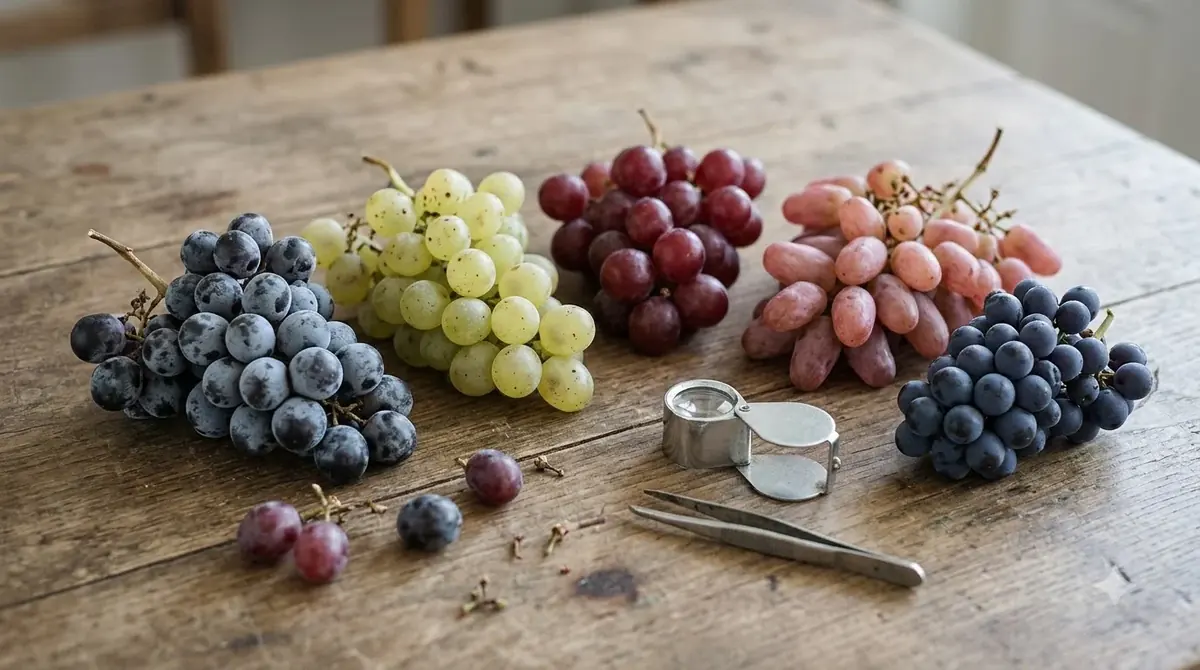
The region grows a wide range of varieties. Vinifera grapes such as Cabernet Franc, Cabernet Sauvignon, Merlot, Chardonnay, Riesling, Gewürztraminer, and Viognier are planted alongside native and hybrid grapes including Norton and Chambourcin. Traminette, a hybrid with a floral, spicy character, is also widely planted.
Cabernet Franc and Norton often draw the most attention from people who want a red with a sense of place. Riesling and Gewürztraminer tend to show the cooler-climate side of the region, with lively acidity and aromatic fruit. Because growers work with so many varieties, a single winery may release everything from dry whites to structured reds.
| Style | Common grapes in the valley | What to expect |
|---|---|---|
| Crisp white | Riesling, Viognier, Traminette | Bright acidity, stone fruit, floral notes |
| Aromatic white | Gewürztraminer | Lychee, rose petal, a touch of spice |
| Medium-bodied red | Cabernet Franc, Merlot | Red fruit, herbal edges, moderate tannin |
| Regional red | Norton, Chambourcin | Dark berry, earthy character, bright finish |
History of the appellation
The modern wine story of the valley began in the early 1980s. Shenandoah Vineyards in Edinburg, Virginia, petitioned for the appellation in August 1981 on behalf of itself and other local vintners. The Bureau of Alcohol, Tobacco and Firearms approved the American Viticultural Area on December 28, 1982, and the designation became the state’s first official appellation.
At the time of approval, the Virginia portion had about 116 acres under cultivation, with more planned for the following year. Growth since then has been steady rather than explosive, and many producers still run small family operations focused on the valley’s own character.
That early start gave the valley a head start in establishing a regional identity inside Virginia. Other parts of the state developed their own appellations over the following decades, so the Shenandoah Valley is often the first name visitors and buyers learn when they begin exploring the state’s wines. Its position as the original appellation still shapes how local producers describe their wines to customers.
How to serve and pair Shenandoah Valley wine
Serve the whites chilled so the acidity stays lively without muting the fruit. Reds such as Cabernet Franc are best a little below room temperature, which keeps their aromatics in focus. Sturdier reds like Norton can open up after a short time in the glass.
The valley’s cooler-climate wines pair well with the food of the region: roast poultry, pork with apple or stone fruit, and sharp cheeses for the whites, and grilled meats or mushroom dishes for the reds. Riesling with a little sweetness is a useful match for spicy food. You can read more about regional wine styles in our Wine Regions guide.
How to choose a bottle from the valley
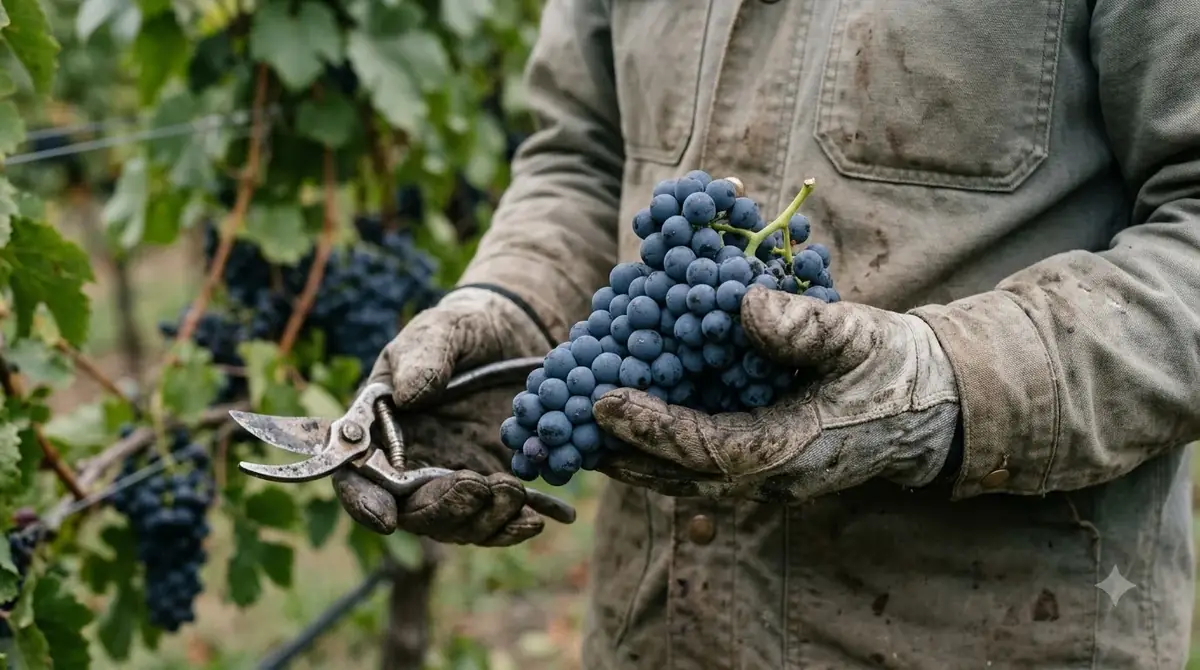
Start with the producer’s own description of the vineyard site and the grape. Many wineries list the grape, the vintage, and whether the wine was fermented in stainless steel or oak, which tells you a good deal about the finished style. Look for a label that names the American Viticultural Area, because that confirms the grapes came from the appellation.
When you are shopping in person, ask the staff which vineyard a wine comes from and whether the wine was blended from several sites. Those details help you understand why two bottles of the same grape can taste so different. A good shop or tasting room will be happy to explain the style, the vintage, and the food pairings they recommend.
If you want to compare the valley with another cool-climate region, a Riesling from the Shenandoah Valley can be a useful counterpoint to German or Pacific Northwest examples. For a bigger, richer red, the Hunter Valley in Australia offers a very different take on warm-climate shiraz, and you can see that contrast in our Hunter Valley wine guide.
Frequently Asked Questions
Where is the Shenandoah Valley wine region?
The Shenandoah Valley AVA is mainly in Virginia, with a small portion in West Virginia’s Eastern Panhandle. The Blue Ridge Mountains lie to its east and the Appalachian and Allegheny Plateaus to its west.
What grapes grow in the Shenandoah Valley?
Growers plant both European vinifera grapes, including Cabernet Franc, Merlot, Chardonnay, and Riesling, and native or hybrid grapes such as Norton and Chambourcin. The mix varies widely between vineyards.
Why is the valley’s climate unusual for Virginia?
The surrounding mountains create a rain shadow, so annual rainfall is about half the state average. The valley is also cooler than much of Virginia, which helps the grapes keep their acidity.
When did Shenandoah Valley wine become an official appellation?
The Bureau of Alcohol, Tobacco and Firearms approved the American Viticultural Area on December 28, 1982. It was the first official wine appellation in Virginia, after a petition filed in 1981.
Shenandoah Valley wine rewards curiosity. Start with a Riesling or a Cabernet Franc, note how the acidity and fruit change from one bottle to the next, and then branch out to other Virginia producers. For more background on how regions shape flavor, browse the Wine Regions section.
Regional background drawn from the Shenandoah Valley AVA entry, which covers the appellation’s boundaries, climate, and history.
More in Wine Regions
 Willcox Wine Trail: Discover Arizona’s High-Elevation Wine CountryUpdated Nov 20, 2026
 Yakima Valley Wine Region: Find the Best Styles to TryUpdated Nov 20, 2026
 Vosne Romanee Wine Tasting: Identify Aromas and Choose Better PairingsUpdated Nov 20, 2026
 Yakima Valley Wine Festival: Find the Best Seasonal Wine EventsUpdated Nov 20, 2026
 Wales Vineyards: Discover Cool-Climate Wines and Where to VisitUpdated Nov 20, 2026
 Yountville Wine Festival: Discover Napa Wines and Local FoodUpdated Nov 20, 2026