


We may earn a commission when you buy through links on this page, at no extra cost to you. Learn more.
This carlo rossi sangria review finds that Carlo Rossi Sangria is a convenient, fruit-forward red wine for casual gatherings, chilled summer drinks, and easy party serving. Its approachable fruity character, 10% alcohol by volume, and large-format bottle options make it practical for sharing. However, drinkers who prefer dry, complex red wines or subtle fruit flavors may find its straightforward, sweet-leaning style less appealing.
Not every occasion calls for a carefully selected vintage or a complicated homemade cocktail. Sometimes a ready-to-serve sangria that can go straight from the refrigerator to the table is the more practical choice. Carlo Rossi Sangria fills that role with a California red-wine base, fruit-forward character, and several bottle sizes designed for different occasions. Understanding its sweetness, flavor, serving requirements, and limitations makes it easier to decide whether this familiar wine belongs at the next gathering.
Who Should Choose Carlo Rossi Sangria?
Carlo Rossi Sangria is best suited to casual wine drinkers who enjoy fruity red wines and want something convenient to serve without preparing a pitcher from scratch. Its 10% ABV and four available bottle formats also make it a flexible option for gatherings ranging from a small dinner to a larger celebration.
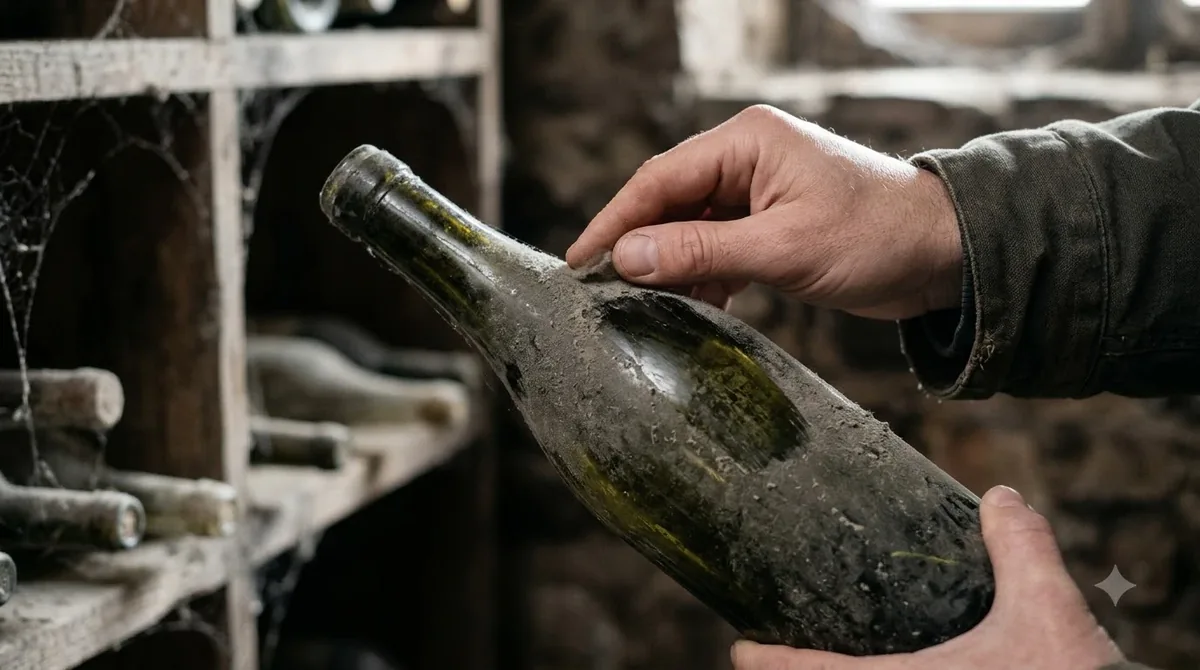
The first audience likely to appreciate this wine is someone who prefers accessible fruit flavors over the earthy, savory, or heavily structured characteristics associated with traditional dry reds. Carlo Rossi describes its Sangria as a social red wine, suggesting that it is intended for relaxed occasions rather than formal wine tasting. Its presentation and fruit-forward character make it suitable for casual outdoor meals, backyard parties, cookouts, and informal dinners.
It is also worth considering for hosts who want to serve wine to a group without spending time preparing multiple cocktails. The 750 ml bottle works for smaller occasions, while the 3-liter and 4-liter formats provide considerably more servings. The producer also suggests adding sliced fruit and allowing it to marinate, giving hosts the option of making a simple pitcher-style drink with minimal preparation.
However, this is not necessarily the right selection for every red-wine drinker. Someone who enjoys Cabernet Sauvignon’s substantial tannins, Pinot Noir’s more delicate structure, or the mineral character of a traditional dry European wine may prefer a different bottle. Similarly, people who dislike noticeable fruit sweetness should consider their preferences carefully before choosing a ready-made sangria.
For a broader introduction to the producer’s offerings, the Carlo Rossi wine range provides useful context. Its other selections include different red, white, and specialty wine styles, so the regular Sangria should not be confused with every wine carrying the same brand name.
Key Factors to Compare Before Buying
The most useful factors to consider are sweetness, fruit character, alcohol content, bottle capacity, and serving convenience. These details determine whether Carlo Rossi Sangria fits the occasion better than a dry red wine, another bottled sangria, or a homemade fruit-and-wine mixture.
Its fruit-forward character is central to the buying decision. Carlo Rossi describes the product as a red sangria that can be enjoyed directly or combined with sliced fruit. Retail product descriptions also identify red-fruit and citrus notes. This is a relatively straightforward flavor direction rather than a promise of detailed vineyard character or complex winemaking.
Alcohol content is another practical consideration. The producer’s regional product information lists 10% ABV, a figure also shown in retailer product specifications. For readers comparing different Carlo Rossi products, the Carlo Rossi Sangria alcohol content information provides a more focused look at what that percentage means when pouring and planning servings.
The producer’s official Carlo Rossi Sangria product page confirms the four bottle formats and recommends adding sliced fresh fruit before serving. These details are useful when deciding whether to buy a smaller bottle for dinner or a larger format for a group.
| Factor | Carlo Rossi Sangria | What It Means for Buyers |
|---|---|---|
| Wine style | Red sangria | Designed for casual, fruit-forward drinking |
| Alcohol content | 10% ABV | Useful for comparing wine styles and serving sizes |
| Small bottle | 750 ml | About 5 standard 5-ounce pours |
| Medium bottle | 1.5 liters | About 10 standard 5-ounce pours |
| Large bottle | 3 liters | About 20 standard 5-ounce pours |
| Largest bottle | 4 liters | About 27 standard 5-ounce pours |
| Serving style | Chilled or over ice | Ready for straightforward party service |
| Fruit additions | Optional sliced fresh fruit | Allows customization without replacing the wine |
The serving estimates use approximately 5 fluid ounces per pour. They are mathematical estimates rather than guaranteed servings, since glass sizes, ice, and individual pouring habits vary. A 4-liter bottle contains approximately 135 fluid ounces, making it substantially larger than a standard 750 ml wine bottle.
Another consideration is the distinction between regular Carlo Rossi Sangria and the brand’s other specialty products. The producer separately lists Moscato Sangria and Pink Moscato Sangria. Those products should not automatically be treated as interchangeable with the traditional red Sangria because their wine styles and flavor descriptions differ.
Tip: For a gathering of approximately 10 people, a 1.5-liter bottle provides roughly one standard 5-ounce pour per person. If guests may want additional servings, calculate the total wine needed before choosing between the 3-liter and 4-liter formats.
Step-by-Step: How to Serve Carlo Rossi Sangria
The simplest approach is to chill the bottle, choose an appropriate glass, and serve the wine directly or over ice. For a more personalized presentation, sliced fruit can be added and allowed to marinate before serving, following the preparation idea recommended by Carlo Rossi.
- Choose the right bottle size. Start by estimating the number of guests and expected servings. A 750 ml bottle offers approximately five standard pours, while a 3-liter bottle offers about 20. Smaller gatherings rarely need the largest format unless the wine will be served throughout a longer event.
- Refrigerate the wine before serving. Carlo Rossi specifically recommends serving its Sangria chilled. Give the bottle enough time in the refrigerator to cool evenly rather than relying entirely on ice in individual glasses. A practical starting point is approximately 2 to 3 hours in the refrigerator.
- Prepare optional fruit additions. Oranges, lemons, apples, and peaches are useful choices for a fruit-forward sangria presentation. Slice the fruit into manageable pieces so that guests can enjoy the aromas and appearance without struggling with large chunks.
- Combine the wine and fruit. Pour the chilled Sangria into a pitcher and add the sliced fruit. Carlo Rossi suggests allowing the fruit to marinate before serving. Approximately 1 to 2 hours in the refrigerator is a practical starting point for a simple homemade presentation.
- Choose your serving style. Pour directly into glasses for the easiest approach, or serve over ice for a colder, more refreshing presentation. A large pitcher is particularly useful for parties because guests can serve themselves without repeatedly opening the original bottle.
- Serve with appropriate food. Grilled meats, crispy chicken, barbecue, and fruit-based appetizers complement the wine’s fruity profile. Provide water and nonalcoholic alternatives alongside alcoholic beverages at gatherings.
- Refrigerate what remains. Close the bottle securely and return it to the refrigerator after serving. Avoid leaving the wine on an outdoor table or in direct sunlight throughout a long event.
For a more elaborate preparation, Carlo Rossi also publishes a Sangria recipe that combines its Sangria with brandy, triple sec, orange, lemon, peach or apple, and lemon-lime soda or club soda. That approach creates a more involved pitcher drink, but the original wine can also be served without additional spirits or ingredients.
When using extra fruit or other ingredients, remember that the resulting drink may taste different from the original bottled product. Added citrus can make the mixture seem brighter, while additional sweet ingredients can make the overall result considerably sweeter. Start with modest additions and adjust the presentation according to the food and preferences of the guests.
Types and Styles of Carlo Rossi Sangria
Carlo Rossi’s regular Sangria is a red-wine-based selection, but the brand also lists other specialty wines that appeal to drinkers looking for different fruit and color profiles. Understanding these distinctions helps prevent confusion between the traditional red Sangria and the brand’s sweeter or white-wine-oriented alternatives.
Traditional Carlo Rossi Sangria
The regular Sangria is the primary choice for people who want a familiar red sangria style. The producer describes it as a social red wine that can be served as it is or combined with fresh fruit. Regional product information identifies California-grown grapes and a fruity style, while retailer descriptions mention red-fruit and citrus characteristics.
This makes it a practical starting point for casual entertaining. It can be served chilled without elaborate preparation, or used as the base for a pitcher with orange, lemon, and other fresh fruit. Its 10% ABV is another useful point of comparison when choosing among ready-made wine beverages.
Carlo Rossi Moscato Sangria
Moscato Sangria is a separate product rather than another name for the regular red Sangria. Carlo Rossi describes it as a sweet, fruity white-wine sangria combining Moscato wine with hints of orange, peach, and apple. The producer recommends pairing it with fruits, cheeses, and mildly sweet desserts.
Its flavor direction makes it more suitable for someone who enjoys aromatic white wine and pronounced fruit characteristics. A person who wants the familiar red-wine presentation of regular Sangria should not automatically substitute the Moscato version.
Carlo Rossi Pink Moscato Sangria
Pink Moscato Sangria is another separately listed product in the brand’s range. Its name indicates a different style from the traditional red Sangria, making it relevant to shoppers who prefer pink-colored wine presentations and Moscato-based alternatives.
Buyers should distinguish it from regular Sangria when comparing product descriptions and bottle labels. Similar branding does not mean that the products have identical wine bases, sweetness levels, or flavor profiles.
Other Carlo Rossi Wine Styles
The brand also lists Sweet Red and Sweet Rosé among its other wines. These provide additional options for people who like accessible wine styles but do not necessarily want a ready-made sangria. A straightforward sweet red, for example, serves a different purpose from a fruit-forward sangria intended for serving with sliced fruit.
Choosing among these products comes down to the desired drinking experience. Regular Sangria makes sense for a familiar red-fruit presentation, Moscato Sangria suits those seeking a sweeter white-wine direction, and the other selections offer alternatives outside the traditional sangria format.
Common Mistakes When Buying or Serving Carlo Rossi Sangria
The biggest mistakes involve assuming that every sangria tastes the same, purchasing more wine than necessary, and serving the product too warm. A little attention to sweetness, bottle capacity, and preparation can make the difference between a convenient party drink and a disappointing purchase.
Assuming It Is a Dry Red Wine
Although Carlo Rossi Sangria is presented as a red wine, its fruit-forward character makes it different from a conventional dry Cabernet Sauvignon or Merlot. Drinkers who expect restrained fruit, pronounced tannins, and a dry finish may not enjoy the same characteristics that make bottled sangria approachable to casual drinkers.
Sweetness preference is especially important. Retailer descriptions emphasize fruity flavors, and customer feedback includes criticism about excessive sweetness. Individual perceptions vary, but buyers who generally prefer dry wines should approach this style with realistic expectations.
Confusing Different Carlo Rossi Products
Regular Sangria, Moscato Sangria, and Pink Moscato Sangria are distinct products. Choosing the wrong one can lead to an unexpected color, flavor direction, or sweetness experience. Compare the product name and wine style rather than relying on the brand name alone.
Buying Too Much Wine
A 4-liter bottle offers approximately 27 standard 5-ounce servings, so it may be excessive for a small dinner. Conversely, a single 750 ml bottle may be insufficient for a large party. Estimate the number of guests and expected servings before selecting the bottle format.
Adding More Sugar Without Checking Sweetness
Some homemade sangria recipes include sugar, sweetened soda, or fruit juice. However, Carlo Rossi already has a fruit-forward profile, so additional sweeteners are not automatically necessary. Fresh orange or lemon slices can add aroma and brightness without making the pitcher noticeably sweeter.
Serving It Too Warm
Carlo Rossi recommends serving its Sangria chilled or over ice. Serving it at ordinary warm room temperature can make the experience less refreshing, particularly during outdoor meals and summer gatherings. Refrigerating the bottle ahead of time is usually easier than trying to cool a large quantity immediately before guests arrive.
The regional Carlo Rossi Sangria product information also confirms the 10% ABV figure and lists food pairings such as pork barbecue, crispy fried chicken, and sweet-and-sour chicken. These recommendations offer useful starting points when planning a casual meal.
Leaving an Open Bottle Unrefrigerated
Opened wine is vulnerable to changes in freshness and flavor. Leaving a large bottle on a dining table for several hours, especially outdoors, is not a good storage practice. Return the remaining wine to the refrigerator and close it securely after pouring.
Care, Storage, and Leftover Wine Tips
Carlo Rossi Sangria is intended for convenient drinking rather than long-term cellaring. Keep unopened bottles in a cool, dark location and refrigerate the wine before serving; after opening, close the container securely and store it in the refrigerator.
Unlike premium collectible red wines that may benefit from controlled cellar aging, ready-to-serve sangria is best approached as a drink for relatively near-term enjoyment. The practical goal is to preserve its fresh fruit character rather than develop additional bottle-aged complexity. Avoid storing the wine near a sunny window, heating appliance, or location with repeated temperature fluctuations.
After opening, refrigeration is particularly important for large bottles. A 3-liter or 4-liter format can contain many servings, meaning the wine may remain open across multiple occasions. Pour only the amount needed for the immediate gathering, close the bottle, and return it to the refrigerator rather than leaving it exposed between servings.
For ordinary still wines, approximately 3 to 5 days in the refrigerator is a useful general guideline after opening. The exact period depends on storage conditions and the wine itself, and the fruit character may change before the wine becomes obviously unpleasant. For Carlo Rossi Sangria, planning to finish the opened bottle within a few days is a sensible approach rather than expecting it to retain its original character indefinitely.
There are also practical ways to manage leftovers without wasting the wine. A small remaining quantity can be poured over fresh ice for another casual serving, or combined with a little fresh citrus and fruit for a simple pitcher. Avoid repeatedly adding new fruit to an old pitcher that has been sitting for several days, since the fruit itself may lose freshness and affect the overall presentation.
Storage also depends on the bottle format. A 750 ml bottle is easy to fit into an ordinary refrigerator door or shelf, while a 3-liter or 4-liter container may require more room. Check the refrigerator space before opening a large bottle, especially if the wine will be served at a party and stored afterward.
Frequently Asked Questions
Is Carlo Rossi Sangria made with a specific grape variety?
Carlo Rossi’s official Sangria product description does not identify a specific grape variety or a single-grape composition. It presents the product as a red sangria made for social occasions. Buyers looking for a named varietal such as Merlot or Cabernet Sauvignon should not assume that this product has either grape as its principal component.
Does Carlo Rossi Sangria contain sulfites?
Product information for the 3-liter Carlo Rossi Sangria identifies sulfites in its warnings. Sulfites are commonly associated with winemaking and wine preservation. Anyone who needs detailed ingredient or allergen information should consult the specific bottle’s labeling rather than assume that every Carlo Rossi product has an identical formulation.
Does Carlo Rossi Sangria need a wine opener?
Retail listings identify a twist-off cap on some large Carlo Rossi Sangria bottle formats. This makes those bottles convenient for casual gatherings because opening them does not require a corkscrew. Bottle closures can differ across products and packaging, so the cap on a particular format should be checked before serving.
Can Carlo Rossi Sangria be used in a frozen wine drink?
Chilled Carlo Rossi Sangria can be used as the wine component of a frozen-style drink. A home preparation can combine the wine with ice and fresh orange or lemon before blending until slushy. This changes the original serving style, and the amount of added ice will affect the finished drink’s flavor and strength.
Does Carlo Rossi make a white sangria alternative?
Yes. Carlo Rossi separately lists Moscato Sangria, which the producer describes as a sweet white-wine sangria with hints of orange, peach, and apple. It is a distinct alternative to the regular red Sangria, not simply another serving variation of the same wine.
Carlo Rossi Sangria makes the most sense for drinkers who value fruit-forward flavor, straightforward serving, and flexible bottle sizes over traditional dry-red complexity. Its 10% ABV, chilled serving style, and optional fresh-fruit preparation give it a practical place at informal gatherings and shared meals. Choose the regular red Sangria if that familiar fruity profile suits your preferences, or compare the brand’s Moscato alternatives if you want a different wine style.
More in Wine Brands
 Underwood Wine Price: Compare Bottles, Cans, and Pack SizesUpdated Nov 21, 2026
 Zenato Wine Price: Compare Styles and Choose the Right BottleUpdated Nov 21, 2026
 Zuccardi Wine Price: Compare Bottles and Find the Right RangeUpdated Nov 21, 2026
 Yellow Tail Moscato Review: Taste, Sweetness and Serving TipsUpdated Nov 21, 2026
 Wolf Blass Yellow Label Review: Choose Your Best StyleUpdated Nov 21, 2026
 Wolffer Estate Rose Review: Choose the Right Bottle for Your TableUpdated Nov 21, 2026