

We may earn a commission when you buy through links on this page, at no extra cost to you. Learn more.
The best picpoul food pairing matches this crisp, high-acid southern French white wine with briny raw oysters, steamed shellfish, citrus-dressed white fish, and crunchy fried appetizers. Because the grape retains high natural acidity even in warm Mediterranean sunshine, the wine slices straight through rich batters, creamy sauces, and salty seafood while echoing coastal minerality. Serve it well chilled between 38°F and 45°F in a standard white wine glass to keep its zippy lemon and green apple flavors sharp.
Known in its native Languedoc region as the “lip stinger,” Picpoul has quietly become a favorite among sommeliers and home cooks looking for a refreshing alternative to Pinot Grigio or Sauvignon Blanc. Its signature combination of mouthwatering citrus, faint sea-spray salinity, and light body makes it remarkably adaptable at the dinner table, handling everything from delicate raw crudo to salty fried platters without feeling heavy.
What Is Picpoul?
Picpoul—often spelled Piquepoul in French vineyard records—is an ancient white wine grape grown primarily along the Mediterranean coast of southern France. Its name translates roughly from the local Occitan dialect to “lip stinger,” a direct nod to the brisk, electric acidity that defines the wine even when the fruit reaches full ripeness under warm coastal sun.
While the broader Piquepoul family includes red-skinned Piquepoul Noir and pink-skinned Piquepoul Gris mutations, nearly all single-varietal bottles you encounter on retail shelves are made from Picpoul Blanc. In the Rhône Valley, winemakers traditionally blend small amounts of Picpoul into white Châteauneuf-du-Pape to lift the richness of heavier grapes, whereas coastal Languedoc producers bottle it on its own.
According to Wine Folly’s comprehensive guide to Picpoul, the grape’s calling card is its ability to stay crisp and refreshing rather than flabby, even in hot growing seasons. If you enjoy exploring crisp, food-friendly varietals across our guide to Wine by Type, Picpoul sits squarely in the zesty, light-bodied white camp alongside Muscadet and Albariño.
Flavor Profile and Winemaking Styles
In the glass, Picpoul pours a pale straw-green and opens with bright aromas of Meyer lemon, lime zest, green apple, honeydew melon, and white blossoms. Beneath the orchard and citrus fruit sits an unmistakable thread of crushed wet stone, dried thyme, and coastal salinity that recalls sea air.
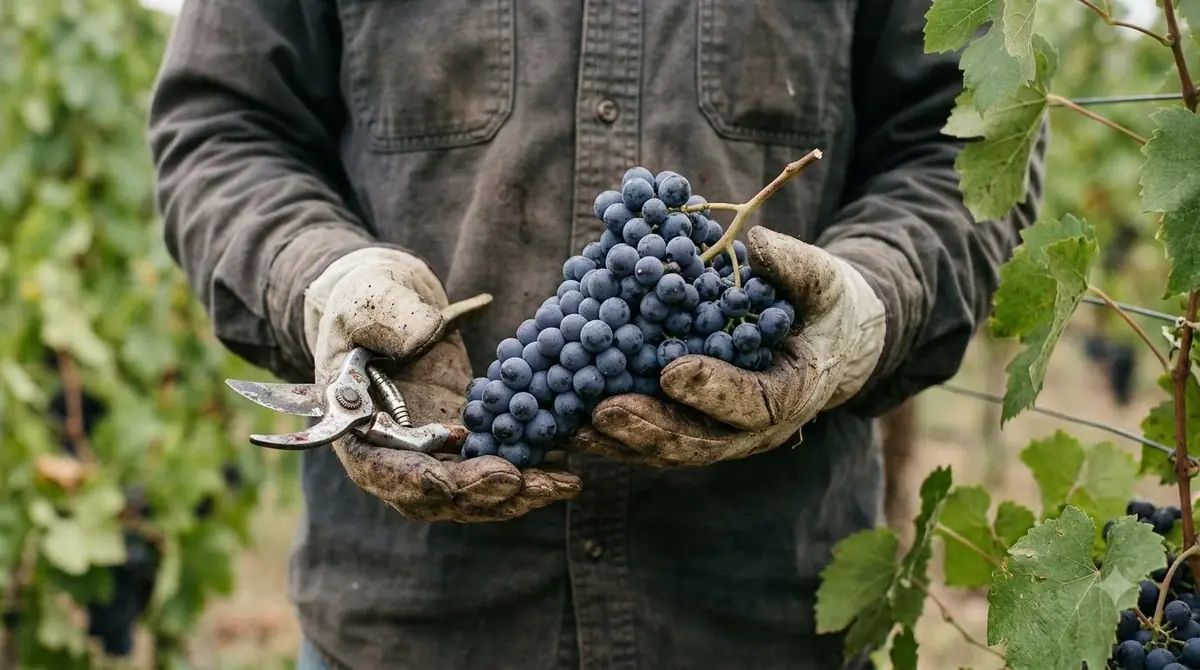
Almost every bottle of Picpoul is fermented dry in temperature-controlled stainless steel tanks without oak aging. Winemakers avoid oxygen exposure and new wood so the grape’s pure citrus snap and natural acidity remain front and center. A handful of producers leave the finished wine resting briefly on its fine yeast lees to add a subtle, creamy mid-palate roundness, though the finish always stays bone-dry and brisk.
Because it is crafted for immediate freshness rather than long-term aging, most Picpoul sits around 12% to 13% ABV and delivers its best energy within one to three years of the vintage date. That modest alcohol level and clean, unoaked profile keep your palate refreshed bite after bite rather than weighing down delicate ingredients.
Where Picpoul Grows
The spiritual and commercial home of the grape is Picpoul de Pinet, a dedicated appellation in the Languedoc region of southern France perched right beside the Étang de Thau saltwater lagoon. Vineyards here spread across limestone plateaus and sun-drenched slopes near the Mediterranean Sea, where steady coastal breezes cool the vines at night and lock in bright acidity.
That proximity to the Étang de Thau—one of France’s most famous oyster-farming lagoons—explains why local cuisine and Picpoul evolved hand in hand. For generations, coastal bistros have poured chilled carafes of Picpoul de Pinet straight from the tank alongside freshly harvested Bouzigues oysters and grilled Mediterranean fish.
Outside southern France, plantings remain relatively small, though adventurous growers in California and Washington State have planted pockets of Picpoul in warm, sunlit sites. American versions tend to show slightly riper stone-fruit notes like white peach and nectarine while preserving the grape’s signature citrus backbone.
How to Serve Picpoul
Proper temperature control makes all the difference with high-acid white wines, and Picpoul shines when served well chilled between 38°F and 45°F. Roughly two hours in a standard kitchen refrigerator—or twenty minutes in an ice-water bucket—brings the bottle right into that sweet spot.
If the wine is served straight from an ice-cold cooler near 35°F, the extreme chill can mute its subtle floral and herbal aromatics; letting the glass sit on the table for ten minutes allows the white blossom and thyme notes to open up. Pour it into a standard tulip-shaped white wine glass with a medium bowl, which directs the crisp citrus aromas toward your nose while keeping the wine cool.
There is no need to decant Picpoul, as aeration softens the exact briskness you want in the glass. Once opened, recork the bottle and keep it in the refrigerator, where it will stay vibrant for two to three days.
Best Picpoul Food Pairings
When planning a picpoul food pairing, think about how you use a fresh wedge of lemon in the kitchen: anywhere a squeeze of citrus brightens a dish, Picpoul works naturally. Its high acidity acts as a palate cleanser against oil, butter, and salt, while its subtle saline streak mirrors the natural brininess of ocean fare.
Raw and steamed shellfish sit at the top of the list. Reviewers at VinePair highlight Picpoul’s natural affinity for oysters, steamed Maine lobster, and New England clam chowder, noting that the wine’s lean, briny character mirrors raw shellfish while cutting cleanly through creamy, rich broths. Mussels steamed in white wine and garlic, chilled peel-and-eat shrimp, and seared sea scallops follow the exact same principle.
Crunchy fried foods are another standout match. Just as sparkling wine scrubs away oil with bubbles, Picpoul uses pure citrus acidity to slice through crispy batters. Try it alongside fried calamari with lemon aioli, beer-battered fish and chips, salt cod croquettes, Korean fried chicken, or crispy vegetable tempura.
On the lighter side, Picpoul pairs effortlessly with herb-driven salads, tangy goat cheese, basil or kale pesto pasta, and grilled white fish such as sea bass, sole, or cod finished with olive oil and fresh thyme. When your menu shifts toward richer roasted meats, grilled sausages, or hearty braised dishes where a crisp white would feel outmatched, look instead to a blaufrankisch food pairing or a savory carignan food pairing for structured red fruit and spice.
| Dish Category | Top Food Matches | Why the Pairing Works |
|---|---|---|
| Raw and Steamed Shellfish | Oysters on the half shell, steamed mussels, chilled shrimp, crab cakes | Coastal salinity echoes ocean brine while citrus acidity highlights sweet shellfish meat |
| Fried Appetizers and Mains | Fried calamari, fish and chips, salt cod croquettes, fried chicken | High natural acidity cuts through cooking oil and heavy batters without feeling heavy |
| Grilled and Baked White Fish | Lemon-herb sea bass, roasted cod with pesto, sole meunière | Bright Meyer lemon and thyme notes mirror Mediterranean herbs and olive oil |
| Salads and Light Pasta | Goat cheese salad with vinaigrette, basil pesto pasta, Caesar salad | Crisp structure stands up to sharp vinegar dressings, garlic, and tangy cheeses |
| Rich Seafood Soups | New England clam chowder, creamy seafood stew, bouillabaisse | Zippy acidity refreshes the palate between spoonfuls of cream or rich stock |
Tip: Treat Picpoul like a liquid squeeze of lemon—if a dish tastes better with fresh citrus juice over the top, it is almost guaranteed to pair well with a chilled glass of Picpoul de Pinet.
How to Choose a Good Bottle
Shopping for Picpoul is refreshingly straightforward because the appellation rules for Picpoul de Pinet keep the style remarkably consistent. Look for “Picpoul de Pinet” clearly printed on the front label; in many cases, the traditional tall, green, flute-shaped “Neptune” bottle embossed with Languedoc crests is an immediate visual cue that the wine hails from the core coastal zone.
Always check the vintage date on the bottle before buying. Because Picpoul is built around primary citrus fruit and electric acidity rather than oak structure, the freshest, liveliest bottles come from the most recent one or two harvests. Avoid older bottles sitting on warm shelves, as time dulls the crisp green apple and lemon snap.
If you enjoy Picpoul’s southern French character and want to explore a slightly fuller-bodied white from the same region, compare it side by side with a grenache blanc food pairing. While Picpoul leans lean, zesty, and saline, Grenache Blanc brings rounder stone fruit and herbal weight to richer Mediterranean dishes.
Frequently Asked Questions
What does Picpoul taste like?
Picpoul is a dry, light-bodied white wine bursting with fresh lemon, lime zest, green apple, and subtle white blossom aromas. It finishes with brisk, mouthwatering acidity and a faint mineral or salty tang that reflects its coastal southern French origins.
Is Picpoul sweet or dry?
Picpoul is almost always made in a crisp, bone-dry style. Although ripe harvests can show hints of honeydew melon or white peach on the nose, its high natural acidity keeps the palate completely dry and refreshing.
What is a good substitute for Picpoul in food pairing?
Muscadet Sèvre et Maine, Spanish Albariño, Italian Vermentino, and unoaked Pinot Grigio make the closest food-pairing substitutes. Each offers bright citrus acidity, light body, and mineral freshness that work well with oysters, white fish, and fried appetizers.
Can Picpoul pair with spicy Asian dishes?
Yes, Picpoul works surprisingly well with sushi, sashimi, ponzu-dressed oysters, and crispy Asian fried appetizers like egg rolls or tempura. Just keep extreme chili heat modest, since bone-dry, high-acid wines can amplify fiery spice rather than soothe it.
Whether you are shucking a dozen oysters on the half shell, frying up a batch of calamari, or tossing summer greens in a sharp lemon vinaigrette, a chilled bottle of Picpoul brings effortless brightness to the table. Keep a bottle in the refrigerator for weeknight seafood or casual gatherings whenever your menu calls for pure, palate-cleansing acidity.
More in Wine Types & Grapes
 What Does Mourvèdre Taste Like? Flavor Profile, Regions, and PairingsUpdated Nov 20, 2026
 What Does Marsanne Taste Like? Flavors, Styles, and Food PairingsUpdated Nov 20, 2026
 What Does Malvasia Taste Like? Styles, Flavors, and Food PairingsUpdated Nov 20, 2026
 What Does Grenache Blanc Taste Like? Flavor Profile, Styles, and PairingsUpdated Nov 20, 2026
 What Does Garnacha Taste Like? Key Flavors, Styles, and Pairing TipsUpdated Nov 20, 2026
 What Does Fruit Wine Taste Like? A Complete Flavor and Style BreakdownUpdated Nov 20, 2026