

We may earn a commission when you buy through links on this page, at no extra cost to you. Learn more.
Provence wine comes from the sunny south-east of France, where nine appellations make red, white and rosé, and rosé accounts for more than half of the region’s output. According to the Wikipedia overview of Provence wine, winemaking here stretches back at least 2,600 years, and the largest appellation, Côtes de Provence, produces nearly 75% of the region’s wine. Bandol, Les Baux-de-Provence and Cassis each have a distinct style, so the region rewards exploring beyond its best-known pink wines.
This guide looks at Provence as a whole wine region. It covers the main appellations, the grapes behind the reds and whites, the long history that shaped the vineyards, and how to choose bottles that show the range. If you want to focus on the region’s most famous style, the separate guide to rosé is the right place, but here the goal is the bigger picture.
A long history in the south of France
Wine has been made in Provence for at least 2,600 years. According to the Wikipedia overview, the ancient Greeks began producing wine soon after they settled the area, and the founding of Marseille is dated to around 600 BC. That early start means Provence has one of the longest continuous winemaking traditions in France.
The Romans reached the area in 125 BC and called it “provincia nostra,” meaning “our province.” It became the first Roman province outside Italy, and vines spread through the region under Roman rule. Winemaking then carried on through the centuries, with the trade shaped by ports, trade routes and local demand.
The region’s vineyards were badly hit when phylloxera arrived at the end of the 19th century. Replanting and later the growth of rail links to markets such as Paris helped the industry recover, and the modern appellations grew from that rebuilding.
The nine appellations of Provence
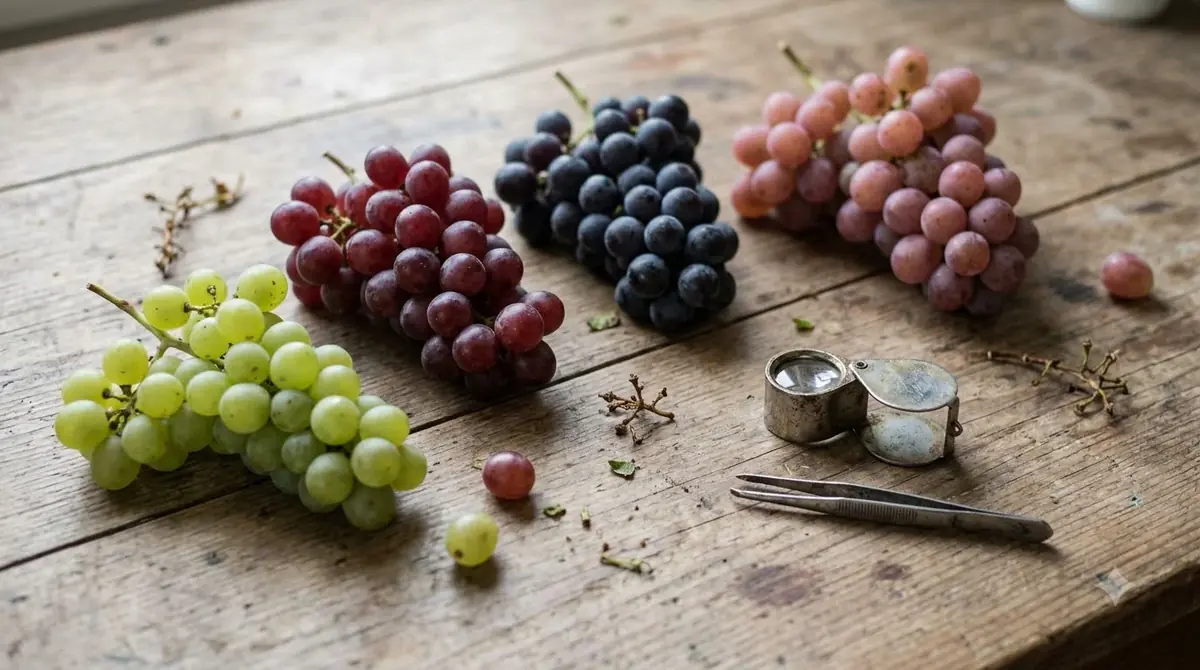
Provence has nine AOC appellations, and each one has its own character. Knowing which one a bottle comes from tells you a lot about its likely style, since the mix of reds, whites and rosés differs sharply from place to place.
| Appellation | What it is known for |
|---|---|
| Côtes de Provence | The largest appellation, covering over 85 communes and nearly 75% of the region’s wine; about 80% of its output is rosé |
| Coteaux d’Aix-en-Provence | The second largest, covering over 50 communes; roughly 60% red, 35% rosé and 5% white |
| Coteaux Varois en Provence | AOC status from 1993; over 60% rosé and around a third red |
| Les Baux-de-Provence | AOC status from 1995; around 80% red |
| Bandol | Nearly 70% red, dominated by Mourvèdre, and one of the region’s best-known names internationally |
| Cassis | White wine makes up over 75% of production |
| Bellet, Palette and Pierrevert | Smaller appellations with distinctive local character |
The variety of appellations is one reason Provence is hard to summarise in a single style. A wine from Bandol will often be firm and structured, while a Cassis white shows a different kind of freshness.
The grapes behind Provence’s wines
For reds, Mourvèdre is the main variety, with Grenache, Cinsault, Carignan, Syrah and Cabernet Sauvignon also grown. Mourvèdre gives structure and dark fruit, and it is the backbone of many of the region’s serious reds, particularly in Bandol.
For whites, the list is long. Rolle, known as Vermentino in Italy, is among the most important, alongside Clairette, Bourboulenc, Ugni blanc, Sauvignon blanc, Chardonnay, Sémillon, Marsanne and Viognier. Cassis is especially associated with white wine made from these varieties.
Rosé is made from a blend of grapes, with Cinsault often at its centre and Grenache and Mourvèdre frequently added. Tibouren is also used. The Wikipedia overview says rosé now accounts for more than half of Provençal wine production, so it is hard to avoid when you explore the region.
Tip: If you are unsure where to start, look for the appellation on the label first. It tells you more about the style than the colour alone.
Bandol and the Mourvèdre style
Bandol is one of the most internationally recognised names in Provence. Its reds are dominated by Mourvèdre, which the region has built its reputation around. These wines are often firm, savoury and built to age, and they reward patience in the cellar.
Because Bandol is so distinct, it is a useful benchmark when you compare other Provence reds. A Côtes de Provence red made with more Grenache may feel softer, while a Coteaux d’Aix red can show a different balance of fruit and structure.
Cassis and the white wines of Provence
Cassis is a small appellation on the coast, and white wine makes up over 75% of its production. The whites here are typically fresh and aromatic, and the local grape varieties give them a fresh, savoury profile that suits seafood well.
The wider region also produces whites from the Rolle and other varieties listed above. Trying a white from Cassis alongside a white from another appellation is a good way to see how place shapes a wine that is made from similar grapes.
Cru classé estates and quality
The Wikipedia overview notes that Provence has 18 classified Cru Classé estates, a list first designated in 1955. It names Domaine de Trévallon as the region’s most famous estate. Classification is one signal of a producer’s reputation, but it is not the only guide, and many excellent wines come from estates outside the list.
How to choose a Provence wine
Start with the appellation, then the colour, then the producer. If you want a light, fresh wine for a warm afternoon, look at Côtes de Provence rosé or a Cassis white. For a more structured red, look at Bandol or Les Baux-de-Provence. Vintage also matters, because warm and cool seasons change ripeness and acidity.
Labels in Provence can be detailed, so read the appellation and grape information carefully. If you are buying for a dinner, match the style to the food: lighter wines suit salads and seafood, while fuller reds work with grilled meats and herb-heavy dishes.
Visiting the wine regions of Provence
Provence is large, and the appellations are spread across the region, so plan a route around one or two areas rather than trying to cover everything. Many estates offer tastings by appointment, and it is wise to book ahead in busy months. Checking an estate’s own website before you visit is the simplest way to confirm opening days, since small producers often change their hours by season. Visiting in the cooler parts of the day can make walking between vineyards more comfortable.
Arrange a designated driver or taxi before you go. Water between tastings and spitting when you taste are sensible habits that help you judge several wines without overindulging.
Frequently Asked Questions
How many appellations does Provence have?
The Wikipedia overview describes nine AOC appellations, including Côtes de Provence, Coteaux d’Aix-en-Provence, Bandol, Cassis and Les Baux-de-Provence.
What is the main grape in Provence red wine?
Mourvèdre is the main red variety, and it is the backbone of Bandol. Grenache, Cinsault, Carignan, Syrah and Cabernet Sauvignon are also grown.
Does Provence only make rosé?
No. Rosé is the largest share of output, but the region also makes significant red wine, particularly in Bandol and Les Baux-de-Provence, and white wine, especially in Cassis.
How old is winemaking in Provence?
The Wikipedia overview says wine has been made in the region for at least 2,600 years, with the ancient Greeks starting production soon after they settled the area.
Provence wine is best understood as a family of appellations rather than a single style. Start with the appellation on the label, try a white from Cassis or a red from Bandol, and then compare how the same grapes change from place to place. For a full historical account, the Wikipedia article on Provence wine is a useful reference, and for visits, see the guide to provence wineries, or compare the region with douro wine in Portugal.
More in Wine Regions
 Willcox Wine Trail: Discover Arizona’s High-Elevation Wine CountryUpdated Nov 20, 2026
 Yakima Valley Wine Region: Find the Best Styles to TryUpdated Nov 20, 2026
 Vosne Romanee Wine Tasting: Identify Aromas and Choose Better PairingsUpdated Nov 20, 2026
 Yakima Valley Wine Festival: Find the Best Seasonal Wine EventsUpdated Nov 20, 2026
 Wales Vineyards: Discover Cool-Climate Wines and Where to VisitUpdated Nov 20, 2026
 Yountville Wine Festival: Discover Napa Wines and Local FoodUpdated Nov 20, 2026