

We may earn a commission when you buy through links on this page, at no extra cost to you. Learn more.
The best wine for date night is a bottle that suits both people’s preferences and complements the dinner, with Pinot Noir, Sauvignon Blanc, Chardonnay, and sparkling wine offering versatile starting points. Choose a lighter red for salmon or mushroom dishes, a crisp white for seafood, or a fuller red for steak. If the menu is still undecided, dry sparkling wine or Pinot Noir makes a flexible choice that can work across several courses. The right bottle should make dinner more enjoyable rather than turn the evening into a wine examination.
A date-night bottle does not have to be expensive, rare, or difficult to understand. The more useful questions are what you plan to eat, whether both people enjoy red or white wine, and how sweet, acidic, or full-bodied you want the wine to taste. A little planning helps avoid a bottle that overwhelms dinner or sits untouched because its style does not suit either person’s preferences.
Who Should Choose These Date-Night Wines
The best date-night wine depends on the kind of evening you are planning, the food on the table, and the drinking preferences of both people. A relaxed homemade dinner, a steakhouse reservation, and a celebration with appetizers call for different wine styles.
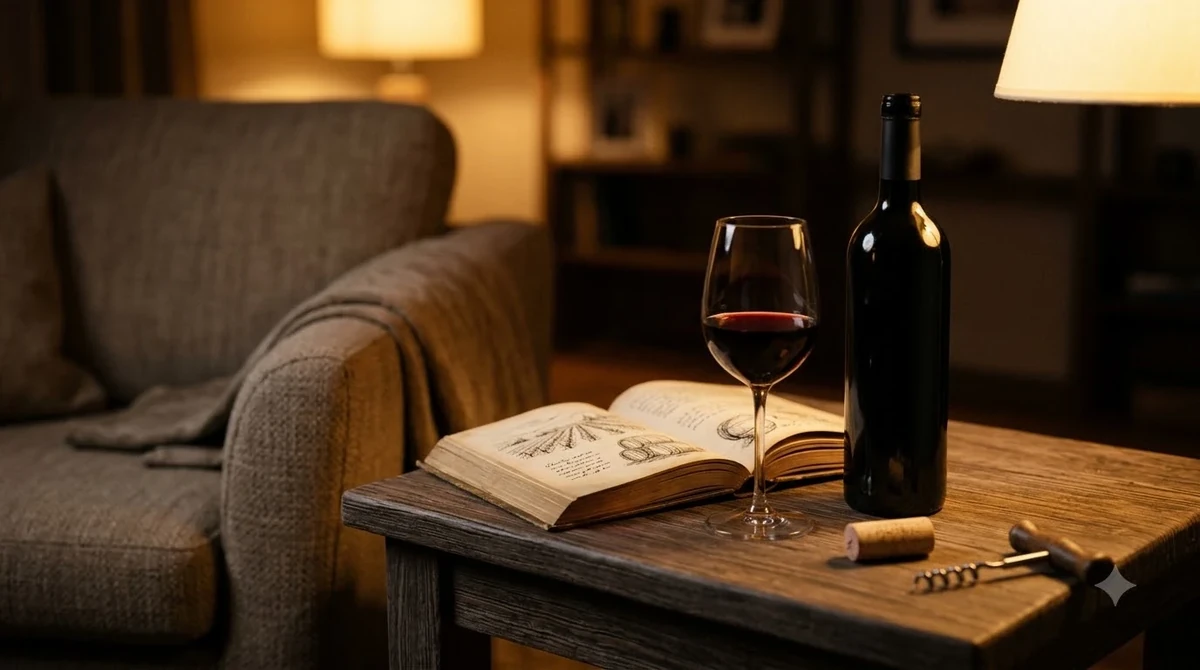
Couples planning a classic dinner. Pinot Noir is a particularly useful choice when the menu includes roast chicken, salmon, mushroom pasta, or duck. Its medium-light body, relatively soft tannins, and lively acidity make it less imposing than a heavily structured Cabernet Sauvignon. It also offers enough character to feel appropriate for a special dinner without demanding a complicated food pairing.
Couples who prefer white wine. Sauvignon Blanc works well for seafood, salads, goat cheese, grilled vegetables, and dishes with lemon or fresh herbs. Chardonnay is another strong option, especially when the meal includes roast chicken, buttery seafood, or creamy pasta. The difference is largely one of texture: Sauvignon Blanc is generally brighter and more sharply acidic, while Chardonnay usually has more body and a softer impression.
Couples celebrating an occasion. Sparkling wine adds a celebratory feel before dinner even begins. Brut sparkling wine is a versatile starting point because it generally tastes dry and refreshing. It can accompany salty appetizers, fried foods, seafood, and lighter starters. Champagne, Cava, and Prosecco offer different styles, but they do not need to be reserved for birthdays or anniversaries.
Couples with different preferences. When one person likes red wine and the other prefers white, consider ordering two different glasses rather than insisting on one shared bottle. If sharing a bottle matters, dry rosé, Pinot Noir, and Brut sparkling wine can be practical compromises. These styles are generally approachable without being as heavy or tannic as powerful red wines.
Wine beginners should also feel comfortable choosing familiar grape varieties rather than obscure regional names. Someone who enjoys fruity, lighter wines may prefer Pinot Noir or a dry rosé, while someone who likes a richer texture may gravitate toward Chardonnay or Merlot. The important thing is that the wine tastes appealing to the people drinking it.
Key Factors to Compare Before Buying
Compare sweetness, acidity, tannin, body, food compatibility, and serving temperature before choosing a bottle. These characteristics have a more direct effect on the dinner experience than the prestige of a producer or the appearance of its label.
| Wine style | Typical structure | Good dinner matches | Serving temperature |
|---|---|---|---|
| Pinot Noir | Low-medium tannin, high acidity | Salmon, chicken, mushrooms | 55–60°F |
| Merlot | Medium, softer tannins | Beef, roast chicken, pasta | 60–65°F |
| Cabernet Sauvignon | High tannin, fuller body | Steak, lamb, rich meat dishes | 60–65°F |
| Sauvignon Blanc | High acidity, light body | Seafood, salads, goat cheese | 45–50°F |
| Chardonnay | Medium acidity, medium to full body | Chicken, creamy pasta, lobster | 50–55°F |
| Dry rosé | Refreshing acidity, light to medium body | Salads, grilled vegetables, appetizers | 45–50°F |
| Brut sparkling | High acidity, dry finish | Oysters, appetizers, fried foods | 40–50°F |
| Riesling | High acidity, dry to sweet styles | Spicy dishes, seafood, Asian cuisine | 45–50°F |
Sweetness is a good first comparison. Dry wine generally works well with savory dishes that do not contain much sugar. However, a slightly sweet or off-dry wine can be more suitable for spicy food, fruit-based sauces, and dishes with noticeable sweetness. A very dry wine served with a sweet sauce can taste sharper and less fruity than expected.
Acidity is another important factor. Sauvignon Blanc and Riesling generally have high acidity, which makes them useful with lemon, tomatoes, vinegar-based dressings, and other tart ingredients. Chardonnay generally has medium acidity, making it suitable for dishes that need a rounder, richer wine. If the food is distinctly acidic, the wine should have equal or higher acidity to avoid tasting flat.
Tannin matters most when choosing a red. Cabernet Sauvignon has high tannin, which creates a drying sensation that works well with the fat and protein in steak. Merlot usually has softer, medium tannins, while Pinot Noir has comparatively low to medium tannin. If the meal consists of delicate seafood or lightly seasoned chicken, a strongly tannic red can dominate the food.
Body describes how substantial a wine feels in the mouth. A light-bodied wine can disappear beside a rich ribeye, while a powerful Cabernet Sauvignon can overwhelm a delicate white fish dish. Match the general weight of the wine with the weight of the food. This does not mean every ingredient must be matched individually; the dominant sauce and preparation method often matter more than the protein alone.
Finally, consider alcohol level and serving temperature. A high-alcohol wine can make spicy dishes feel hotter, while serving a red wine too warm can make its alcohol seem more pronounced. The temperatures in the table provide useful starting points for a dinner at home.
Step-by-Step: How to Pick the Right Bottle
A straightforward buying process helps narrow the options without requiring advanced wine knowledge. Start with the dinner, identify the preferred wine style, and then choose a bottle with enough flexibility to suit the entire meal.
- Decide what dinner will include. Write down the main course and its dominant sauce or seasoning. Steak with peppercorn sauce, for example, calls for a different wine from grilled salmon with lemon butter. A creamy pasta dish also has different pairing needs from tomato-based pasta.
- Ask what both people actually enjoy. If one person prefers soft reds and the other dislikes tannins, a powerful Cabernet Sauvignon is probably not the right shared choice. If both enjoy crisp whites, choose Sauvignon Blanc, Albariño, or a dry Riesling instead.
- Choose a grape variety or wine category. Pinot Noir is a reliable starting point for a lighter red, Merlot for a softer and rounder red, and Cabernet Sauvignon for a fuller, structured red. For white wine, Sauvignon Blanc is crisp, Chardonnay is generally richer, and Riesling offers a wide range of sweetness levels.
- Match the wine to the strongest food characteristic. Look beyond the main ingredient. Lemon, vinegar, cream, butter, smoke, chili, and sweet glazes can change the pairing. A grilled chicken breast with lemon sauce may suit a high-acid white better than a red wine traditionally associated with poultry.
- Choose the sweetness level. For a savory meal, dry wine is usually a sensible default. For dishes with honey, sweet barbecue sauce, or noticeable chili, an off-dry Riesling may be a better match. For dessert, choose a wine at least as sweet as the dessert.
- Consider whether the bottle needs to work across courses. A bottle of Brut sparkling wine can cover appetizers and several lighter dishes. Pinot Noir is useful when moving from mushroom starters to roast chicken. A powerful Cabernet Sauvignon is more specialized and generally suits the main course rather than every dish on the table.
- Plan the quantity and chilling time. A standard 750 ml bottle provides approximately five 5-ounce glasses. For two people having one glass each, one bottle provides more than enough. Chill whites and sparkling wine in advance and allow red wine to approach its recommended serving temperature.
One practical way to simplify the decision is to use the same grape variety both people already enjoy, but select a different producer or region to make the evening feel a little more special. Familiarity is often more valuable than buying a bottle with an impressive-sounding description that neither person understands.
For a broader overview of choosing bottles by style, occasion, and food, the wine-buying guide provides a useful starting point. It also helps distinguish a wine that suits a particular meal from one that simply looks appealing on a store shelf.
Tip: If the menu is uncertain, choose a dry sparkling wine or a medium-bodied Pinot Noir. Both offer more flexibility than a very sweet white or heavily tannic red, making them practical options for a dinner with several different dishes.
Types and Styles Explained for a Romantic Dinner
Different wine categories create different moods and pairing possibilities. Understanding the basic differences between reds, whites, rosés, sparkling wines, and sweeter styles makes it easier to select a bottle that feels right for the occasion.
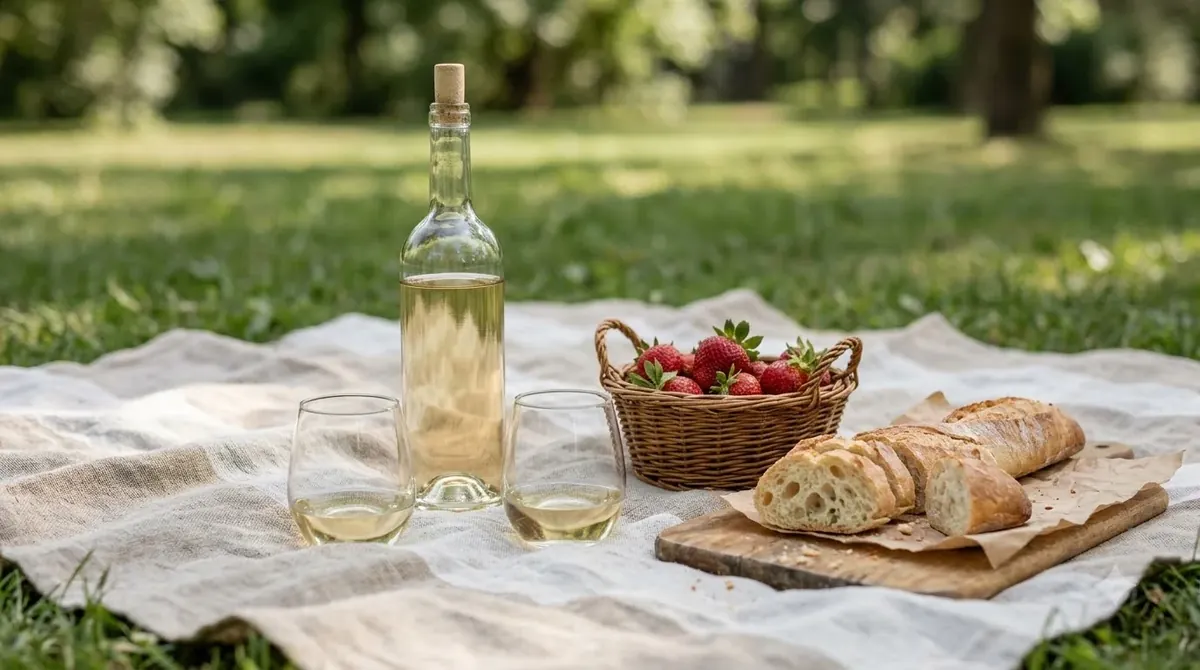
Pinot Noir: The versatile red. Pinot Noir is one of the safest red choices for a date-night dinner involving several dishes. It generally has lower tannin than Cabernet Sauvignon, high acidity, and a lighter body. Depending on the producer and growing region, it can show red cherry, raspberry, cranberry, earthy notes, or subtle spice.
Try Pinot Noir with roast chicken, salmon, mushroom risotto, duck, or a plate of soft cheeses. Its acidity helps keep the wine refreshing, while its comparatively restrained tannins avoid overwhelming more delicate foods. It is also a sensible choice for people who enjoy red wine but do not want a heavy, mouth-drying style.
Merlot: The softer red. Merlot generally has medium tannin and a rounder, softer texture than Cabernet Sauvignon. It can show plum, blackberry, cherry, and cocoa-like characteristics, depending on its origin and production style. This makes it suitable for people who want a red wine with noticeable fruit and enough structure for a substantial dinner.
Serve Merlot with roast chicken, meatballs, grilled pork, beef pasta, or moderately rich cheese dishes. A fruit-forward Merlot can also work with a casual dinner of pizza and roasted vegetables. It is a useful alternative for someone who finds Cabernet Sauvignon too firm or astringent.
Readers comparing sweeter styles can also explore sweet red wine. It is important to distinguish sweetness from ripe-fruit aromas: a wine that smells of cherries or blackberries can still be completely dry.
Cabernet Sauvignon: The full-bodied dinner red. Cabernet Sauvignon generally has high tannin, substantial structure, and a fuller body. Common flavor impressions include blackcurrant, dark cherry, cedar, and spice, although these characteristics vary by region and winemaking approach. It is a natural candidate for steakhouse dinners and meals featuring grilled beef.
Pair it with ribeye, filet mignon, lamb chops, short ribs, or a rich beef stew. The protein and fat in these foods help soften the wine’s drying tannins. Cabernet Sauvignon is less suitable for delicate seafood, lemon-heavy dishes, and lightly seasoned appetizers because its structure can overpower them.
For readers who want to compare structured reds with softer options, a guide to dry red wine can help explain how different grape varieties vary in tannin, body, and finish.
Sauvignon Blanc: The crisp white. Sauvignon Blanc is a good choice for a fresh, lighter dinner. It generally has high acidity and can show citrus, green apple, herbs, grapefruit, and tropical fruit. The style is particularly useful when the meal includes seafood, vegetables, goat cheese, or citrus-based sauces.
Serve it with grilled shrimp, oysters, scallops, lemon chicken, green salads, or herb-seasoned fish. Its acidity provides contrast to richer ingredients, while its lighter body allows delicate flavors to remain noticeable. It is also a practical choice for a warm-weather dinner or an outdoor date.
Chardonnay: The richer white. Chardonnay can range from crisp and mineral to rounded and creamy. Its body is generally greater than Sauvignon Blanc, and its acidity is usually medium rather than particularly high. Oak-aged versions may introduce vanilla, toast, and baking-spice impressions, while unoaked versions tend to emphasize fresh fruit and a cleaner finish.
Choose Chardonnay for lobster, roast chicken, buttery scallops, creamy mushroom pasta, or dishes with a rich sauce. If the dinner includes a strongly acidic lemon dressing, a particularly soft and heavily oaked Chardonnay may not be the best match. A fresher Chardonnay style is usually more flexible.
For more options beyond Chardonnay, see the guide to dry white wine, especially when comparing crisp, mineral styles with fuller-bodied whites.
Dry rosé: The middle ground. Dry rosé offers a balance between the freshness of white wine and some of the fruit character associated with red wine. It is generally light to medium-bodied, with refreshing acidity and flavors that may include strawberry, watermelon, citrus, and red berries.
Pair dry rosé with grilled shrimp, charcuterie, roasted vegetables, Mediterranean salads, chicken skewers, or a light pasta dish. It can also be a good shared choice when one person likes red fruit flavors and the other prefers the freshness of white wine.
Sparkling wine: The celebratory choice. Brut sparkling wine is especially useful for a date night because its acidity and bubbles work with salty, rich, and fried foods. Champagne and Cava undergo their second fermentation in the bottle, while Prosecco is generally made using the tank method and the Glera grape.
For a dry sparkling wine, Brut is a sensible default. The sparkling sweetness scale also includes Brut Nature, Extra Brut, Extra Dry, Dry, Demi-Sec, and Doux, progressing from very dry to sweet. Extra Dry is actually sweeter than Brut, a detail that can help avoid confusion when selecting a bottle.
Riesling: The flexible white. Riesling is especially useful for dinners with aromatic spices, sweet sauces, or a mixture of salty and spicy flavors. It has high acidity and can be made in styles ranging from bone-dry to noticeably sweet. An off-dry Riesling can complement mildly spicy Thai food, Indian dishes, and Asian-inspired meals.
For dessert, sweet Riesling can work with fruit tarts and other moderately sweet dishes. The important rule is that the wine should be at least as sweet as the dessert, or the wine may seem sour and less expressive.
For additional pairing examples, Wine Folly’s food and wine pairing guide explains how acidity, sweetness, tannin, and flavor intensity influence the relationship between a dish and its wine.
Common Mistakes When Choosing Date-Night Wine
The most common wine-buying mistakes involve choosing a bottle based on reputation alone, overlooking the food, or assuming that red wine is automatically better for a romantic dinner. A few simple adjustments can make the selection more successful.
Choosing the most expensive-looking bottle. A higher price does not guarantee that a wine will suit a particular meal or personal preference. A well-chosen Pinot Noir may create a much better dinner experience than a powerful Cabernet Sauvignon if the food is salmon or mushroom pasta. The quality of the match matters more than the prestige of the label.
Assuming red wine always belongs with meat. The preparation method and sauce are often more important than the protein. Grilled salmon can pair with Pinot Noir, while chicken in a creamy mushroom sauce may work well with Chardonnay. Likewise, a strongly seasoned vegetable dish can be more suitable for a medium-bodied red than a delicate white.
Ignoring sweetness in the food. A sweet glaze, caramelized onion topping, barbecue sauce, or fruit-based dessert can make a very dry wine taste sharp. Match the sweetness level of the food with the wine rather than relying on grape variety alone. An off-dry Riesling can be a more comfortable partner for mildly sweet or spicy dishes than a very dry Sauvignon Blanc.
Serving Cabernet Sauvignon with every course. High-tannin reds are excellent with rich meat dishes, but they can overwhelm oysters, delicate white fish, and salty appetizers. The Washington State Wine Commission’s wine pairing cheat sheet explains how salt, acidity, fat, tannin, and alcohol affect food-and-wine combinations. A dry sparkling wine or high-acid white can be more appropriate for the opening course.
Pairing oily fish with strongly tannic reds. Oily fish such as salmon can work with lighter reds like Pinot Noir, but a heavily tannic Cabernet Sauvignon is generally a less comfortable match. High acidity in white wine is often a more reliable option for oily fish, particularly when lemon, herbs, or vinaigrette are involved.
Choosing high-alcohol wine for very spicy food. Alcohol can amplify the perception of chili heat, while tannin can make an already intense meal feel more aggressive. For dishes with noticeable chili, consider an off-dry Riesling or a lower-alcohol wine with refreshing acidity instead of a powerful red.
Serving every wine at room temperature. Modern indoor temperatures can be considerably warmer than ideal red-wine serving conditions. Full-bodied reds generally show better around 60–65°F, while sparkling wines are best served around 40–50°F. A brief period of chilling can improve the balance and freshness of a wine.
Buying a bottle neither person wants. A date night should not require either person to pretend to enjoy a wine style. If one person dislikes oak-heavy Chardonnay or the other dislikes tannic reds, choose another category. Two different glasses are perfectly reasonable when the preferences are too far apart for one shared bottle.
Care and Storage Tips Before and After Dinner
Proper storage and serving make a noticeable difference to how wine performs at the table. A little preparation before dinner helps preserve freshness, bring out the intended texture, and avoid wasting an unfinished bottle.
Store unopened wine properly. Keep bottles away from direct sunlight, strong temperature changes, and sources of heat. For longer-term storage, a consistent temperature near 55°F is a useful target. Bottles sealed with traditional corks are generally stored on their sides so the cork remains in contact with the wine. Avoid leaving bottles beside an oven, radiator, or sunny window.
Chill white and sparkling wine in advance. Put sparkling wine in the refrigerator several hours before dinner. Light whites and rosé are best around 45–50°F, while fuller-bodied whites such as Chardonnay are generally best around 50–55°F. Very cold wine can lose some aromatic expression, so avoid leaving the bottle in the freezer for an extended period.
Bring red wine to an appropriate temperature. Light reds such as Pinot Noir are generally served around 55–60°F. Fuller reds such as Merlot and Cabernet Sauvignon are better around 60–65°F. If the room is warm, placing the bottle in the refrigerator briefly before dinner can help. Red wine does not need to be warm to be enjoyable.
Use suitable glasses. A medium-sized wine glass is sufficient for most date-night wines. Pinot Noir benefits from a bowl that provides room for its aromas, while Sauvignon Blanc can be served in a more modest white-wine glass. Sparkling wine can be served in a flute or a tulip-shaped glass. The glass does not need to be expensive or from a particular brand.
Pour moderate servings. A standard wine serving is approximately 5 ounces, and a 750 ml bottle contains roughly five such servings. For two people, that provides about two glasses each with a small amount remaining. Smaller pours can also be useful when dinner includes several courses or different wines.
Decant when appropriate. Young, full-bodied red wines can benefit from 30–60 minutes of aeration before dinner. This is particularly useful for structured Cabernet Sauvignon and some Syrah styles. Pinot Noir and lighter reds generally need less time, and older wines may require more careful handling rather than prolonged aeration.
Preserve unfinished wine. Recap still wines and refrigerate them after dinner, including red wines. As a general guideline, opened still wines keep for approximately 3–5 days, while sparkling wine usually keeps for 1–3 days with a suitable sparkling-wine stopper. Fortified wines can last several weeks after opening, depending on style and storage. Taste and aroma will gradually change as oxygen affects the wine.
Plan the next day’s use. Leftover wine can be used in cooking, provided it remains fresh and has not developed unpleasant oxidation or spoilage characteristics. A little leftover red wine can contribute depth to a pan sauce, while white wine can be used in seafood or chicken preparations. Refrigeration and a tightly sealed container help preserve it until needed.
Frequently Asked Questions
What wine is considered the most romantic for a date night?
There is no official romantic wine category, but sparkling wine is strongly associated with celebrations and special occasions. A bottle of Champagne, Cava, or Prosecco can make an opening toast feel distinctive. The most meaningful choice is still a style both people enjoy.
Is a half bottle of wine enough for two people?
A standard 375 ml half bottle contains approximately 2.5 servings of 5 ounces. That is enough for one modest glass each with a small remainder. It is a practical option when both people want to enjoy a single glass without opening a full bottle.
Can you bring wine to a restaurant for a date?
Many restaurants permit guests to bring their own bottle through a policy called corkage, but the rules differ by establishment. Ask about the corkage fee, bottle restrictions, and whether advance approval is required before bringing wine. Some restaurants do not allow outside bottles at all.
Should you open red wine before your date arrives?
For a young, structured red, opening the bottle approximately 30–60 minutes before dinner can help with aeration. A simple Pinot Noir may need much less preparation. If the wine is older, avoid automatically giving it extended exposure to air because delicate aromas can fade.
What wine works for a date night without alcohol?
Alcohol-free sparkling wine is an option for people who want bubbles and a celebratory presentation without alcoholic wine. Other choices include alcohol-free white and red wine alternatives. Production methods vary, so the finished drinks can differ substantially in sweetness, acidity, aroma, and texture.
The best wine for date night is the bottle that fits the dinner and makes both people happy to share another glass. Pinot Noir, Sauvignon Blanc, Chardonnay, dry rosé, and Brut sparkling wine provide dependable starting points for different menus and preferences. Choose a style you both enjoy, serve it at the right temperature, and let the food and conversation take center stage.
More in Wine Buying Guides
 Cheap Red Blend: How to Find a Flavorful Bottle for LessUpdated Nov 20, 2026
 Pinot Grigio Gift: How to Choose a Bottle They’ll EnjoyUpdated Nov 20, 2026
 Best White Wine at Total Wine for Every MealUpdated Nov 20, 2026
 Wine Fridge Replacement Shelves: Find the Right FitUpdated Nov 20, 2026
 Best Sparkling Wine Under 20: Find Bubbles Worth BuyingUpdated Nov 20, 2026
 Best Wine For Birthday Celebrations With Perfect Party PairingsUpdated Nov 20, 2026