

We may earn a commission when you buy through links on this page, at no extra cost to you. Learn more.
Petite Sirah alcohol content typically ranges from 13.5% to 15.5% ABV, placing it squarely in the full-bodied, high-alcohol category of dry red wines. Warm-climate expressions from California regions such as Lodi, Napa Valley, and Paso Robles frequently reach 14.5% to 16% ABV due to intense sunshine and ripe sugar accumulation. Cooler vineyard sites and restrained winemaking styles occasionally produce bottles closer to 13.5% ABV while retaining the grape’s signature dark fruit concentration and firm tannic structure.
Understanding how alcohol behaves in this dark-skinned red wine helps explain why a single glass feels so rich, warming, and structured on the palate. Because the small, thick-skinned berries pack immense color, tannin, and natural grape sugars into every cluster, fermentation routinely yields higher alcohol levels than medium-bodied reds like Pinot Noir or Merlot.
What Is Petite Sirah?
Petite Sirah is a full-bodied dry red wine grape best known for producing opaque, inky purple wines with high tannins, intense black fruit flavors, and substantial alcohol levels. Originally bred in France in the 1880s under the name Durif, the variety arrived in California in 1884 and quickly became a staple for both single-varietal bottlings and hearty red blends.
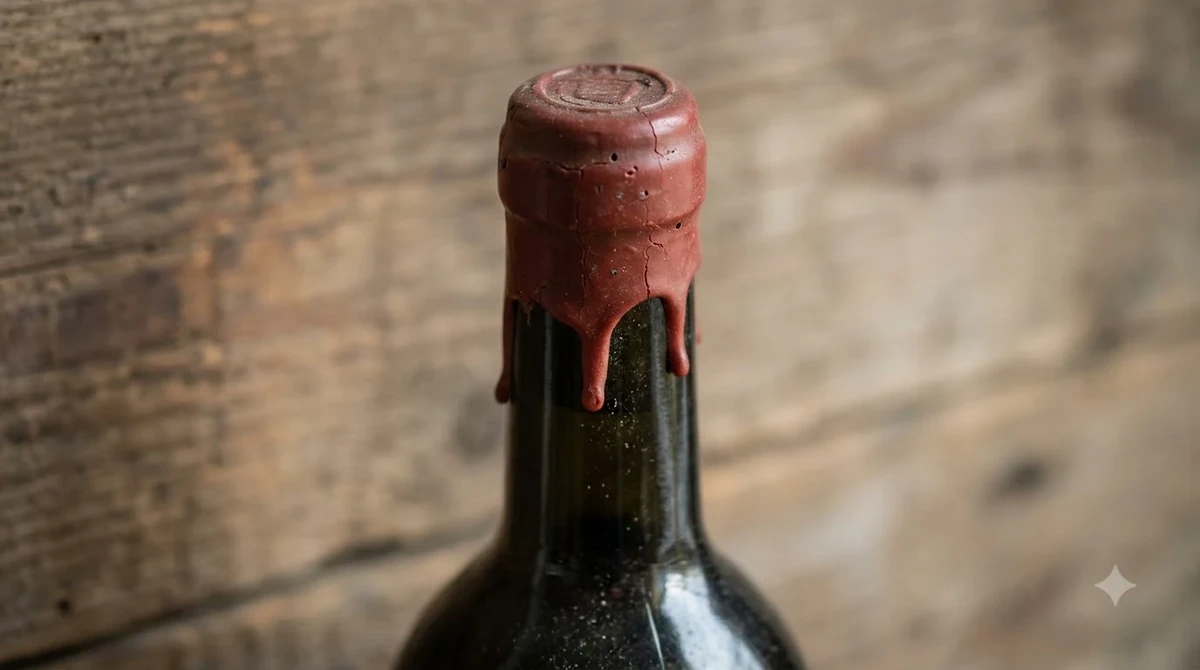
Despite the similar name, Petite Sirah is not simply a smaller-berried clone of Syrah. Ampelographers confirmed through DNA profiling that the grape is an intentional cross between Syrah and Peloursin, an obscure red variety native to the French Alps. The word “petite” refers to the unusually small size of the individual berries rather than the vine itself or the weight of the finished wine.
Those tiny berries create an exceptionally high skin-to-juice ratio during winemaking. According to Wine Folly’s Petite Sirah grape guide, the grape is prized for its deep pigmentation, rich black fruit profile, and bold tannins. Because small berries dehydrate and concentrate sugars quickly under warm afternoon sun, fermenting all that natural sugar to dryness naturally pushes Petite Sirah alcohol content upward.
Petite Sirah Alcohol Content by Style and Region
While the baseline range for dry Petite Sirah sits between 13.5% and 15.5% ABV, regional climate and harvest timing create noticeable differences from bottle to bottle. Warmer inland appellations generate higher sugar levels and fuller-bodied wines, whereas coastal or elevated vineyards preserve brighter acidity and slightly lower alcohol.
| Wine Style or Origin | Typical ABV Range | Body and Palate Profile | Sweetness Level |
|---|---|---|---|
| Cooler-Climate or Restrained California | 13.5% – 14.2% ABV | Medium-full body, brisk acidity, crushed blackberry, black pepper, firm grip | Dry |
| Classic California (Napa, Sonoma, Lodi) | 14.5% – 15.5% ABV | Full body, plush blueberry, dark chocolate, baking spice, dense tannins | Dry |
| Late-Harvest or Hot-Climate Ripe Styles | 15.5% – 16.0%+ ABV | Heavy, velvety texture, jammy plum, mocha, warming alcohol finish | Dry to off-dry |
| Australian Durif (Rutherglen & Victoria) | 14.0% – 15.5% ABV | Full body, dark berries, licorice, earthy spice, chalky tannins | Dry |
| Fortified Petite Sirah Port-Style | 18.0% – 20.0% ABV | Syrupy, rich dried fig, blackberry compote, dark cocoa | Sweet |
In California’s warmest growing zones—including Lodi, Paso Robles, and parts of Napa Valley—extended hang time allows the grapes to reach peak ripeness before picking. Wine critics and retailers frequently document single-varietal California bottlings landing around 14.5% to 15.5% ABV, with select old-vine or late-picked releases climbing past 15.5% ABV. At this level, the alcohol lends a glycerine-like weight and subtle sweetness on the mid-palate that softens the grape’s naturally assertive tannins.
In contrast, vineyards exposed to coastal fog or higher elevations—such as parts of Monterey County, Mendocino, or central Arizona—often harvest slightly earlier to protect natural acidity. Reviewing regional releases, VinePair and Decanter have noted balanced expressions clocking in between 13.5% and 13.9% ABV. Even at the lower end of its spectrum, the wine remains deeply colored and concentrated rather than light-bodied.
Winemakers also occasionally fortify Petite Sirah with neutral grape spirit to create sweet, Port-style dessert wines. Stopping fermentation early leaves residual sugar in the glass while raising the final strength to roughly 18% to 20% ABV, putting those specialty bottlings in the same fortified category covered in our guide to tawny port alcohol content and marsala alcohol content.
What Drives High Alcohol in Petite Sirah?
Three overlapping factors—berry anatomy, vineyard climate, and fermentation choices—explain why Petite Sirah routinely carries more alcohol than many classic European reds. Understanding these variables makes it much easier to predict how warm or heavy a specific bottle will taste before pulling the cork.
First, the grape’s tight clusters and small berries are prone to uneven ripening and rapid sugar accumulation late in the growing season. As Decanter notes in its overview of Syrah and Petite Sirah, the variety thrives in warm climates where it builds thick skins, firm tannins, and high alcohol potential. Growers often wait until the seeds turn completely brown so the tannins taste ripe rather than green and bitter, which inevitably increases the sugar concentration in the juice.
Second, winemakers ferment almost all table-style Petite Sirah completely dry. During fermentation, yeast converts grape sugars into ethanol and carbon dioxide; higher starting sugar (measured in Brix) translates directly into higher finished ABV. Because Petite Sirah possesses abundant fruit extract, dark chocolate notes, and chewy tannins, the wine can absorb 14.5% or 15% alcohol without tasting hot or unbalanced when crafted carefully.
Flavor Profile and How Alcohol Shapes the Taste
Petite Sirah delivers an intense sensory profile dominated by blueberry, blackberry, sugarplum, dark chocolate, black tea, and cracked black pepper. Alcohol plays an active structural role in how those flavors unfold from the first sip through the lingering finish.
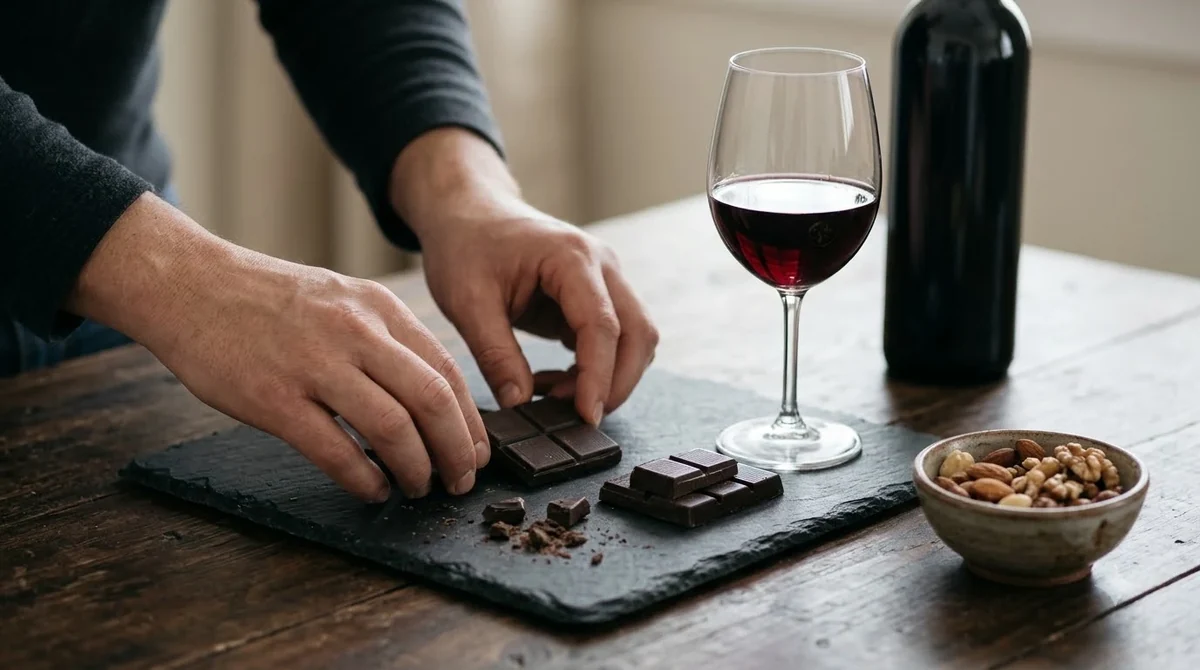
At moderate levels around 13.5% to 14.2% ABV, the wine emphasizes savory, earthy, and peppery qualities alongside brisk dark berry fruit. The mouthfeel feels taut and linear, allowing floral violet notes, cured meat, or graphite accents to stand out clearly. Tannins feel prominent and drying on the gums, making food almost mandatory at the table.
When Petite Sirah alcohol content reaches 14.8% to 15.8% ABV, the sensory balance shifts toward plushness and warmth. Higher ethanol enhances the perception of viscosity and sweetness, rounding off sharp tannic edges and bringing forward notes of blackberry jam, vanilla, mocha, and sweet baking spice. If alcohol climbs too high without enough acidity to anchor it, however, the finish can carry a noticeable alcoholic heat.
Tip: Check the back or bottom corner of the front label for the exact ABV percentage before opening—bottles at 15% ABV or higher benefit from a 15-minute chill in the refrigerator so the alcohol feels smooth rather than fiery.
How to Serve and Pair High-ABV Petite Sirah
Proper serving temperature, aeration, and thoughtful food pairings keep Petite Sirah’s bold alcohol and heavy tannins in harmony. Serving the wine too warm exaggerates ethanol vapors in the glass and makes the finish feel sharp.
Aim to serve Petite Sirah slightly below room temperature, ideally between 60°F and 65°F. Giving the bottle a brief chill cools the volatile alcohol compounds while keeping the dark fruit aromas expressive. Decanting young bottles for about one hour also exposes the wine to oxygen, softening its dense tannins and allowing secondary notes of black pepper, cocoa, and leather to open up.
At the dinner table, rich proteins and savory fats are essential for taming both high alcohol and astringent tannins. Braised beef short ribs, smoked brisket, grilled lamb chops, and aged hard cheeses like aged Gouda or sharp cheddar bind to the wine’s tannins and absorb its warming weight. Dishes with mild chili heat should be approached carefully, because capsaicin amplifies the warming sensation of 15% ABV wines; instead, lean toward smoky, herb-crusted, or slow-roasted preparations.
How to Choose a Bottle by Alcohol Level
Reading the label clues beyond the grape name allows you to select a Petite Sirah tailored to your preferred weight and alcohol tolerance. Even within the same wine shop aisle, two bottles labeled Petite Sirah can offer markedly different drinking experiences.
Start by checking the appellation and producer style. Bottles from cooler coastal regions, high-elevation sites, or producers committed to classic, restrained winemaking frequently sit between 13.5% and 14.4% ABV, offering vibrant acidity and structured longevity. Conversely, single-vineyard bottlings from warm inland valleys or old-vine specialists known for rich, extracted reds often land between 14.8% and 15.8% ABV.
You can also compare Petite Sirah against other styles in our broader overview of Wine by Type to see where it sits on the strength spectrum. While dry table reds rarely exceed 16% ABV, unfortified dessert styles like ice wine alcohol content actually sit much lower (typically 9% to 12% ABV) because yeast stops fermenting in ultra-sweet juice—proving that sweetness and high alcohol do not always go hand in hand.
Frequently Asked Questions
Is Petite Sirah higher in alcohol than Cabernet Sauvignon?
Petite Sirah and Cabernet Sauvignon share very similar alcohol ranges, though Petite Sirah skews slightly higher on average. Most California Cabernet Sauvignons fall between 13.5% and 15% ABV, whereas warm-climate Petite Sirahs regularly sit between 14.5% and 15.5% ABV because the small, thick-skinned berries accumulate sugar rapidly.
Why does Petite Sirah feel so heavy even at 14% ABV?
The heavy mouthfeel comes from Petite Sirah’s unusually high skin-to-juice ratio rather than alcohol alone. Its tiny berries pack dense concentrations of anthocyanins (color pigments), polyphenols, and chewy tannins into the wine, creating a full-bodied, opaque texture that feels richer than lighter reds at the exact same ABV.
Does Petite Sirah ever have low alcohol?
True low-alcohol Petite Sirah under 12.5% ABV is rare because the grape requires ample warmth to ripen its thick skins and bitter seeds fully. However, bottles from cooler coastal regions or earlier harvests can reach a balanced 13.5% to 13.9% ABV, which feels noticeably fresher and less warming than 15%+ versions.
How many standard drinks are in a bottle of Petite Sirah?
A standard 750 ml bottle of Petite Sirah at 14.5% to 15% ABV contains roughly 6 to 6.3 standard U.S. drinks (each defined as 0.6 fluid ounces of pure alcohol). Pouring a slightly smaller 4- to 5-ounce serving helps keep each glass proportional to its higher alcohol strength.
Checking the exact ABV on the label before you pour makes it easy to match Petite Sirah to the right glassware, serving temperature, and meal. Whether you prefer a structured 13.8% coastal bottling or a velvety 15.2% warm-climate red, respecting its natural strength ensures every glass tastes balanced from start to finish.
More in Wine Types & Grapes
 What Does Mourvèdre Taste Like? Flavor Profile, Regions, and PairingsUpdated Nov 20, 2026
 What Does Marsanne Taste Like? Flavors, Styles, and Food PairingsUpdated Nov 20, 2026
 What Does Malvasia Taste Like? Styles, Flavors, and Food PairingsUpdated Nov 20, 2026
 What Does Grenache Blanc Taste Like? Flavor Profile, Styles, and PairingsUpdated Nov 20, 2026
 What Does Garnacha Taste Like? Key Flavors, Styles, and Pairing TipsUpdated Nov 20, 2026
 What Does Fruit Wine Taste Like? A Complete Flavor and Style BreakdownUpdated Nov 20, 2026