

We may earn a commission when you buy through links on this page, at no extra cost to you. Learn more.
BLOCK 3 — article.html
Stolzle Champagne Flutes are a worthwhile choice for sparkling-wine drinkers who want clear, lead-free crystal, machine-made consistency, and dishwasher-friendly designs. The Experience glass is the closest fit for anyone seeking a traditional slender flute, while the Cuvée and Ultra offer different proportions for other preferences. The main consideration is shape: not every Stölzle glass marketed for Champagne is a narrow flute, and a wider bowl can be more useful for appreciating complex aromas.
Stölzle Lausitz offers several sparkling-wine glasses rather than one universal Champagne design. Its collection covers narrow glasses for celebratory pours, compact options for practical table service, and larger shapes that provide more room for aromas. That variety makes it possible to find a glass for different occasions, but it also means that comparing dimensions and proportions matters more than choosing by brand name alone.
Specs and Key Features
Stölzle’s machine-made Champagne glasses combine lead-free crystal with dishwasher-resistant construction, but their capacities and proportions vary noticeably. The Experience glass holds 190 mL with a 42 mm upper diameter, while the smaller Cuvée holds 145 mL and has a 49 mm upper diameter.
| Model | Capacity | Height | Weight | Upper diameter | Construction |
|---|---|---|---|---|---|
| Experience | 190 mL | 224 mm | 114 g | 42 mm | Machine-made, lead-free crystal |
| Cuvée | 145 mL | 193 mm | 113 g | 49 mm | Machine-made, lead-free crystal |
| Ultra | 185 mL | 216.5 mm | 131 g | 44 mm | Machine-made, lead-free crystal |
The Experience is the most straightforward starting point for shoppers picturing a traditional Champagne flute. Its 224 mm height and 42 mm opening create a tall, narrow profile, while the 190 mL capacity leaves enough room for a measured sparkling-wine pour. At 114 g, it is relatively light, and its narrow opening gives the glass the familiar appearance associated with formal toasts. Stölzle lists Champagne, Prosecco, Cava, Crémant, and Sekt among its intended drinks. The manufacturer also identifies the glass as dishwasher-resistant and made from lead-free crystal.
The Cuvée takes a more compact approach. Its 145 mL capacity is smaller than the Experience’s, and its 193 mm height makes it the shortest of these three models. The upper diameter is 49 mm, so the opening is wider despite the smaller overall capacity. Stölzle places this glass in its Classic Line and Grand Cuvée series and describes it as suitable for Champagne, rosé Champagne, Prosecco, Spumante, and Cava. The proportions make it worth considering for measured pours and traditional table settings where a smaller glass is preferred.
The Ultra sits between the other two in capacity, at 185 mL, but it weighs 131 g, making it the heaviest of the three models in the table. Its 216.5 mm height offers a recognizably tall silhouette. These published numbers are useful because they make the differences tangible: a glass can look similar in a product photograph while feeling different in the hand or taking up different space in a cabinet. All three models are machine-made from lead-free crystal and marked dishwasher-resistant by Stölzle. For exact product specifications, the manufacturer’s Experience Champagne Glass listing provides the clearest reference for the narrow-profile option.
Tip: Compare the upper diameter as well as total capacity. A 190 mL glass with a 42 mm opening will present a different drinking experience from a 145 mL glass with a 49 mm opening, even though both are made for sparkling wine.
What Owners Like
Positive feedback about Stölzle glassware tends to center on appearance, perceived quality, and practical ownership rather than one specific Champagne model. Customer feedback summarized by Trusted Shops highlights attractive designs, a refined appearance, and helpful customer service, giving prospective buyers some useful context about the wider brand experience.
Clarity is one of the obvious attractions of the brand’s lead-free crystal glasses. Transparent crystal lets the color of a pale Champagne or rosé sparkling wine show without visual distraction. It also gives the rising bubbles a clear background, which is part of the appeal of a tall flute. The Experience’s narrow 42 mm opening and 224 mm height make that presentation especially recognizable. The overall effect suits occasions where the glass itself is part of the table setting, including weddings, holiday dinners, anniversaries, and milestone celebrations.
The machine-made construction is another practical advantage. A set of six matching glasses is useful for households that regularly host guests, because the glasses are designed to share consistent proportions rather than having the small variations that can appear between individually handmade pieces. Stölzle specifies lead-free crystal for the Experience, Cuvée, and Ultra, and all three are marked dishwasher-resistant. That combination makes them suitable for people who want crystal clarity without treating every glass as an occasional-use object that must always be washed by hand.
Customer-service feedback is also encouraging, although it should be separated from the glass design itself. The Trusted Shops overview describes buyers who appreciate helpful support when delivery or product issues arise. Some individual comments describe damaged items being addressed through replacement arrangements after customers contacted the retailer. That does not remove the risk of receiving a damaged glass, nor does it guarantee the same result in every case. It does suggest that buyers should inspect a new set promptly and keep the packaging until they are satisfied that every piece has arrived intact.
Common Complaints
The main drawback to consider is the fragility that comes with slender crystal stemware. The Experience glass is 224 mm tall, with a narrow 42 mm upper diameter, so it needs more careful handling than a short, thick-walled tumbler. Customer feedback about Stölzle’s wider range also mentions occasional concerns about thin-feeling glass, minor imperfections, and delivery damage.
Those concerns need context. Trusted Shops summarizes feedback about the Stölzle Lausitz online store and its broader collection, not a controlled review of the Experience, Cuvée, or Ultra Champagne glasses individually. It would be misleading to treat every complaint about a wine glass or tumbler as proof of a recurring defect in the Champagne range. Still, the comments point to reasonable questions for anyone buying stemware online: how carefully is the package protected, what is the process for reporting transit damage, and can replacement pieces be obtained if one glass arrives broken?
Another potential complaint is that the word “Champagne” does not always mean the shape a shopper expects. The Cuvée’s capacity is only 145 mL, the Experience is taller and narrower, and the Ultra has its own proportions. Someone expecting a uniform set of classic, very slender flutes may be surprised by the differences across the collection. Product photographs can make these glasses look closer in shape than their measurements suggest, so the specifications deserve attention before ordering.
Dishwasher resistance should also not be confused with immunity from damage. A glass marked dishwasher-resistant can still be chipped by contact with another item, knocked against a rack, or damaged during loading and unloading. A narrow stem and rim need space around them. If a household has a crowded dishwasher, frequent large loads, or children who are still learning to handle stemware, handwashing may be the more sensible routine even when the manufacturer permits machine washing.
Who Should Buy and Who Should Skip
Stölzle’s Champagne collection makes the most sense for buyers who want crystal clarity, matching sets, and a choice of proportions rather than a single specialized glass. The Experience’s 190 mL capacity and narrow 42 mm opening suit people who like the classic flute presentation, while the 145 mL Cuvée offers a shorter alternative for more compact pours.
Choose the Experience if the familiar tall-flute look is the priority. Its height of 224 mm creates a graceful silhouette, and its opening is the narrowest of the three models compared here. That profile is useful for celebratory service, where guests may be holding their glasses during a toast and the visible stream of bubbles is part of the occasion. It is also a sensible match for fresh, fruit-forward sparkling wines, including Prosecco and many non-vintage sparkling wines, where the lively appearance of the bubbles is a central part of the appeal.
The Cuvée makes more sense for shoppers who prefer a smaller glass and do not need the tallest possible stemware. Its 145 mL capacity gives it a compact feel, while its 193 mm height is easier to accommodate in some cabinets and storage spaces. It is not necessarily the right choice for someone who likes generous pours or wants more space above the liquid. The Ultra offers a middle ground in capacity at 185 mL. Its greater weight of 131 g may appeal to those who prefer a little more substance in the hand, although the listed figures alone cannot establish how comfortable every person will find it.
Skip a traditional narrow flute if your main purpose is to examine the aromatic detail of mature, complex Champagne. A very narrow opening can restrict how easily aromas reach the nose, and a wider wine glass or tulip-shaped sparkling-wine glass can provide more room for that experience. Also think carefully before buying delicate stemware for outdoor entertaining, large poolside gatherings, or events where glasses are likely to be moved around frequently. For those settings, practical tumblers or more durable non-glass alternatives may be a better fit than an elegant crystal stem.
How It Compares to Alternatives
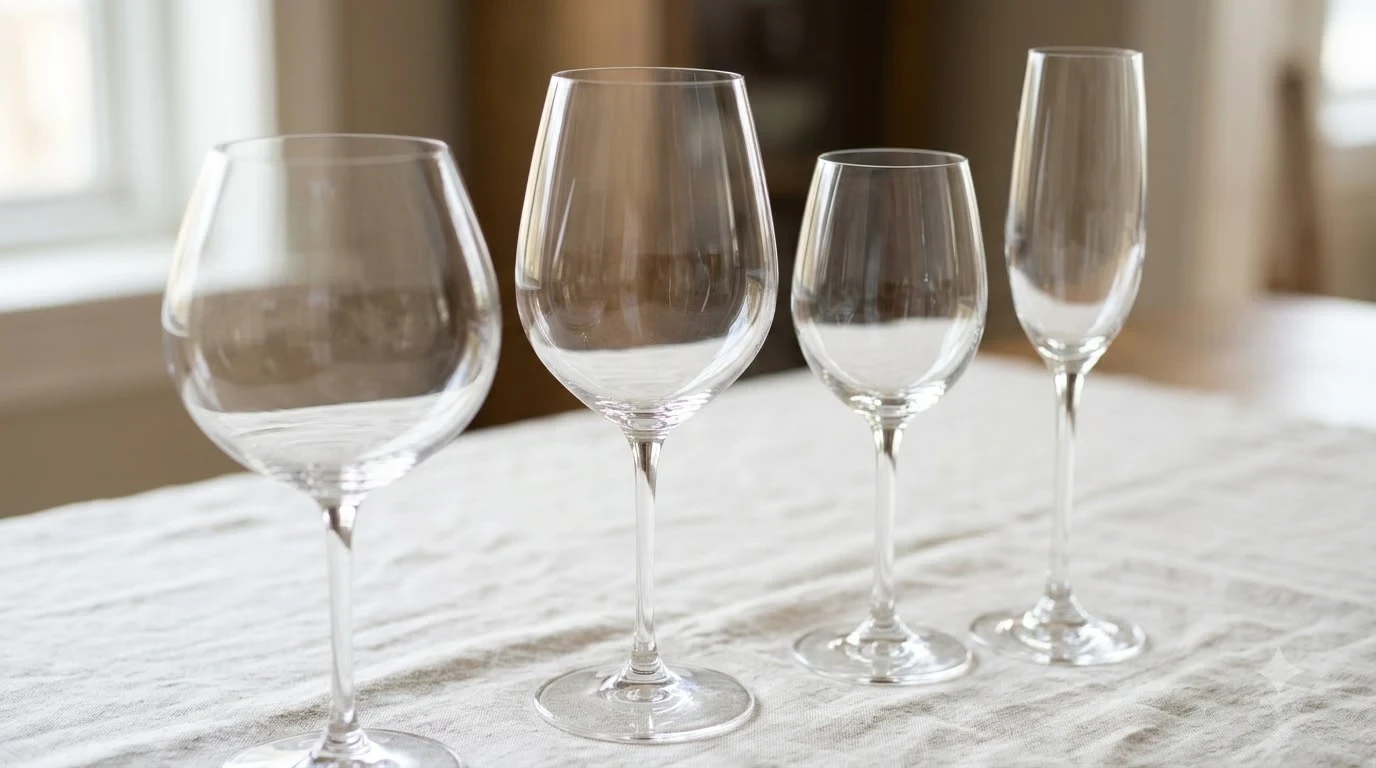
The best way to judge Stölzle’s options is to compare the experience they provide with other sparkling-wine glass shapes. A narrow flute emphasizes the visual movement of bubbles and helps retain effervescence, while a coupe prioritizes its broad, shallow presentation and a wider tulip shape offers more room for aromatic development.
Wine Enthusiast’s discussion of Champagne glass shapes includes professionals who favor flutes because the narrow body helps preserve the wine’s effervescence. That makes the Experience a logical option for traditional celebrations, pre-dinner pours, and occasions where the long stream of bubbles is part of the presentation. The same discussion also notes that some wine professionals prefer tulip-shaped glasses or white wine glasses for complex sparkling wines because the wider bowl and rim make delicate aromas easier to appreciate. The practical distinction is not that one shape is universally correct; it is that each shape emphasizes a different part of the wine experience.
A coupe is a different proposition again. Its shallow bowl has a much wider exposed surface than a flute, which can cause sparkling wine to lose its lively effervescence more quickly. It works well for a retro-inspired presentation or certain Champagne-based cocktails, but it is not the obvious selection for someone whose main priority is preserving a fine stream of bubbles. A flute remains the more conventional serving choice for a toast, while a tulip-shaped glass makes a stronger case for a slower, more attentive tasting. The Wine Enthusiast comparison of flutes, coupes, and wine glasses offers useful perspectives from wine and restaurant professionals on these trade-offs.
Within Stölzle’s own range, the Q1 Champagne Glass is another option for shoppers with a different set of priorities. Unlike the machine-made Experience, Cuvée, and Ultra glasses, Q1 is handmade and has a much larger 300 mL capacity. Its listed height is 270 mm, and its upper diameter is 80 mm. That wide profile makes it a different style of glass from a traditional narrow flute. Buyers who want a more elaborate handmade piece may find it appealing, while those looking for a practical matching set for regular entertaining may prefer the machine-made options.
Before selecting a particular model, it helps to decide whether your main goal is bubble presentation, aromatic appreciation, or everyday practicality. Readers comparing several types of champagne flutes can use the Experience as a reference for the classic narrow shape. A broader look at the best champagne glass can help distinguish between traditional flutes, tulips, and coupes. For households seeking a single collection that covers sparkling and still wine, our guide to wine glasses provides a wider comparison, while the Glassware Brands reference is useful for exploring other makers.
Frequently Asked Questions
Stölzle’s options range from the 190 mL Experience flute to its handmade 300 mL Q1 glass, so the right answer depends on the type of sparkling-wine service you have in mind. These additional details help clarify cocktail use, storage, serving quantities, and the handmade collection.
Can Stölzle Experience glasses be used for Champagne cocktails?
Yes. Stölzle lists several aperitif cocktails as suitable uses for its Experience glass, including Hugo, Bellini, Kir Royal, and Aperol Sekt. Its 190 mL capacity makes it a practical choice for sparkling cocktails served in a stemmed glass. For elaborate drinks with large garnishes or substantial ice, a dedicated cocktail glass may provide more room.
Does Stölzle offer a handmade Champagne glass?
Yes. The Q1 Champagne Glass is part of the brand’s handmade collection and is listed as mouth-blown. Stölzle offers the Q1 collection in sets of two, which makes it a different purchase format from the six-piece machine-made Experience set. Its 300 mL capacity also gives it a more open presentation than a traditional narrow flute.
Is the Stölzle Ultra glass easier to store?
Stölzle describes the Ultra range as having shortened stems that make the glasses easier to handle, clean, and store. The manufacturer also says the glasses have a low center of gravity, helping them remain stable when filled. Those design details may be useful in kitchens where tall stemware is difficult to fit into cupboards or handle during regular service.
How many Champagne servings can I get from a 750 mL bottle?
A standard 750 mL bottle provides about five 5-ounce servings. That is a useful planning figure for a dinner or small gathering, although actual servings may be smaller for a toast or tasting. Leave some room in the glass rather than filling it to the rim, since sparkling wine produces foam when poured.
Can the handmade Q1 Champagne Glass go in the dishwasher?
Stölzle marks the Q1 Champagne Glass as dishwasher-resistant, despite its handmade construction. This is a useful distinction for buyers who want the appearance of a mouth-blown glass without automatically committing to handwashing every piece. The long, fine stem still deserves careful loading and enough space to prevent contact with other items.
Stölzle’s Champagne collection offers several well-defined choices, from the narrow Experience flute to the compact Cuvée and the more practical Ultra. For a classic celebratory glass, the Experience is the clearest starting point; for a different balance of capacity, proportions, and handling, compare the other models before choosing a set.
More in Wine Glasses
 Zwiesel Glas Champagne Flutes for Durable Everyday Sparkling WineUpdated Nov 20, 2026
 Vera Wang Crystal Wine Glasses: Design, Quality and Buying AdviceUpdated Nov 20, 2026
 West Elm White Wine Glasses: Compare Designs for Better Everyday Wine ServiceUpdated Nov 20, 2026
 Zalto Stemless Wine Glasses: Discover Their Distinctive DesignsUpdated Nov 20, 2026
 Viski Champagne Glasses That Match Your Style and Sparkling WineUpdated Nov 20, 2026
 Vista Alegre Decanter Review: Crystal Style and Wine ServiceUpdated Nov 20, 2026