

We may earn a commission when you buy through links on this page, at no extra cost to you. Learn more.
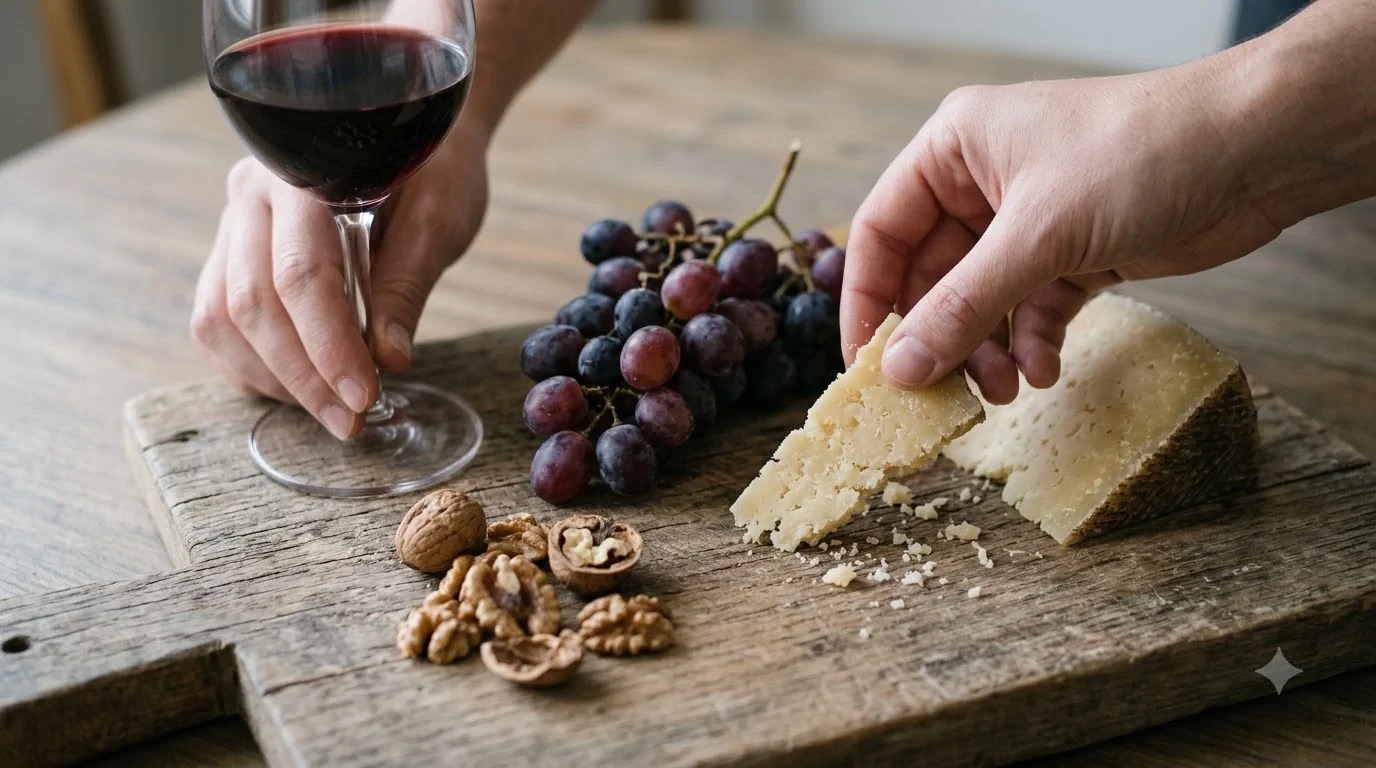
The best pet nat food pairing matches the wine’s crisp acidity, gentle bubbles, and moderate alcohol with salty, fried, creamy, or lightly spiced dishes. Because pétillant naturel finishes its single fermentation inside the bottle under a crown cap, it carries yeasty texture, vibrant orchard or berry fruit, and lower alcohol—typically around 9.5% to 12.5% ABV—that refreshes the palate without overpowering casual plates.
Whether poured alongside Friday night takeout or laid out on a weekend picnic blanket, pet nat thrives where formal sparkling wines can feel overly stiff. Understanding how its rustic winemaking shapes its body, sweetness, and effervescence makes matching any bottle to dinner effortless.
What Is Pet Nat and Why Does It Pair So Well With Food?
Pet nat, short for the French term pétillant naturel (“naturally sparkling”), is made using the oldest known sparkling winemaking technique, known as the méthode ancestrale. Instead of fermenting a base wine completely dry and adding sugar and yeast for a second fermentation like Champagne, winemakers bottle still-fermenting grape juice and seal it with a crown cap so the remaining natural sugars convert into trapped carbon dioxide.
As Decanter notes, this single-fermentation process often leaves spent yeast cells—called lees—inside the bottle unless the producer chooses to disgorge it. Those fine lees give the wine a subtle cloudiness alongside savory notes of bread dough, biscuit, and cider-like complexity. At the same time, halting fermentation early or bottling before full dryness frequently leaves a whisper of residual sugar balanced by brisk natural acidity.
At the dining table, that combination of soft effervescence, bright acid, and yeasty grip works like a squeeze of lemon and a pinch of salt. Gentle bubbles scrub heavy oils and rich dairy from the palate, while low to moderate alcohol keeps chili heat from burning too hot. Unlike high-pressure traditional sparkling wines that can clash with rustic textures, pet nat’s relaxed mousse welcomes everything from crunchy street snacks to creamy cheeses.
Flavor Profiles and Color Styles Across Bottles
Because there are no strict appellation rules governing which grapes can be bottled as pet nat, producers craft white, rosé, and red expressions with dramatically different weights and flavor profiles. Matching the color and structure of the bottle to the richness of your meal is the easiest way to nail a pairing.
White pet nat is the most common style and typically relies on high-acid varieties such as Chenin Blanc, Riesling, Xarel-lo, Chardonnay, or Muscat. Reviewers at Wine Folly point out that Loire Valley méthode ancestrale whites deliver bright green apple, pear, and citrus notes backed by zippy minerality. When Muscat or aromatic varieties enter the blend, expect floral aromas of white blossom, orange peel, and stone fruit over a crisp, palate-cleansing finish.
Rosé pet nat bridges the gap between refreshing whites and structured reds, often made from Cabernet Franc, Pinot Noir, Gamay, or Merlot. These pink bottlings carry tart flavors of wild strawberry, raspberry, rhubarb, and cranberry, paired with a slightly broader mid-palate. That extra fruit weight allows rosé pet nat to stand up to smoky grilled vegetables, cured meats, and richer soft-ripened cheeses without losing its lively snap.
Red pet nat—frequently crafted from Lambrusco, Gamay, Syrah, or Tannat—offers dark berry fruit, violet aromatics, and a light dusting of tannin alongside frothy bubbles. Served chilled, red pet nat acts much like a sparkling Beaujolais, offering enough grip to handle charred meats, mushroom dishes, and aged hard cheeses while remaining nimble on the finish.
Key Regions Producing Food-Friendly Pet Nat
While the ancestral method originated in southwestern France and the Loire Valley centuries ago, winemakers across North America and the wider wine world now produce distinctive regional bottlings. Exploring different Wine by Type shows how local climate shapes the acidity and fruit ripeness in each glass.
In France, historic appellations like Montlouis-sur-Loire, Gaillac Mousseux, Bugey-Cerdon, and Blanquette de Limoux set the benchmark for the style. Loire Valley producers favor Chenin Blanc for piercing orchard-fruit tension, whereas Bugey-Cerdon in eastern France is famous for lightly sweet, deeply fruity rosé bottles made from Gamay and Poulsard that shine alongside fruit tarts or salty charcuterie.
Across the United States, VinePair highlights rapid growth in California, Washington State, New York’s Finger Lakes, and even Maryland, where coastal Albariño brings briny citrus energy. Meanwhile, Australian, South African, and Austrian producers frequently bottle aromatic hybrids, Grüner Veltliner, or old-vine Chenin Blanc at low alcohol levels around 9.5% to 11% ABV, creating ultra-versatile table wines built for warm-weather dining.
How to Chill, Open, and Serve Pet Nat at the Table
Proper temperature and careful opening protect pet nat’s delicate aromatics and keep the wine in your glass rather than foaming across the tablecloth. Treat the bottle gently before dinner and skip narrow Champagne flutes in favor of standard white wine stemware.
Chill your bottle thoroughly in the refrigerator to between 38°F and 46°F (3°C to 8°C) before serving, as warm temperatures increase internal bottle pressure and make active yeast sediment erupt upon opening. If the bottle was recently carried home or shaken, let it stand upright in the fridge for at least an hour—or up to 24 hours if you prefer the sediment settled cleanly at the bottom.
When you are ready to pour, hold the bottle at a 45-degree angle over the sink and lift the crown cap slowly with a bottle opener so trapped carbon dioxide escapes gradually. Pour into a standard tulip-shaped white wine glass rather than a flute; the wider bowl lets yeasty, floral, and citrus aromas open up while preserving the gentle fizz. You can pour the top two-thirds clear for crisp precision and gently swirl the final third to incorporate the cloudy lees for a creamier, more savory finish.
Best Pet Nat Food Pairings by Dish Category
The most rewarding pairings lean into contrast—letting bright acidity slice through salt, oil, and spice—or mirror the wine’s natural orchard and berry fruit. Use the matrix below to match the style in your fridge with the dishes on your menu.
| Food Category | Ideal Pet Nat Style | Standout Dishes | Why the Pairing Works |
|---|---|---|---|
| Fried & Crispy Foods | Crisp White (Chenin Blanc, Xarel-lo, Riesling) | Fried chicken sandwiches, tempura vegetables, fish and chips, French fries | High acidity and lively bubbles scrub cooking oil from the palate while citrus notes brighten heavy batters. |
| Soft & Aged Cheeses | White for fresh cheese; Rosé or Red for aged cheese | Fresh goat cheese, burrata, Brie, Camembert, aged Manchego, sharp cheddar | Tangy acidity mirrors fresh goat cheese, while yeast texture and light tannins match creamy rinds and nutty hard cheeses. |
| Lightly Spiced Asian Cuisine | Off-Dry or Aromatic White (Muscat blends, Riesling) | Vietnamese spring rolls, pork gyoza, Thai herb salads, sushi, dim sum | Low alcohol prevents chili burn, and a touch of residual sugar cools spice while complementing fresh herbs and ginger. |
| Charcuterie & Grilled Meats | Structured Rosé or Chilled Red (Gamay, Cabernet Franc, Lambrusco) | Prosciutto, salami, grilled chicken, pork tenderloin, charred Brussels sprouts | Red berry acidity cuts cured fat and smoky char, offering the same savory lift as a blaufrankisch food pairing. |
| Brunch & Cured Seafood | Dry White or Light Rosé | Oysters, smoked salmon bagels, eggs Benedict, savory vegetable tarts | Briny minerality and bready lees notes echo toasted bread, rich hollandaise, and fresh shellfish. |
If you enjoy how lighter, high-acid reds behave at the table, you will find plenty of overlap between chilled red pet nat and classic Mediterranean bottles. For instance, dishes built around roasted root vegetables, garlic, and herbs that thrive in a carignan food pairing also respond beautifully to a frothy red pet nat made from Syrah or Lambrusco. Likewise, coastal seafood plates and lemon-herb poultry that shine in a grenache blanc food pairing translate smoothly to a textured white pet nat.
Tip: When in doubt at a casual dinner or picnic, pair pet nat with anything that works alongside dry hard cider—think aged cheddar, pork chops, apple-studded salads, and salty potato chips.
How to Choose the Right Bottle for Your Menu
Because pet nat labels rarely list formal sweetness tiers like “Brut” or “Demi-Sec,” reading small visual and label cues helps you predict how a bottle will taste with food. Checking three quick details before buying ensures you bring home the right match for your meal.
First, look at the ABV listed on the label as a reliable clue to sweetness and body. Bottles sitting between 9.5% and 11% ABV often halted fermentation early, meaning they tend to carry a hint of natural sweetness that pairs wonderfully with spicy Thai takeout, Mexican street tacos, or brunch pastries. Bottles reaching 12% to 13% ABV have usually fermented nearly dry, making them sharper companions for oysters, fried fish, and rich cream sauces.
Second, check the level of sediment and cloudiness visible through the glass. A heavily cloudy, undisgorged bottle will deliver pronounced yeasty, savory, and beer-like flavors that love aged cheeses, charcuterie, and burgers. A clearer, disgorged bottle offers cleaner fruit purity and crisper mineral precision suited to raw shellfish, crudo, and delicate green salads.
Frequently Asked Questions
Is pet nat sweet or dry?
Most pet nat ranges from bone-dry to off-dry, depending on when the winemaker bottled the fermenting juice and whether any natural sugar remained once fermentation stopped. You can usually gauge sweetness by checking the alcohol percentage: lower-ABV bottles around 10% often retain a gentle touch of fruit sweetness, while bottles closer to 12.5% taste crisp and dry.
Should you shake or swirl the sediment in pet nat before pouring?
Never shake a bottle of pet nat before opening, because agitating active yeast sediment under pressure will cause the wine to gush out of the bottle. Instead, chill the bottle upright, open it slowly, and pour the first two-thirds clear before gently swirling the remaining wine to mix in the savory lees if you want extra body.
What foods should you avoid pairing with pet nat?
Skip heavy, slow-braised red meats, deeply caramelized reduction sauces, and overly sugary desserts that exceed the sweetness of the wine. Delicate white and rosé pet nats lack the heavy tannins needed for rich ribeye steaks and will taste sour next to frosting-heavy cakes.
Can you serve pet nat at brunch or with spicy takeout?
Yes, brunch and spicy takeout are two of the strongest settings for pet nat. Its brisk acidity cuts right through egg yolks, hollandaise, and fried batters, while its moderate alcohol and subtle fruit sweetness keep chili heat balanced in Thai, Korean, and Mexican dishes.
Pet nat takes the guesswork out of table service by bringing bright acidity, gentle effervescence, and relaxed charm to everyday meals. Start by matching the color and weight of the bottle to your richest dish, chill it well, and let its lively bubbles keep every bite tasting fresh.
More in Wine Types & Grapes
 What Does Mourvèdre Taste Like? Flavor Profile, Regions, and PairingsUpdated Nov 20, 2026
 What Does Marsanne Taste Like? Flavors, Styles, and Food PairingsUpdated Nov 20, 2026
 What Does Malvasia Taste Like? Styles, Flavors, and Food PairingsUpdated Nov 20, 2026
 What Does Grenache Blanc Taste Like? Flavor Profile, Styles, and PairingsUpdated Nov 20, 2026
 What Does Garnacha Taste Like? Key Flavors, Styles, and Pairing TipsUpdated Nov 20, 2026
 What Does Fruit Wine Taste Like? A Complete Flavor and Style BreakdownUpdated Nov 20, 2026