

We may earn a commission when you buy through links on this page, at no extra cost to you. Learn more.
The ideal pedro ximenez serving temperature is between 50°F and 57°F (10°C to 14°C), which keeps its intense sweetness balanced while letting its roasted coffee, fig, and raisin aromas open up. Younger, fresher bottlings benefit from the cooler end of that range around 50°F to 54°F (10°C to 12°C) to emphasize their bright acidity, while older, complex solera wines shine at 54°F to 57°F (12°C to 14°C). Serving it straight from a warm room makes the alcohol and sugar feel heavy, whereas an icy refrigerator chill mutes its layered aromatics.
Because Pedro Ximénez (often shortened to PX) is one of the richest, most viscous fortified wines in the world, temperature controls how your palate perceives its density. Getting the chill right turns a wine with over 212 grams per liter of residual sugar from a sticky syrup into a nuanced, velvet-textured finish to a meal.
What Is Pedro Ximénez and Why Does Temperature Matter?
Pedro Ximénez is a naturally sweet Spanish fortified wine made from white grapes dried in the sun before fermentation, resulting in a dark mahogany liquid with high residual sugar and 15 to 22 percent alcohol by volume. Temperature acts as the primary lever that keeps this extreme concentration from overwhelming your taste buds.
In Andalusia’s Jerez and Montilla-Moriles regions, winemakers spread harvested pedro ximenez grape clusters on esparto grass mats under direct sunlight in a traditional process called asoleo. As water evaporates from the berries, both natural sugars and tartaric acidity concentrate dramatically. According to the Consejo Regulador de Jerez, authentic Pedro Ximénez sherry contains more than 212 grams of sugar per liter alongside 3 to 5 grams per liter of total acidity, aged exclusively through oxidative contact with air in American oak barrels.
When a wine packs that much extract, warmth amplifies the perception of sucrose and ethanol, leaving a cloying, hot finish on the back of the throat. Conversely, dropping the bottle below 45°F (7°C) locks up the volatile aromatic compounds—roasted mocha, molasses, dried dates, and licorice—while making the viscous liquid feel thicker on the tongue. A moderate cellar chill hits the sweet spot where acidity feels crisp and aromatics stay expressive.
Recommended Serving Temperatures by Style and Age
While the broader 50°F to 57°F (10°C to 14°C) window works across the category, adjusting by a few degrees based on bottle age and style brings out each wine’s best qualities. Younger bottlings need more chill to tame their primary fruit sweetness, whereas mature releases reward slightly warmer pours.
| PX Style or Age Profile | Ideal Temp (°F) | Ideal Temp (°C) | Why This Range Works |
|---|---|---|---|
| Young / Entry-Level PX | 50°F – 54°F | 10°C – 12°C | Cuts through sticky, jammy raisin sweetness and highlights fresh acidity |
| Aged / Old Solera PX (VOS / VORS) | 54°F – 57°F | 12°C – 14°C | Releases tertiary notes of dark chocolate, walnut, espresso, and spice |
| Cream Sherry (Oloroso + PX Blend) | 50°F – 54°F | 10°C – 12°C | Balances the nutty oxidative base with the added PX sweetness |
| Over Crushed Ice (Summer Serve) | 35°F – 40°F | 2°C – 4°C | Dilutes viscosity and turns PX into a refreshing warm-weather aperitif or digestif |
Reviewers at Decanter recommend 50°F to 54°F (10°C to 12°C) for standard Pedro Ximénez and Cream sherry, noting that this cool threshold keeps the finish clean alongside tapas or dessert. Meanwhile, Wine Folly places the ideal range slightly higher at 55°F to 60°F (12°C to 15°C), which works especially well for older, complex bottlings that benefit from extra warmth to unfurl their toffee and walnut aromatics.
If you are pouring an unaged or youthful PX—often labeled simply as Pedro Ximénez without an age statement—aim for 50°F (10°C). Those younger wines behave almost like liquid bonbons, and the extra chill prevents sugar fatigue after two or three sips. For older solera wines that have spent decades concentrating in cask, let the glass sit around 55°F (13°C) so the savory, roasted edge balances the sweetness.
How to Chill Pedro Ximénez to the Right Temperature
Because standard kitchen refrigerators run much colder than wine cellars, timing your chill is the easiest way to nail the target temperature without a thermometer. A bottle stored at room temperature needs roughly one to two hours in a household fridge to reach 50°F to 57°F (10°C to 14°C).

Most home refrigerators sit between 37°F and 40°F (3°C to 4°C), which is ideal for storing an opened bottle of sherry long-term but too cold for immediate serving. If your Pedro Ximénez lives in the fridge between pours, pull it out onto the kitchen counter 20 to 30 minutes before dessert. That brief rest allows the wine to climb into the low-to-mid 50s Fahrenheit, waking up the aromatics before the first swirl.
If you forgot to chill a room-temperature bottle ahead of dinner, place it in an ice-and-water bath for 15 to 20 minutes. Adding cold water to the ice cubes conducts heat away from the glass far faster than ice alone or a freezer. Avoid leaving the bottle in the freezer for extended periods, though the high sugar and alcohol content prevents PX from freezing as quickly as dry table wines.
Tip: When you are short on time, chill your wine glasses in the refrigerator for 15 minutes while the bottle sits in an ice bucket; pouring a slightly cool wine into a cold glass drops the liquid by two to three degrees immediately.
Glassware, Pour Size, and Decanting Guidelines
Temperature only tells half the serving story—choosing the right glass shape and pour volume keeps Pedro Ximénez from feeling overwhelming. Unlike dry red wines or vintage Ports, PX requires no decanting and shines best in modest pours that concentrate its aromatics.
Skip wide-bowled red wine glasses, which expose too much surface area to warm room air and amplify alcohol fumes. Instead, reach for a traditional tulip-shaped sherry copita, a small dessert wine glass, or a standard white wine glass. The narrower rim traps delicate notes of dried fig, orange peel, and roasted coffee while directing the liquid toward the center of the palate rather than flooding the sides of your tongue.
Keep pours small—around 2 to 3 ounces (60 to 90 ml) per person. Because a 750 ml bottle yields roughly eight to twelve generous dessert servings, smaller glasses help guests enjoy the wine slowly while it stays near its optimal pedro ximenez sherry serving temperature. If you want to explore how other fortified and sweet bottles compare across temperature ranges, check out our guide to Wine by Type.
Food Pairings That Match a Chilled Pour
Pedro Ximénez is intense enough to serve on its own as a liquid dessert, so pairing it with food works best when the dish brings salt, bitterness, or cold dairy rather than competing sugar. Matching the serving temperature to the plate keeps both elements crisp and distinct.
Salty, pungent blue cheeses—such as Spanish Cabrales, French Roquefort, or English Stilton—are classic partners for PX served at 54°F to 57°F (12°C to 14°C). The slightly warmer cellar temperature allows the wine’s nutty, oxidized flavors to meld with the creamy fat of the cheese while the salt cuts cleanly through the residual sugar. Bittersweet dark chocolate (70 percent cacao or higher) and roasted walnuts work on the same principle, using pleasant bitterness to frame the wine’s sweetness.
For warm-weather entertaining, you can also treat PX as both drink and sauce. Pouring chilled PX at 50°F (10°C) directly over cold vanilla bean ice cream creates an instant affogato-style dessert where the freezing dairy tempers the wine’s syrupy texture. Some sherry specialists even recommend serving young PX in a rocks glass over crushed ice with a twist of orange peel, turning a heavy after-dinner sipper into a brisk, aromatic digestif.
Storing an Opened Bottle of Pedro Ximénez
Thanks to its high sugar concentration and fortification, an opened bottle of Pedro Ximénez lasts significantly longer than dry wines, provided you keep it cool and sealed. Proper storage protects the wine from flattening out between occasional pours.
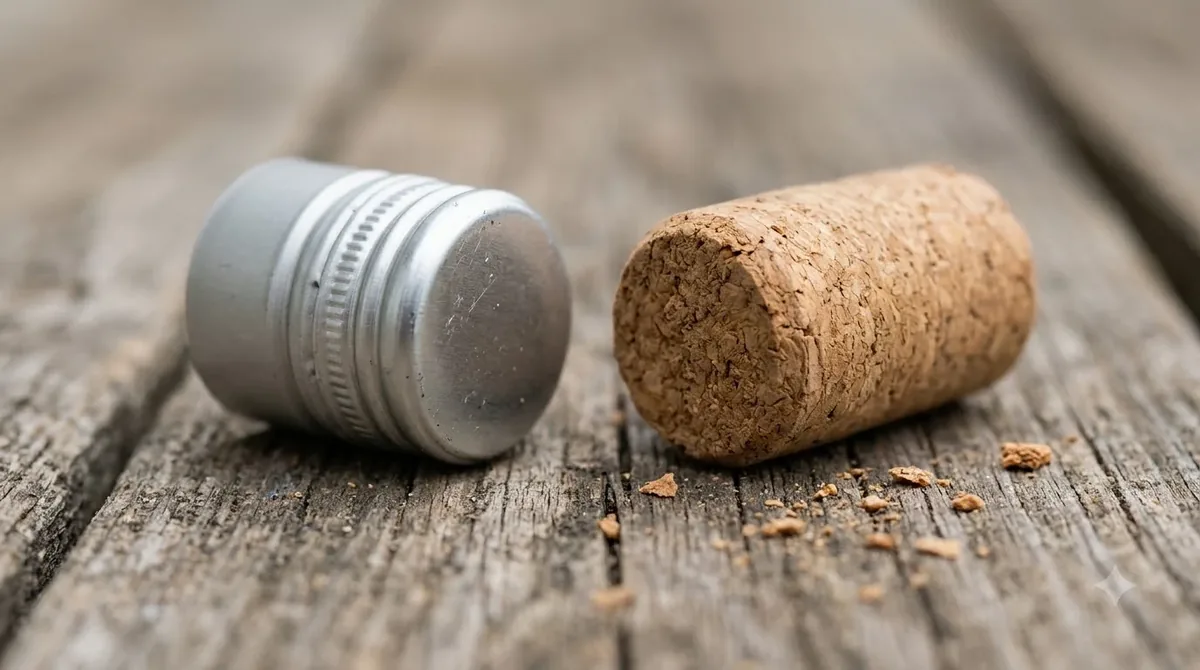
Once opened, push the cork or stopper firmly back into the neck and store the bottle upright in your refrigerator. Standing the bottle upright minimizes the surface area of wine exposed to oxygen inside the bottle, while the 38°F (3°C) fridge environment slows down oxidation. According to Decanter’s sherry storage guidelines, an opened bottle of Pedro Ximénez stays fresh in the refrigerator for one to two months, and some producers note that very sweet bottles remain enjoyable even longer.
Always store the bottle away from strong-smelling foods like onions or pungent cheeses if the cork is loose, and avoid leaving it sitting next to a warm stove or sunny window. Just remember to give the chilled bottle 20 minutes on the counter before your next pour so it warms back into its ideal 50°F to 57°F (10°C to 14°C) range, much like adjusting sake serving temperature depending on the style in your glass.
Frequently Asked Questions
Can you serve Pedro Ximénez at room temperature?
Serving Pedro Ximénez at typical American room temperature (68°F to 72°F / 20°C to 22°C) is not recommended. At that warmth, the wine’s high sugar content and 15 to 22 percent alcohol become overly prominent, making the texture feel heavy and cloying. Chilling the bottle to 50°F–57°F (10°C–14°C) keeps the finish balanced and refreshing.
Should you put Pedro Ximénez in the fridge?
Yes, storing an opened bottle of Pedro Ximénez upright in the refrigerator is the best way to preserve its freshness for one to two months. Because standard refrigerators sit around 38°F (3°C), simply take the bottle out 20 to 30 minutes before serving so it warms up to 50°F–57°F (10°C–14°C) and releases its full aroma.
Do you need to decant Pedro Ximénez sherry?
No, Pedro Ximénez does not require decanting before serving. The wine has already undergone prolonged oxidative aging in oak casks before bottling, meaning it is ready to drink the moment you pull the cork. Pouring directly into a small tulip-shaped glass or white wine glass preserves its concentrated fig, coffee, and toffee aromas.
What happens if Pedro Ximénez is served too cold?
If Pedro Ximénez is served straight from an ice-cold refrigerator below 45°F (7°C), the cold temperature suppresses its volatile aromatics and makes the syrupy liquid feel even thicker on the palate. While coldness slightly dulls the sensation of sweetness, you miss out on the complex notes of roasted coffee, dark chocolate, and dried dates until the wine warms slightly in the glass.
Dialing in the right chill transforms Pedro Ximénez from an overwhelming sweet wine into an expressive, velvety partner for cheese boards, dark chocolate, or quiet evening sipping. Keep your bottle around 50°F to 57°F (10°C to 14°C), pour modestly into a tulip-shaped glass, and let the wine warm gently as you taste.
More in Wine Types & Grapes
 What Does Mourvèdre Taste Like? Flavor Profile, Regions, and PairingsUpdated Nov 20, 2026
 What Does Marsanne Taste Like? Flavors, Styles, and Food PairingsUpdated Nov 20, 2026
 What Does Malvasia Taste Like? Styles, Flavors, and Food PairingsUpdated Nov 20, 2026
 What Does Grenache Blanc Taste Like? Flavor Profile, Styles, and PairingsUpdated Nov 20, 2026
 What Does Garnacha Taste Like? Key Flavors, Styles, and Pairing TipsUpdated Nov 20, 2026
 What Does Fruit Wine Taste Like? A Complete Flavor and Style BreakdownUpdated Nov 20, 2026