
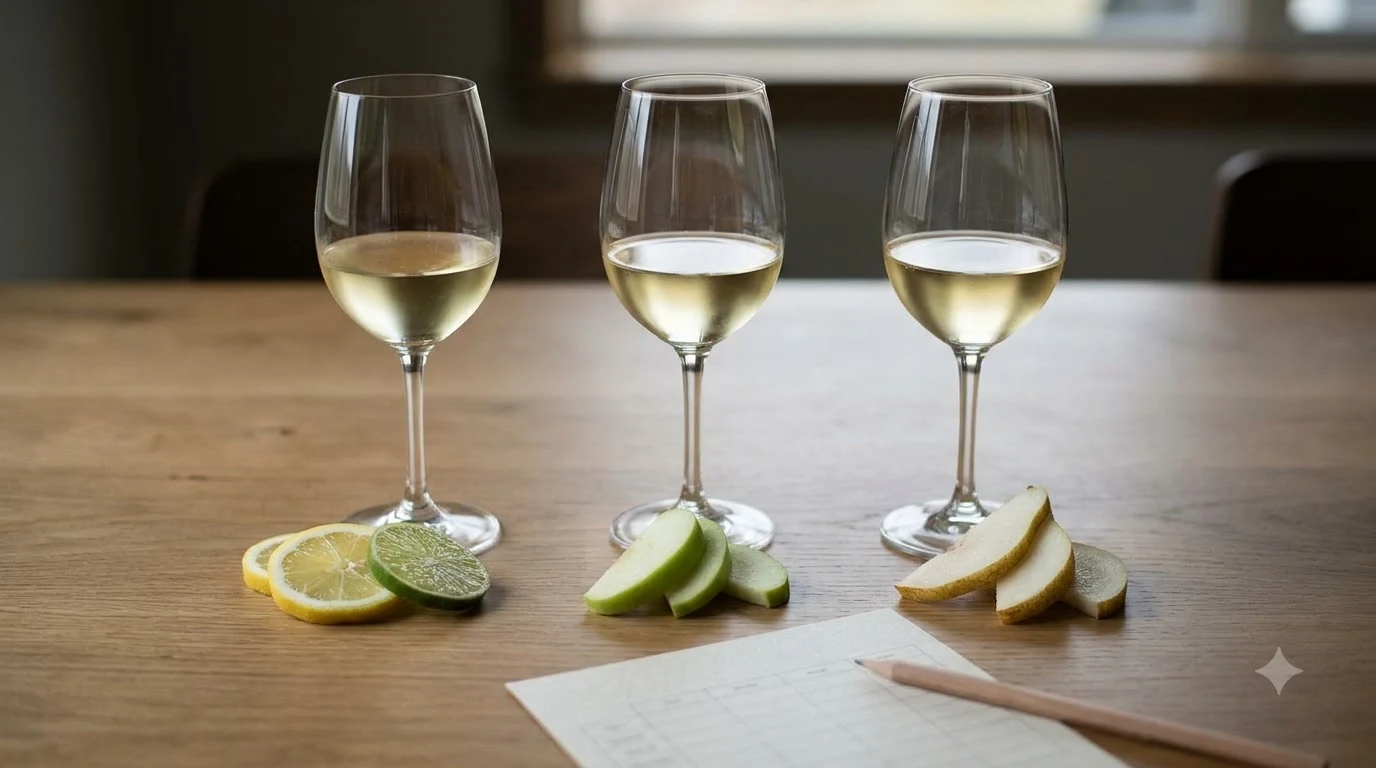

We may earn a commission when you buy through links on this page, at no extra cost to you. Learn more.
The best pecorino food pairing choices center on dishes with bright acidity, rich seafood, fried appetizers, herbed white meats, and sharp sheep’s milk cheeses. Because Pecorino is a dry, medium- to full-bodied Italian white wine from Marche and Abruzzo with high natural acidity and a saline, mineral edge, it cuts cleanly through fried foods, creamy risottos, and cured pork while matching the savory bite of aged pecorino cheese. Its combination of crisp citrus, green apple, and herbal notes lets it bridge the gap between a refreshing coastal white and a structured dinner wine.
When most American shoppers hear the word Pecorino, they picture a hard wedge of salty Italian sheep’s milk cheese grated over pasta, yet the same name belongs to one of central Italy’s most food-friendly white wine grapes. Rescued from near-extinction in the late twentieth century, this Adriatic native delivers a rare combination of high natural sugar, brisk acidity, and savory herbal depth that makes it an effortless partner at the dinner table.
What Is Pecorino Wine?
Pecorino is an ancient, light-skinned white grape indigenous to Italy’s central Adriatic coast, unrelated biologically to the cheese of the same name though famously compatible with it. The grape produces dry, straw-yellow wines known for brisk acidity, mineral grip, and a fuller body than mainstream Italian whites like Pinot Grigio.
According to Wine-Searcher’s Pecorino grape profile, the variety nearly vanished from commercial vineyards before dedicated growers in Marche and Abruzzo revived it, with the first modern varietal bottling released in Abruzzo in 1996. Its name comes from the Italian word for sheep, pecora, a nod either to the shepherds who historically grazed flocks through hillside vineyards or to the wine’s natural affinity for sheep’s milk cheese.
In the vineyard, Pecorino is an early-ripening grape that accumulates notably high sugar levels alongside sharp, mouthwatering acidity. During fermentation, winemakers convert those sugars into a dry wine that often reaches 13 to 14 percent alcohol while staying razor-sharp on the palate. That structural balance is what sets Pecorino apart from lighter Wine by Type categories, giving it enough weight to stand beside substantial main courses without ever feeling heavy or cloying.
Flavor Profile and Winemaking Styles
A classic glass of Pecorino opens with floral aromas of acacia, jasmine, and honeysuckle layered over green apple, pear, lemon zest, and white peach. Beneath the orchard and citrus fruit sits a distinctly savory backbone of crushed wet stone, sea salt, wild mint, rosemary, and white pepper.
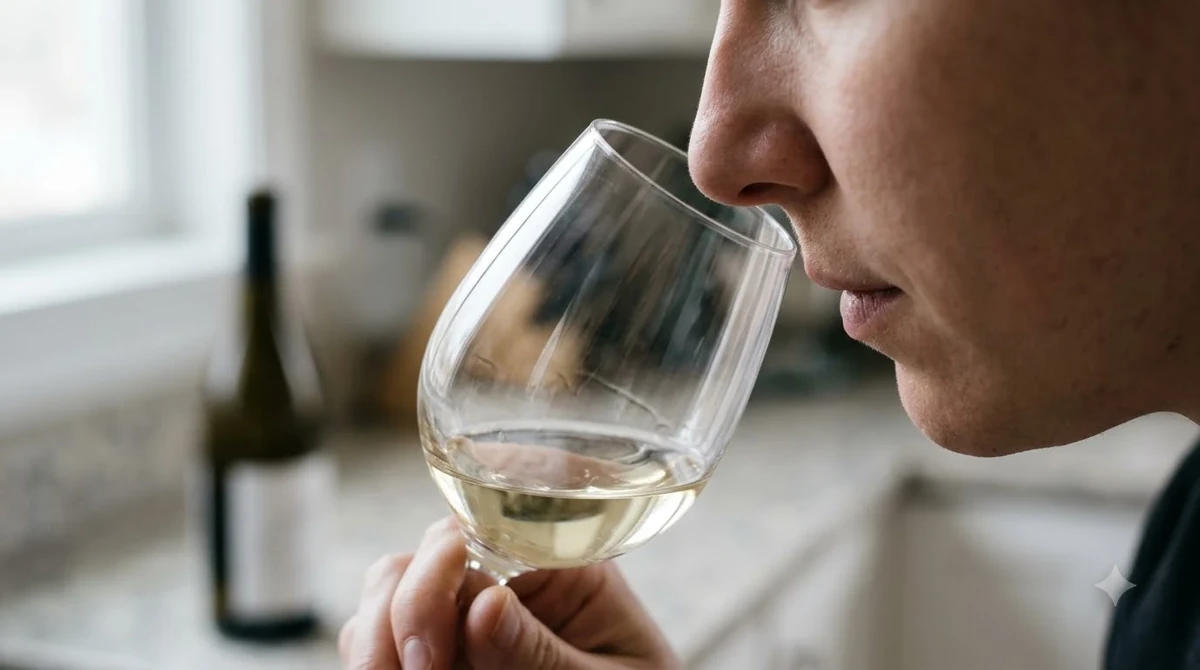
Because the grape reflects vineyard conditions and cellar choices so transparently, reviewers at VinePair note that Pecorino often behaves like a red wine dressed in white clothing. Cooler hillside parcels yield tense, chalky, citrus-driven bottles loaded with lime, grapefruit, and green herbs. Warmer sites closer to the Adriatic produce broader, rounder expressions showing ripe apricot, lemon curd, and subtle almond bitterness on the finish.
Winemakers shape Pecorino in three primary styles. Most bottlings are fermented and aged in stainless steel—often resting on fine lees for several months—to preserve crisp citrus and herbal purity. A smaller group of artisanal producers ferments or ages the wine in neutral oak barrels, concrete vats, or terracotta amphorae, adding creamy texture, gentle spice, and greater cellaring potential. You will also occasionally encounter lively sparkling spumante versions from Abruzzo that make crisp aperitifs.
Where Pecorino Grows
Pecorino thrives almost exclusively along the eastern spine of central Italy, specifically in the neighboring regions of Marche and Abruzzo, with minor plantings spilling into Umbria and Lazio. These vineyards sit between the Apennine Mountains and the Adriatic Sea, where cool mountain breezes preserve the grape’s signature acidity during warm Italian summers.
In southern Marche, the grape reaches its highest official classification under the Offida Pecorino DOCG appellation, centered around the hills of Ascoli Piceno and Arquata del Tronto. Regulations here require at least 85 percent Pecorino, though many estates bottle 100 percent varietal expressions that show pronounced floral aromatics and stony minerality. Pecorino also plays a supporting role alongside Passerina and Trebbiano in Falerio DOC blends.
Just across the regional border in Abruzzo, growers bottle Pecorino under Abruzzo DOC, Controguerra DOC, and several widely exported IGT designations, including Terre di Chieti IGT, Colline Pescaresi IGT, Colline Teatine IGT, and Colli Aprutini IGT. Higher-elevation sites in L’Aquila province, bottled under Terre Aquilane IGT, yield particularly taut, aromatic wines with pronounced herbal and saline character.
How to Serve Pecorino for Best Pairing
Serve Pecorino chilled between 45 and 50 degrees Fahrenheit (7 to 10 degrees Celsius), pulling the bottle from the refrigerator roughly 15 minutes before pouring. Serving it slightly warmer than ice-cold allows its acacia, herb, and stone-fruit aromatics to open up rather than hiding behind pure acidity.
Pour the wine into a standard medium-bowled white wine glass so the floral and citrus notes concentrate toward the rim. While young stainless-steel bottlings shine within one to three years of the vintage date for crisp aperitif and seafood pairings, structured, lees-aged, or amphora-fermented bottles from top producers develop nutty, honeyed complexity over five to ten years in a cool cellar.
Tip: If you are pairing a higher-alcohol, lees-aged Pecorino with roasted meats or aged cheeses, let it warm closer to 52 degrees Fahrenheit in the glass so its creamy mid-palate and savory herbal notes fully emerge.
Best Pecorino Food Pairing Ideas
Pecorino excels at the table because its high acidity slices through fats and fried coatings while its herbal, saline finish mirrors Mediterranean seasonings. Whether you are planning a casual weeknight pasta or a multi-course seafood dinner, matching the weight of the dish to the style of your bottle guarantees harmony.

Seafood and Shellfish: Coastal Italian cuisine is Pecorino’s natural home. The wine’s citrus zest and mineral salinity lift sweet shellfish like steamed mussels, clams in white wine garlic sauce, grilled shrimp, and raw oysters. It is equally compelling alongside crispy fried calamari, classic Italian fritto misto, or Japanese vegetable and shrimp tempura, where brisk acidity refreshes the palate after every crunchy bite.
Pasta, Risotto, and Cured Pork: Unlike delicate whites that disappear next to rich sauces, Pecorino has the body to partner with classic Roman and central Italian pastas. It handles the black pepper and sharp sheep’s milk cheese of cacio e pepe, cuts through the cured pork fat in pasta alla gricia and spaghetti alla carbonara, and brightens creamy saffron risotto alla Milanese. If your menu shifts toward heartier tomato-braised meats or grilled sausages, you might pivot to a medium-bodied red like a carignan food pairing, but for white sauces and cured pork, Pecorino rules.
Cheese, Poultry, and Roasted Vegetables: True to its name, Pecorino wine creates a regional match with sheep’s milk cheeses at every stage of ripeness—from sweet, young Pecorino Toscano to sharp, crystalline Pecorino Romano served with walnuts and crusty bread. For main courses, pair it with herb-roasted chicken thighs, lemon-and-rosemary pork loin, grilled artichokes, or bitter sautéed greens. When a dish calls for a slightly softer, rounder white without Pecorino’s herbal snap, consider a grenache blanc food pairing instead.
| Food Category | Top Dish Examples | Why the Pairing Works | Best Pecorino Style |
|---|---|---|---|
| Fried Seafood and Appetizers | Fried calamari, fritto misto, shrimp tempura, arancini | High natural acidity cuts oil and refreshes the palate between bites | Young, stainless-steel Terre di Chieti IGT or Abruzzo DOC |
| Shellfish and Grilled Fish | Steamed mussels, clam linguine, grilled sea bass, oysters | Saline minerality and lemon zest echo ocean sweetness without overpowering | Crisp, coastal Marche or Abruzzo DOC |
| Rich Roman Pastas and Risotto | Cacio e pepe, spaghetti alla carbonara, risotto alla Milanese | Medium-to-full body and brisk acid balance egg yolk, butter, and guanciale | Lees-aged Offida Pecorino DOCG |
| Sheep’s Milk Cheeses | Young Pecorino Toscano, aged Pecorino Romano, ricotta salata | Shared regional profile balances salt and sharp lactic tang | Offida Pecorino DOCG or structured Colline Pescaresi IGT |
| Herbed Poultry and Pork | Roast chicken with rosemary, herb-crusted pork tenderloin | Savory mint, rosemary, and white pepper notes mirror roasted herbs | Oak- or amphora-aged Pecorino |
| Vegetables and Global Spice | Roasted artichokes, grilled zucchini, Pad Thai, fresh spring rolls | Herbal grip handles tricky vegetables while citrus tames lime and tamarind | Aromatic, high-acid stainless-steel bottling |
How to Choose a Good Bottle of Pecorino
Finding a rewarding bottle of Pecorino starts with checking the appellation and vintage on the front label. For crisp, everyday seafood and appetizer pairings, look for recent vintages labeled Abruzzo DOC, Terre di Chieti IGT, or Falerio DOC, which typically emphasize bright green apple, lime, and refreshing minerality.
When you want extra weight, aromatic depth, and textural richness for pasta, roasted pork, or aged cheeses, seek out Offida Pecorino DOCG from Marche or single-vineyard selections from Abruzzo sub-zones like Colline Pescaresi IGT and Terre Aquilane IGT. Reading the back label for clues such as “sur lie” (lees aging), concrete fermentation, or amphora aging will also point you toward fuller-bodied bottles built for complex food pairings.
If you enjoy dry, savory wines with vibrant acidity and want to explore red options that bring similar food-friendly tension to grilled meats and earthy vegetables, check out a blaufrankisch food pairing for your next dinner party.
Frequently Asked Questions
Is Pecorino wine sweet or dry?
Pecorino wine is almost always fermented completely dry, meaning it contains virtually no residual sugar. Although the grape ripens with high natural sugar levels, winemakers ferment those sugars into alcohol—typically 13 to 14 percent—leaving behind a crisp, savory palate driven by high acidity and orchard fruit.
Does Pecorino wine actually pair well with Pecorino cheese?
Yes, pairing Pecorino wine with Pecorino cheese is a classic Italian regional match. The wine’s sharp acidity and mineral salinity cut through the rich fat and salt of sheep’s milk cheese, working equally well with mild, young Pecorino Toscano and crumbly, aged Pecorino Romano.
What does Pecorino wine taste like compared to Pinot Grigio?
Compared to standard Pinot Grigio, Pecorino is noticeably fuller in body, more aromatic, and higher in both alcohol and natural acidity. While Pinot Grigio tends to be light and neutral, Pecorino delivers layered flavors of lemon zest, green apple, white flowers, wet stone, and fresh Mediterranean herbs.
Can you pair Pecorino wine with spicy or Asian dishes?
Pecorino works surprisingly well with mildly spiced Southeast Asian dishes such as Pad Thai, lemongrass chicken, and fresh Vietnamese spring rolls. Its bright lime and herbal notes harmonize with fresh cilantro, mint, and tamarind, though you should avoid pairing dry high-alcohol bottles with fiery chili heat.
With its rare blend of coastal freshness and dinner-table weight, Pecorino earns a permanent spot beside seafood, rich Roman pastas, and sharp cheeses. Keep a bottle chilled for your next Mediterranean meal and let its crisp acidity and savory herbal finish bring every course into focus.
More in Wine Types & Grapes
 What Does Mourvèdre Taste Like? Flavor Profile, Regions, and PairingsUpdated Nov 20, 2026
 What Does Marsanne Taste Like? Flavors, Styles, and Food PairingsUpdated Nov 20, 2026
 What Does Malvasia Taste Like? Styles, Flavors, and Food PairingsUpdated Nov 20, 2026
 What Does Grenache Blanc Taste Like? Flavor Profile, Styles, and PairingsUpdated Nov 20, 2026
 What Does Garnacha Taste Like? Key Flavors, Styles, and Pairing TipsUpdated Nov 20, 2026
 What Does Fruit Wine Taste Like? A Complete Flavor and Style BreakdownUpdated Nov 20, 2026