

We may earn a commission when you buy through links on this page, at no extra cost to you. Learn more.
The typical Josh Chardonnay price in the United States is about $10 to $16 for a 750 ml bottle, depending on the retailer, location, and vintage. Josh Cellars Chardonnay is a California white wine with bright citrus, honey, juicy peach, and a hint of oak. It occupies an accessible everyday-wine category, making it an option for shoppers who want a familiar Chardonnay style without moving into premium-priced bottles.
Josh Cellars Chardonnay is widely positioned as an approachable bottle for casual dinners, small gatherings, and everyday meals. Its price can vary between grocery stores, specialist wine retailers, and online shops, so comparing the regular shelf price rather than relying on one listing gives shoppers a clearer picture. Understanding the wine’s style, bottle format, and typical retail range makes it easier to decide whether it belongs in the shopping cart.
Who This Josh Chardonnay Price Guide Is For
This guide is for shoppers comparing everyday California Chardonnay bottles and trying to determine whether Josh Cellars offers suitable value. It covers typical American retail pricing, the characteristics of the wine, and the practical differences between buying from a supermarket, a dedicated wine shop, or an online retailer.
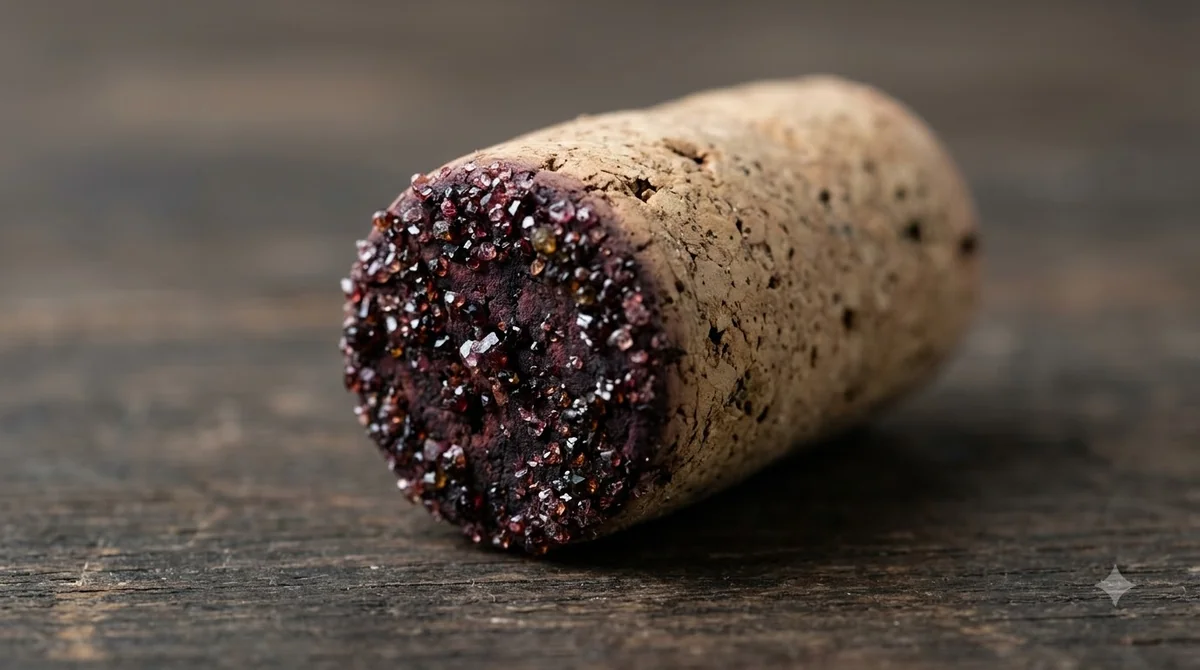
Josh Cellars Chardonnay generally appeals to people who enjoy approachable white wines with recognizable fruit flavors and a gentle oak influence. The producer describes its Chardonnay as delicate and bright, with citrus, honey, and juicy peach notes. That combination makes it a reasonable candidate for shoppers who prefer a rounded Chardonnay rather than a particularly austere or sharply acidic white wine.
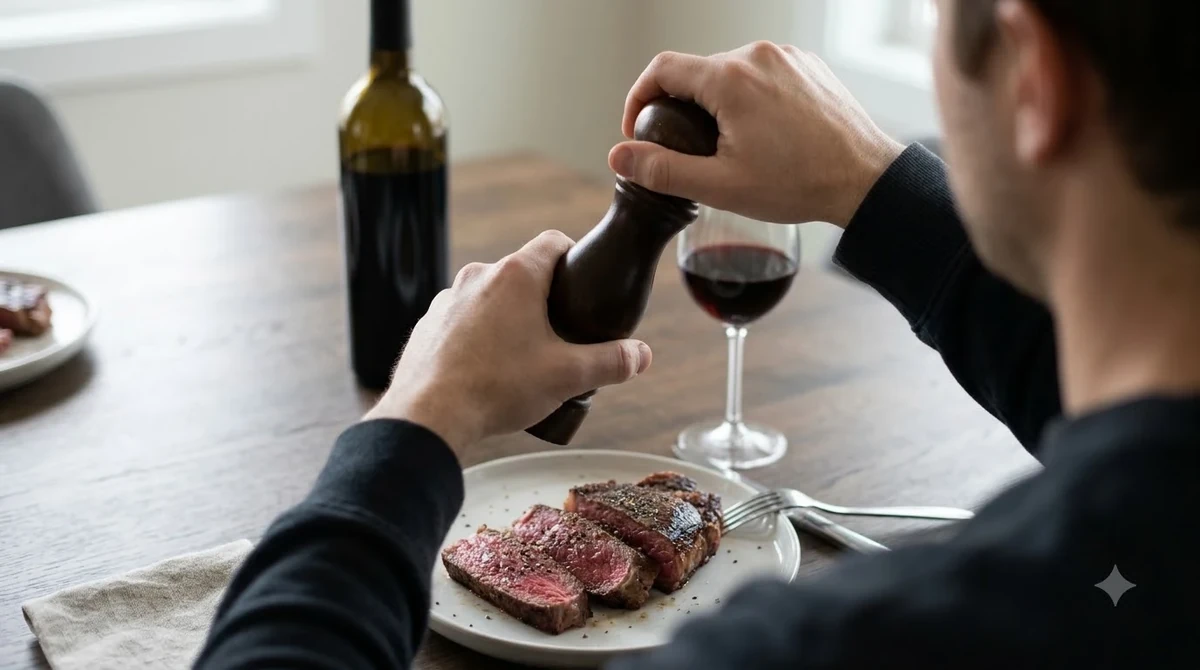
It is also relevant for households that regularly serve white wine with seafood, poultry, and creamy dishes. The producer specifically recommends shrimp, steamed mussels, creamy pasta, roasted chicken, and grilled vegetables. These pairing suggestions give shoppers a practical idea of where the bottle fits at the dinner table instead of treating it as a wine reserved for special occasions.
Budget-conscious shoppers should consider the bottle’s intended role. Josh Chardonnay is positioned as an accessible California wine, not a collectible bottle intended for extended cellaring. Its appeal is the combination of familiar fruit flavors, moderate oak influence, and straightforward food compatibility.
People looking for a highly specific vineyard designation, a detailed barrel-aging program, or a particularly restrained mineral-driven Chardonnay may prefer to investigate other bottles. The standard product information focuses on the general California origin and tasting profile rather than providing an extensive account of individual vineyard sites or cellar techniques.
For readers comparing different producers and wine categories, the broader Wine Brands resource can help put this bottle into the larger American wine market. The main question is whether the flavor profile and normal shelf cost match the kind of Chardonnay a shopper actually enjoys.
Key Factors That Determine the Bottle Price
The Josh Chardonnay price is influenced by retailer pricing, local alcohol taxes, bottle availability, vintage, and the type of store selling it. A reasonable shopping expectation is approximately $10 to $16 for a standard 750 ml bottle, with some retailers and locations falling outside that range.
Retail listings illustrate why checking more than one seller matters. Total Wine displays different store-specific prices for the same 750 ml product, while Wine Enthusiast provides an additional reference point. Wine Enthusiast lists a $14 reference price for its reviewed bottle, and Total Wine’s listings demonstrate that local shelf prices can differ. These sources support the approximate $10 to $16 shopping range, although prices vary by state and retailer. Shoppers can consult the Wine Enthusiast Josh Cellars Chardonnay review for the reviewed bottle’s price, format, and tasting assessment.
| Buying factor | Typical information | Why it matters |
|---|---|---|
| Standard bottle | 750 ml | The main format for comparing shelf prices |
| Typical retail range | About $10–$16 | Useful starting point for shopping comparisons |
| Alcohol content | 13.5% ABV | Helps identify the wine’s strength |
| Wine category | California Chardonnay | Establishes its general regional and varietal style |
| Main fruit notes | Citrus, honey, peach | Indicates its approachable flavor profile |
| Oak influence | Hint of oak | Provides additional flavor and texture |
| Serving temperature | 50–55°F | Helps preserve the wine’s balance and aromas |
Another consideration is the difference between a regular shelf price and a temporary promotional price. Some retailers display multi-bottle offers or member pricing, but these figures may require buying several bottles or joining a store program. A shopper purchasing just one bottle should compare the standard individual-bottle price instead of assuming that a promotional figure applies to every purchase.
Location can make a meaningful difference as well. Alcohol distribution rules, state taxes, shipping restrictions, and individual store pricing policies affect what appears on a shelf. A bottle available at one price in California may cost more in another state, even when the wine and bottle format are identical.
Vintage is another reason to inspect the product listing. A retailer may have more than one vintage available, and older stock does not automatically represent a better purchase. For a straightforward everyday Chardonnay, freshness, correct storage, and a sensible shelf price are generally more useful considerations than simply choosing the oldest bottle.
Finally, compare equivalent quantities. A 750 ml bottle should not be compared directly with a smaller format without adjusting for volume. A lower total price does not necessarily mean better value if the bottle contains considerably less wine.
Step-by-Step: How to Shop for Josh Chardonnay
A simple shopping process can prevent unnecessary spending and help identify the right bottle. Start with the standard 750 ml format, compare regular retailer prices, and confirm that the wine’s flavor profile suits the intended meal or occasion.
-
Start with the standard bottle size.
Look for the 750 ml format when comparing prices. This is the reference size used by Wine Enthusiast for its listed Josh Cellars Chardonnay bottle. Using the same volume makes comparisons between retailers much more meaningful.
-
Set a reasonable shopping budget.
Use approximately $10 to $16 as a practical reference range for a standard bottle. Wine Enthusiast lists a $14 reference price, while retailer listings from Total Wine demonstrate that store-specific pricing can vary. Prices vary by state and retailer, so the range is a guide rather than a guaranteed checkout total.
-
Compare at least two sellers.
Check a supermarket, a specialist wine retailer, or an established online wine shop. Compare the standard bottle price, availability, shipping charges, and any purchase conditions. A slightly lower shelf price may not be worthwhile if delivery costs significantly increase the total.
-
Confirm the product identity.
Make sure the listing is Josh Cellars Chardonnay rather than another Josh Cellars varietal. The producer sells multiple wines, including Cabernet Sauvignon, Pinot Noir, and other styles. Similar branding does not mean that the wines have the same taste or price.
-
Review the vintage and bottle condition.
Look for an intact closure, clean label, and a bottle that appears to have been stored properly. Avoid bottles with evidence of leakage, damaged closures, or excessive heat exposure. These checks are especially useful when shopping from smaller retailers.
-
Match the wine to your intended meal.
Think about whether citrus, peach, honey, and subtle oak suit the food. The producer recommends shrimp, mussels, creamy pasta, roasted chicken, and grilled vegetables, making these useful starting points for a dinner pairing.
-
Check the final purchase conditions.
Before ordering, confirm shipping eligibility, local alcohol delivery restrictions, and whether the listed price includes any applicable fees. Online wine retailers may limit delivery to particular states, so product availability does not automatically mean delivery is possible to every address.
This process is particularly useful when buying several bottles for a dinner or keeping a small supply at home. Comparing identical formats and standard prices gives a more reliable picture than making a decision based on a single advertised figure.
Tip: If you find Josh Chardonnay within the approximate $10 to $16 standard retail range, compare the final purchase cost and bottle condition before deciding. Paying slightly more at a nearby store can be sensible if it avoids shipping charges or delivery restrictions.
Types and Styles Explained: What You Get for the Money
Josh Cellars Chardonnay is a California Chardonnay with a fruit-forward profile, subtle sweetness, and a supporting oak character. Understanding these style characteristics helps explain why the bottle appeals to shoppers who want a versatile white wine rather than a highly specialized expression of Chardonnay.
Fruit-forward California Chardonnay
The producer identifies bright citrus, honey, and juicy peach as central tasting characteristics. These flavors provide an approachable combination of freshness and ripe fruit. Citrus gives the wine a lively impression, while peach and honey contribute a softer, rounder character.
Wine Enthusiast provides additional tasting detail for its reviewed bottle, describing baked apple, pear, white flowers, toasted oak, ripe nectarine, peach, grapefruit zest, and mineral notes. These descriptions suggest a more layered profile than a simple fruit-only Chardonnay, although individual vintages and serving conditions can influence the experience.
For shoppers who enjoy recognizable fruit flavors, this style is relatively easy to understand. It does not require extensive wine knowledge to identify the combination of citrus, stone fruit, and oak that defines the producer’s description.
Light oak influence
Oak can influence Chardonnay by adding aromas and flavors associated with vanilla, toast, spice, and a fuller impression on the palate. The Josh Cellars description emphasizes a hint of oak rather than making heavy oak the defining characteristic.
This is an important distinction for shoppers who associate Chardonnay with strongly buttery or heavily toasted wines. Josh Cellars describes its wine as balanced and delicate, with oak supporting the fruit rather than overpowering it. The exact production details, including the type of oak and aging duration, are not specified in the standard product description.
For a direct description of the wine’s current flavor profile and suggested food pairings, the official Josh Cellars Chardonnay product page is a useful reference.
Dryness and perceived sweetness
Shoppers sometimes assume that a wine described with honey and juicy peach must be sweet. That is not necessarily the case. Fruit aromas and flavors can create a ripe or slightly sweet impression even when a wine is made in a dry style.
The producer describes subtle sweetness, but that phrase alone does not establish a precise residual-sugar measurement. Buyers who need detailed sweetness information should distinguish between tasting language and laboratory measurements. The Josh Chardonnay sugar content discussion provides a more focused explanation of that distinction.
Alcohol and body
Wine Enthusiast lists 13.5% ABV for its reviewed bottle. This is useful information for shoppers comparing Chardonnay wines with different alcohol levels.
The wine’s alcohol content can influence its overall impression of warmth and body. It also matters when deciding how to serve it alongside food. For a more detailed discussion of the bottle’s strength and how ABV is expressed, see the Josh Chardonnay alcohol content resource.
At this retail level, the main appeal is the combination of recognizable California Chardonnay flavors and everyday accessibility. Shoppers should evaluate the bottle based on its style rather than expecting the same concentration, vineyard detail, or cellar complexity associated with more expensive wines.
Common Mistakes When Comparing Josh Chardonnay Prices
The biggest purchasing mistakes involve comparing different bottle sizes, confusing promotional prices with regular shelf prices, and assuming that tasting descriptions guarantee a particular sweetness or oak level. A careful comparison avoids these problems and makes the retail range easier to interpret.
Comparing different bottle volumes
A 750 ml bottle is the most useful reference point for this guide. Smaller bottles may have a lower total checkout price, but their cost per milliliter can be higher. Larger formats may offer a different cost structure, but availability and storage requirements also matter.
Always compare the same volume when evaluating competing retailer listings. This is particularly important when a store displays multiple package formats in the same product category.
Assuming the cheapest listing is the best purchase
A low advertised price can be misleading if the bottle is unavailable, restricted to a specific location, or subject to additional delivery costs. Online retailers sometimes show products that cannot be shipped to every state. Local inventory can also change between the time a shopper views a listing and the time an order is placed.
Check the final checkout amount and the actual bottle availability. For an individual purchase, convenience and reliable storage can be more valuable than a small difference in the advertised shelf price.
Confusing fruit flavors with residual sugar
Peach, honey, and ripe apple are tasting descriptions, not direct measurements of sugar. A Chardonnay can display ripe fruit aromas while still tasting relatively dry. Likewise, a description mentioning subtle sweetness does not provide enough information to establish a precise residual-sugar figure.
Shoppers who prefer very dry white wine should pay attention to the complete style description instead of relying on one flavor word. Those who prefer noticeably sweet wines may want to compare the bottle with an intentionally sweet white wine before making a purchase.
Expecting every Chardonnay to taste the same
Chardonnay is a versatile grape that can produce very different wines depending on climate, fermentation, oak exposure, and winemaking decisions. A lightly oaked California bottle is not necessarily comparable to a strongly buttery Chardonnay or a lean, mineral-focused Chablis.
Josh Cellars emphasizes citrus, honey, peach, and a hint of oak. Shoppers should use these characteristics as their starting point rather than assuming that the word Chardonnay guarantees a specific texture or flavor.
Ignoring storage and temperature
Wine that has been stored in a hot environment may lose freshness and show less attractive flavors. A bottle kept near a sunny window or in a warm vehicle is not an ideal purchase, even if the shelf price looks appealing.
Temperature also affects how the wine presents itself. Serving it too cold can make aromas less apparent, while serving it too warm can make the alcohol feel more prominent. Proper storage and serving are part of getting reasonable value from the purchase.
Care and Storage Tips After Buying
Good storage helps preserve the fruit character that makes Josh Cellars Chardonnay appealing. Keep unopened bottles away from heat, sunlight, and major temperature fluctuations, then serve the wine cool enough to retain freshness without suppressing its aromas.
Store the bottle correctly
A cool, dark storage location is preferable to a kitchen counter, sunny shelf, or cabinet beside an oven. A storage temperature near 55°F is a useful general target for wine. Consistency matters because repeated temperature changes can negatively affect the wine over time.
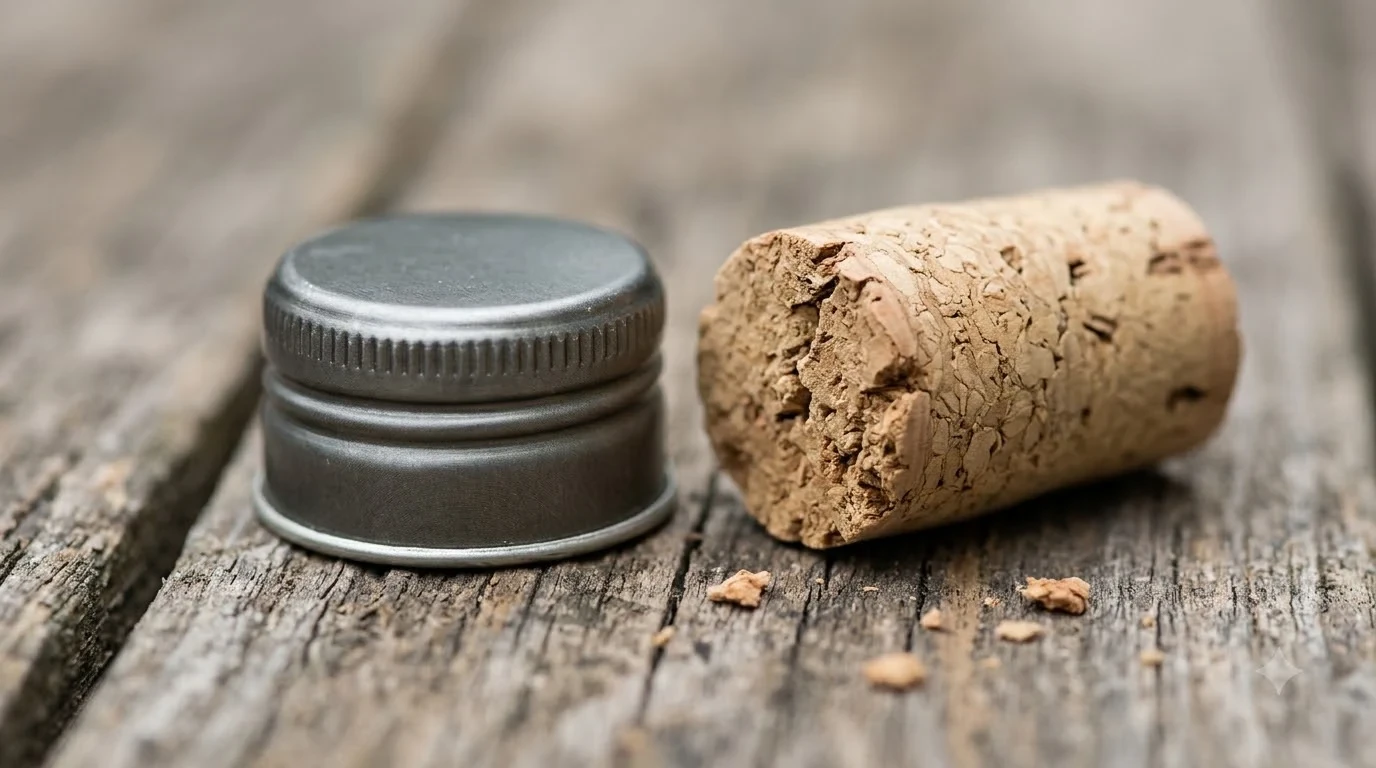
For longer storage, bottles with traditional cork closures are generally kept on their sides to maintain contact between the cork and the wine. The Wine.com listing identifies a screw cap for its listed Josh Chardonnay bottle. A screw cap does not require the same cork-moistening arrangement, so the bottle can be stored upright if that is more convenient.
Josh Chardonnay is generally best treated as an approachable drinking wine rather than a bottle purchased for long-term aging. Buying a bottle with a suitable storage history and enjoying it while its fruit character is fresh is a practical approach.
Serve at the right temperature
Fuller white wines such as Chardonnay are generally served around 50–55°F. This temperature range helps balance the wine’s fruit, acidity, oak, and alcohol while allowing its aromas to become more expressive.
If the bottle has been refrigerated for an extended period, allow it to warm slightly before serving. If it has been sitting at room temperature, a short period in the refrigerator can bring it closer to the recommended range.
Use a standard white wine glass with enough room to swirl the wine gently. A moderate pour helps release aromas without making the glass difficult to handle. A typical wine serving is 5 ounces, and a standard 750 ml bottle contains approximately five such servings.
Preserve opened wine
After opening, replace the closure securely and refrigerate the remaining wine. A practical general guideline for opened still wines is approximately three to five days in the refrigerator, although the wine’s condition can change depending on how much air has entered the bottle.
Keep the bottle tightly closed between servings. If the wine develops an unusually flat aroma, loses its fresh fruit character, or begins to smell noticeably oxidized, its quality may have declined.
For occasional drinkers, these storage habits can help prevent unnecessary waste. Purchasing a bottle at a sensible retail price is only part of getting value; preserving the remaining wine for another meal matters too.
Frequently Asked Questions
Is Josh Cellars Chardonnay made from 100% Chardonnay grapes?
The wine is marketed as Chardonnay, but the standard product information cited here does not publish a complete grape-composition breakdown. A varietal name identifies the wine’s principal grape category, while exact blending percentages require additional technical documentation. Buyers who need a confirmed percentage should request the relevant vintage’s technical information from the producer.
Does Josh Chardonnay have a screw cap or cork?
Wine.com identifies a screw cap closure for its listed 2024 Josh Cellars Chardonnay. Screw caps are practical for everyday bottles because they can be opened without a corkscrew and resealed easily. Packaging can differ between products and vintages, so the specific listing is the best source for closure information.
Can Josh Chardonnay be used for cooking?
Yes, a fruit-forward Chardonnay can work in dishes such as creamy chicken sauces, seafood pasta, and pan sauces. Its citrus and peach character can complement ingredients that benefit from a little wine acidity. Use a modest amount and allow the alcohol to cook off appropriately rather than adding a large quantity that overwhelms the dish.
How many calories are in a glass of Josh Cellars Chardonnay?
The product pages used for this guide do not provide a verified calorie count for the specific bottle. Calories in wine depend on alcohol and residual sugar, among other factors. A precise answer requires the nutritional information for the particular product and serving size rather than an estimate based only on the grape variety.
Who created Josh Cellars?
Wine.com identifies vintner Joseph Carr as the person who created Josh Cellars in 2007 as a tribute to his father, Josh. The brand initially began with Cabernet Sauvignon before expanding into a wider portfolio of California wines. This background explains the name used across the producer’s different wine categories.
Josh Cellars Chardonnay is a practical choice for shoppers who enjoy California Chardonnay with citrus, peach, honey, and a gentle oak influence. A typical American retail budget of about $10 to $16 for a 750 ml bottle provides a useful starting point, although local availability and retailer pricing can change the final cost. Compare equivalent bottles, check storage conditions, and choose the wine based on its style as well as its price.
More in Wine Brands
 Underwood Wine Price: Compare Bottles, Cans, and Pack SizesUpdated Nov 21, 2026
 Zenato Wine Price: Compare Styles and Choose the Right BottleUpdated Nov 21, 2026
 Zuccardi Wine Price: Compare Bottles and Find the Right RangeUpdated Nov 21, 2026
 Yellow Tail Moscato Review: Taste, Sweetness and Serving TipsUpdated Nov 21, 2026
 Wolf Blass Yellow Label Review: Choose Your Best StyleUpdated Nov 21, 2026
 Wolffer Estate Rose Review: Choose the Right Bottle for Your TableUpdated Nov 21, 2026