

We may earn a commission when you buy through links on this page, at no extra cost to you. Learn more.
The black box cabernet review verdict is that Black Box Cabernet Sauvignon is a practical, fruit-forward boxed red for everyday meals, casual entertaining, and drinkers who value convenience over complexity. Its dark-fruit character, subtle oak notes, and soft berry finish make it approachable, while its 3-liter package provides approximately four standard wine bottles. It is a sensible choice for casual Cabernet drinkers, although those seeking concentrated tannins, complex regional character, or serious aging potential should consider a different style.
Boxed wine has become a practical alternative to traditional bottles, particularly for households that enjoy red wine over several weeks rather than opening a bottle every evening. Black Box is a recognizable name in this category, and its Cabernet Sauvignon offers familiar flavors in a resealable package. Understanding its flavor profile, packaging, serving requirements, and limitations helps determine whether it belongs in your regular wine rotation.
Who This Black Box Cabernet Is For
Black Box Cabernet Sauvignon is best suited to people who want an approachable red wine in a convenient format. Its 3-liter package, equivalent to four 750 ml bottles, makes it particularly useful for households, casual dinner parties, and people who prefer pouring one glass at a time.
The wine’s appeal is its familiar Cabernet profile rather than unusual winemaking techniques or highly specific regional character. Retail descriptions emphasize dark fruit, light oak, and lingering berry flavors. Wine Enthusiast has also described a California bottling as medium- to full-bodied, with black and red fruit and a subtle touch of spice. Those characteristics give shoppers a useful idea of the style, although individual bottlings and vintages can differ.
It is particularly suitable for the following situations:
- Everyday dinners: The fruit-forward character works with familiar meals such as roasted beef, burgers, meatloaf, and tomato-based pasta.
- Small households: The dispensing system makes it possible to pour a glass without finishing an entire bottle within a few days.
- Casual entertaining: Four bottle-equivalents provide enough wine for a gathering without requiring several individual bottles.
- Regular Cabernet drinkers: People who enjoy recognizable dark-fruit flavors and moderate oak influence may find the style appealing.
- Convenience-focused shoppers: The rectangular package is easier to transport and less vulnerable to breakage than four glass bottles.
However, Black Box is not necessarily the right selection for every Cabernet drinker. Someone who prefers structured Napa Valley Cabernet, pronounced blackcurrant flavors, firm tannins, and long cellar development may find the style relatively straightforward. A boxed wine is also not an ideal substitute for a collectible bottle intended for a special occasion.
For readers comparing the brand’s other offerings, the broader Black Box wine selection provides useful context. Looking at different grape varieties can help determine whether Cabernet Sauvignon is the most suitable option for a household’s usual meals and preferences.
Key Factors to Compare Before Buying
The most important buying considerations are grape variety, flavor profile, alcohol level, package size, and freshness after opening. Comparing these five factors makes it easier to decide whether Black Box Cabernet offers the right balance of convenience and drinking style.
| Factor | Black Box Cabernet details | What it means for buyers |
|---|---|---|
| Wine variety | Cabernet Sauvignon | A familiar dry red grape with noticeable tannin |
| Package size | 3 liters | Equivalent to four 750 ml bottles |
| Standard servings | About 20 glasses | Based on approximately 5 oz per serving |
| Alcohol content | Approximately 13% ABV | Retail listings identify this level for particular bottlings |
| Flavor profile | Dark fruit, light oak, lingering berry | Suitable for familiar red-wine preferences |
| Body | Marketed as full-bodied | More substantial than many light-bodied reds |
| Packaging | Resealable bag-in-box | Allows repeated pours without opening a new bottle |
| Advertised freshness | Up to six weeks | Actual flavor quality can decline sooner |
Grape variety and flavor expectations
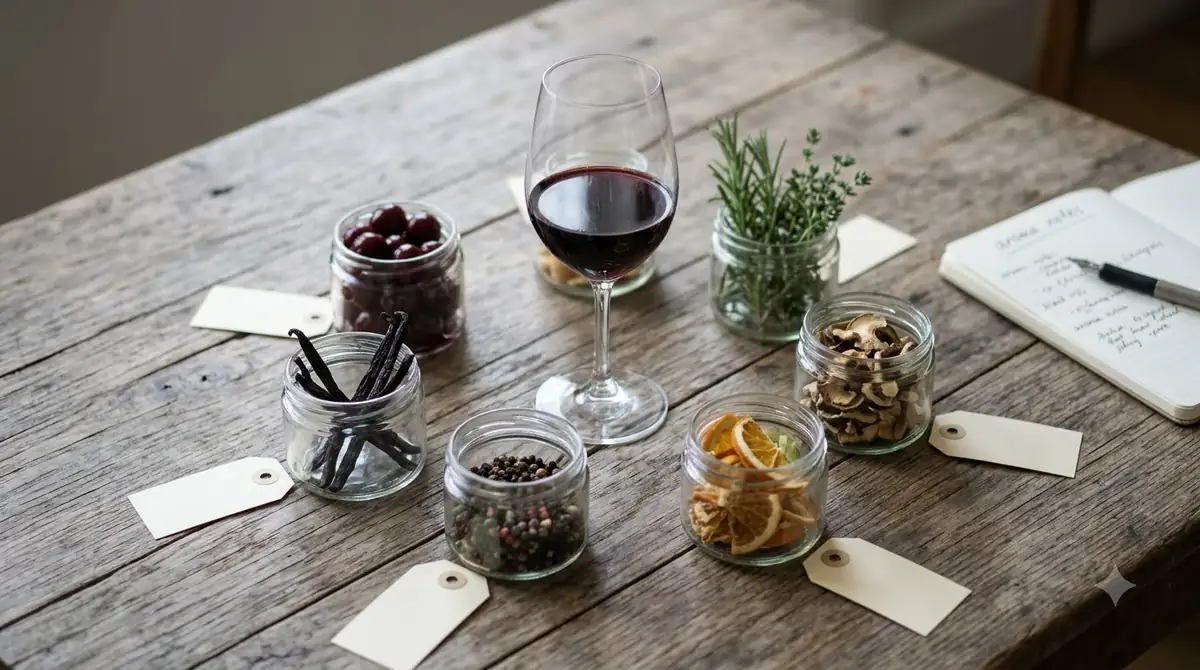
Cabernet Sauvignon is generally associated with blackcurrant, blackberry, plum, and other dark-fruit characteristics. Depending on growing conditions and winemaking, the wine may also show herbal, peppery, vanilla, or toasted-oak notes.
Black Box’s current retail description emphasizes rich dark-fruit aromas, light oak, and a soft, lingering berry finish. These characteristics suggest a familiar, accessible interpretation of Cabernet rather than a highly concentrated or heavily structured example. The precise balance can vary between bottlings.
Cabernet Sauvignon typically has high tannin compared with softer red varieties such as Merlot. Tannin contributes a drying sensation on the gums and palate. It is an important part of Cabernet’s identity, although the overall impression depends on acidity, fruit concentration, alcohol, and winemaking decisions.
Alcohol content and serving size
Retail product information identifies Black Box Cabernet at approximately 13% alcohol by volume. Published listings are not entirely consistent: some product specifications state 13%, while another description gives 13.5%. This is a reason to distinguish the general product profile from the exact alcohol level of an individual package.
The 3-liter format contains 3,000 ml of wine, equivalent to four standard 750 ml bottles. Using a conventional 5 oz serving, the package provides approximately 20 glasses. That makes the format convenient for households that regularly serve several people or prefer smaller pours across multiple occasions.
Package quality and convenience
The main advantage of bag-in-box packaging is the dispensing system. Wine sits inside a sealed internal bag connected to a tap, reducing repeated exposure to air as glasses are poured. This helps slow oxidation compared with repeatedly opening and closing an ordinary bottle.
The cardboard exterior is also practical for transport, storage, and outdoor gatherings. It avoids the weight and breakage concerns associated with several glass bottles. However, packaging convenience should not be confused with wine quality: a useful container does not automatically make a wine more complex or ageworthy.
For a broader explanation of how different boxed formats compare, the Wine Brands section offers additional background on producers and wine categories.
Step-by-Step: How to Choose and Serve Black Box Cabernet
A good buying decision starts with checking the specific package and ends with serving the wine at an appropriate temperature. Five straightforward steps help preserve the wine’s character and make its food pairings more successful.
-
Identify the correct wine and package.
Look for Cabernet Sauvignon rather than another Black Box variety such as Merlot or Pinot Noir. Confirm that the package contains 3 liters if the intention is to purchase the four-bottle equivalent. Different grape varieties have different tannin, acidity, and fruit profiles, so the variety name matters more than the color of the packaging.
-
Compare the product details.
Review the listed alcohol percentage, regional information, and package condition. Black Box Cabernet listings have identified different origins, including Chile and California in different product descriptions and historical reviews. Do not assume that every product carrying the same brand name has identical regional sourcing or tasting characteristics.
-
Chill the wine before serving.
Full-bodied reds generally show well around 60–65°F. This is cooler than many heated dining rooms, where red wine can become noticeably warm. If the wine has been stored at room temperature, a short period of refrigeration can bring it closer to a suitable serving temperature.
-
Pour a measured serving.
A standard wine serving is approximately 5 oz. The tap makes it easy to pour directly into a glass, but allowing the wine to settle briefly after dispensing can help any temporary bubbles from pouring disappear. A suitable red-wine glass with enough room to swirl is helpful but not essential for an everyday meal.
-
Close the dispensing system and store it properly.
Make sure the tap is fully closed after each pour. Refrigerate the opened box to slow oxidation and preserve freshness. Returning the package to a cool environment promptly is more useful than relying exclusively on the manufacturer’s advertised storage period.
For drinkers accustomed to bottle service, the biggest adjustment is temperature management. Red wine does not need to be served warm to express its fruit. A glass served around 62°F can feel fresher and more balanced than one poured directly from a warm kitchen counter.
Tip: Try Black Box Cabernet at approximately 60–65°F rather than serving it warm. If the wine has been sitting in a heated room, refrigerate the package briefly before pouring. Cooler serving temperatures can help maintain a balanced impression of alcohol, fruit, and tannin.
Another useful step is to compare the first glass with a later glass from the same package. This helps identify whether the wine is retaining its fruit character after opening. If the aroma becomes noticeably flat, vinegary, or unpleasant, the wine has moved beyond its best drinking condition even if the package’s advertised storage window has not expired.
Black Box Cabernet and Other Wine Styles Explained
Black Box Cabernet belongs to the dry red wine category, but understanding its style requires distinguishing Cabernet Sauvignon from other popular red grapes. Tannin, acidity, body, and fruit intensity influence how a wine tastes and which foods complement it.
Cabernet Sauvignon: structured dark fruit
Cabernet Sauvignon generally has high tannin and flavors associated with blackcurrant, blackberry, and dark cherry. It often works particularly well with rich meat dishes because protein and fat can soften the perception of tannin.
Black Box’s advertised dark-fruit and oak profile fits familiar Cabernet expectations. However, its accessible, fruit-forward character should not be confused with the concentrated structure of every premium Cabernet. Wine Enthusiast’s review of the 2021 California Black Box Cabernet described medium-to-full body and rich black and red fruit with a hint of spice, while its score placed that particular wine in the publication’s good category.
Merlot: softer tannin and rounded fruit
Merlot generally has medium tannin and a softer texture than Cabernet Sauvignon. Its plum, cherry, and dark-fruit flavors make it an alternative for drinkers who find strongly structured reds too drying.
Black Box also offers Merlot, providing a useful comparison within the same general brand range. Someone choosing between the two should consider the intended food pairing and preferred mouthfeel. Cabernet is usually the more structured choice, while Merlot is often more approachable for people who prefer softer tannins.
Pinot Noir: lighter body and brighter acidity
Pinot Noir generally has low-to-medium tannin and higher acidity than Cabernet Sauvignon. Its red-cherry, raspberry, and earthy characteristics can make it a better match for lighter dishes, roasted poultry, and mushroom-based meals.
It is not simply a lighter version of Cabernet. The difference involves grape characteristics, body, acidity, and tannin. A drinker who enjoys rich beef dishes may prefer Cabernet, while someone serving salmon or roasted chicken may prefer Pinot Noir.
California and Chilean bottlings
Regional information deserves attention because Black Box Cabernet descriptions have not always identified the same origin. Retail information for one current product identifies Chile, while Wine Enthusiast has reviewed a separate California bottling.
That distinction matters because regional sourcing can influence fruit ripeness, acidity, and the overall expression of Cabernet Sauvignon. It is better to evaluate the particular product being purchased than to assume that historical tasting notes describe every package currently available.
For more details about the variety and its different product descriptions, see the Black Box Cabernet overview.
Common Mistakes When Buying Black Box Cabernet
Most disappointing purchases result from incorrect expectations rather than packaging problems. Understanding the difference between fruit-forward boxed Cabernet and traditionally structured Cabernet helps avoid several common mistakes.
Expecting premium Cabernet complexity
One mistake is expecting the same structure, concentration, and development associated with expensive Cabernet from celebrated regions. Black Box is positioned as an accessible boxed wine, and its main strengths are convenience and a familiar flavor profile.
For example, a collector seeking layered aromas, pronounced oak integration, firm tannins, and a long evolving finish may find this style too straightforward. That does not mean the wine cannot be enjoyable. It means its intended drinking occasion is different.
Assuming all Black Box Cabernet is identical
Another mistake is treating every vintage, regional description, and retailer listing as interchangeable. Wine Enthusiast has reviewed a California Cabernet, while retail information for another listing identifies Chilean grapes. Even alcohol information can differ slightly between product descriptions.
These differences are reasons to evaluate the actual product rather than relying on a single older review. Historical tasting notes can provide context, but they should not be treated as a guarantee of the flavor in every subsequent package.
Confusing fruit-forward with sweet
Dark-fruit aromas and ripe berry flavors do not necessarily indicate residual sugar. A dry red can smell like blackberry jam, vanilla, or ripe plum without tasting like a sweet dessert wine.
Black Box’s descriptions emphasize fruit and oak, while published commentary has characterized the wine as approachable and relatively light in tannin. Some buyers have nevertheless described it as drier than expected. Drinkers who prefer sweeter reds should not assume that ripe fruit aromas mean the wine will have noticeable sweetness.
Ignoring Cabernet’s tannin
Cabernet Sauvignon is generally a high-tannin grape. People who prefer very soft reds may notice more drying sensation than they would with Merlot or Pinot Noir.
Food can change that perception. Salt and fat soften the impression of tannin, making dishes such as braised short ribs, grilled steak, and aged hard cheese useful pairings. Conversely, delicate seafood and lightly seasoned vegetables may not provide enough richness to balance a structured red.
Using the full six-week freshness claim as a guarantee
Boxed-wine packaging can extend the useful life of an opened wine, but the manufacturer’s advertised period is not a promise that every glass will taste equally fresh. The wine can lose aromatic definition and balance well before the end of the recommended window.
Food & Wine’s boxed-wine storage comparison found noticeable oxidative changes in its tested Black Box Cabernet, with the wine remaining reasonably drinkable for approximately four weeks under controlled conditions. This illustrates why storage temperature and personal taste matter more than simply counting days.
Care, Storage, and Food Pairing Tips
Proper storage and thoughtful food pairing make a substantial difference to the everyday experience of Black Box Cabernet. Keep the opened package cool, protect the dispensing system from contamination, and serve the wine with food that complements its dark fruit and Cabernet tannin.
Storage after opening
The resealable bag-in-box design reduces oxygen exposure because the internal bag collapses as wine is dispensed. This is different from a conventional bottle, where air enters the empty space as wine is removed.
Retail descriptions advertise freshness for up to six weeks after opening. However, Food & Wine’s controlled comparison found that its Black Box Cabernet began showing oxidative characteristics after opening and lost noticeable quality during subsequent storage. It remained reasonably drinkable for around four weeks in that test.
The practical approach is to refrigerate the opened package rather than leave it on a kitchen counter. Food & Wine’s test used a wine storage environment maintained at approximately 55°F. Cooler storage slows oxidation and helps preserve freshness.
Use the following approach:
- Keep the unopened package in a cool, dry place away from direct sunlight.
- Refrigerate the wine after opening.
- Close the dispensing tap completely after pouring.
- Avoid touching the tap opening with the glass or other objects.
- Pour a small sample periodically to assess aroma and flavor.
- Discard the remaining wine if it develops strongly unpleasant, vinegary, or spoiled aromas.
Boxed wine is designed for convenient consumption rather than long-term cellaring. Unlike a suitable ageworthy bottled Cabernet, the wine inside a bag-in-box package is not intended to develop through years of storage. Buy it for relatively near-term drinking rather than collecting it for a future occasion.
Best food pairings
Cabernet Sauvignon is a natural companion for beef because the richness of the food helps balance the grape’s tannin. Black Box’s retail pairing suggestions include filet mignon, braised ribs, and mushroom pizza, all of which offer useful starting points for meal planning.
Other suitable combinations include:
- Grilled steak: The fat and savory flavor of ribeye or sirloin complement dark-fruit Cabernet characteristics.
- Braised short ribs: Slow cooking creates tender meat and rich sauce that work well with red wine tannin.
- Beef burgers: Grilled beef, roasted onions, and mature cheddar provide enough flavor to stand up to Cabernet.
- Mushroom pizza: Earthy mushrooms and melted cheese offer a satisfying contrast to ripe fruit and oak notes.
- Hard cheeses: Aged cheddar and Parmesan are useful options because salt and fat can soften the impression of tannin.
- Tomato-based pasta: A rich meat sauce can complement Cabernet, although acidic tomato dishes benefit from wines with sufficient acidity.
Food acidity deserves attention. Highly acidic dishes can make a wine seem less fresh if the wine does not have enough acidity of its own. A rich tomato and beef ragù is generally a more natural pairing than a sharply acidic vinegar-based salad.
Serving temperature and glassware
Full-bodied reds are generally best served around 60–65°F. This range allows dark-fruit aromas and the wine’s structure to show without making alcohol seem overly prominent. Serving the wine too warm can exaggerate the perception of alcohol and reduce the impression of freshness.
A standard red-wine glass is suitable, although an expensive glass is unnecessary for casual service. A bowl that provides enough space to swirl can help release the wine’s aromas. If the first glass seems particularly closed, allowing it to stand for several minutes may make its fruit and oak notes easier to recognize.
Young full-bodied red wines can also benefit from 30–60 minutes of decanting. With a boxed wine, however, this is optional rather than essential. A glass that has been poured and allowed to breathe briefly will often be sufficient for an uncomplicated everyday meal.
Frequently Asked Questions
Does Black Box Cabernet Sauvignon contain sulfites?
Yes. The Target product information identifies sulfites in its allergen and warning information. Sulfites are commonly present in wine, including many red wines, because they can occur naturally during fermentation and may also be used during winemaking.
Can Black Box Cabernet Sauvignon be used for cooking?
Yes, it can be used in dishes that call for dry red wine, including beef braises, tomato-based meat sauces, and red-wine reductions. Avoid cooking with wine that already has unpleasant oxidation or spoiled aromas, since those flavors can carry into the finished dish. Add it early enough to allow the alcohol and raw wine aromas to cook off.
Does Black Box Cabernet need to be decanted?
Decanting is optional rather than a requirement for this everyday boxed Cabernet. Unlike an older collectible red, it is not generally being purchased for sediment separation or extensive bottle development. A brief period of aeration in the glass can be sufficient for casual drinking.
Can Black Box Cabernet be served at a picnic?
Its shatter-resistant outer package makes it convenient for outdoor gatherings where transporting several glass bottles would be inconvenient. Keep the wine cool in an insulated carrier and avoid leaving it in direct sunlight. Local alcohol laws and venue rules should also be considered before taking wine to a public outdoor location.
Is Black Box Cabernet suitable for a wine gift?
It can work as a practical gift for someone who regularly drinks Cabernet and appreciates convenient packaging. However, a traditional glass bottle is generally a more appropriate choice for formal celebrations, collectors, or recipients who enjoy discovering specific vineyards and vintages. The intended occasion matters as much as the wine variety.
Black Box Cabernet Sauvignon makes the most sense for drinkers seeking familiar dark-fruit flavors, convenient pouring, and a larger package for regular use. Its strengths are accessibility and practicality rather than the complexity of a premium cellar-worthy Cabernet. Serve it slightly cool, pair it with substantial food, and refrigerate the package after opening to get the most from every glass.
More in Wine Brands
 Underwood Wine Price: Compare Bottles, Cans, and Pack SizesUpdated Nov 21, 2026
 Zenato Wine Price: Compare Styles and Choose the Right BottleUpdated Nov 21, 2026
 Zuccardi Wine Price: Compare Bottles and Find the Right RangeUpdated Nov 21, 2026
 Yellow Tail Moscato Review: Taste, Sweetness and Serving TipsUpdated Nov 21, 2026
 Wolf Blass Yellow Label Review: Choose Your Best StyleUpdated Nov 21, 2026
 Wolffer Estate Rose Review: Choose the Right Bottle for Your TableUpdated Nov 21, 2026