

We may earn a commission when you buy through links on this page, at no extra cost to you. Learn more.
The chateau lafite wine price typically ranges from about $650 to $1,150 for a 750 ml bottle in the US, depending on the vintage, seller, provenance and bottle condition. Château Lafite Rothschild is a prestigious First Growth Bordeaux from Pauillac, France, and its reputation, limited production and aging potential contribute to its high retail value. Buyers should compare the exact vintage, storage history and bottle format rather than choosing solely by age or reputation.
Château Lafite Rothschild occupies a distinctive position in the fine-wine market. Its Cabernet Sauvignon-led Bordeaux blend, historic First Growth classification and reputation for longevity attract collectors as well as wine enthusiasts looking for an important bottle for a special occasion. However, the difference between two vintages can be substantial, and an older bottle is not automatically a better purchase. Understanding the factors behind its pricing makes it easier to compare retail listings, recognize the estate’s second wine and decide whether a particular bottle deserves a place in a cellar.
Who This Is For: Buyers Considering Château Lafite
Château Lafite Rothschild is primarily suited to collectors, experienced Bordeaux drinkers and buyers seeking a significant bottle for a celebration or carefully planned dinner. Its pricing places it well above ordinary premium red wine, so purchasing it makes the most sense when the producer, vintage and provenance all matter to the buyer.
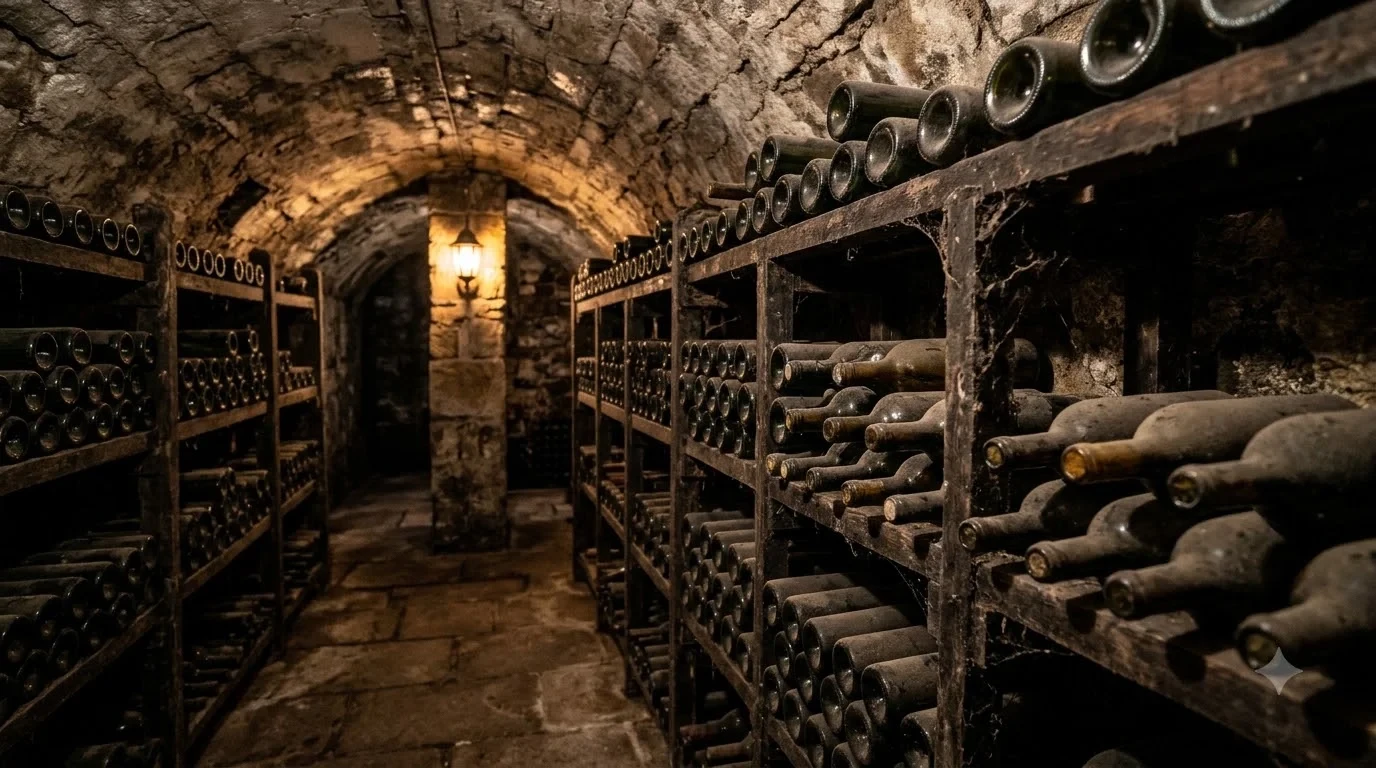
The wine comes from Pauillac in Bordeaux’s Médoc region, on France’s Left Bank. It belongs to the five Bordeaux First Growth estates and received the highest position in the 1855 classification. This history is a major part of its market identity. The Rothschild family has been associated with the property since 1868, and its wines have developed a reputation that reaches far beyond France.
According to the estate’s official vineyard information, Château Lafite Rothschild has 112 hectares divided among three principal areas: the slopes around the château, the Carruades plateau and a 4.5-hectare parcel in neighboring Saint-Estèphe. Its soils combine deep gravel and windblown sand over limestone. These geographical details help explain why the wine is associated with the structured, Cabernet-driven character of Pauillac.
Potential buyers generally fall into three groups:
- Collectors: People building a cellar around important Bordeaux estates, vintage variation and long-term drinking opportunities.
- Special-occasion buyers: People looking for a notable wine for a milestone birthday, anniversary, wedding or formal dinner.
- Experienced Bordeaux drinkers: People who appreciate Cabernet Sauvignon, firm tannins, acidity and the development of mature wine aromas.
For someone simply looking for an enjoyable red wine with dinner, Lafite may be an unnecessarily expensive choice. A quality Pauillac from another producer can offer a similar broad regional identity without carrying the same collector demand. Buyers exploring other producers can also browse our Wine Brands coverage to understand how different estates and wine categories compare.
Key Factors That Determine Château Lafite Wine Price
The most important pricing variables are vintage, bottle condition, provenance, format and the retailer’s market. Two bottles bearing the same château name can have very different asking prices because they may represent different harvest conditions, storage histories and levels of collector demand.
Vintage and market demand: Each harvest produces a different wine. Weather influences ripening, grape selection, acidity and tannin structure. A highly regarded vintage can attract more collector interest, but the market also responds to scarcity, critic attention and changing demand. Older bottles can become more expensive when available stocks decline, although poor storage or an unremarkable vintage can make an older bottle less attractive.
Provenance and condition: Provenance means the documented ownership and storage history of a bottle. A wine kept in a professional cellar with consistent temperature and humidity is generally more reassuring than one with an unknown history. Buyers should examine the capsule, cork area, label, fill level and evidence of leakage. Original packaging and credible purchase records can also help establish confidence.
Bottle format: The standard 750 ml bottle is the most familiar comparison point. Larger formats such as 1.5 L magnums and 3 L bottles can carry substantial premiums because they are less commonly available and have different aging characteristics. Christie’s explains that larger bottles generally mature more slowly because they contain more wine relative to the amount of oxygen entering through the closure.
Retailer and location: Wine merchants do not all offer identical vintages or bottle conditions. Import costs, state regulations, inventory, storage arrangements and retailer margins can affect the final asking price. A price from a specialist merchant may also reflect documented provenance or professional cellar management that is not included in another listing.
The following comparison uses US retail ranges reported by Caveau for selected 750 ml bottles. These are indicative market figures, not fixed valuations, and prices vary by state and retailer.
| Vintage | Reported US retail range | Buyer consideration |
|---|---|---|
| 2021 | About $650 | Newer vintage; limited comparison data |
| 2020 | About $700–$900 | Compare merchant listings and provenance |
| 2019 | About $813–$1,000 | Consider condition and market demand |
| 2018 | About $880–$1,150 | Compare availability across sellers |
| 2016 | About $783–$998 | Check storage history and bottle condition |
These figures are based on Caveau’s reported US retail listings for the corresponding vintages, rather than winery release prices or auction estimates. The 2021 figure reflects a single observed shop listing, so it should not be interpreted as a broad market range. The 2016, 2018, 2019 and 2020 figures provide more useful comparisons because Caveau reports a spread of observed offers.
For a broader market comparison, buyers can also examine the Caveau Château Lafite Rothschild price overview, which distinguishes current retail offers from winery release pricing. Checking several merchants is particularly important before paying a premium for an older bottle.
Step-by-Step: How to Buy Château Lafite Rothschild
A careful purchase begins with a clear budget and a preferred drinking window. Buyers should then narrow their choices by vintage, verify the seller and examine the bottle’s condition before making a decision.
-
Decide whether the wine is for drinking or collecting.
A bottle intended for a dinner in the near future has different requirements from one intended for a cellar that will remain unopened for another 15 years. Drinking plans influence the preferred vintage, storage requirements and acceptable purchase condition.
-
Set a realistic budget.
Use a 750 ml bottle as the standard comparison size. Based on Caveau’s reported US listings, selected vintages from 2016 through 2021 have appeared in a broad range of approximately $650 to $1,150. Allow additional room for shipping, insurance, applicable taxes and professional storage.
-
Choose a vintage before comparing sellers.
Compare the same vintage across several merchants rather than comparing a 2016 bottle with a 2021 bottle and assuming the lower figure represents better value. The harvest year influences wine style, market demand and the expected drinking window.
-
Identify the exact wine.
Confirm that the bottle is Château Lafite Rothschild Grand Vin rather than Carruades de Lafite or another wine associated with the wider Rothschild portfolio. Similar names do not mean the wines are interchangeable.
-
Review provenance and condition.
Ask where the bottle was stored, how it entered the seller’s inventory and whether its ownership history is documented. For older vintages, photographs of the label, capsule, cork area and fill level can help identify possible problems.
-
Compare the seller’s terms.
Check shipping arrangements, temperature protection, insurance and the seller’s policy for damaged or incorrectly described bottles. A long-distance shipment during extreme heat or cold deserves particular attention.
-
Keep purchase documentation.
Retain the invoice, vintage details, merchant information and any provenance records. These documents can help with future cellar management, insurance records and resale discussions.
Tip: For an older Lafite, prioritize documented provenance and bottle condition over an attractive vintage description. A well-preserved bottle from a less fashionable year can be a more reassuring purchase than an older bottle with an uncertain storage history.
Buyers should also distinguish a merchant’s asking price from an independent valuation. A listing establishes what a seller wants for a bottle, not necessarily what a buyer will pay or what an auction house would achieve. For collectible wine, that distinction is particularly important.
Types and Styles Explained: Grand Vin, Carruades and Vintage Differences
The main distinction buyers need to understand is between Château Lafite Rothschild Grand Vin and Carruades de Lafite, the estate’s second wine. Both are associated with the same property, but they represent different selections and blending approaches, which influence their positioning and typical market prices.
Château Lafite Rothschild Grand Vin
The Grand Vin is the estate’s flagship wine. The official producer information explains that individual barrels are assessed before the final blend is assembled. The wine is fermented for approximately 15 days at controlled temperatures of 26–27°C and aged for 15 months in new oak barrels.
Its blend changes from one harvest to another, but Cabernet Sauvignon usually represents the largest proportion, followed by Merlot and a smaller contribution from Petit Verdot. The estate also states that only grapes from vines older than 10 years are used for the Grand Vin. This selection process helps distinguish the flagship wine from less expensive wines that may be associated with the same producer.
Carruades de Lafite
Carruades de Lafite is the estate’s second wine. Its name comes from the Carruades plateau, a group of vineyard parcels adjoining the château’s ridge. The producer explains that these plots have their own identity and that their grapes eventually became part of a distinct second-wine blend.
Carruades generally has a higher proportion of Merlot than the Grand Vin, although the blend changes according to the vintage. Its production includes fermentation in oak, cement and stainless-steel vats, approximately 20 days of maceration and around 16 months of aging in French oak barrels.
Because Carruades is a separate wine, it should not be treated as a discounted bottle of Grand Vin. It has its own blend, production choices and drinking character. Buyers interested in exploring the estate’s range should compare both labels carefully before making a purchase.
Understanding vintage variation
A vintage describes the year the grapes were harvested. It is not a guarantee that every bottle from that year has the same quality, storage history or market value. Weather conditions affect grape ripeness and the balance of fruit, acidity and tannin, creating differences that can remain noticeable after years of bottle aging.
For example, the 2016 and 2018 vintages have different reported retail ranges in Caveau’s US listings. The 2016 appears at approximately $783 to $998, while the 2018 appears at approximately $880 to $1,150 for 750 ml bottles. Those differences reflect observed listings, not a universal ranking of the two wines.
Collectors should also distinguish a vintage’s reputation from their personal drinking preference. Someone who enjoys a more developed wine may prefer a bottle that has spent longer aging, while someone interested in youthful fruit and structure may choose a more recent vintage. The right decision depends on the intended occasion and the condition of the particular bottle.
For a comparison with another important Bordeaux wine category, our coverage of Château d’Yquem wine explains a very different style: sweet Sauternes rather than Cabernet-driven dry red Pauillac.
Common Mistakes When Comparing Lafite Prices
Several purchasing mistakes can make an apparently attractive listing expensive in practice. The most common problems involve comparing different wines, overlooking provenance and assuming that age alone determines quality.
Confusing Grand Vin with Carruades
Both wines carry the Lafite name, but they are not the same product. Grand Vin is the flagship selection, while Carruades de Lafite is a separate second wine with its own vineyard selection and blend. A buyer should never compare their asking prices without first confirming which label is being offered.
Assuming the oldest bottle is the most valuable
Age can influence scarcity and collector demand, but it is only one part of the equation. A 20-year-old bottle with uncertain storage may be a less attractive purchase than a younger bottle with clear provenance and excellent condition. Wine also develops differently depending on the harvest year.
Ignoring bottle condition
A damaged capsule, a low fill level or signs of seepage can indicate a problem. Heat exposure can accelerate deterioration, and an old label does not establish that the wine inside has been preserved properly. Buyers should request detailed photographs and storage information before purchasing an expensive bottle online.
Comparing different bottle sizes
A 750 ml bottle and a 1.5 L magnum should not be compared as if they were identical products. The larger format contains twice the wine and can mature at a different rate. A 3 L bottle is a different purchase proposition again, particularly when packaging, transport and storage are considered.
Relying on one retailer’s listing
A single merchant may have an unusual asking price because of inventory, location, storage costs or the bottle’s condition. Comparing several independent listings helps reveal whether a price is broadly representative. It also helps buyers identify listings that may have incomplete descriptions or questionable provenance.
Finally, buyers should not assume that a high retail price guarantees an ideal drinking experience. Lafite is a wine built around finesse, structure and development rather than simply power. A buyer who prefers inexpensive, immediately approachable fruit-forward reds may find that its style and cost do not match their expectations.
Care and Storage Tips for an Expensive Bordeaux Bottle
Proper storage protects both the wine’s drinking quality and its collectible value. A stable environment, limited exposure to light and careful handling are especially important when a bottle represents a substantial financial purchase.
Maintain a consistent cellar temperature
A temperature close to 55°F is a useful target for long-term wine storage. Consistency matters more than frequent adjustments, since repeated temperature fluctuations can affect the wine and the closure. Avoid placing bottles near radiators, ovens, windows or other sources of heat.
Store cork-sealed bottles horizontally
Traditional cork-sealed bottles are generally stored on their sides so the wine remains in contact with the cork. This helps prevent the closure from drying out. A stable rack also reduces unnecessary movement, which is useful for bottles that will remain undisturbed for many years.
Protect the bottle from light and vibration
Direct sunlight and strong artificial light are undesirable for fine wine. Store Lafite in a dark cellar or a suitable wine cabinet. Keep it away from machinery and locations with persistent vibration, particularly if the wine is being held for long-term maturation.
Prepare for serving
Full-bodied red wines generally benefit from serving temperatures around 60–65°F. A bottle that has been stored near 55°F can be allowed to warm gradually before pouring. Avoid placing an expensive bottle directly next to a heater or using rapid temperature changes to prepare it.
Young, structured Cabernet Sauvignon-based Bordeaux can benefit from decanting for approximately 30–60 minutes, depending on the wine and its condition. Older bottles require greater care because mature sediment and delicate aromas can be disturbed by excessive aeration. A very mature Lafite should be approached cautiously, with a gentle opening and careful observation as it develops in the glass.
For an older bottle, a traditional wine cradle can help keep sediment undisturbed during service. Open it with an appropriate corkscrew or a specialist wine-opening tool if the cork appears fragile. A compromised cork can make an otherwise valuable bottle difficult to serve, so patience is preferable to force.
For additional comparisons across wine styles and producers, our Château Lafite wine overview provides more background on the estate and its distinctive Bordeaux identity.
Frequently Asked Questions
Is Château Lafite Rothschild considered a First Growth wine?
Yes. Lafite received the highest position in the 1855 Bordeaux classification, which was prepared for the Universal Exhibition in Paris. It was one of the original four First Growth estates, alongside Latour, Margaux and Haut-Brion; Mouton Rothschild joined that group in 1973.
Does Château Lafite Rothschild produce white wine?
Château Lafite Rothschild Grand Vin is a red Pauillac wine. The wider Domaines Barons de Rothschild portfolio includes estates producing other wine styles, including white wines, but those should not be confused with the flagship Lafite bottling.
What does the name Lafite mean?
The name is associated with the Gascon expression referring to a hillock or elevated ridge. The historic name reflects the landscape around the property in Pauillac and its distinctive elevated vineyard position.
Can Château Lafite Rothschild be purchased at wine auctions?
Yes. Fine-wine auction houses regularly include collectible Bordeaux, and historic Lafite bottles have appeared in Christie’s sales. Auction purchases require attention to the buyer’s premium, lot description, provenance documentation and collection or delivery arrangements.
Does Château Lafite Rothschild have a wine authentication service?
The official Domaines Barons de Rothschild website provides an Authentification section for its wine portfolio. Buyers concerned about a bottle’s identity should consult the estate’s official resources and provide relevant label, bottle and purchase information rather than relying solely on photographs supplied by an unknown seller.
Château Lafite Rothschild is a major fine-wine purchase, and the right bottle depends on more than its vintage or reputation. Compare several US retail listings, verify provenance and condition, and distinguish the Grand Vin from Carruades de Lafite before committing to a purchase. With careful selection and appropriate storage, a bottle of Lafite can become a memorable addition to a special occasion or a thoughtfully maintained wine cellar.
More in Wine Brands
 Underwood Wine Price: Compare Bottles, Cans, and Pack SizesUpdated Nov 21, 2026
 Zenato Wine Price: Compare Styles and Choose the Right BottleUpdated Nov 21, 2026
 Zuccardi Wine Price: Compare Bottles and Find the Right RangeUpdated Nov 21, 2026
 Yellow Tail Moscato Review: Taste, Sweetness and Serving TipsUpdated Nov 21, 2026
 Wolf Blass Yellow Label Review: Choose Your Best StyleUpdated Nov 21, 2026
 Wolffer Estate Rose Review: Choose the Right Bottle for Your TableUpdated Nov 21, 2026