

We may earn a commission when you buy through links on this page, at no extra cost to you. Learn more.
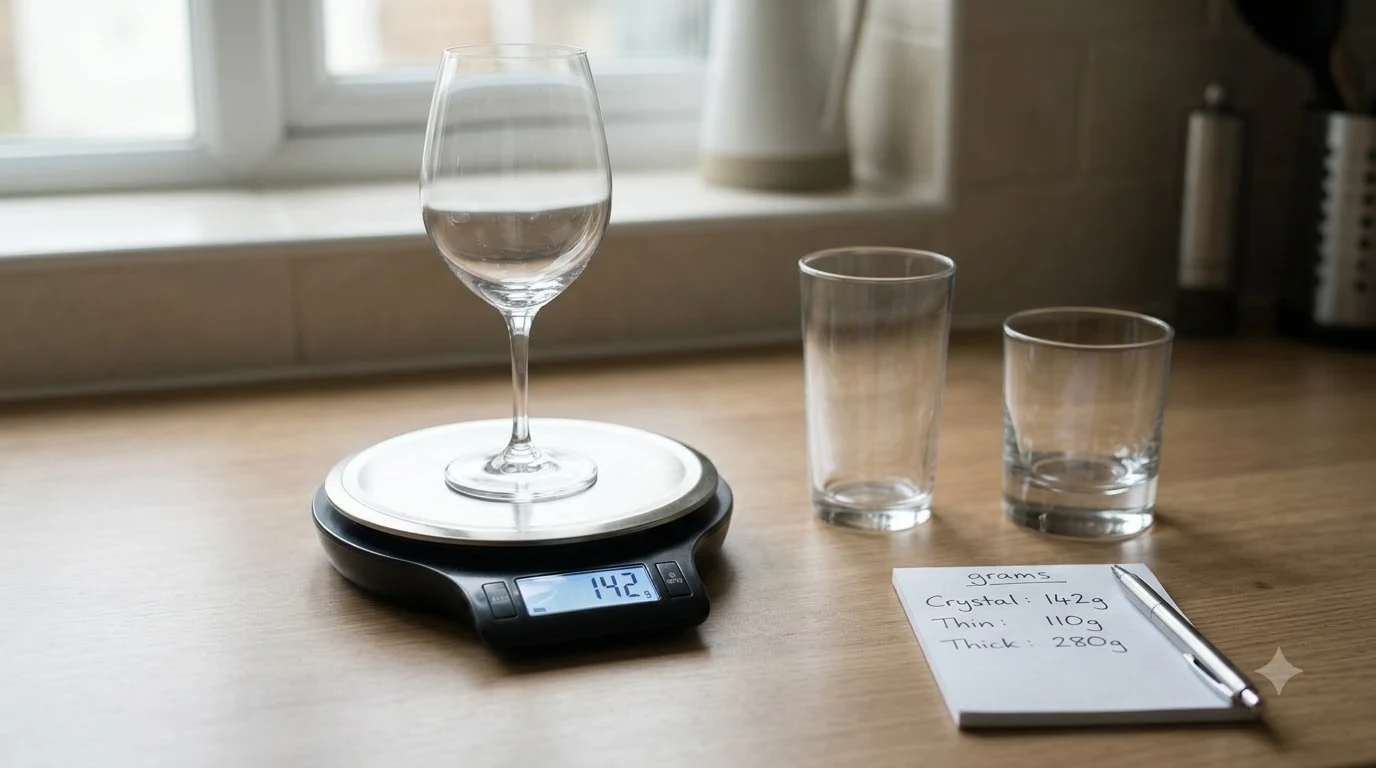
Crystal vs glass wine glasses: crystal is generally the better choice for fine wine presentation, thinner rims, and visual clarity, while ordinary glass is usually more practical for everyday use, frequent dishwasher cleaning, and households that prioritize durability. Modern lead-free crystal offers the brilliance of traditional crystal without requiring lead oxide. Neither material automatically makes wine taste better, but differences in weight, rim thickness, clarity, and bowl design can influence the drinking experience. The right choice depends on how often you serve wine, how carefully you handle stemware, and how much maintenance you are willing to accept.
Choosing wine glasses involves more than deciding between an inexpensive everyday set and an elegant formal collection. The material affects the available designs, the feel of the rim, the appearance of the wine, and the amount of care required after dinner. Understanding these differences makes it easier to select stemware that suits your favorite wines without paying for features you might rarely use.
Crystal vs Glass Wine Glasses: Side-by-Side Comparison
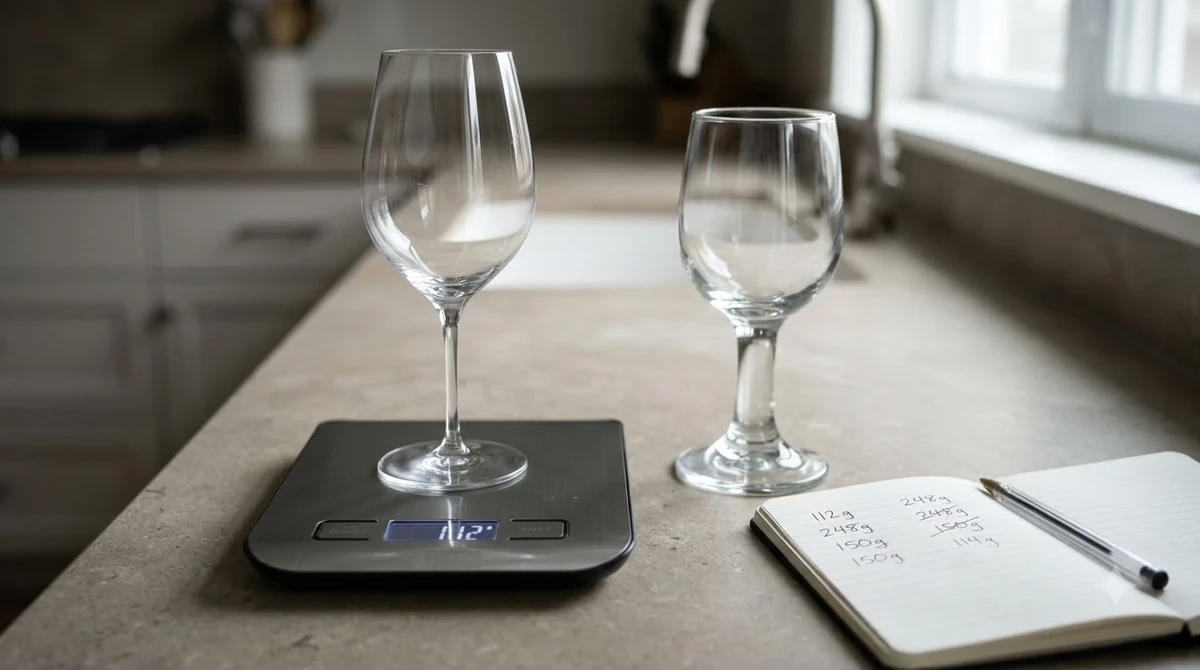
Crystal generally wins for visual brilliance, thin rims, and lightweight designs, while conventional glass is often the more convenient option for everyday handling. Both materials can produce attractive wine glasses, and construction quality matters as much as the material itself.
| Comparison Factor | Crystal Wine Glasses | Regular Glass Wine Glasses |
|---|---|---|
| Material | Glass with additional mineral ingredients | Usually soda-lime or borosilicate glass |
| Clarity | High brilliance and light refraction | Generally clear, with less sparkle |
| Rim thickness | Can be exceptionally thin | Often thicker, depending on construction |
| Weight | Often lightweight in fine stemware | Usually heavier in conventional designs |
| Appearance | Bright, elegant, and sometimes bell-like | Simple, understated, and versatile |
| Durability | Depends on composition and construction | Generally practical for everyday handling |
| Dishwasher suitability | Model-dependent; some are dishwasher-safe | Many conventional glasses are dishwasher-safe |
| Maintenance | May require careful handling and polishing | Generally easier to maintain |
| Wine presentation | Excellent visual definition and brilliance | Good visibility and practical presentation |
| Best application | Formal dinners and focused wine enjoyment | Casual meals and regular entertaining |
The main distinction is that crystal allows manufacturers to create especially fine walls and delicate rims while maintaining useful strength. Regular glass can be thicker and more resistant to some forms of everyday handling, making it attractive for households that use their glasses frequently.
However, these are general material tendencies rather than guarantees. A well-made, lead-free crystal glass can be dishwasher-safe, while an unusually thin conventional glass can still break easily. Construction, manufacturing technique, and the individual manufacturer’s care instructions should influence the final decision.
Clarity, Brilliance, and Visual Presentation
Crystal has the advantage in visual brilliance because its mineral composition changes how light passes through the material. Regular glass still provides excellent transparency, but crystal often creates a brighter, more sparkling appearance when wine is poured into the bowl.
One important distinction is that crystal glass is not a naturally occurring crystal like quartz. It is a specially formulated glass containing additional mineral ingredients. Depending on the formulation, these ingredients can include lead oxide, potassium compounds, barium oxide, or other minerals. Wine Folly explains the distinction in its comparison of crystal and conventional glass.
The optical qualities of crystal are particularly noticeable under restaurant lighting, candlelight, or natural daylight. When a glass contains red wine, its transparency helps reveal color depth, concentration, and the difference between a bright ruby appearance and a deeper garnet tone. With white wine, clarity helps display pale straw, golden, or greenish hues.
Ordinary glass is not visually inferior in every situation. High-quality soda-lime and borosilicate glasses can be extremely clear, and many have attractive minimalist designs. For someone who primarily wants to serve wine at dinner rather than inspect its appearance, the difference in brilliance may be relatively minor.
Why crystal catches the light differently
Light refraction is one of crystal’s defining characteristics. The additional mineral ingredients affect the optical properties of the material, producing the sparkle that distinguishes many crystal wine glasses from standard stemware.
This quality is especially useful when serving visually distinctive wines. A pale Sauvignon Blanc, a golden Chardonnay, or a dark Cabernet Sauvignon can look particularly attractive in a clear, brilliant crystal bowl. However, the glass does not change the wine’s actual color or improve its chemical composition.
Glass remains a sensible choice for casual occasions, particularly when guests are more interested in conversation and food than examining the wine. A clean, transparent glass with an appropriate bowl shape provides a perfectly suitable presentation.
Rim Thickness, Weight, and Drinking Experience
Crystal is generally preferred by wine enthusiasts who value thin rims, lightweight construction, and a delicate feel. Conventional glass is often thicker and heavier, although premium glassmaking can produce elegant designs that narrow the difference.
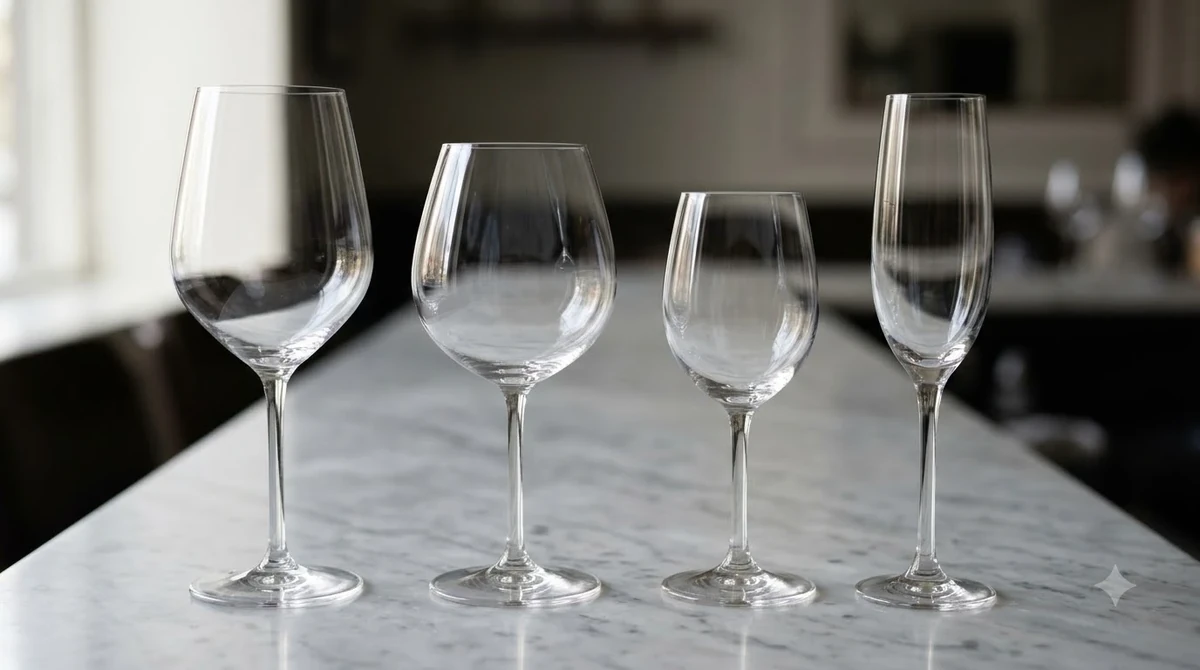
The rim is one of the most noticeable differences during actual use. When drinking from a thin crystal rim, the transition between the glass and the mouth can feel less pronounced. A thicker rim may feel more substantial, which some drinkers prefer for casual service, although others find it less refined.
Wine Enthusiast explains that crystal can be shaped into thinner walls and rims than many conventional glass formulations. Its discussion of handblown and machine-made stemware also highlights the importance of craftsmanship, weight, clarity, and the overall shape of the glass.
Weight influences handling as well. A lightweight crystal glass can feel balanced and refined, especially when it has a slender stem and a carefully proportioned base. However, delicate stemware requires more attention during washing, polishing, and storage.
Does a thinner rim improve wine flavor?
A thin rim does not change the chemical composition of wine, but it can affect how the drinker experiences each sip. A less noticeable rim may make the drinking experience feel more direct, allowing greater attention to the wine’s texture, acidity, and finish.
The shape of the bowl is also important. A wider bowl gives certain red wines more room for swirling and aroma development, while a narrower bowl can help concentrate aromas closer to the nose. These effects depend on the wine and the glass design, not simply on whether the material is crystal or regular glass.
For example, a Burgundy-style bowl is commonly selected for Pinot Noir, while a taller Bordeaux-style glass is often used for Cabernet Sauvignon and other structured red wines. A suitable white wine glass can help maintain a more controlled serving temperature while presenting the wine’s aromas clearly.
Anyone comparing stemware should consider the entire design rather than assuming crystal automatically performs better. A well-proportioned conventional glass may provide a more satisfying experience than an awkwardly shaped crystal glass.
Durability, Lead Content, and Dishwasher Safety
Regular glass is generally the straightforward choice for households that prioritize convenient handling, while modern lead-free crystal provides a useful balance between refined construction and practical performance. Neither material should be assumed unbreakable or automatically dishwasher-safe.
Conventional soda-lime glass is commonly used for household drinking glasses because it is practical and relatively inexpensive to manufacture. Borosilicate glass offers another option, with useful resistance to temperature changes and certain types of physical stress. Crystal formulations, meanwhile, can be designed for thin walls and fine rims that require more careful handling.
Understanding lead-free crystal
The word crystal does not automatically mean that a wine glass contains lead. Traditional lead crystal uses lead oxide as part of its formulation, but contemporary manufacturers also produce lead-free crystal using alternative mineral ingredients.
For example, RIEDEL states that it has exclusively produced crystal glass without lead oxide as a principal ingredient since 2015. This distinction matters because shoppers sometimes assume that ordinary glass is lead-free while every crystal glass contains lead. That assumption is incorrect.
For a straightforward purchasing decision, look for explicit lead-free labeling and product information from the manufacturer. There is no need to choose traditional lead crystal to obtain the thin rims and brilliant appearance associated with premium stemware.
Dishwasher considerations
Conventional glass is often easier to clean because many standard models are designed for regular dishwasher use. Crystal requires closer attention because delicate construction and particular glass formulations may be more vulnerable to scratches, impact, or surface damage.
However, dishwasher suitability is not determined by the word crystal alone. RIEDEL states that most of its glasses are dishwasher-safe, while products identified as handwash-only or not dishwasher-safe require manual cleaning. Its guidance also recommends leaving enough space between glasses and using a dedicated stemware rack when available.
Zwiesel Glas provides additional practical guidance for dishwasher cleaning. The manufacturer recommends rinse temperatures between 50°C and 55°C, with a maximum of 65°C, and advises against programs lasting several hours.
These recommendations demonstrate why the individual product’s instructions matter more than broad assumptions about glass categories.
Tip: Before purchasing crystal stemware, confirm whether the specific model is dishwasher-safe. If you prefer handwashing, use lukewarm water, mild dish soap, and a soft cloth. Avoid twisting the bowl and stem in opposite directions because pressure on the narrow connection can cause breakage.
Price, Craftsmanship, and Everyday Practicality
Regular glass generally makes more sense for practical everyday use, while crystal is attractive for shoppers who value refined craftsmanship, thin rims, and presentation. The best investment depends on how frequently the glasses will be used and how much attention their maintenance requires.
Manufacturing methods are another important consideration. Machine-made stemware is produced with greater consistency, which makes it easier to replace individual glasses and maintain matching sets. Handblown stemware involves more individual craftsmanship, and slight variations between pieces can be part of its appeal.
Handblown glasses can have particularly fine walls, delicate stems, and distinctive shapes. However, the production process generally requires more specialized labor, and the resulting glasses may need additional care. Wine Enthusiast identifies lightweight construction, artistic design, and refined rims among the advantages of handblown stemware while also highlighting its handling and durability considerations.
Why conventional glass can be the better purchase
Regular glass is practical when wine is served frequently, several guests need matching glasses, or the household prefers straightforward cleanup. It is also useful for outdoor dining and informal gatherings where delicate stemware may be inconvenient.
For a family that serves wine several evenings each week, a consistent set of conventional glasses may offer better long-term convenience. A small number of inexpensive replacements can also be easier to source than matching a specialized handmade crystal collection.
Crystal makes more sense when presentation is an important part of entertaining. A carefully selected set can work well for holiday dinners, anniversary celebrations, wine tastings, and occasions where the glass itself contributes to the table setting.
Consider the complete collection
There is no requirement to purchase every glass in the same material. Some households use crystal stemware for red wine and sparkling wine while keeping regular glass for water, casual meals, and larger gatherings.
That mixed approach is especially useful when storage space is limited. It also allows drinkers to reserve delicate glasses for occasions when their particular characteristics make the biggest difference.
For help comparing different shapes and styles, the best wine glasses for red wine guide can help narrow down options based on the types of wine you serve most often.
Which Wine Glass Material Should You Choose?
Choose crystal if you value a refined rim, optical brilliance, and elegant presentation; choose regular glass if you prioritize uncomplicated cleaning, practical handling, and versatility. A combination of both is often the most useful arrangement for people who entertain regularly.
Choose crystal for special occasions and wine appreciation
Crystal is particularly appealing to people who enjoy examining wine’s appearance and paying attention to its aromas and texture. Its thinner rim can provide a more refined drinking experience, while its clarity creates an attractive presentation at a formal dinner.
Lead-free crystal is a particularly sensible option for shoppers who want the characteristics associated with crystal without traditional lead-based composition. A well-made set can serve Cabernet Sauvignon, Pinot Noir, Chardonnay, and other favorite varieties, provided the bowl shape suits the wine.
Crystal is also a strong choice for carefully planned wine tastings. When several wines are served in succession, consistent glass shapes help make comparisons easier. A lightweight glass with a fine rim can make the experience feel more polished without requiring elaborate table decoration.
Choose regular glass for frequent entertaining
Conventional glass is often the more convenient option for larger households and casual hosts. Its practical construction makes it suitable for dinner parties, weeknight meals, and occasions when several glasses need to be cleaned quickly.
It is also a good choice for people who prefer not to worry about handling delicate stemware. A well-designed glass with a balanced bowl and comfortable rim can serve a wide variety of wines without requiring a specialized collection.
For parties, small accessories can make conventional or crystal stemware easier to organize. Wine glass charms help guests identify their individual glasses, while a wine glass holder can provide a convenient storage or serving solution depending on its design.
Consider a mixed collection
A practical collection might include four to six fine crystal wine glasses for formal occasions and a larger group of conventional glasses for everyday service. This approach keeps delicate stemware available without making every dinner dependent on careful washing and storage.
It also gives shoppers flexibility when their wine preferences change. Someone who begins exploring more structured reds might eventually add dedicated Bordeaux glasses, while someone who enjoys sparkling wine may prefer a separate collection of appropriate sparkling wine stemware.
When evaluating your options, compare the glass’s rim, bowl shape, balance, base stability, and cleaning requirements. These details often have a greater effect on satisfaction than the material label alone. More accessory comparisons are available in the site’s wine accessories section.
Frequently Asked Questions
Are crystal wine glasses recyclable?
Crystal glass is not always accepted in ordinary household glass recycling because its mineral composition can differ from standard container glass. Some recycling facilities separate drinking glasses from food and beverage bottles. Contact your local waste management provider for instructions before placing broken crystal in a recycling bin.
Can crystal wine glasses become cloudy over time?
Yes. Repeated washing can create visible cloudiness through mineral deposits, detergent residue, or permanent glass corrosion. These conditions are different: surface deposits may respond to appropriate cleaning, while corrosion changes the glass surface and cannot be reversed. Hard water is one reason glassware may develop visible mineral buildup.
Does mouth-blown crystal always have an uneven shape?
No. Skilled glassblowers can produce highly refined and carefully proportioned stemware. Small variations may occur because each piece is individually crafted, but these variations do not necessarily indicate poor quality. Consistent bowl shape, a stable base, and a well-finished rim are more useful quality indicators.
Can crystal wine glasses be used for hot drinks?
Only when the manufacturer specifically identifies the glass as suitable for hot beverages. Ordinary wine stemware is not automatically designed to handle thermal shock. Borosilicate glass is commonly used in heat-resistant drinkware, but its temperature limits still depend on the particular product’s construction.
How many wine glasses should a household own?
A useful starting point is six glasses for a household that regularly entertains small groups. Households that host larger dinners may prefer eight to twelve matching glasses, particularly when serving several guests at once. Keeping a few replacement glasses available can also prevent an incomplete collection after accidental breakage.
Crystal and regular glass both have a place in a useful wine glass collection. Crystal is the stronger choice for refined presentation and delicate drinking characteristics, while conventional glass offers everyday convenience and straightforward care. Start with the material and bowl design that match your regular wine habits, then add specialized stemware as your collection grows.
More in Wine Accessories
 Vinglace Wine Tumbler Review: A Glass-Lined Choice for Better SippingUpdated Nov 20, 2026
 ZWILLING Electric Wine Opener Review: Features and DrawbacksUpdated Nov 20, 2026
 Vinturi Electric Wine Opener Review for Easy UncorkingUpdated Nov 20, 2026
 Vinabon Wine Aerator Review for Easier, Cleaner Wine ServingUpdated Nov 20, 2026
 Vacu Vin Electric Wine Opener Review: Easy Cork Removal for Home Wine LoversUpdated Nov 20, 2026
 Rabbit Wine Accessories for Easier Home Wine ServiceUpdated Nov 20, 2026