

We may earn a commission when you buy through links on this page, at no extra cost to you. Learn more.
A white wine gift is easiest to get right when you match the bottle’s sweetness, body, and occasion to the person receiving it. Sauvignon Blanc and Pinot Grigio suit many fans of crisp, refreshing whites, while Chardonnay offers a fuller option and Riesling can range from bone-dry to sweet. For seafood lovers, consider Albariño; for someone who enjoys dessert wines, choose a deliberately sweet style. A short note about serving temperature or a meal pairing can make even a single bottle feel personal.
A thoughtful bottle does not have to be rare, expensive, or complicated. The strongest choice is one that reflects what the recipient already enjoys, arrives in good condition, and gives them a clear idea of when to open it. Use the guide below to narrow the style, choose a region, and present the wine with confidence.
Who This Is For
A white wine gift works for a dinner host, birthday, thank-you, or celebration where the recipient prefers lighter wines. It also suits seafood, fresh vegetables, and aromatic dishes, but the drinker’s taste should lead the decision.
For a host whose preferences are unclear, choose an approachable dry style with fresh acidity rather than an unusual bottle that needs a long explanation. Italian Pinot Grigio is usually light and brisk, while a fresh Sauvignon Blanc offers more pronounced citrus and herbal aromas. Either can work as an aperitif or with a first course, and both are easier to serve at a casual gathering than a concentrated dessert wine. A bottle with a clear grape and region on the front label also gives the recipient a simple conversation starter.
For a close friend or experienced wine drinker, use one known preference to make the gift more specific. A person who orders Chablis may appreciate a restrained Chardonnay from Burgundy; someone who asks for Riesling may enjoy a dry bottling from Alsace, Germany, or Washington. If the recipient likes cooking, add a note suggesting a meal: Albariño with shellfish, oak-aged Chardonnay with roast chicken, or off-dry Riesling with spicy food. A useful pairing makes the bottle feel chosen for them rather than selected at random.
White wine also suits a housewarming or seasonal meal. One 750 ml bottle provides about five standard 5 oz pours; for a larger gathering, consider two complementary bottles, such as one crisp and dry and one fuller or slightly sweet.
Key Factors to Compare
Compare sweetness, acidity, body, origin, and serving needs before choosing a label. These details are more useful than judging a bottle by its color, a decorative package, or the grape name alone.
| Factor | What to look for | Gift-friendly direction | Useful number or cue |
|---|---|---|---|
| Sweetness | Dry, off-dry, or sweet | Dry for a crisp-white fan; off-dry for someone who likes a gentle sweetness; sweet for dessert | Riesling is made in dry and sweet styles |
| Acidity | Fresh, crisp, mouthwatering character | Sauvignon Blanc or Albariño for lively acidity; Chardonnay for a softer feel | Acidic dishes need a wine with equal or higher acidity |
| Body | Light, medium, or full | Pinot Grigio for light-bodied sipping; oak-aged Chardonnay for a richer palate | Match the wine’s weight to the meal |
| Origin | A region that signals a recognizable style | Loire Valley Sauvignon Blanc, Chablis Chardonnay, or Rías Baixas Albariño | Three useful starting regions |
| Bottle size | Standard bottle or larger format | 750 ml for an individual or small-host gift; 1.5 L for a group | 750 ml is about five 5 oz pours |
| Serving temperature | Light, full-bodied, sweet, or sparkling white | Include a serving suggestion so the recipient can enjoy the wine at its best | 45–50°F for light whites; 50–55°F for full whites |
Sweetness deserves special attention because aroma can mislead. A wine may smell of peach or tropical fruit and still taste dry; sweetness describes the sugar left after fermentation, not fruitiness. For a dry-white fan, a high-acid Sauvignon Blanc or Albariño is a safer choice than a bottle chosen for fruit imagery. The dry white wine overview can help separate crisp, lean bottles from rounder dry styles.
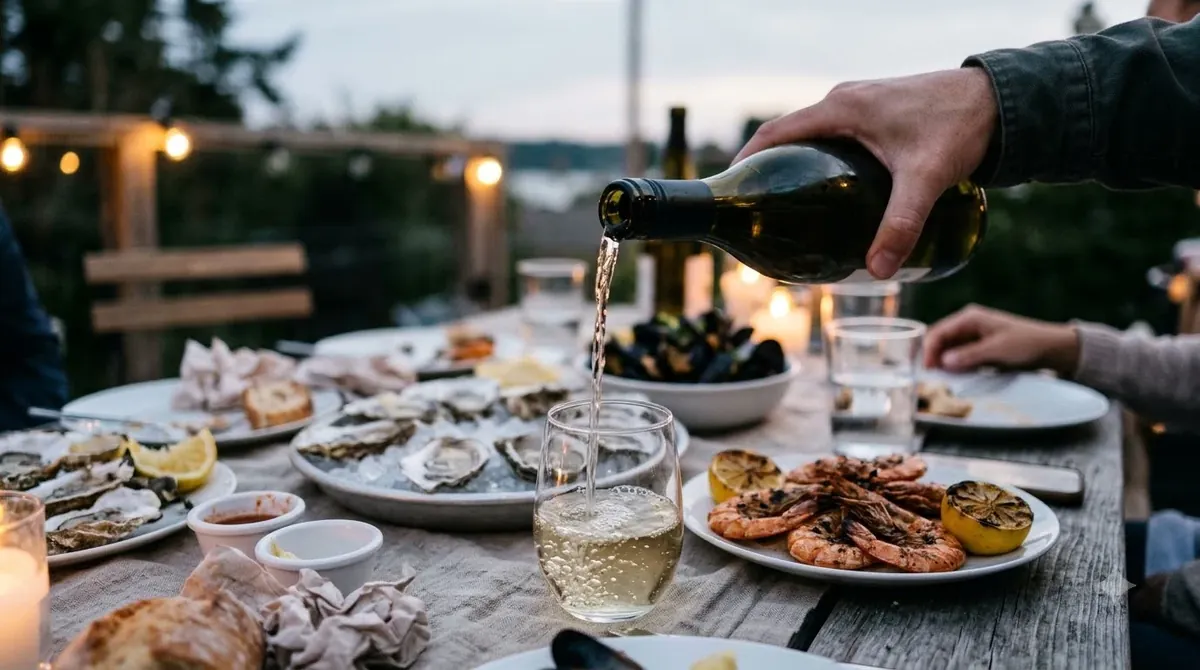
Match the wine to the meal too. Acidic food needs equal or higher acidity, while salt and fat soften sharp edges. Choose a richer Chardonnay for creamy pasta or roast poultry, and a high-acid Albariño for oysters or shrimp. The International Wine & Food Society’s white wine pairing guide lists pairings for seafood, cheese, poultry, and spicy dishes.
Step-by-Step
Five practical steps can narrow the field, even when the recipient has not named a favorite producer or region.
- Start with what they order. Notice whether they choose Pinot Grigio, Sauvignon Blanc, Chardonnay, or Riesling. Use a familiar grape as your starting point, then make the gift distinctive through its region or producer.
- Find out whether they prefer dry or sweet. This often matters more than the grape. A dry-white fan may not enjoy sweet Moscato, while someone who likes residual sugar may find bone-dry Sauvignon Blanc too sharp. When you cannot ask, choose an approachable dry wine unless you have a clue that the recipient prefers sweetness.
- Match body to food. Light Pinot Grigio and lean Sauvignon Blanc suit salads, shellfish, and starters. Fuller Chardonnay, Pinot Gris, or Chenin Blanc can stand beside roast chicken, creamy sauces, and baked fish.
- Choose a region that signals style. Sancerre and Pouilly-Fumé in France’s Loire Valley suggest restrained Sauvignon Blanc; Marlborough in New Zealand is more vivid and tropical. Chablis points toward leaner Chardonnay, while Rías Baixas in Galicia, Spain, is a clear regional choice for Albariño.
- Add a serving note. Use a simple gift sleeve and explain why you chose the bottle. “Chill to 45–50°F and pour with grilled shrimp” is more useful than a long tasting description. For a dinner host, make clear that the wine is a gift for later unless you chose it for the meal.
For a confident wine drinker, try a grape or region they have mentioned but rarely buy. Dry Chenin Blanc, Grüner Veltliner, Vermentino, or Riesling can offer discovery while staying within familiar white-wine territory.
Tip: Attach a small pairing suggestion to the bottle: “Serve chilled with oysters,” “Try with roast chicken,” or “Save for spicy noodles.” A specific idea is more useful than a generic note saying the wine is elegant or special.
Types or Styles Explained
White wine ranges from crisp and light to textured, aromatic, and dessert-sweet. Climate and winemaking can make the same grape taste quite different, so treat grape names as a guide rather than a guarantee.
Crisp, light-bodied whites
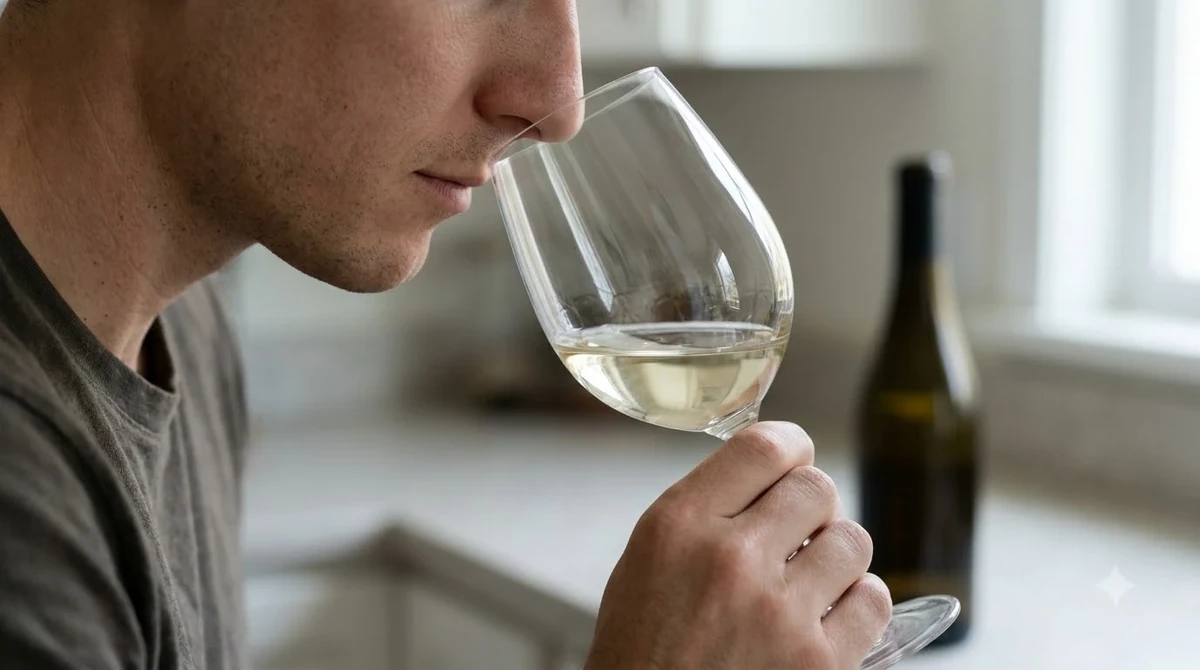
Choose Sauvignon Blanc, Pinot Grigio, Albariño, or Vermentino for someone who likes freshness. Sancerre and Pouilly-Fumé in the Loire Valley often show citrus and herbs, while Marlborough Sauvignon Blanc is more vivid and tropical. Italian Pinot Grigio is light and brisk; Albariño from Rías Baixas often has citrus, floral, and saline notes that suit shellfish. These styles work for an aperitif or a warm-weather meal.
Fuller, textured dry whites
Chardonnay is flexible because winemaking changes its style. Unoaked or lightly oaked Chablis from Burgundy is leaner and more mineral; barrel-aged examples from California or Oregon can be rounder and creamier, with baked pear or vanilla notes. Pinot Gris from Alsace or Oregon is also fuller than many Italian Pinot Grigio wines. These choices suit roast chicken, buttery seafood, and creamy pasta.
Aromatic and off-dry whites
Riesling, Gewürztraminer, and Chenin Blanc can be highly aromatic. Riesling may be bone-dry, off-dry, or sweet, with bright acidity keeping residual sugar balanced. Dry Riesling from Alsace, Germany, or Washington suits citrus-and-mineral fans; off-dry Riesling can work with spicy Thai, Sichuan, or Indian food. Loire Valley Chenin Blanc also ranges from crisp and dry to gently honeyed.
Sweet and sparkling whites
For dessert-wine fans, choose a deliberately sweet white. Moscato, late-harvest Riesling, Sauternes, and ice wine vary in richness and pair with fruit, cheese, or dessert. The sweet white wine guide can help separate gently sweet bottles from concentrated dessert styles. For bubbles, Brut Champagne, Cava, or Crémant are celebratory dry options. Find more bottle-selection basics in the site’s Wine Buying Guides.
For a recipient who cares about vineyard practices, choose a bottle with a clear organic designation and consult the organic white wine guide. Organic status does not determine sweetness or body: an organic Sauvignon Blanc and an organic Chardonnay can suit very different palates, so match style first.
For a quick visual overview of the differences among light, herbaceous, bold, and sweet whites, consult Wine Folly’s basic guide to white wine. Its style groupings are useful when the recipient likes a general profile—such as zesty or aromatic—but has not named a particular grape.
Common Mistakes
The main mistake is treating all white wines as interchangeable. Light Pinot Grigio, buttery oak-aged Chardonnay, and sweet late-harvest Riesling deliver very different experiences; matching the recipient’s taste matters more than picking an impressive-looking label.
Do not confuse fruit aromas with sweetness. Sauvignon Blanc can smell of passion fruit and finish dry, while Riesling can be bone-dry despite floral aromas. An off-dry wine has noticeable sweetness, even when acidity keeps it lively. Choose the style description that matches the recipient rather than relying on grape reputation. Also avoid a high-acid wine with a very rich, buttery meal or a sweet wine with a dessert that is much less sweet. Wine should be at least as sweet as the dessert, or it may taste sour by comparison. Acidic food needs equal or higher acidity; salt and fat soften tannin and sharpness.
Do not select a bottle only because it is unusual or comes from a famous region. An obscure grape can miss the mark for someone who reliably orders Chardonnay. A familiar grape from a less familiar place is a safer experiment: try dry Chenin Blanc for a curious Chardonnay fan or Spanish Albariño for a Sauvignon Blanc drinker who likes seafood. Do not overlook serving conditions either: a bottle left in a warm car or sunny window can arrive damaged, while an icy Chardonnay may seem muted. Include a serving suggestion and let the recipient choose when to open it.
Care and Storage Tips
Good presentation starts with a bottle protected from heat, strong light, and rough handling. For longer storage, a cool, stable place is better than repeated temperature swings.
For longer storage, keep a cork-finished bottle on its side in a dark place near 55°F, away from radiators, ovens, and sunlight. A horizontal position helps keep the cork from drying out, while stable temperature matters more than a decorative rack. During transport, use a protective bag or box and never leave the wine in a hot parked car.
Serve the wine at a temperature suited to its style. Light whites and rosé work around 45–50°F; fuller whites, including richer Chardonnay, around 50–55°F. Sweet whites suit 43–50°F and sparkling wine 40–50°F. If a fuller white comes straight from a cold refrigerator, let it warm slightly in the glass so its aromas can emerge. After opening, refrigerate still white wine and aim to finish it within 3–5 days; a stopper limits air contact but does not preserve freshness indefinitely. Sparkling wine loses bubbles sooner, so plan to finish it within 1–3 days.
A 750 ml bottle is about five 5 oz pours, so a small household can enjoy it over a few meals. For a bottle that may not be opened immediately, include a card with its serving temperature and a pairing. A sturdy gift bag, an attached note, and cool, shaded transport are usually all the presentation a good wine needs.
Frequently Asked Questions
These details cover special formats such as a 1.5 L magnum, white wines made from red grapes, and alcohol-free alternatives.
Can white wine be made from red grapes?
Yes. Some white sparkling wines are made from red grapes by pressing them gently and separating the clear juice from the skins before much pigment is extracted. Champagne labeled Blanc de Noirs is a familiar example, often made from Pinot Noir, Pinot Meunier, or both.
What is a magnum of white wine?
A magnum holds 1.5 liters, which is twice the volume of a standard 750 ml bottle. It provides roughly 10 standard 5 oz pours, making it a practical centerpiece for a larger dinner or shared celebration. The larger format can also make the presentation feel more festive without requiring two separate bottles.
Is a screw-cap white wine suitable as a gift?
Yes. A screw cap is a closure choice, not a reliable measure of wine quality, and many producers use it to seal fresh, aromatic whites. For a casual host gift or a bottle intended to be enjoyed young, a well-made screw-cap wine can be entirely appropriate.
What makes ice wine different from other sweet whites?
Ice wine is made from grapes that freeze naturally on the vine, concentrating their sugars and flavors before pressing. The result is typically rich and sweet, but good examples retain acidity that keeps the finish from feeling flat. Because it is concentrated, it is often served in smaller pours than a dry dinner white.
Can a white wine gift be alcohol-free?
Yes. Alcohol-removed wines begin as wine and have most of their alcohol removed after fermentation, while some sparkling alternatives are made without a conventional wine base. Read the bottle description carefully because “alcohol-free,” “non-alcoholic,” and “low alcohol” can refer to different products and residual alcohol levels.
The best white wine gift is not necessarily the rarest bottle; it is the one that fits the recipient’s palate and gives them a reason to open it. Choose the style with care, protect the bottle from heat, and add a short serving or pairing suggestion. That small amount of thought turns a single bottle into a personal, useful gift.
More in Wine Buying Guides
 Cheap Red Blend: How to Find a Flavorful Bottle for LessUpdated Nov 20, 2026
 Pinot Grigio Gift: How to Choose a Bottle They’ll EnjoyUpdated Nov 20, 2026
 Best White Wine at Total Wine for Every MealUpdated Nov 20, 2026
 Wine Fridge Replacement Shelves: Find the Right FitUpdated Nov 20, 2026
 Best Sparkling Wine Under 20: Find Bubbles Worth BuyingUpdated Nov 20, 2026
 Best Wine For Birthday Celebrations With Perfect Party PairingsUpdated Nov 20, 2026