

We may earn a commission when you buy through links on this page, at no extra cost to you. Learn more.
How much is a bottle of wine? It depends on the region, the grape, the producer, and whether the wine is sold as everyday drinking or as a collectible, so the range is very wide. Most shoppers buy a standard 750 ml bottle, which is the size used across most stores and restaurants. Basic table wine sits at the low end, while small-production bottles from famous regions sit at the top.
Wine prices can look random from one shelf to the next, but they follow a few clear patterns. This guide explains what a bottle usually contains, why the same grape can cost very different amounts, and how to shop for good value without relying on a single number. Because prices change with taxes, store, and season, the focus here is on the factors that drive price rather than exact figures.
What a standard bottle of wine actually contains
The standard wine bottle holds 750 milliliters, which is the size most people picture when they ask how much a bottle costs. According to Wine Folly’s bottle size guide, a standard bottle is typically sold as five servings. That makes the cost per glass a useful way to compare a bottle with a box, a split, or a magnum.
Other sizes exist for special occasions and for aging. A half bottle, or demi, holds 375 ml, which suits a single dinner for two. A magnum holds 1.5 liters, double the standard size, and larger formats such as the Jeroboam and Methuselah are mostly used for display or celebrations. Larger bottles often cost more per liter in the case of prestige wines, but some everyday sizes offer better value per glass.
Sparkling wine is usually sold in the same 750 ml bottle, though it is made under higher pressure and often takes longer to produce, which affects its cost. Check the size on the label before comparing prices, since a smaller bottle can look cheap while costing more per glass.
Why the same grape can cost very different amounts
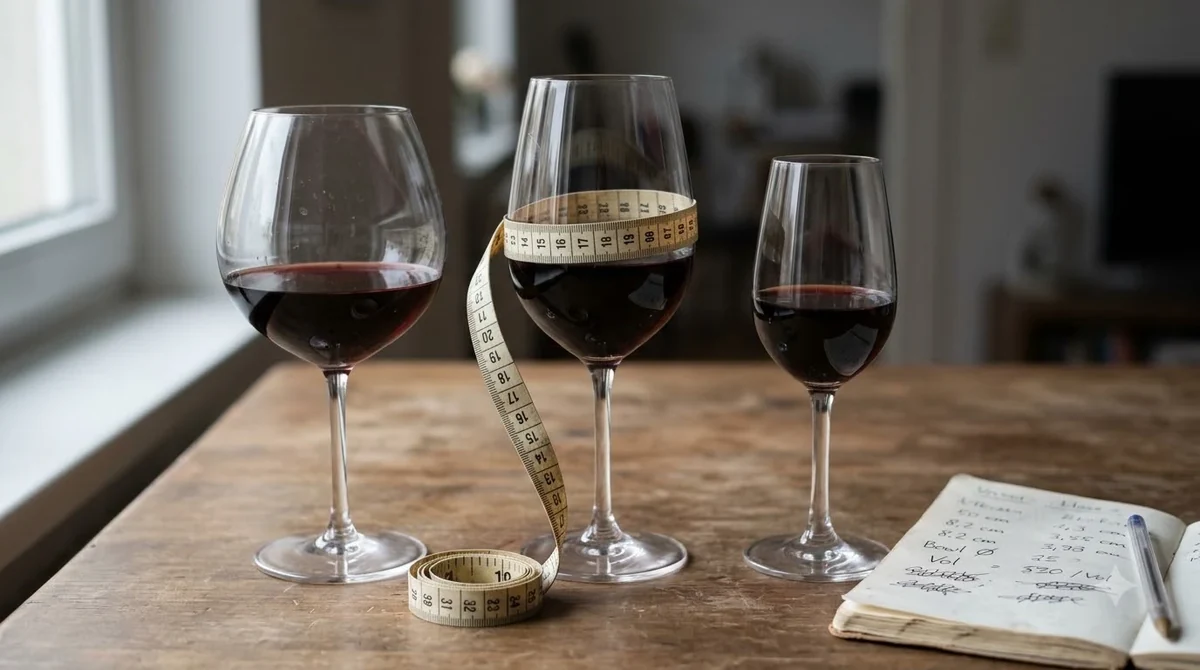
Grape variety is only part of the story. A Cabernet Sauvignon from a large commercial vineyard and a Cabernet from a small, hand-tended vineyard in a famous region can taste very different and cost very different amounts. Yield matters: vineyards that limit how much fruit each vine produces usually have higher costs per bottle, because they harvest less wine from the same land.
Region matters just as much. Land in well-known wine areas is expensive, and producers in those areas often charge more to cover their costs. Wines from less famous regions can offer good quality at lower prices because the land and labor cost less. Brand reputation also plays a role, since well-known names can charge more for consistency and marketing.
Aging and oak treatment add cost too. Wine aged in new oak barrels needs more time and more expensive equipment, and wines that are cellared for years tie up capital before they are sold. Those costs show up in the bottle price, which is why a bottle described as “reserve” or “aged” often costs more than a young, unoaked version of the same grape.
Table wine, mid-range, and premium bottles
Most wine in stores falls into three general tiers. Everyday table wine is made to be drunk young, with simple fruit flavors and low aging. It is the right choice for casual meals and large gatherings, where the goal is to pour without worrying about each bottle.
Mid-range bottles are where many people find the best value. These wines usually come from established producers with more care in the vineyard and the winery, and they show more depth than basic table wine. They are a good fit for dinner with friends or a special meal at home.
Premium and collectible bottles are made in smaller quantities, often from prestigious vineyards, and they may be aged for years before release. Their prices reflect scarcity and reputation, not only the quality in the glass. For most everyday drinking, a premium bottle is not necessary to enjoy the wine.
| Bottle tier | What drives the cost | Good for |
|---|---|---|
| Everyday table wine | High volume, simple production, low aging | Casual meals, parties, cooking |
| Mid-range bottle | Established producer, better fruit, some oak | Dinner at home, gifts, everyday value |
| Premium bottle | Famous region, limited yields, long aging | Special occasions, collecting, celebration |
How to shop for value without overspending
Start with the style you enjoy. If you like bold reds, look for a bottle from a region known for them, rather than a famous name that you do not need. Many regions produce excellent wine at moderate costs, and staff at a good wine shop can point you toward bottles that match your taste.
Compare cost per glass rather than the sticker alone. A bottle that costs more but holds the same five servings may not be better value if it tastes the same as a cheaper bottle. Buying a case or a mixed six-pack can also lower the cost per bottle, especially for wines you drink often.
Tip: Ask the store about current sales and loyalty programs, and check whether a wine you like is sold in a larger format. Larger bottles sometimes offer a lower cost per glass.
Shipping, taxes, and why prices differ by store
The price on the shelf rarely tells the whole story. Local sales taxes, licensing fees, and distributor markups all add to the final cost, so the same bottle can sell for different amounts across cities or states. Online shops may add shipping or require age verification, which changes the total at checkout.
If you are buying wine to send or ship, the rules can add cost and complexity. The guide on whether you can mail wine explains the limits that apply in many places. Always compare the final price with shipping included before deciding where to buy.
Seasonal sales and retailer promotions can also shift the price of the same bottle over a few weeks. A wine that is marked down after a holiday may be a good buy if you already know you like it, but a sale on an unfamiliar bottle is not a reason to buy it. Read the producer’s description, look at the grape and region, and choose the bottle that fits the meal rather than the one with the biggest discount.
Frequently Asked Questions
How much is a typical bottle of wine?
A standard 750 ml bottle is the most common size. Prices range from basic table wines to small-production bottles from famous regions, so the answer depends on the style and where you buy it.
How many glasses are in a bottle of wine?
A standard 750 ml bottle is usually sold as five servings. Divide the bottle price by five to compare the cost per glass across different wines.
Why are some wines so expensive?
High costs come from famous regions, low yields, long aging, new oak, and small production. Brand reputation and scarcity also raise prices, even when the wine is not dramatically better in the glass.
Is an expensive bottle always better?
Not always. Many mid-range bottles from good producers taste excellent for everyday meals, and the best choice depends on your taste and what you are serving.
Wine is one of the few products where a moderate price can still deliver a good experience. Decide what you want the bottle to do, compare cost per glass, and buy the style you enjoy. For more everyday questions, the sugar in red wine guide covers another common question, and the wine Q&A hub collects the basics in one place.
More in Wine Basics
 Which Rose Is Best for Your Taste, Budget, and Food PairingsUpdated Nov 21, 2026
 Is Cheap Wine Bad? How to Find Bottles Worth DrinkingUpdated Nov 21, 2026
 What To Write On A Wine Gift Tag: Thoughtful Messages For Every OccasionUpdated Nov 21, 2026
 Which Wine Is Best For Weight Loss? Compare Lower-Calorie ChoicesUpdated Nov 21, 2026
 What Is The Best Wine For Mimosas? Choose Bubbly That Balances Orange JuiceUpdated Nov 20, 2026
 Which Prosecco Is Best for Your Taste and OccasionUpdated Nov 20, 2026