

We may earn a commission when you buy through links on this page, at no extra cost to you. Learn more.
The stella rosa black wine price typically falls around $9 to $16 for a standard 750 ml bottle in the United States, depending on the retailer, location, and availability. This Italian semi-sweet, semi-sparkling red wine includes Brachetto grapes and features blackberry, blueberry, and raspberry flavors. Comparing bottle sizes and local retailer listings helps shoppers decide whether the standard bottle or larger 1.5 L format offers better value.
Stella Rosa Black occupies an accessible part of the wine market, appealing to people who prefer sweeter red wines, gentle bubbles, and relatively low alcohol. It differs from a traditional dry red wine, so its value is best judged by its flavor, serving flexibility, and suitability for the occasion rather than by comparing it directly with full-bodied Cabernet Sauvignon or aged Italian reds. This guide explains typical US retail prices, bottle formats, shopping considerations, and ways to get the most from each purchase.
Who This Wine Is For
Stella Rosa Black is a practical choice for shoppers who enjoy approachable, fruit-forward wine without the intensity of a traditional dry red. Its semi-sweet character, light sparkle, and producer-listed 5% alcohol by volume make it particularly appealing for casual gatherings and relaxed meals.
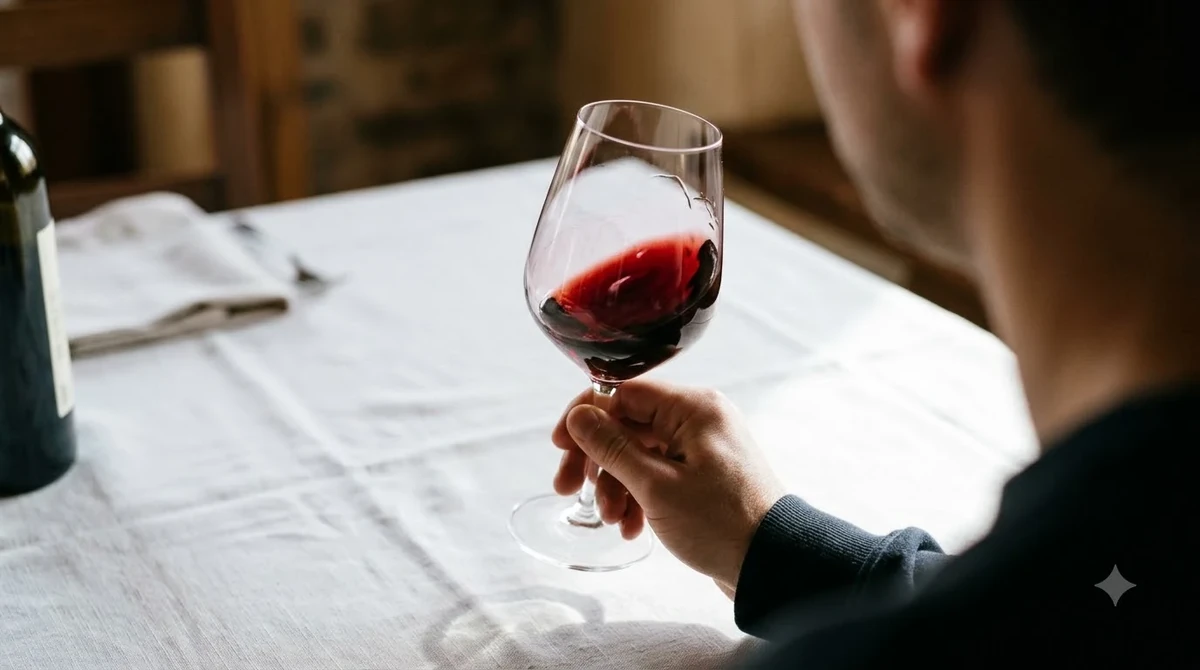
The wine’s flavor profile centers on ripe blackberry, blueberry, and raspberry. These fruit characteristics give it a recognizable berry-forward character rather than the earthy, tannic, or oak-driven profile associated with many conventional red wines. The sweetness also makes it approachable for people who do not regularly drink dry reds.
According to the official Stella Rosa product information, the wine is made with Brachetto grapes and comes from Italy. It is a proprietary blend of Italian red grape varieties rather than a straightforward single-variety Brachetto wine. That distinction matters because shoppers should not expect the exact characteristics of a traditional varietal wine from Piedmont.
It is also suitable for people who prefer smaller servings or lower-alcohol options. At 5% ABV according to the producer, it contains considerably less alcohol by volume than many conventional table wines. However, lower alcohol does not mean that a bottle is alcohol-free, and the wine should still be treated as an alcoholic beverage.
Stella Rosa Black may not satisfy shoppers who specifically want a dry, structured red with pronounced tannins, complex oak aromas, or substantial aging potential. Its appeal is freshness, sweetness, fruit, and easy serving rather than the characteristics expected from a serious cellar wine.
People exploring the wider range can also read about Stella Rosa wine to understand how different bottles within the brand vary in style. For someone who already enjoys sweeter wines, Black is a recognizable option to consider alongside other fruit-forward selections.
Key Factors to Compare
The most useful way to evaluate the stella rosa black wine price is to compare bottle size, retailer pricing, product identity, and the amount of wine you actually need. A standard bottle is convenient for a small gathering, while a larger 1.5 L format may make more sense when several people will share it.
The producer lists 250 ml, 750 ml, and 1.5 L formats. Retailer listings also show the standard 750 ml bottle through different US shopping channels. The following table summarizes the practical differences between the formats and important product specifications.
| Buying factor | Typical option | What to consider |
|---|---|---|
| Small bottle | 250 ml | Suitable for a limited serving occasion or smaller purchase. |
| Standard bottle | 750 ml | Approximately five 5 oz glasses. |
| Large bottle | 1.5 L | Equivalent to two standard 750 ml bottles. |
| Alcohol content | 5% ABV | Producer-listed alcohol by volume. |
| Wine style | Semi-sweet, semi-sparkling red | Designed for drinkers who enjoy berry flavors and sweetness. |
| Grape composition | Blend including Brachetto | Not a single-variety Brachetto wine. |
| Origin | Italy | Italian-produced wine. |
| Closure | Screw cap | Convenient for opening and resealing. |
Typical US bottle prices
For a standard 750 ml bottle, a practical US shopping range is approximately $9 to $16. Retailer listings at Sam’s Club, Target, and Kroger demonstrate the variation between stores and shopping locations. These are general retail observations rather than a fixed manufacturer price. Prices vary by state and retailer.
The 1.5 L bottle generally costs more in total because it contains twice as much wine as the standard format. Shoppers should compare its equivalent cost per 750 ml rather than its total checkout price. Prices vary by state and retailer, and local availability can influence the final amount.
For the smallest 250 ml format, shoppers should consider convenience instead of automatically assuming that the smallest package represents the lowest cost per serving. Smaller bottles contain less wine, and packaging costs can make their per-milliliter value different from the standard format.
Understanding the price differences
Several factors explain why two stores can list the same bottle at different prices. State alcohol regulations, local taxes, distribution costs, retailer purchasing arrangements, inventory, and delivery expenses all influence the final amount. Online listings may also display different prices depending on the selected shipping destination.
It is important to compare identical products. Stella Rosa Black should not be confused with other similarly named bottles, such as Stella Rosa Black Cherry or Stella Rosa Blackberry. These are different products, even though they share the same brand family and may use similar packaging.
For shoppers comparing the wider selection of wine brands, the Wine Brands category provides a useful starting point for discovering alternatives and understanding differences between producers.
Step-by-Step: How to Find the Right Bottle Price
Finding a suitable bottle involves more than choosing the lowest displayed number. A careful comparison of product identity, size, availability, and total purchasing cost helps prevent confusion and makes it easier to identify reasonable retail pricing.
-
Start with the exact wine name.
Search for Stella Rosa Black rather than a general phrase such as sweet red wine. Similar Stella Rosa products have different flavor profiles and may have different retail prices. Confirm that the listing identifies the Black bottling.
-
Choose the bottle size.
Decide whether you need 250 ml, 750 ml, or 1.5 L. The 750 ml bottle is a useful standard for comparison because retailers commonly list this size. A 1.5 L bottle contains twice as much wine, while the smaller format is convenient for a limited serving occasion.
-
Compare at least three retailers.
Look at local wine shops, supermarket wine departments, and established online retailers that serve your state. The Kroger Stella Rosa Black product listing provides an example of a standard 750 ml retail listing, including its bottle specifications and product description. Compare it with other local offers rather than treating one store’s listing as a national price.
-
Calculate the equivalent bottle cost.
For a 1.5 L bottle, divide its listed price by two to determine the equivalent cost per 750 ml. For a 250 ml bottle, multiply its price by three to calculate the equivalent cost for 750 ml. This creates a more useful comparison across formats.
-
Check availability and delivery conditions.
A retailer may list a bottle without offering delivery to your state. Local pickup, shipping restrictions, inventory, and additional delivery charges can change the total cost. Check these details before deciding which listing represents the better purchase.
-
Confirm the wine style and alcohol content.
Look for the semi-sweet, semi-sparkling description and the producer’s stated 5% ABV. This prevents accidental purchases of another similarly named Stella Rosa wine or a non-alcoholic variation.
-
Buy an appropriate quantity.
Consider the number of people attending and how much wine they are likely to drink. A 750 ml bottle provides approximately five standard 5 oz servings. A larger format may be more convenient for a gathering, but buying more than necessary does not automatically create better value.
Tip: Compare the cost per 750 ml rather than the total bottle price. A 1.5 L bottle contains twice the wine of a standard bottle, so dividing its price by two gives a fairer comparison.
Types and Bottle Styles Explained
Stella Rosa Black is available in different bottle formats, but the wine’s defining style remains consistent: an Italian semi-sweet, semi-sparkling red with berry-focused flavors. Understanding the difference between bottle size and wine style helps shoppers choose the right format without confusing it with another product.
The 250 ml bottle is the smallest commonly listed format. It works for someone who wants a limited quantity or wants to bring a compact bottle to an individual occasion. Its size also makes it easier to try the wine without committing to a full standard bottle.
The 750 ml bottle is the familiar standard wine format. It is a sensible starting point for most shoppers because it offers enough wine for a small group while remaining easy to store and serve. With approximately five standard 5 oz pours, it can accommodate several people at a casual gathering.
The 1.5 L format is often called a magnum. It holds the equivalent of two 750 ml bottles and is more practical for larger gatherings. Shoppers should still consider how quickly the wine will be consumed after opening because a larger format does not mean that the opened wine will remain fresh indefinitely.
Understanding semi-sweet wine
Semi-sweet wine occupies a middle ground between dry and noticeably sweet styles. It has a perceptible sweetness that supports its fruit flavors without necessarily tasting like a dessert wine. In Stella Rosa Black, the blackberry, blueberry, and raspberry character is central to the experience.
Its sweetness makes it a different proposition from dry Italian reds. Wines made predominantly from Cabernet Sauvignon or Nebbiolo typically have more noticeable tannin and a drier impression. Stella Rosa Black is instead intended for drinkers who appreciate a softer, sweeter profile.
Understanding semi-sparkling wine
Semi-sparkling wine has some visible carbonation but is not necessarily as intensely bubbly as traditional sparkling wine. This light effervescence contributes to a refreshing impression and makes chilled serving particularly suitable.
It should not be confused with Champagne, Cava, or traditional-method sparkling wine. Those categories have their own production methods and styles. Stella Rosa Black is a semi-sparkling red blend, so its combination of berry fruit, sweetness, and gentle bubbles is the more relevant comparison.
Common Mistakes When Comparing Prices
The biggest shopping mistakes involve comparing different bottle sizes, confusing similar product names, and assuming that the lowest online listing represents the final amount payable. A little attention to product details can make the buying decision considerably more accurate.
Comparing different bottle sizes
A 750 ml bottle and a 1.5 L bottle cannot be compared using their total prices alone. The larger format naturally costs more because it contains twice as much wine. Divide the larger bottle’s price by two before deciding whether it offers a more economical purchase.
The same principle applies to 250 ml bottles. A smaller bottle may have a lower checkout total, but that does not mean the wine is less expensive per serving. Standardizing the comparison to 750 ml removes much of this confusion.
Confusing similar Stella Rosa wines
Stella Rosa has multiple fruit-forward wines, and some names are easy to mix up. Black, Black Cherry, and Blackberry should be treated as separate products rather than interchangeable names. Their flavors, product descriptions, and prices may differ.
Another possible source of confusion is the non-alcoholic version of Stella Rosa Black. A product listing that specifically says non-alcoholic is not the same purchase as the standard alcoholic bottling. Anyone looking for the original 5% ABV version should verify the product description before ordering.
Ignoring the final checkout cost
Online prices may exclude shipping, applicable taxes, and local handling charges. A retailer advertising a lower bottle price may become more expensive after these additions. This is particularly relevant for shoppers buying only one bottle rather than several bottles in a single order.
Local alcohol availability also varies. A retailer may list Stella Rosa Black in its national catalog but not have it available at every store. Checking local stock can save time and avoid making decisions based on an unavailable listing.
Buying solely because of a low price
A lower price is useful only if the product matches what the shopper wants. Someone who prefers dry, tannic reds may not enjoy Stella Rosa Black even if the bottle is attractively priced. Conversely, someone who likes sweet berry flavors and gentle carbonation may consider it a suitable everyday option.
The best purchasing decision balances price with style, quantity, and the occasion. This is particularly important with accessible wines because their value depends heavily on whether their flavor profile suits the intended drinker.
Serving, Care, and Storage Tips
Proper serving makes a meaningful difference to Stella Rosa Black because its fruity sweetness and gentle carbonation are best appreciated when the wine is properly chilled. Good storage also helps preserve its fresh character after purchase and after opening.
Serve it chilled
Stella Rosa recommends serving Black chilled, which is appropriate for a semi-sweet, semi-sparkling red. A refrigerator chill helps keep the fruit profile refreshing and prevents the sweetness from feeling overly heavy.
A practical serving temperature is approximately 45 to 50 degrees Fahrenheit. Allow the bottle to warm slightly in the glass if the fruit aromas seem muted immediately after pouring. Serving it too warm can make the sweetness feel more pronounced and reduce the refreshing effect of its carbonation.
Choose suitable food pairings
The producer recommends several distinctive pairings, including fresh Havarti, Manchego, blue cheese-stuffed hamburgers, bratwurst bathed in beer, and black walnut ice cream. These suggestions demonstrate that the wine is versatile enough to accompany both savory dishes and sweeter desserts.
Havarti and Manchego are particularly useful starting points because their creamy or savory characteristics can complement the wine’s berry flavors. A burger with blue cheese provides a stronger savory contrast, while bratwurst offers a richer, more substantial pairing.
For dessert, black walnut ice cream offers an interesting alternative to the usual chocolate pairing. A useful general rule is to choose a dessert that is no sweeter than the wine. Otherwise, the wine may taste less fruity and more acidic by comparison.
Store unopened bottles properly
Keep unopened wine away from direct sunlight, excessive heat, and repeated temperature fluctuations. A cool, dark storage area is preferable to a kitchen counter near an oven or a sunny window. For longer storage, a stable environment around 55 degrees Fahrenheit is a useful general wine-storage target.
Stella Rosa Black is intended primarily for accessible, fresh drinking rather than long-term cellaring. There is little reason to purchase several bottles for extended aging. Buying an amount that can be enjoyed while the wine remains fresh is a more practical approach.
Preserve an opened bottle
After opening, reseal the bottle and store it in the refrigerator. A sparkling wine stopper can help preserve some carbonation, although it cannot keep the wine indefinitely. For opened still wines, three to five days is a general refrigerated storage guideline, but a semi-sparkling wine may lose its bubbles sooner.
Check the wine’s aroma and appearance before serving again. A noticeable loss of carbonation, stale fruit aromas, or an unpleasant change in flavor can indicate that the bottle is past its best. Keeping the bottle cold and minimizing unnecessary exposure to air helps maintain freshness.
The screw-cap format makes reopening and resealing convenient. This is a practical advantage for people who do not intend to finish the bottle in one sitting.
Frequently Asked Questions
Is Stella Rosa Black a good wine for someone new to red wine?
It can be a comfortable introduction for someone who finds traditional dry reds too tannic or intense. Its berry-forward flavor, sweetness, and gentle carbonation create a different experience from a conventional dry red. It is particularly approachable when served chilled.
Does Stella Rosa Black need to be decanted?
No traditional decanting is necessary for this fresh, semi-sparkling wine. Decanting is more commonly useful for certain young, tannic reds or older wines with sediment. Pouring Stella Rosa Black directly from its chilled bottle is the more practical approach because prolonged exposure to air can reduce its carbonation.
Can Stella Rosa Black be used in cocktails?
Yes. The producer suggests mixing the wine with spirits for a fruit-forward cocktail. Its blackberry, blueberry, and raspberry character can work as a fruity component in simple mixed drinks. Keep additional sweet ingredients moderate so the finished drink does not become excessively sweet.
Is Stella Rosa Black a vintage-specific wine?
Retail listings identify the standard product as non-vintage, meaning it is not marketed around a single harvest year. This makes it easier for shoppers to compare bottles without treating different harvest years as separate releases. It is designed around a consistent, accessible house style rather than vintage variation.
Does Stella Rosa Black have a cork or screw cap?
The standard 750 ml bottle is listed with an easy-open screw-cap closure by Kroger and Wine.com. This closure is convenient for casual serving and resealing a partially consumed bottle. It also means that a traditional corkscrew is unnecessary.
Stella Rosa Black is an accessible Italian semi-sweet red for shoppers who enjoy berry flavors, gentle bubbles, and lower alcohol content. A standard 750 ml bottle is a sensible starting point, while the 1.5 L format can suit larger gatherings. Compare equivalent bottle sizes and local retailer listings before buying to find a price that makes sense for the quantity and occasion.
More in Wine Brands
 Underwood Wine Price: Compare Bottles, Cans, and Pack SizesUpdated Nov 21, 2026
 Zenato Wine Price: Compare Styles and Choose the Right BottleUpdated Nov 21, 2026
 Zuccardi Wine Price: Compare Bottles and Find the Right RangeUpdated Nov 21, 2026
 Yellow Tail Moscato Review: Taste, Sweetness and Serving TipsUpdated Nov 21, 2026
 Wolf Blass Yellow Label Review: Choose Your Best StyleUpdated Nov 21, 2026
 Wolffer Estate Rose Review: Choose the Right Bottle for Your TableUpdated Nov 21, 2026