

We may earn a commission when you buy through links on this page, at no extra cost to you. Learn more.
This josh pinot noir review finds a crowd-pleasing, medium-bodied California red built around ripe cherry, raspberry, and noticeable toasted oak rather than austere earthiness. Bottled at 13.5 percent alcohol by volume according to the producer’s technical sheet, it delivers soft tannins and approachable fruit suited for casual weeknight dinners. Shoppers seeking crisp, high-acid Burgundy or Willamette Valley styles will find it rounder and sweeter-fruited, while fans of smooth, oak-kissed California reds will appreciate its consistency.
Josh Cellars has become one of the most recognizable names on American grocery and wine shop shelves, built on a negociant model that sources grapes across California rather than farming a single estate. Understanding what sits inside the bottle—and how the flagship California release differs from the brand’s Family Reserve bottlings—helps buyers decide when to grab a bottle and how to serve it at its best.
Who This Josh Pinot Noir Review Is For
This guide serves everyday wine shoppers looking for a reliable, widely available red wine for weeknight meals, casual gatherings, or dinner parties. Because Josh Cellars distributes heavily through supermarkets, big-box retailers, and neighborhood liquor stores nationwide, buyers frequently encounter it without knowing how it stacks up against drier, lighter-bodied Pinot Noirs.
Founded by Joseph Carr and marketed by Deutsch Family Wine & Spirits, Josh Cellars operates without owning physical vineyards or a single estate winery. Instead, winemaker Wayne Donaldson—who previously spent more than a decade crafting sparkling wine at a major Champagne house—blends lots purchased from partner growers across cool-climate California regions. Buyers who enjoy consistent, fruit-forward house styles across vintages benefit most from this negociant approach.
Conversely, wine drinkers searching for single-vineyard terroir expression, sharp tartness, or pronounced savory forest-floor character should look elsewhere. Readers evaluating the brand’s broader lineup can explore Wine Brands to see how large negociant labels compare with smaller estate wineries across major American appellations.
Key Factors to Compare Across Josh Cellars Pinot Noir Bottlings
Evaluating Josh Cellars Pinot Noir starts with comparing technical specs, oak aging, and regional sourcing between the flagship California bottling and the higher-tier Family Reserve releases. Looking at alcohol level, acidity, and barrel regimen reveals why the wines taste noticeably plush and rounded in the glass.
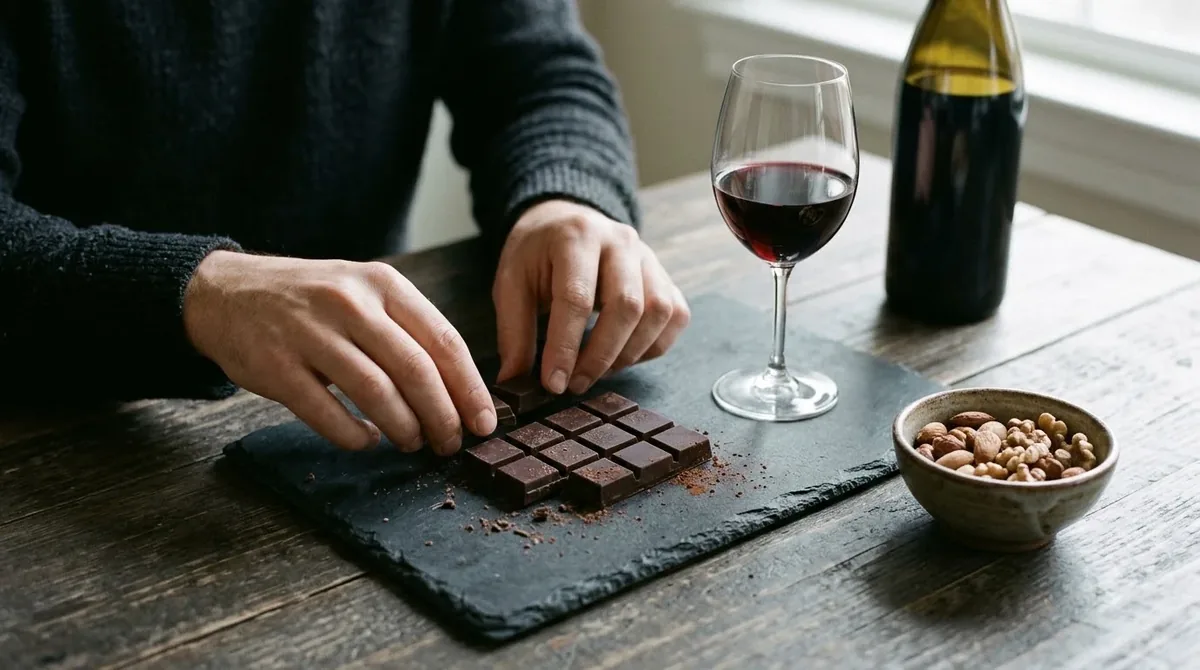
According to the official Josh Cellars technical sheet, the standard California Pinot Noir uses 100 percent Pinot Noir grapes with the core of the blend sourced from Monterey County. The winemaking team harvests the fruit in the early morning, chills the crushed grapes for a 48-hour cold soak at 45 degrees Fahrenheit, and ferments the must for 10 to 14 days using natural yeasts. Afterward, the wine ages in barrel for 6 to 9 months, including 8 months in French oak with 15 percent new barrels, finishing at 13.5 percent alcohol by volume, 5.8 grams per liter of titratable acidity, and a 3.60 pH.
| Attribute | Josh Cellars Pinot Noir (Flagship) | Josh Cellars Family Reserve Pinot Noir |
|---|---|---|
| Primary Appellation | California (core from Monterey County) | Santa Barbara County (or Oregon in select vintages) |
| Alcohol by Volume (ABV) | 13.5% (producer spec sheet) | 13.5% to 14.1% (varies by vintage and region) |
| Acidity & pH | 5.8 g/L TA, 3.60 pH | Balanced coastal acidity from fog-cooled sites |
| Oak & Fermentation | 48-hour cold soak at 45°F; 8 months French oak (15% new) | 4-to-5-day cold soak; full malolactic conversion; French oak aging |
| Core Flavor Profile | Dark cherry, raspberry, vanilla bean, toasty oak, warm spice | Red cherry, pomegranate, cedar, savory herbs, silky finish |
| Best Serving Temperature | 55°F to 60°F | 55°F to 60°F |
Community tasting data on Vivino mirrors those laboratory numbers. Across more than 15,000 community ratings, tasters place the flagship wine near the center of both the light-to-bold and smooth-to-tannic scales, while noting that it leans dry with moderate, soft acidity rather than bracing tartness. Readers wanting a deeper breakdown of how that 13.5 percent strength affects body and warmth per 5-ounce pour can review our josh pinot noir alcohol content guide.
Tip: Look closely at the neck label and appellation line on the front label before buying. The standard green-and-gold label reads California, while the Family Reserve bottles carry a black-and-gold design naming a specific sub-region such as Santa Barbara County.
Step-by-Step: How to Buy, Serve, and Pair Josh Pinot Noir
Getting the best experience from a bottle of Josh Cellars Pinot Noir comes down to checking the label details at the store, chilling the bottle slightly before opening, and matching its soft tannins with savory dishes. Follow these five steps from retail shelf to dinner table.
- Verify the appellation and bottle size on the shelf. Confirm whether you are picking up the standard 750 ml California bottling or a 375 ml half-bottle, as grocery stores often stock both sizes side by side. Because Josh Cellars no longer ships wine directly from its website, local supermarkets and wine shops remain the primary places to inspect current vintages in person.
- Chill the bottle for 20 to 30 minutes before serving. Standard room temperature in most American homes hovers near 70 degrees Fahrenheit, which makes 13.5 percent ABV red wine taste flat and overly alcoholic. Placing the bottle in a standard kitchen refrigerator for about 25 minutes brings it down into the ideal 55 to 60 degrees Fahrenheit serving window for light-to-medium reds.
- Decide whether to aerate based on vintage and aroma. Young bottles of flagship California Pinot Noir do not require lengthy decanting, though pouring the wine into a wide-bowled Pinot Noir glass—or letting it breathe in a decanter for 20 to 30 minutes—helps blow off initial oak toast and brings out brighter raspberry and red cherry notes.
- Pour standard 5-ounce servings into wide-bowled glasses. A standard 750 ml bottle yields roughly five 5-ounce pours, leaving ample headspace in a large burgundy-style bowl so aromas of vanilla bean, cherry, and warm spice gather near the rim.
- Pair with medium-weight proteins and earthy sides. Match the wine’s low-to-medium tannins and toasted oak finish with roasted chicken, herb-crusted pork tenderloin, grilled salmon, or mushroom flatbreads. Avoid heavily spiced chili dishes, as capsaicin heat amplifies alcohol warmth and dries out the fruit.
Josh Pinot Noir Styles and Reserve Tier Explained
Shoppers browsing the wine aisle will encounter more than one Pinot Noir under the Josh Cellars umbrella, each reflecting distinct coastal climates and winemaking choices. Knowing the differences between the flagship California blend and the Family Reserve bottlings prevents confusion at checkout.
Flagship California Pinot Noir
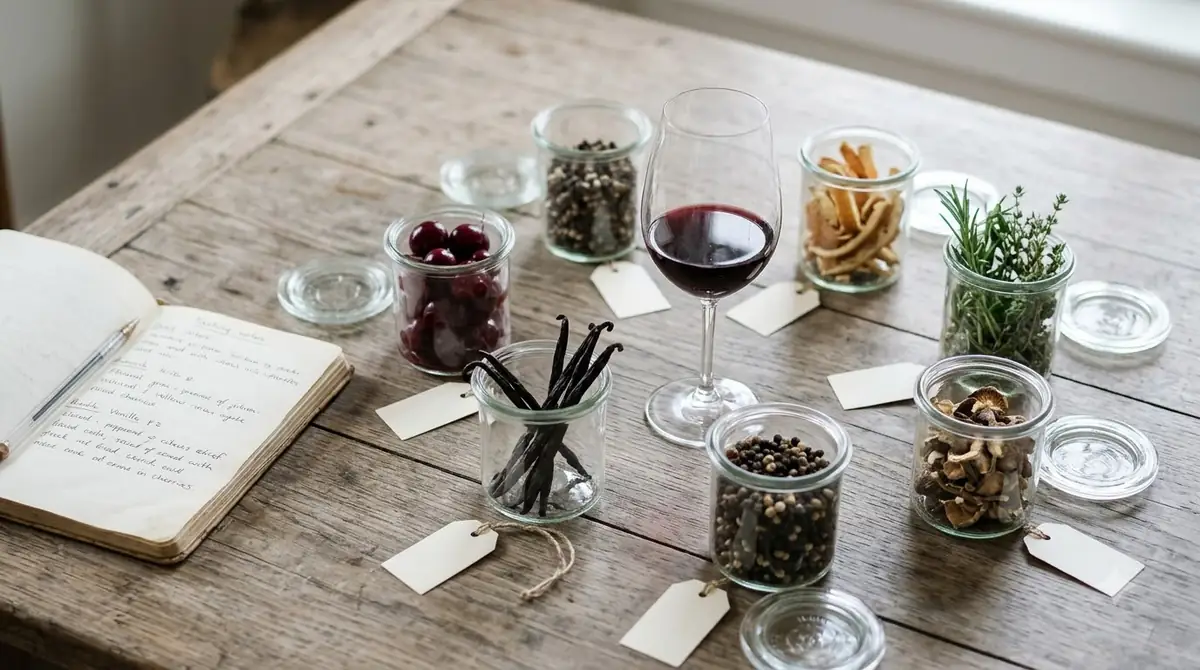
The core Josh Cellars Pinot Noir carries a broad California appellation, allowing winemaker Wayne Donaldson to blend lots from several cool-climate districts while anchoring the cuvée in Monterey County. Salinas Valley winds and morning fog from Monterey Bay slow down grape ripening, preserving natural cherry and raspberry aromatics even as warm afternoon sun builds mid-palate richness. Aging in 15 percent new French oak adds unmistakable notes of vanilla bean, milk chocolate, and toasted wood that appeal to drinkers transitioning from Merlot or Cabernet Sauvignon.
Family Reserve Santa Barbara County Pinot Noir
Stepping up to the Family Reserve tier narrows the geographic focus to Santa Barbara County, where transverse mountain ranges funnel cool Pacific fog through valleys and hillside vineyards ranging from 200 feet to 3,400 feet in elevation. According to Josh Cellars tasting notes, this extended coastal hang time yields a more structured, aromatic wine layered with red cherry, pomegranate, and cedar, supported by brisker acidity and a longer, silkier finish suited for roasted duck, turkey, or wild mushroom dishes.
Regional Reserve Releases and Peer Comparisons
In select vintages, Josh Cellars has also released a Family Reserve Oregon Pinot Noir produced with a 4-to-5-day cold soak in stainless steel tanks, 7 to 10 days of temperature-controlled fermentation, and full malolactic conversion to highlight bright strawberry and pomegranate fruit over heavy oak. Within the broader California grocery aisle, flagship Josh Cellars Pinot Noir occupies a middle ground: it tastes noticeably drier and lighter on its feet than ultra-plush, sweet-fruited meiomi pinot noir, yet carries more vanilla oak and roundness than tart, earthy Burgundian or Oregonian bottles.
Common Mistakes When Buying and Serving Josh Pinot Noir
Even a well-made, approachable red wine can disappoint when served too warm, paired with incompatible dishes, or mistaken for an age-worthy cellar collectible. Avoiding a few predictable missteps keeps the fruit vibrant and prevents oak or alcohol from dominating the glass.
Serving the bottle straight from a warm kitchen counter is the single most common error. Because standard Josh Cellars Pinot Noir sits at 13.5 percent alcohol by volume with moderate 5.8 grams per liter titratable acidity according to the producer’s technical sheet, temperatures above 65 degrees Fahrenheit dull the bright raspberry and dark cherry aromatics while making the vanilla oak feel heavy. Chilling the bottle down to 55 to 60 degrees Fahrenheit restores crispness on the palate.
A second mistake is pairing the wine with intensely spicy chili dishes or heavily sugared barbecue sauces. Capsaicin heat in spicy foods amplifies the sensation of alcohol and tannin, turning a smooth, medium-bodied Pinot Noir harsh and bitter on the finish. Similarly, desserts sweeter than the wine itself strip away the subtle pomegranate and cherry fruit, making the 3.60 pH profile listed on the producer’s technical sheet taste thin and astringent. Stick to savory, moderately rich dishes—such as herb-roasted chicken, pork tenderloin, beef tenderloin, or mushroom risotto—where fat and salt soften the wine’s gentle grip.
Finally, shoppers sometimes confuse the flagship California release with the Family Reserve Santa Barbara County bottling or buy older vintages expecting complex bottle bouquet. Flagship josh pinot noir is crafted for immediate enjoyment within two to three years of its vintage date rather than long-term cellar aging. Checking the vintage year on the label ensures the bottle still retains its fresh red fruit core.
Storage and Care Tips for Unopened and Opened Bottles
Proper storage protects Josh Cellars Pinot Noir from premature oxidation, cork shrinkage, and heat damage before and after the cork is pulled. Simple temperature and sealing habits preserve its cherry, spice, and toasted French oak character across multiple nights.
Store unopened bottles horizontally on their sides in a dark spot held near 55 degrees Fahrenheit with roughly 50 to 70 percent relative humidity. Keeping the bottle on its side keeps the cork moist and swollen against the glass neck, blocking oxygen ingress, while steady cool temperatures prevent heat spikes that cook delicate Pinot Noir fruit. Avoid storing bottles on top of a kitchen refrigerator or near a stove, where appliance heat and constant vibration accelerate aging.
Once opened, re-cork the bottle tightly and place it upright inside a standard kitchen refrigerator at roughly 38 to 40 degrees Fahrenheit. Cold storage slows oxidation dramatically, keeping still red wines fresh for 3 to 5 days after opening. Using a simple vacuum pump stopper removes excess air from the headspace and helps preserve the raspberry and vanilla aromatics through the fourth or fifth day; simply pull the bottle out of the fridge 20 to 30 minutes before pouring the next glass so it warms back toward 55 to 60 degrees Fahrenheit.
Frequently Asked Questions
Is Josh Cellars Pinot Noir sweet or dry?
Josh Cellars Pinot Noir is a dry red wine, though ripe California fruit and 8 months of French oak aging give it a smooth, rounded impression on the mid-palate. According to the producer’s tasting profile, notes of vanilla bean, dark cherry, and warm spice create the perception of soft fruit sweetness without making it an off-dry wine.
What awards has Josh Cellars Pinot Noir won?
According to the official Josh Cellars product page, the flagship California Pinot Noir earned a Gold medal and 92 points at the San Francisco Wine Competition. That recognition reflects its consistent balance of Monterey-driven red fruit and integrated toasted oak.
Can you buy Josh Cellars Pinot Noir directly from the winery website?
No, Josh Cellars notes on its official website that it no longer offers direct-to-consumer shipping for its wines. Instead, the brand provides an online store locator that directs shoppers to nearby grocery stores, wine shops, and licensed online delivery partners.
Does Josh Cellars Pinot Noir pair well with salmon or seafood?
Yes, Josh Cellars Pinot Noir pairs nicely with meatier, oil-rich fish such as grilled or cedar-plank salmon because its low-to-medium tannins do not clash with fish oils the way high-tannin Cabernet Sauvignon does. Avoid pairing it with delicate, flaky white fish like sole or cod, which can be overwhelmed by the wine’s toasted oak and 13.5 percent alcohol body.
How many glasses are in a standard bottle of Josh Cellars Pinot Noir?
A standard 750 ml bottle of Josh Cellars Pinot Noir yields roughly five standard 5-ounce pours. Select retail markets also carry a 375 ml half-bottle format, which provides two and a half glasses for weeknight dinners when opening a full bottle is unnecessary.
Josh Cellars Pinot Noir succeeds because it delivers predictable, oak-kissed California red fruit at an accessible intensity that fits weeknight meals and casual gatherings alike. Paying attention to the difference between the flagship California label and the Family Reserve Santa Barbara release, serving the wine slightly chilled between 55 and 60 degrees Fahrenheit, and pairing it with savory dishes ensures every bottle performs at its peak.
More in Wine Brands
 Underwood Wine Price: Compare Bottles, Cans, and Pack SizesUpdated Nov 21, 2026
 Zenato Wine Price: Compare Styles and Choose the Right BottleUpdated Nov 21, 2026
 Zuccardi Wine Price: Compare Bottles and Find the Right RangeUpdated Nov 21, 2026
 Yellow Tail Moscato Review: Taste, Sweetness and Serving TipsUpdated Nov 21, 2026
 Wolf Blass Yellow Label Review: Choose Your Best StyleUpdated Nov 21, 2026
 Wolffer Estate Rose Review: Choose the Right Bottle for Your TableUpdated Nov 21, 2026