

We may earn a commission when you buy through links on this page, at no extra cost to you. Learn more.
The cupcake prosecco price for a standard 750 ml bottle typically falls around $9 to $18 in Vino Alert’s tracked U.S. retail listings; prices vary by state and retailer. Major retailer listings often sit near the low teens, while some online offers are higher. Cupcake’s bottle is an Italian Prosecco made with Glera and fermented a second time in stainless steel tanks. It is a light-bodied, fruit-forward sparkling wine listed at 11% ABV.
Cupcake Prosecco is positioned as an accessible bottle for brunches, casual celebrations, and aperitif pours rather than a prestige sparkling wine. The useful buying question is not whether every store has the same shelf tag, but whether the bottle’s price, format, sweetness, and fresh fruit profile fit the occasion.
Who This Prosecco Suits
Cupcake Prosecco makes the most sense for shoppers who want approachable Italian bubbles in a familiar 750 ml format, with an 11% ABV listing and a fruit-forward profile. It is a practical choice for a weekend brunch, a simple toast, or a casual get-together where the wine will be poured soon after opening rather than cellared for years.
The flavor descriptions supplied by Cupcake and retailers point to a bright, easygoing style. Cupcake describes citrus and toasted brioche, while Total Wine identifies white peach, grapefruit, honeydew melon, ripe lemon, and refined citrus. Those notes suggest a wine that can work on its own before a meal or alongside lighter foods without demanding a formal tasting setting.
It is also a reasonable option for someone who prefers a little roundness rather than a bone-dry sparkling wine. Target classifies the bottle as Extra Dry, a term that has a specific meaning in sparkling wine; it does not mean drier than Brut. Shoppers who want the driest possible finish should compare sweetness terms carefully instead of relying on the everyday meaning of the words.
For a closer look at the label and flavor profile, see the cupcake prosecco overview. Shoppers comparing familiar supermarket and specialty-store labels can also browse the site’s Wine Brands coverage.
Key Factors to Compare Before You Pay
Start with the standard 750 ml bottle, the 11% ABV listing, and the Extra Dry designation, then compare the retailer’s final shelf price and the number of servings you need. A list price is only one part of value: bottle size, local availability, and whether the wine will be served by itself or mixed into a brunch cocktail can matter just as much.
Vino Alert’s U.S. retailer tracker shows 750 ml offers at roughly $9 to $18, depending on the merchant; prices vary by state and retailer. Total Wine & More lists a 750 ml bottle near $12 and Marketview Liquor has listed it near $11; those retailer examples are not uniform national prices, and prices vary by state and retailer. The tracker also shows mini-bottle listings around $4 to $6 for 187 ml formats, and those prices also vary by state and retailer.
| Factor | What the listings show | How to use it when comparing |
|---|---|---|
| Standard format | 750 ml bottle | Target describes this size as about five 5 oz pours, a useful planning estimate for a small gathering. |
| Alcohol | 11% ABV | Target and Marketview both list 11% ABV; compare like-for-like rather than assuming all sparkling wines have the same strength. |
| Sweetness label | Extra Dry | The Prosecco DOC Consortium places Extra Dry at 12–17 g/L of residual sugar. |
| Grape and region | Glera; Veneto and Friuli | Cupcake’s winemaker identifies these growing regions and grape variety in the brand’s product notes. |
| Bubble-making method | Second fermentation in stainless steel tanks | This tank method is associated with the fresh, fruit-led style expected from Prosecco. |
Retailer details are not equally complete: one store may show ABV and bottle size but omit sweetness, while another may list fruit notes without explaining the bubble-making method. Use the producer’s information for winemaking and retailer listings for local availability and checkout totals. Compare cost per intended pour as well: a 750 ml bottle offers roughly five 5 oz servings, while a 187 ml mini can reduce leftovers but often costs more per volume. For another familiar Prosecco, compare the same size and sweetness term with La Marca Prosecco rather than comparing Cupcake with Champagne or sweet Moscato.
Step-by-Step Shopping Checks
A useful purchase check takes only a few steps: confirm the 750 ml or 187 ml format, verify the listed 11% ABV, and make sure the sweetness style suits the people drinking it. Those details can prevent a mismatch between the bottle selected online and the style expected at the table.
- Choose the format first. Select a 750 ml bottle when five 5 oz pours are likely to be useful, or look for a 187 ml mini when only one or two small servings are needed. Check that the listing describes the same size you intend to buy; thumbnails can make mini and full-size bottles look similar.
- Check the actual merchant price. Compare at least two local retailers or online stores that can legally fulfill the order in the destination state. Vino Alert provides a broad comparison view, but shipping, taxes, delivery fees, and local alcohol rules can change the amount paid at checkout.
- Confirm the sweetness description. Cupcake is listed as Extra Dry by Target. If the drinker usually chooses Brut sparkling wine, remember that Extra Dry is a little sweeter under the Prosecco DOC scale, even though the words may sound reversed in everyday conversation.
- Review the alcohol detail. The common retailer specification is 11% ABV. The separate cupcake prosecco alcohol content explainer can help compare that figure with other bottles, but the current product listing and the physical label should agree before purchase.
- Think about the serving plan. Buy chilled sparkling wine for a near-term meal, brunch, or toast. If the wine is intended for cocktails, choose a bottle size that matches the recipe and guest count rather than opening a large bottle for only one glass.
- Check fulfillment before traveling. Retailer websites may show a bottle without confirming that a particular store has it on hand. Confirm local pickup or delivery eligibility, and remember that online prices and in-store prices can differ.
Tip: Compare the final checkout amount for the same bottle size, not just the shelf tag; shipping, taxes, and local fulfillment can change the total.
These checks are especially useful when comparing retailer listings that use different descriptions for the same wine. One page may emphasize peach and melon, another may focus on citrus and brioche, and a third may simply identify it as Italian Prosecco. Those descriptions can all refer to the same general flavor direction rather than to different recipes.
When shopping for a group, plan the number of pours before comparing unit prices. A single full-size bottle is usually enough for a small toast, but it is not a generous allocation for a larger table. For a mixed group, two smaller formats may be more convenient than opening a second 750 ml bottle that will lose carbonation before it is finished.
Style, Sweetness, and Winemaking
Cupcake’s Prosecco is described as Glera-based wine from Veneto and Friuli, with secondary fermentation in stainless steel tanks and an 11% ABV retailer listing. The Extra Dry classification is the key style clue: the Prosecco DOC Consortium defines that category as 12–17 grams of residual sugar per liter, above Brut but below the sweeter Dry category.
The word “Extra Dry” is a traditional sparkling-wine term, not a plain-English tasting promise. According to the Prosecco DOC Consortium, Brut contains less than 12 g/L of sugar, Extra Dry contains 12–17 g/L, and Dry contains 17–32 g/L. That sequence means Extra Dry is sweeter than Brut, while Dry is sweeter than Extra Dry. People who prefer a crisp, very dry finish may therefore want to compare a Brut Prosecco before choosing.
Cupcake’s official winemaking notes explain that the base wine undergoes a slow, cool fermentation to preserve Glera aromas, followed by a second fermentation in stainless steel tanks. This tank process is typical of the Prosecco style and helps retain fresh, primary fruit character. The producer describes the result as crisp and fruit-forward, with citrus and toasted brioche notes; retailers add white peach, grapefruit, honeydew, and ripe lemon to the tasting description.
The official Cupcake Prosecco product page confirms the producer’s account of grape sourcing and tank fermentation, identifies the wine as Prosecco D.O.C. from Italy, and names Jessica Tomei as the winemaker associated with the notes. In the glass, expect a lively wine built around fruit and freshness rather than the toast-heavy complexity of long bottle-aged traditional-method sparkling wine. Brioche is one part of the profile, not a promise that the wine will taste like mature Champagne.
Common Buying and Serving Mistakes
The most common mistake is reading Extra Dry as though it were drier than Brut, even though the Prosecco DOC categories put Extra Dry at 12–17 g/L and Brut below 12 g/L. A second mistake is assuming an 11% ABV Prosecco will taste sweet simply because the fruit aromas include peach and melon; aroma and residual sugar are related but not interchangeable measurements.
Another error is treating all bottles labeled Prosecco as identical. Glera is the defining grape, but sweetness category, growing area, producer choices, and bubble level can change the experience; Cupcake’s tank-fermented sparkling wine is best compared with other spumante bottlings. Do not judge value from the shelf tag without checking capacity: a 750 ml bottle gives about five 5 oz pours, while a 187 ml bottle is a smaller format that can cost more per volume.
Pairing can go wrong when sweetness and food intensity are ignored. Wine should be at least as sweet as dessert, so Extra Dry Prosecco may suit lightly sweet fruit pastries better than a very sugary cake. Salty snacks, cured meats, and appetizers with some fat can complement its freshness, while hot chili dishes can make alcohol feel more pronounced. Serve it cold and use a sparkling-wine stopper after opening; warm wine loses its brisk feel and its bubbles fade faster in the glass.
Serving and Storage at Home
Serve Cupcake Prosecco cold, around 40–50°F, which is the standard serving range for sparkling wine. That temperature helps keep the bubbles lively and the fruit profile fresh; a bottle poured straight from a warm room may seem softer and less refreshing, especially during a long brunch or outdoor gathering.
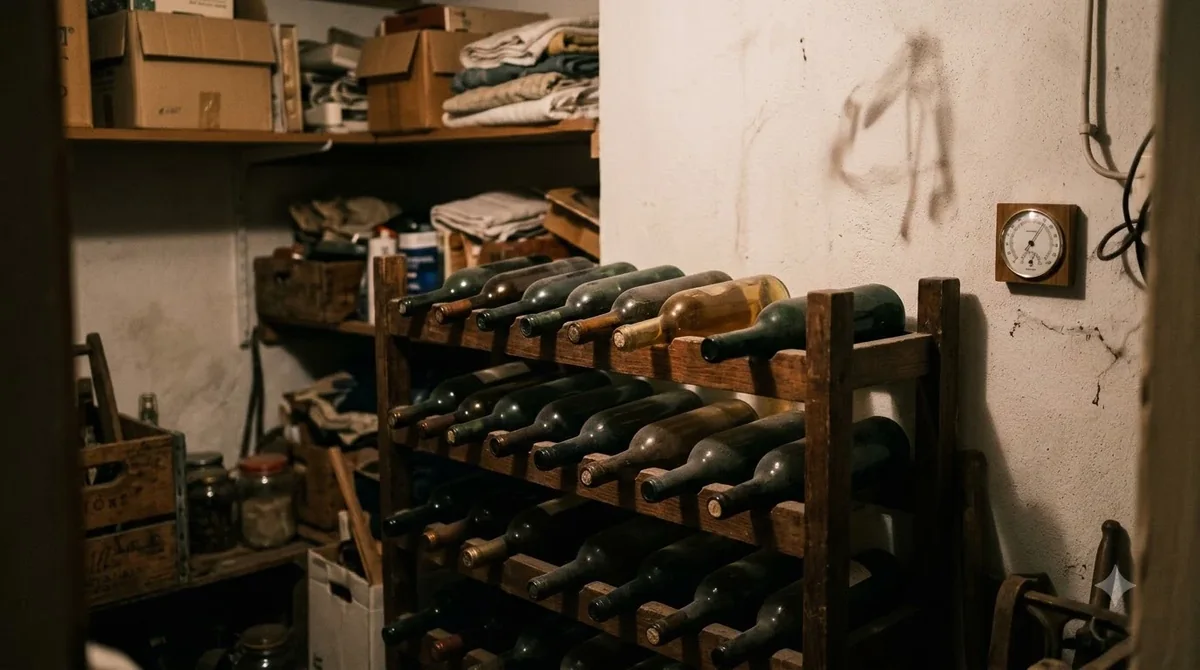
Chill the bottle in a refrigerator before guests arrive, then keep it in a wine bucket with ice and water if service will last. For unopened bottles, a cool, dark place near 55°F is preferable to a sunny kitchen shelf or a spot beside an oven; store the bottle on its side if it has a cork closure and keep it away from vibration and large temperature swings. Cupcake Prosecco is best treated as a fresh, ready-to-drink sparkling wine, not as a bottle to buy for long-term cellaring.
After opening, keep the bottle in the refrigerator with a stopper designed for sparkling wine. A typical opened sparkling wine holds its best quality for about 1–3 days in the fridge, though the bubbles and aromas gradually fade. If the bottle has gone flat or the fruit seems muted, it may still be usable in a cooked preparation, but it will no longer deliver the same lively pour.
Use a 5 oz pour as a practical serving guide and return the bottle to the refrigerator between rounds. Opening a second bottle later often preserves freshness better than uncorking both at the beginning. Keep glassware clean and free of detergent residue, then pair the wine with brunch dishes, salty appetizers, mild cheeses, poultry, or seafood with citrus and herbs. Its Extra Dry style can also suit fruit desserts that are not substantially sweeter than the wine itself.
Frequently Asked Questions
The usual bottle details—750 ml, 11% ABV, and Extra Dry style—answer most buying questions, but retailer listings include a few additional details that are useful to know. The answers below cover nutrition, sulfites, recognition, vintage labeling, and the wider range of Prosecco styles.
How many calories are in a serving of Cupcake Prosecco?
Cupcake’s product page gives an average analysis of 110 calories and 5 grams of carbohydrates per 5 fluid ounces. That is a producer-published serving figure, not a guarantee that every pour or bottling will have an identical analysis.
Does Cupcake Prosecco contain sulfites?
Target’s product information flags the wine as containing sulfites. Sulfites are commonly present in wine, so shoppers who need ingredient details should use the specific bottle packaging and current producer information rather than relying on a generic Prosecco description.
Has Cupcake Prosecco received any third-party recognition?
Target’s product listing reports a 92-point mention from The Tasting Panel and a Wine Enthusiast Best Buy designation. These are recognition claims shown in the retailer’s product details; they are not a guarantee that every drinker will prefer this style.
Is Cupcake Prosecco always sold as non-vintage?
Vino Alert lists this bottling predominantly as non-vintage, so most offers do not identify a single harvest year. Retail listings can differ in how they display bottling information, so compare any vintage shown on the physical bottle with the online description.
Is every Prosecco fully sparkling?
No. The Prosecco DOC Consortium distinguishes spumante, with persistent bubbles; frizzante, with lighter and less persistent bubbles; and tranquillo, which is still and has no perlage. Cupcake’s product is presented as a sparkling Prosecco, but the wider appellation includes these other styles.
Cupcake Prosecco is a sensible everyday buy when the local 750 ml price fits the budget and an Extra Dry, fruit-forward style is what the table needs. Compare the bottle size and final local price, chill it to 40–50°F, and serve it fresh rather than saving it for extended cellaring.
More in Wine Brands
 Underwood Wine Price: Compare Bottles, Cans, and Pack SizesUpdated Nov 21, 2026
 Zenato Wine Price: Compare Styles and Choose the Right BottleUpdated Nov 21, 2026
 Zuccardi Wine Price: Compare Bottles and Find the Right RangeUpdated Nov 21, 2026
 Yellow Tail Moscato Review: Taste, Sweetness and Serving TipsUpdated Nov 21, 2026
 Wolf Blass Yellow Label Review: Choose Your Best StyleUpdated Nov 21, 2026
 Wolffer Estate Rose Review: Choose the Right Bottle for Your TableUpdated Nov 21, 2026