

We may earn a commission when you buy through links on this page, at no extra cost to you. Learn more.
The typical bota box wine price is about $17 to $25 for a 3-liter box and approximately $4 to $7 for a 500 ml Bota Mini, depending on the retailer and location. A standard 3-liter package contains the equivalent of four 750 ml wine bottles, making it a practical option for households that regularly serve wine. The smaller 500 ml format suits occasional drinking, picnics, and situations where buying several bottles would be unnecessary. Comparing package size, varietal, and cost per ounce provides a clearer picture of value than looking at the shelf price alone.
Bota Box has become a familiar name in American boxed wine because its packaging offers convenience without requiring buyers to finish an entire bottle at once. Its selection includes familiar grapes such as Cabernet Sauvignon, Pinot Grigio, Chardonnay, and Sauvignon Blanc, along with blends and specialty collections. Understanding the difference between its package sizes and wine styles makes it easier to decide how much to spend and which format makes sense for your drinking habits.
Who This Is For: Understanding Bota Box Costs and Value
Bota Box is particularly suitable for people who want several servings of wine available over multiple occasions without repeatedly opening new glass bottles. The standard 3-liter package contains approximately four 750 ml bottles, while the 500 ml Bota Mini is intended for smaller quantities. These two formats serve different needs, so the lower initial cost of a Mini does not necessarily mean it offers better value per glass.
For households that regularly enjoy wine with dinner, the larger package can make practical financial sense. A 3-liter box contains approximately 60.9 US fluid ounces, compared with 25.4 ounces in a standard 750 ml bottle. Using a conventional 5-ounce serving, the larger format provides about 12 glasses, while the smaller format provides approximately three glasses. This difference matters when deciding whether a package will be consumed within a reasonable period.
Occasional drinkers may prefer the smaller package even if its cost per ounce is higher. Someone who drinks one glass every few weeks might find a 500 ml package easier to manage than keeping a larger box in the refrigerator. The Mini format also works for travelers who want a compact package that does not require carrying a glass bottle or corkscrew.
Buyers comparing the brand with other boxed wine options should consider more than the amount paid at checkout. Grape variety, wine style, alcohol content, package size, and storage convenience all influence the usefulness of a purchase. A moderately priced box that matches regular meals and drinking preferences can provide more practical value than a cheaper wine that rarely gets opened.
Readers interested in the brand’s overall selection can explore our Wine Brands coverage for broader context about choosing wines from established producers. The important distinction is that Bota Box is not a single wine with several package sizes. It is a range of wines with different flavor profiles and intended uses.
Key Factors to Compare: Package Size, Price, and Cost Per Glass
The most important comparison is the amount of wine included in each package. A 3-liter box provides four times as much wine as a 750 ml bottle, while a 500 ml Mini is considerably smaller. Looking at the cost per fluid ounce or per standard serving helps reveal whether the larger package actually provides better financial value.

Retail listings provide useful examples of the range buyers may encounter. Total Wine lists standard Bota Box 3-liter selections, including Sauvignon Blanc, Pinot Grigio, and Cabernet, at approximately $17 to $20 in its displayed assortment. Its listings also include specialty Nighthawk, Breeze, and other varieties. These are retailer-specific examples rather than guaranteed nationwide prices; prices vary by state and retailer. See the Total Wine Bota Box selection for its listed package options and current regional assortment.
Target’s listings provide another useful comparison, showing standard 3-liter selections generally around $18 to $20 and 500 ml Bota Mini packages around $4 to $5 in its displayed assortment. These figures illustrate the difference between larger and smaller packages, not a fixed manufacturer price. Prices vary by state and retailer, and local alcohol taxes, inventory, and store policies can affect the amount charged at checkout. Its Bota Box selection at Target illustrates the range of sizes and wine styles available.
| Package or comparison | Wine volume | Approximate 5 oz servings | Typical US retail range |
|---|---|---|---|
| Bota Box standard | 3,000 ml | 12 | $17–$25 |
| Bota Mini | 500 ml | 3 | $4–$7 |
| Regular wine bottle | 750 ml | 5 | Varies by wine |
| Four regular wine bottles | 3,000 ml | Approximately 24 | Varies by wine |
The serving calculations use a consistent 5-ounce pour. A 3-liter package contains approximately 101.4 US fluid ounces, which works out to approximately 20 standard servings when using 5-ounce portions. A 500 ml package contains approximately 16.9 fluid ounces, or just over three standard servings. Actual pours can be larger or smaller, so the number of occasions covered by a package depends on how wine is served.
There is another important distinction between package volume and package value. Four regular bottles and one 3-liter box contain the same volume, but the boxed format has different packaging and storage characteristics. A bottle may be preferable for a dinner party where presentation matters, while a box can be more practical for routine household use.
How to calculate the cost per serving
Divide the package price by the number of standard servings. For example, a hypothetical 3-liter box costing $20 provides approximately 20 servings, resulting in a cost of about $1 per glass. A hypothetical 500 ml package costing $5 provides approximately three servings, resulting in a cost of about $1.67 per glass. These examples are calculations rather than quoted retailer prices.
For an even more accurate comparison, calculate the cost per fluid ounce. Divide the total price by the number of ounces in the package. This allows a 500 ml Mini, a 3-liter box, and a standard bottle to be compared using the same measurement. It also makes it easier to compare Bota Box with competing boxed wine brands.
Tip: Compare the cost per 5-ounce serving rather than the package price alone. A larger box generally contains more wine, but it only represents useful value if you will drink the contents within a suitable storage period.
Step-by-Step: How to Find the Right Bota Box Purchase
Choosing a suitable package becomes easier when the decision follows a consistent process. Start with the amount of wine needed, then narrow the selection by grape variety, preferred style, and local retail availability. This prevents package size or shelf price from becoming the only deciding factor.
-
Decide how much wine you need.
Estimate the number of servings you expect to pour over the next few weeks. A 500 ml Mini provides roughly three 5-ounce servings, while a 3-liter box provides approximately 20. Choose the smaller format if you rarely drink wine or want to try a variety before committing to a larger package.
-
Choose a wine style that matches your preferences.
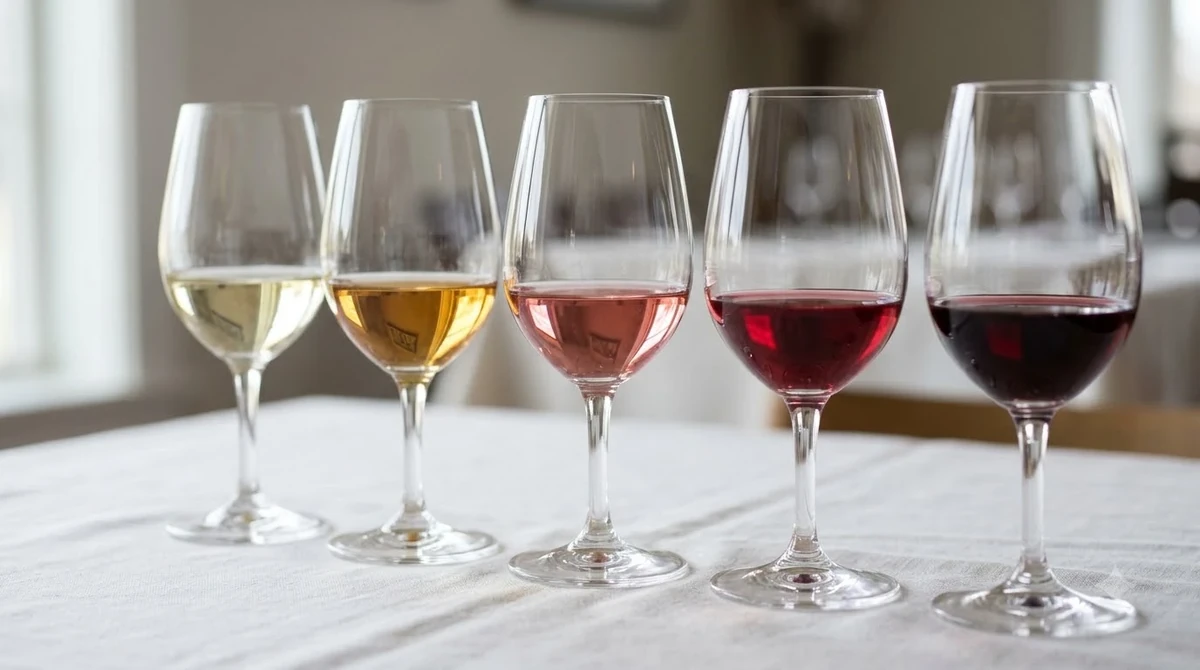
Buyers who prefer fuller reds can consider Cabernet Sauvignon, Merlot, or red blends. Those who enjoy refreshing whites can compare Sauvignon Blanc and Pinot Grigio. Chardonnay offers a different white wine profile, while Riesling can be suitable for drinkers who prefer fruitier or sweeter expressions.
-
Compare standard and specialty selections.
Bota Box has several named collections, including its standard offerings, Breeze, and Nighthawk selections. These categories give shoppers more choices than simply selecting between red and white wine. Look at the grape, wine description, and alcohol content rather than assuming every product in a collection tastes the same.
-
Check package availability at more than one retailer.
Retail assortments differ by location. One store may carry a 3-liter Cabernet Sauvignon and Pinot Grigio selection, while another may have a wider assortment of smaller 500 ml packages. Compare the actual package size and variety before treating two listings as equivalent.
-
Calculate the cost per serving.
Use the listed package volume and retail price to determine the approximate cost of a 5-ounce glass. Include local taxes when estimating your final checkout expense. This comparison is particularly useful when a Mini looks inexpensive beside a standard box but contains substantially less wine.
-
Consider how long the package will remain open.
The manufacturer says its packaging keeps wine fresh for up to one month after opening. That extended storage window can be useful for people who pour wine occasionally rather than finishing several glasses in one evening. Follow the manufacturer’s storage guidance and refrigerate opened wine appropriately.
-
Match the purchase to your intended occasions.
A large box may be suitable for routine dinners, family gatherings, or casual entertaining. A smaller Mini is easier to carry to a picnic or take along for a short trip. If the wine is intended as a formal gift, consider whether boxed packaging suits the occasion.
This process makes the purchase more predictable because it connects the amount spent with the amount of wine actually consumed. It also reduces the chance of choosing a wine solely because it appears inexpensive on the shelf.
Types or Styles Explained: What You Can Buy From Bota Box
Bota Box offers several familiar grape varieties and blends, giving shoppers a choice between lighter whites, fuller whites, reds, and rosé. The standard range is useful for straightforward everyday drinking, while collections such as Breeze and Nighthawk provide additional style choices. Availability varies between retailers, particularly for specialty selections and smaller packages.
Cabernet Sauvignon
Cabernet Sauvignon is a useful starting point for drinkers who enjoy structured red wine with noticeable tannins. Its typical flavor profile includes dark fruit characteristics, and it works well with beef, grilled meats, and hearty dishes. Cabernet is generally more tannic than Merlot or Pinot Noir, so it is a stronger choice for someone who prefers a firm red wine rather than a particularly light style.
Those interested in this grape can explore bota box cabernet for a closer look at the variety. Serving Cabernet at approximately 60 to 65 degrees Fahrenheit can help show its structure without making it excessively warm. For a casual dinner, consider pairing it with hamburgers, roast beef, or tomato-based meat dishes.
Pinot Grigio
Pinot Grigio is a popular option for people who prefer white wine with refreshing acidity and a lighter overall character. It can accompany seafood, salads, grilled chicken, and lighter pasta dishes. Its generally crisp profile makes it a practical choice for warm-weather meals and casual gatherings.
Bota Box Pinot Grigio is available in both standard and smaller package formats through some retailers. A 3-liter box suits households that regularly drink white wine, while a 500 ml Mini is useful for a smaller occasion. For more information about the variety, see our bota box pinot grigio coverage.
Sauvignon Blanc
Sauvignon Blanc generally has high acidity, making it a good match for dishes that need a crisp wine alongside them. Seafood, goat cheese, fresh herbs, and salads are useful pairing options. It is also a practical choice for people who enjoy white wines with a refreshing, lively character rather than a softer, rounder style.
Compare the standard Sauvignon Blanc with the Breeze selection when both are available. The collection name alone should not determine your choice; the actual wine description and preferred flavor profile are more useful. Serve light whites around 45 to 50 degrees Fahrenheit for a refreshing experience.
Chardonnay and Riesling
Chardonnay provides an alternative for drinkers who prefer a broader white wine style. Depending on the winemaking approach, Chardonnay can show apple, citrus, stone fruit, and richer creamy or buttery characteristics. It is commonly served with roast chicken, seafood, creamy pasta, and dishes with moderate richness.
Riesling is another option for buyers who prefer fruit-forward white wine. It can range from dry to sweet, so the specific style matters when selecting food pairings. The wine should be at least as sweet as the dessert when served alongside something sugary. A sweeter Riesling can also work well with spicy dishes, provided its sweetness and acidity balance the heat.
Red blends, Merlot, and Pinot Noir
Bota Box’s selection also includes RedVolution and other red blends. A blend can be appealing to shoppers who do not have a strong preference for one specific grape. Red blends are especially useful for informal meals and gatherings where a flexible food-pairing option is desirable.
Merlot typically has medium tannin and a softer impression than Cabernet Sauvignon. Pinot Noir generally has lower-to-medium tannin and higher acidity, making it a useful option for people who prefer lighter reds. Serve lighter Pinot Noir at approximately 55 to 60 degrees Fahrenheit and consider pairing it with roast chicken, mushrooms, or salmon.
Rosé and specialty Nighthawk wines provide additional choices. Rosé is useful for casual meals, outdoor gatherings, and lighter foods, while the Nighthawk collection includes options such as Cabernet, Malbec, and Pinot Noir. These variations make it possible to choose a wine based on flavor preference rather than package size alone.
Common Mistakes When Comparing Bota Box Wine Prices
The most common purchasing mistake is treating the cheapest package as the best value. A small box may have a lower checkout cost but contain considerably less wine, while a larger package may not be appropriate for someone who rarely drinks. Comparing volume, serving count, and personal consumption habits provides a much more useful evaluation.
Another mistake is assuming every Bota Box wine has the same flavor or quality characteristics. Cabernet Sauvignon, Pinot Grigio, Chardonnay, and Riesling are different wine styles, with different acidity, tannin, body, and food-pairing characteristics. A buyer who dislikes tannic reds is unlikely to enjoy Cabernet simply because it comes in the same convenient packaging as a preferred white wine.
Shoppers should also avoid assuming that a 3-liter box is automatically a better purchase than four individual bottles. Although both formats contain the same volume, the packaging, storage experience, presentation, and purchasing flexibility are different. Individual bottles allow a household to open different wines on different occasions, while a box offers one larger quantity of a selected wine.
Price comparisons can also become misleading when retailers display temporary regional prices or promotions. A listed amount may apply only to a particular store, pickup location, or inventory situation. The shelf price in one state may not match the price in another because alcohol taxes, distribution arrangements, and retailer policies differ.
Another frequent misunderstanding involves serving quantities. The manufacturer describes a 500 ml Bota Mini as approximately three glasses, but the actual number depends on pour size. A generous 6-ounce pour produces fewer servings than a controlled 5-ounce pour. Similarly, a 3-liter package provides approximately 20 standard servings when using 5-ounce portions.
Buyers sometimes overlook the difference between standard Bota Box wines and specialty collections. Nighthawk and Breeze labels should be compared according to the particular grape and wine description rather than assumed to be interchangeable. A buyer who wants a familiar Sauvignon Blanc should focus on that wine’s characteristics instead of choosing a product only because its packaging looks similar.
Finally, storage expectations matter. Although the manufacturer describes its packaging as protecting wine for up to one month after opening, this should not be interpreted as a reason to ignore storage conditions. Keeping the package appropriately refrigerated when necessary and following its dispensing instructions helps maintain wine quality.
Care and Storage Tips for Getting More Value From a Box
Proper storage helps buyers make practical use of the larger package. Unlike a conventional bottle, which needs to be opened and resealed after each serving, a bag-in-box system dispenses wine through a tap. This design reduces repeated exposure to air and makes the package convenient for households that pour one or two glasses at a time.
Bota Box says its box and spout are designed to protect the wine from light and air and keep it fresh for up to one month after opening. That is an important practical advantage for people who do not finish a 3-liter package quickly. However, the one-month statement is the manufacturer’s storage claim rather than a guarantee that every wine will maintain identical characteristics under all conditions.
Refrigerate opened white and rosé wines, and consider refrigerating red wine after opening as well. Cooler storage helps slow changes in the wine. If serving a red directly from the refrigerator, allow it to warm slightly before pouring so its aromas and flavors are easier to appreciate.
For serving temperature, light whites and rosé generally work well around 45 to 50 degrees Fahrenheit. Fuller whites such as Chardonnay are usually better around 50 to 55 degrees. Lighter reds, including Pinot Noir, can be served around 55 to 60 degrees, while fuller reds such as Cabernet Sauvignon are generally served around 60 to 65 degrees.
Placement is another practical consideration. Keep the box away from direct sunlight, heaters, and other sources of excessive warmth. The packaging is designed to limit light exposure, but storing it in a consistently cool environment remains sensible. A refrigerator shelf is convenient for many white wines and opened boxes, while unopened wine should be kept in a suitable cool storage location.
Keep the dispensing tap clean and follow the packaging instructions when pouring. Avoid leaving the tap in contact with food, dirty surfaces, or spills. If the package becomes damaged or the tap stops dispensing properly, inspect the packaging rather than continuing to use a potentially compromised container.
It is also useful to record the date when a box is opened, particularly if several varieties are stored at once. This simple habit helps households keep track of consumption and avoid leaving partially used packages forgotten in the refrigerator. A 500 ml Mini may be more economical in practical terms for someone who only wants a few servings occasionally, even if its cost per ounce is higher.
Packaging sustainability is another factor for some shoppers. Bota Box states that its boxes are 100% recyclable and produce 96% less landfill waste compared with glass bottles, based on the manufacturer’s stated comparison. Local recycling acceptance can differ, so buyers should follow their community’s recycling requirements rather than assume every packaging component belongs in the same recycling stream.
Frequently Asked Questions
Does Bota Box wine need to be refrigerated before opening?
Unopened wine does not necessarily need refrigeration, but a consistently cool, dark storage location is preferable to a warm kitchen or sunny counter. White and rosé wines benefit from chilling before serving. Avoid leaving the package in a hot vehicle or near a heat source for extended periods.
Can Bota Box be taken on an airplane?
Wine is subject to airline baggage rules and applicable alcohol transportation regulations. A 500 ml package generally exceeds the usual 100 ml liquid limit for carry-on liquids when departing from airports applying that restriction. Check the airline’s current checked-baggage rules and the regulations at both departure and arrival airports before traveling.
Does Bota Box offer different alcohol levels?
Yes. Alcohol content varies among its wine varieties and collections rather than remaining identical across the entire range. Cabernet Sauvignon, Sauvignon Blanc, Pinot Grigio, and specialty blends can have different alcohol percentages, so comparing the individual product information is useful when selecting a wine.
Can Bota Box wine be used for cooking?
Yes. Suitable Bota Box varieties can be used in recipes that call for wine, including tomato sauces, marinades, braised dishes, and pan sauces. Choose a dry wine for most savory recipes and avoid using a sweet variety unless the recipe specifically benefits from sweetness. Use wine that is still in good condition rather than wine that has developed unpleasant oxidation or other defects.
Is the Bota Box packaging suitable for recycling everywhere?
The manufacturer describes its boxes as 100% recyclable, but actual recycling acceptance depends on local facilities and collection programs. Packaging components may require separation according to local instructions. Check municipal recycling guidance to determine how the carton, internal bag, and dispensing components should be handled.
Bota Box offers a practical range of package sizes and familiar wine styles, with the 3-liter format suited to regular consumption and the 500 ml Mini designed for smaller occasions. The best purchase depends on how much wine you need, which grape varieties you enjoy, and how frequently you expect to pour a glass. Compare local retailer listings using cost per serving, package size, and wine style to find the option that makes the most sense for your household.
More in Wine Brands
 Underwood Wine Price: Compare Bottles, Cans, and Pack SizesUpdated Nov 21, 2026
 Zenato Wine Price: Compare Styles and Choose the Right BottleUpdated Nov 21, 2026
 Zuccardi Wine Price: Compare Bottles and Find the Right RangeUpdated Nov 21, 2026
 Yellow Tail Moscato Review: Taste, Sweetness and Serving TipsUpdated Nov 21, 2026
 Wolf Blass Yellow Label Review: Choose Your Best StyleUpdated Nov 21, 2026
 Wolffer Estate Rose Review: Choose the Right Bottle for Your TableUpdated Nov 21, 2026