

We may earn a commission when you buy through links on this page, at no extra cost to you. Learn more.
This decoy cabernet review finds that Decoy Cabernet Sauvignon is a fruit-forward, approachable California red with dark berry flavors, polished tannins, and enough acidity to complement a range of hearty meals. Made by the Duckhorn wine portfolio, it combines Cabernet Sauvignon with Merlot to create a rounded, relatively accessible interpretation of the variety. It is particularly appealing to drinkers who enjoy blackberry, black cherry, baking spice, and moderate oak influence without seeking an especially austere or demanding Cabernet.
Decoy occupies an interesting position for Cabernet drinkers: it offers recognizable California Cabernet character while emphasizing immediate drinkability. Its blend, flavor profile, and oak treatment make it useful for casual dinners, weekend entertaining, and occasions when a structured red wine is welcome. This guide examines what goes into the bottle, what to expect in the glass, how to serve it, and how to decide whether it matches your preferences.
Who This Cabernet Sauvignon Is For
Decoy Cabernet Sauvignon is best suited to drinkers who want recognizable Cabernet flavors with a smoother, more approachable presentation. Its combination of dark fruit, oak-derived spice, and rounded texture makes it a practical choice for people who enjoy full-flavored red wine without necessarily wanting the firmest tannins available.
The regular California bottling is especially relevant to Cabernet drinkers who appreciate versatility. The producer describes the 2023 wine as a blend of 76% Cabernet Sauvignon and 24% Merlot. That Merlot component contributes to the wine’s rounded character, while Cabernet remains the dominant variety responsible for its dark fruit and recognizable structure.
Decoy also suits people transitioning from softer red wines toward more structured varieties. Someone accustomed to Merlot or a fruit-driven red blend may find its blackberry and cherry flavors familiar, while its Cabernet foundation introduces more noticeable tannin and structure. It can also appeal to experienced Cabernet drinkers looking for a less formal bottle for an ordinary weeknight meal.
However, this is not necessarily the right direction for someone seeking a particularly restrained, earthy, or highly ageworthy Cabernet. Its advertised style emphasizes ripe fruit, smooth texture, and a balanced finish rather than aggressive tannins or pronounced austerity. Drinkers who prefer leaner reds with very subtle oak may also find its fruit and barrel-derived flavors more prominent than they prefer.
The distinction between Decoy’s regular California Cabernet and its more specialized releases matters. The regular bottling is a broad California expression, whereas Decoy Limited Napa Valley Cabernet represents a separate wine with its own grape composition and production specifications. Buyers interested in a specific appellation should distinguish these labels before making a selection.
For a broader look at the producer’s Cabernet options, the Decoy Cabernet overview provides a useful starting point. The key decision is whether an accessible, fruit-centered California style matches the kind of red wine you usually enjoy.
Key Factors to Compare Before Buying
The most useful factors are grape composition, alcohol level, oak treatment, acidity, tannin, and the specific bottling. These details help explain why Decoy tastes the way it does and why different vintages or product lines should not automatically be treated as identical.
The producer’s 2023 California Cabernet Sauvignon listing identifies a blend of 76% Cabernet Sauvignon and 24% Merlot. Its stated alcohol level is 14.1% ABV, and the bottle size is 750 ml. These figures provide a concrete reference for evaluating that particular release rather than assuming every Decoy Cabernet has the same specifications.
| Comparison factor | 2023 California Cabernet | Why it matters |
|---|---|---|
| Cabernet Sauvignon | 76% | Provides the main varietal character and structure. |
| Merlot | 24% | Contributes to the rounded blend profile. |
| Alcohol | 14.1% ABV | Indicates a relatively substantial California red. |
| Bottle volume | 750 ml | Provides approximately five standard 5-ounce pours. |
| Producer flavor profile | Dark cherry, raspberry, blackberry, cola | Identifies the expected fruit and aromatic character. |
| Texture | Silky tannins and creamy texture | Helps describe the wine’s overall mouthfeel. |
Oak is another important consideration. The producer’s technical sheet for the 2021 California Cabernet Sauvignon specifies 18 months of aging in French oak barrels, with 40% new barrels and 60% neutral barrels. That combination offers a useful example of Decoy’s approach to oak, although those exact aging specifications should not be automatically transferred to the 2023 release.
New French oak can contribute notes associated with vanilla, toast, baking spices, and additional aromatic complexity. Neutral barrels have already contributed much of their readily extractable oak character during earlier use, allowing fruit expression to remain more prominent. The balance between the two helps explain how barrel aging can add complexity without making oak the only noticeable feature.
Acidity and tannin also deserve attention. Cabernet Sauvignon generally has relatively high tannin, while Merlot tends to have softer, medium-level tannins. The blend can therefore provide Cabernet structure with a less severe overall impression. Acidity helps keep the dark fruit flavors from feeling entirely heavy or flat.
Independent tasting descriptions add another useful perspective. Wine Enthusiast’s 2023 Decoy Cabernet review identifies black currant, boysenberry, dried flowers, baked plum, blackberry, candied orange, and bittersweet chocolate. It also describes the finish as having grippy tannins, suggesting that the wine retains meaningful structure despite its approachable positioning.
These factors are more informative than relying on the word smooth alone. A wine can have a polished texture and still possess noticeable tannin, particularly when it is made primarily from Cabernet Sauvignon.
Step-by-Step: How to Evaluate Decoy Cabernet
A consistent tasting process makes it easier to understand the wine’s balance and determine whether its characteristics match your preferences. Use the following steps to evaluate the fruit, structure, oak, and finish rather than focusing exclusively on the first impression.
-
Prepare the serving temperature.
Serve Decoy Cabernet Sauvignon at approximately 60–65°F. This is a useful range for full-bodied red wines because it allows fruit aromas, oak notes, and tannin to remain expressive without the wine becoming excessively warm. If the bottle has been stored at room temperature in a warm environment, give it some time in a cooler setting before pouring.
-
Choose an appropriate glass.
A medium-to-large red wine glass with a reasonably wide bowl provides room for the wine’s aromas to collect. A standard Cabernet-style glass is suitable, although specialized glassware is not essential. Leave enough space in the bowl to swirl the wine without spilling it.
-
Examine the color.
Look for a deep red or ruby appearance, potentially with darker purple tones depending on the vintage and bottle age. Cabernet Sauvignon is commonly associated with concentrated color, and the visual impression can provide an introduction to its full-flavored style. Color alone, however, does not establish quality or predict the exact intensity of tannin.
-
Smell before tasting.
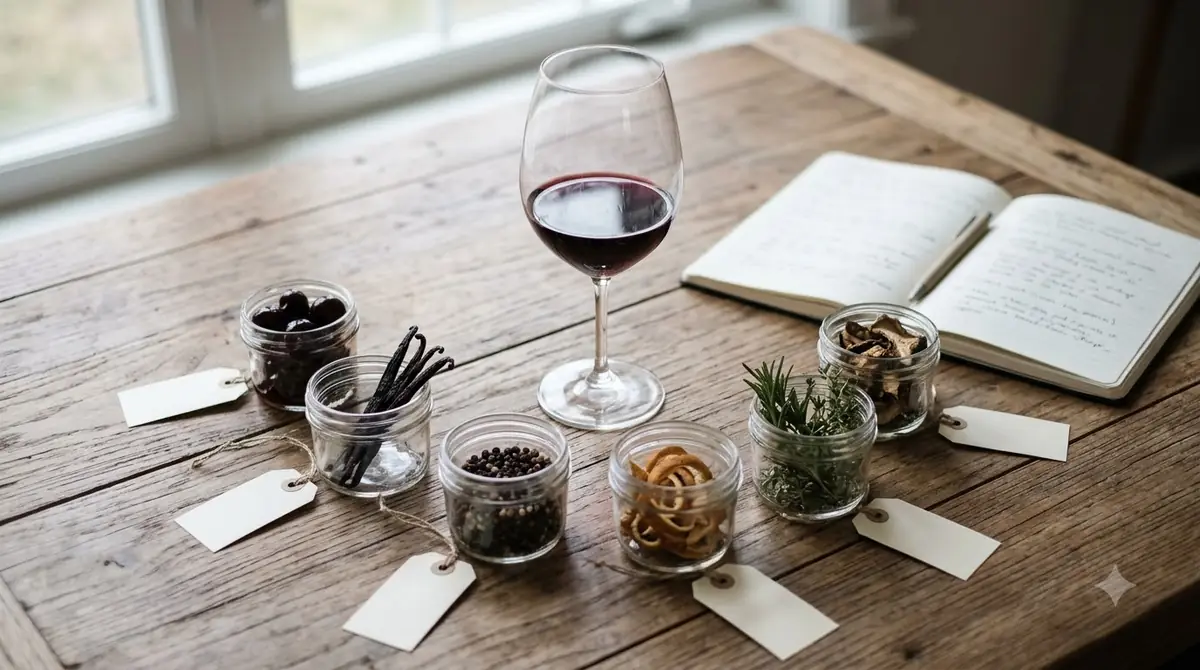
Start with dark fruit aromas such as blackberry, black cherry, and black currant. Then look for secondary impressions of raspberry, baking spice, cola, vanilla, or toasted oak. The producer’s 2023 description specifically emphasizes dark cherry, raspberry, baking spice, and cola, while Wine Enthusiast identifies additional notes of boysenberry and sweet cigar.
-
Assess the first sip.
Notice whether the fruit seems fresh, ripe, or concentrated. Blackberry and plum are useful reference flavors, while cocoa, spice, and oak can add complexity. Pay attention to whether the wine feels medium-full or full-bodied rather than assuming that its fruit-forward character means it lacks structure.
-
Evaluate tannin and acidity.
Tannins create a drying or slightly gripping sensation, particularly around the gums and inside of the cheeks. Acidity creates a fresher impression and helps balance ripe fruit. Decoy’s polished texture should not be confused with the absence of tannin; independent tasting descriptions identify noticeable grip in at least one recent release.
-
Consider the finish.
After swallowing, notice how long the dark fruit, spice, and oak impressions remain. A balanced finish should feel integrated rather than dominated by one isolated sensation. Consider whether the wine remains enjoyable as it gradually opens in the glass.
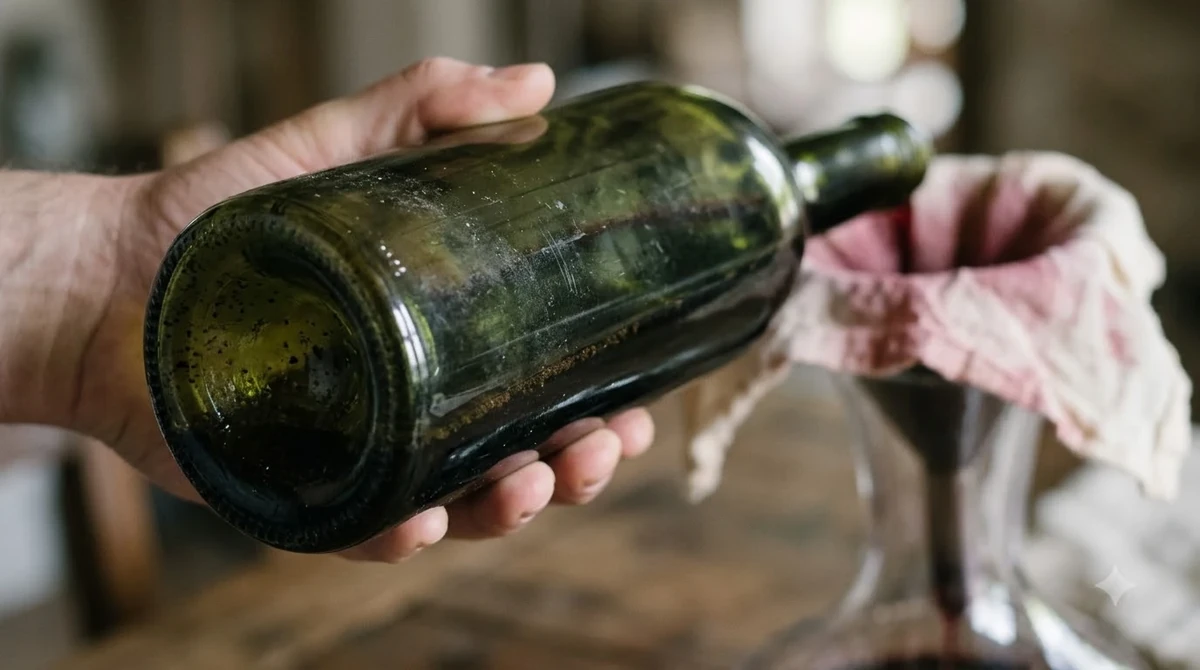
Allowing a bottle a little time to breathe can also help. A young, full-bodied Cabernet may benefit from approximately 30–60 minutes of decanting, especially when its initial aromas seem restrained or its tannins feel particularly firm. Decanting is optional rather than a requirement, and a short period in the glass may be sufficient for a more approachable release.
Tip: Taste the wine once immediately after pouring and again after 15–20 minutes in the glass. Comparing the two impressions can help reveal changes in its fruit aromas, oak character, and tannin without requiring a long decanting period.
Decoy Cabernet Styles and Flavor Differences
Decoy’s Cabernet range includes distinct bottlings, so understanding the label is important before comparing wines. The regular California Cabernet Sauvignon and Decoy Limited releases have different regional identities, blends, and production specifications.
The regular California Cabernet Sauvignon is the central reference point for this guide. Its 2023 composition is 76% Cabernet Sauvignon and 24% Merlot. The producer describes dark cherry, raspberry, baking spice, cola, juicy blackberry, silky tannins, and bright acidity. The resulting profile emphasizes fruit and approachability while retaining the familiar structure of Cabernet Sauvignon.
Older technical information illustrates why vintage-specific comparisons matter. The producer’s 2021 California Cabernet Sauvignon sheet lists 90% Cabernet Sauvignon and 10% Merlot, compared with the 2023 composition of 76% Cabernet Sauvignon and 24% Merlot. The 2021 wine also lists 13.9% ABV, whereas the 2023 product listing specifies 14.1% ABV.
Neither blend should be treated as a permanent formula. Different harvest conditions, vineyard sourcing, and winemaking decisions can influence the proportions and resulting style. This is why comparing a particular vintage is more useful than assuming that every bottle bearing the Decoy name will taste identical.
Regular California Cabernet Sauvignon
This bottling is the appropriate reference when someone simply asks about Decoy Cabernet Sauvignon. It combines fruit-centered aromas with a polished texture and enough structure to work alongside substantial food. Its California designation also distinguishes it from wines carrying narrower regional appellations.
Decoy Limited Napa Valley Cabernet Sauvignon
Decoy Limited Napa Valley Cabernet Sauvignon is a separate product with a different blend and oak program. The producer’s 2023 technical sheet specifies 88% Cabernet Sauvignon, 7% Merlot, 3% Petit Verdot, and 2% Cabernet Franc. It also lists 24 months of French oak aging, including 40% new oak, and an alcohol level of 14.5% ABV.
The additional varieties and longer stated aging period make it a different comparison from the regular California bottling. Its Napa Valley designation is another important distinction. Someone specifically seeking Napa Cabernet should not assume that the standard California label represents the same regional sourcing.
Decoy Limited Alexander Valley Cabernet Sauvignon
The Alexander Valley release is another distinct option within the Limited range. The producer’s 2023 technical sheet lists 94% Cabernet Sauvignon and 6% Merlot, with 15 months of aging in French oak barrels. It identifies Alexander Valley as the appellation and lists an alcohol level of 13.9% ABV.
These differences matter because the name Decoy identifies a broader family of wines rather than one unchanging Cabernet formula. The Limited Napa Valley, Limited Alexander Valley, and regular California bottlings should be compared as separate wines.
Common Mistakes When Choosing and Serving Decoy
The most common mistakes involve confusing different Decoy labels, expecting Cabernet Sauvignon to taste sweet because its fruit is ripe, and serving the wine too warm. Understanding the relationship between fruit, tannin, acidity, and oak helps set realistic expectations.
Confusing fruit intensity with sweetness: Blackberry, plum, raspberry, and black cherry can create a generous impression without making the wine sweet. Cabernet Sauvignon is generally made as a dry red wine. Ripe fruit flavors describe its aroma and taste rather than necessarily indicating substantial residual sugar.
Assuming every vintage has the same blend: The difference between the 2021 and 2023 California technical specifications illustrates this problem. The earlier release lists 90% Cabernet Sauvignon and 10% Merlot, while the later release lists 76% Cabernet Sauvignon and 24% Merlot. These are meaningful differences, not interchangeable production details.
Expecting Napa Valley characteristics from every bottle: The regular California Cabernet is not identical to Decoy Limited Napa Valley Cabernet. The latter carries a specific regional designation and a distinct grape blend. Buyers who specifically want Napa Valley fruit should distinguish the appellation rather than relying on the brand name alone.
Serving the wine too warm: Full-bodied reds are often served too close to warm indoor temperatures. Excessive warmth can make alcohol seem more prominent and reduce the impression of freshness. A target of 60–65°F provides a more useful starting point.
Pairing it with excessively delicate dishes: Cabernet Sauvignon has more tannin than many lighter reds. A delicate white fish preparation or subtle vegetable dish may be overwhelmed by its structure. Hearty dishes with protein, fat, and savory flavors usually offer a better match.
Using too much oak as the only quality indicator: New barrels can add complexity, but a higher percentage of new oak does not automatically mean a better wine. Fruit concentration, acidity, tannin integration, and the finish all contribute to the overall result. The regular Decoy Cabernet is intended to offer a balanced combination rather than an exclusively oak-driven experience.
Another frequent misconception is that a bottle must be decanted for several hours to be enjoyable. Young Cabernet can benefit from aeration, but a 30–60-minute window is a sensible starting point. If the wine already seems open and balanced after pouring, extended decanting is unnecessary.
For comparison, drinkers considering other California Cabernet labels can also explore Caymus Cabernet and Austin Hope Cabernet. Comparing the wines by fruit intensity, tannin, oak, and overall structure is more useful than assuming that all California Cabernet Sauvignon tastes alike.
Food Pairings, Serving Temperature, and Storage Tips
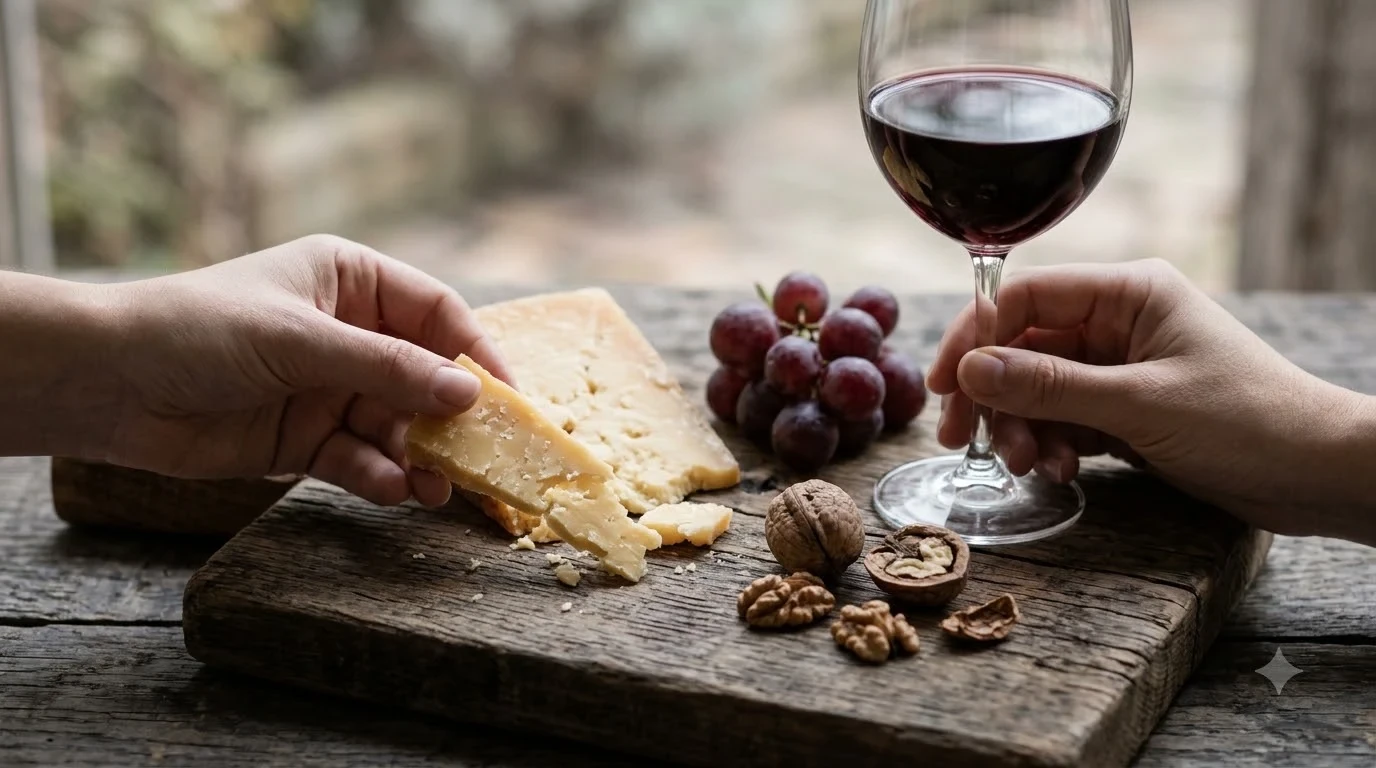
Decoy Cabernet Sauvignon works particularly well with savory dishes that can stand up to its dark fruit and tannin. Beef, lamb, grilled mushrooms, and aged cheese are natural choices because their richness helps balance the wine’s structure.
Grilled steak is one of the most straightforward pairings. The protein and fat in beef soften the perception of tannin, while the browned exterior and savory seasoning complement the wine’s blackberry, cherry, and baking spice character. Ribeye, strip steak, and grilled sirloin are all suitable options.
Roast beef is another strong choice, particularly when served with roasted potatoes or mushrooms. The combination of savory flavors and fat helps create a balanced experience. Lamb chops also work well, especially with rosemary, black pepper, garlic, and other earthy seasonings.
For a meat-free dinner, consider grilled portobello mushrooms, roasted eggplant, or lentil dishes with herbs and black pepper. Their savory flavors provide a substantial foundation for Cabernet. Aged cheddar and Gouda can also work because their concentrated flavors and fat complement the wine’s tannins.
Food preparation matters as much as the main ingredient. A grilled steak with a rich sauce is likely to work better than a very acidic tomato-based preparation. Highly acidic foods can make a wine seem flatter if the food has substantially more acidity than the wine. Keeping acidity reasonably balanced improves the pairing.
Spicy dishes require some caution. Chili heat can seem more intense alongside alcoholic and tannic wines. A heavily spiced curry or extremely hot barbecue sauce may therefore be less comfortable than a moderately seasoned grilled dish. Pepper, rosemary, thyme, and garlic are generally easier seasoning choices.
Oily fish is another pairing to approach carefully. Tannic red wine can clash with oily fish, so Cabernet is not the most versatile option for salmon or other rich fish preparations. A lighter red with lower tannin or a suitably acidic white is often a better choice.
Serving and Storage Reference
For the best overall presentation, keep the bottle at an appropriate temperature and use a clean glass with enough space for swirling. The following figures provide practical guidelines for enjoying and storing the wine.
| Serving or storage detail | Recommended guideline | Practical purpose |
|---|---|---|
| Serving temperature | 60–65°F | Preserves balance between fruit, tannin, and alcohol. |
| Standard pour | 5 oz | Allows room for aroma and swirling. |
| 750 ml bottle | About 5 glasses | Useful for dinner planning. |
| Optional decanting | 30–60 minutes | Helps young, full-bodied reds open. |
| Storage temperature | Near 55°F | Helps maintain consistent bottle conditions. |
| Bottle position | On its side | Keeps a natural cork in contact with wine. |
| Opened bottle | Refrigerate for 3–5 days | Slows oxidation and preserves remaining wine. |
Store unopened bottles in a cool, dark location with minimal temperature fluctuation. A temperature near 55°F is a useful target for longer-term wine storage. Avoid keeping Cabernet in direct sunlight, next to an oven, or in a location that experiences repeated heating and cooling.
For bottles sealed with natural cork, horizontal storage helps maintain contact between the wine and the cork. This reduces the likelihood of the cork drying out during extended storage. Consistent conditions matter more than constantly moving the bottle between different storage locations.
After opening, reseal the bottle and place it in the refrigerator. Even red wine benefits from cooler storage once exposed to oxygen. When ready to serve again, allow the wine to move closer to its preferred serving temperature before pouring.
Decoy’s approachable positioning makes it suitable for enjoying without automatically committing to extended cellaring. Although some Cabernet Sauvignon wines can develop additional complexity over time, the producer specifically presents its regular Cabernet as a wine intended to be ready upon release. For most buyers, enjoying it within a reasonable period after purchase is a practical approach.
Additional wine education and producer comparisons are available through our Wine Brands section, which can help readers understand how different producers position their Cabernet Sauvignon and other varieties.
Frequently Asked Questions
Is Decoy Cabernet Sauvignon suitable for beginners?
Yes, its fruit-forward character and rounded texture make it a reasonable introduction to California Cabernet Sauvignon. The blend includes Merlot, which can contribute to a softer overall impression than some Cabernet-dominant wines. Beginners can use it to become familiar with the relationship between dark fruit, oak, acidity, and tannin.
Does Decoy Cabernet Sauvignon contain sulfites?
Wine naturally contains sulfites produced during fermentation, and additional sulfites may be used during winemaking to help protect wine from oxidation and microbial spoilage. Sulfite labeling requirements in the United States generally require a declaration when total sulfites reach 10 parts per million or more. The precise sulfite concentration of an individual Decoy bottle is not established by the general product description.
Can Decoy Cabernet Sauvignon be used for cooking?
Yes. A dry Cabernet Sauvignon can be used in beef braises, red wine reductions, and mushroom sauces. Its dark fruit and oak character can contribute depth to savory dishes, although the wine should not be reduced excessively because concentrated tannin and alcohol can become more prominent. Use a wine whose flavor you would also enjoy drinking.
Does Decoy produce Cabernet Sauvignon in larger bottle formats?
The regular product listing identifies a 750 ml bottle, but larger formats can differ in availability across releases and retailers. A magnum contains 1.5 liters, equivalent to two standard 750 ml bottles. Larger bottles also generally mature more slowly than standard bottles under comparable storage conditions.
What is the difference between California Cabernet and an American Viticultural Area designation?
An American Viticultural Area, or AVA, identifies a defined grape-growing region with recognized geographic boundaries. California is a much broader geographic designation than Napa Valley or Alexander Valley. A bottle labeled with a specific AVA therefore communicates a more narrowly defined regional origin than one carrying only a California designation.
Decoy Cabernet Sauvignon is a compelling option for drinkers who appreciate dark fruit, polished tannins, and an accessible California style. Its blend and production details can vary between releases, so comparing the specific bottling is important when choosing between the regular California Cabernet and Decoy Limited wines. Serve it slightly cool alongside steak, roast beef, or savory mushroom dishes for a balanced and satisfying pairing.
More in Wine Brands
 Underwood Wine Price: Compare Bottles, Cans, and Pack SizesUpdated Nov 21, 2026
 Zenato Wine Price: Compare Styles and Choose the Right BottleUpdated Nov 21, 2026
 Zuccardi Wine Price: Compare Bottles and Find the Right RangeUpdated Nov 21, 2026
 Yellow Tail Moscato Review: Taste, Sweetness and Serving TipsUpdated Nov 21, 2026
 Wolf Blass Yellow Label Review: Choose Your Best StyleUpdated Nov 21, 2026
 Wolffer Estate Rose Review: Choose the Right Bottle for Your TableUpdated Nov 21, 2026