

We may earn a commission when you buy through links on this page, at no extra cost to you. Learn more.
The typical aldi wine price ranges from about $4 to $15 per 750 ml bottle, depending on the brand, wine style, and selection. Winking Owl is generally the entry-level option, while Specially Selected offers wines from recognized regions such as Napa Valley, Marlborough, and Côtes de Provence. Larger formats, sparkling wines, and seasonal releases can have different price points, so comparing bottle size, grape variety, and origin helps identify the best value.
ALDI has developed a reputation for affordable groceries, and its wine department follows the same value-oriented approach. Shoppers can find approachable everyday bottles alongside regional wines, sparkling selections, rosé, and seasonal releases. However, not every inexpensive bottle offers the same drinking experience, and a higher shelf price does not automatically mean a better match for dinner. This guide explains typical US retail price ranges, the differences between ALDI’s wine labels, and how to choose a bottle that suits your preferences without overspending.
Who Should Shop for Aldi Wine?
ALDI wine is particularly appealing to shoppers who want an affordable bottle for casual dinners, small gatherings, and everyday drinking. Its selection ranges from inexpensive California wines to bottles associated with established European and South American wine regions, giving shoppers several levels of choice without requiring a specialist wine-store visit.
Budget-conscious shoppers are the most obvious audience. Winking Owl is an accessible starting point for people who want familiar varieties such as Cabernet Sauvignon, Merlot, Pinot Grigio, and Moscato. The brand is sold exclusively through ALDI, and Food Republic identifies E. & J. Gallo Winery as its producer based on Alcohol and Tobacco Tax and Trade Bureau documentation. That production connection provides useful background, although it does not mean every Winking Owl bottle tastes like another Gallo-branded wine.
ALDI can also suit shoppers who want to explore different wine-growing regions without immediately moving into expensive specialty-store territory. Specially Selected has included wines from Argentina’s Uco Valley, Italy’s Alto Adige, France’s Côtes de Provence, and New Zealand’s Marlborough region. These origins offer a broader starting point than a selection limited entirely to generic domestic blends.
There are also shoppers who may find the selection limiting. Someone searching for a specific vintage, a rare producer, an older collectible bottle, or a particular appellation may need to visit a dedicated wine retailer. ALDI’s assortment is curated for mainstream shopping rather than an exhaustive collection of regional producers.
Consider these common shopping situations:
- Casual weekday meals: Winking Owl offers familiar styles for pizza, pasta, burgers, and uncomplicated dinners.
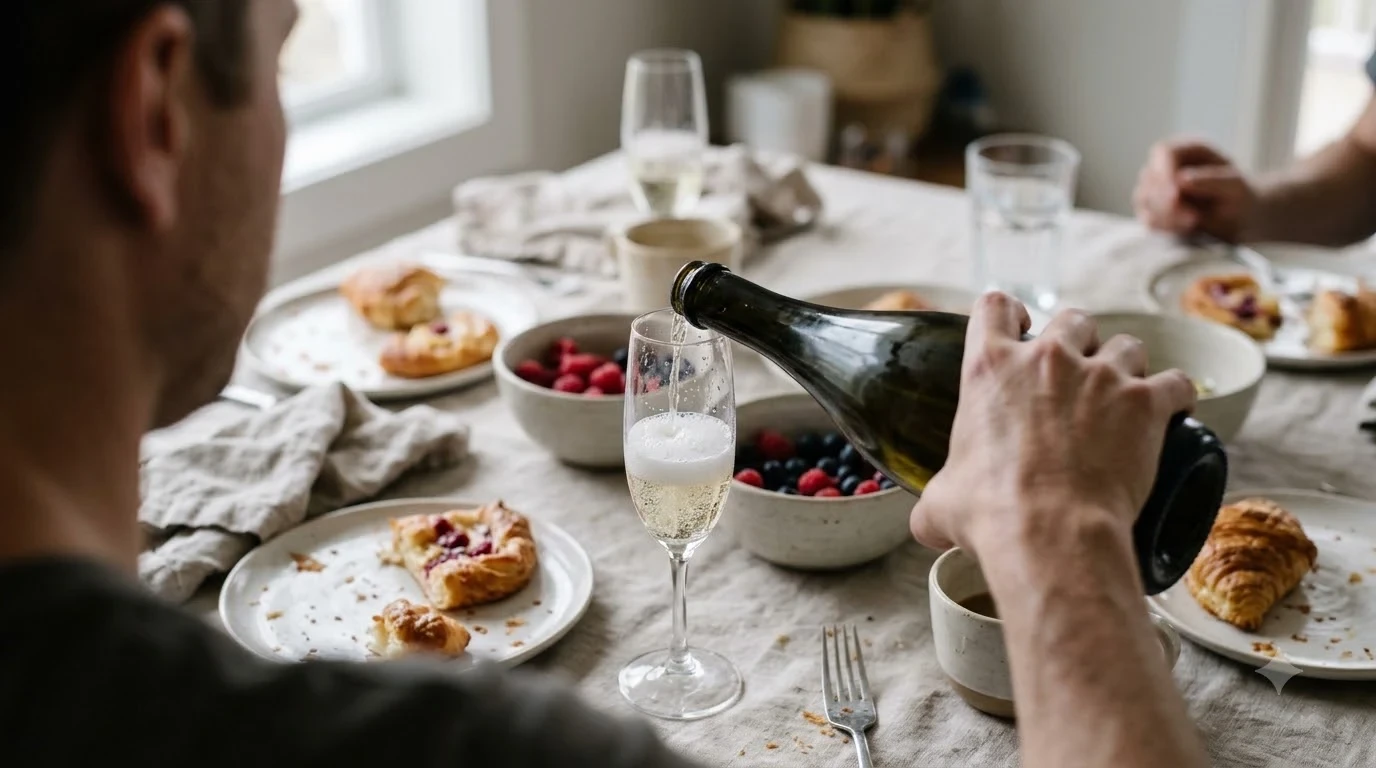
- Small celebrations: Sparkling wines and rosé provide alternatives to ordinary still wines.
- Regional wine exploration: Specially Selected offers opportunities to explore grapes and origins such as Malbec from Argentina and Sauvignon Blanc from New Zealand.
- Large gatherings: Larger-format bottles can be useful when several guests are sharing wine.
- Specific collector interests: A specialist retailer is usually more suitable for precise producer, vintage, or cellar-ageing requirements.
For a broader overview of the retailer’s wine assortment, see this guide to aldi wine. It provides additional context for understanding the brands and styles shoppers may encounter.
Key Factors to Compare Before Paying
The most useful comparison involves more than the shelf price. Bottle size, wine category, grape variety, regional origin, and intended occasion all affect whether an ALDI bottle represents good value.
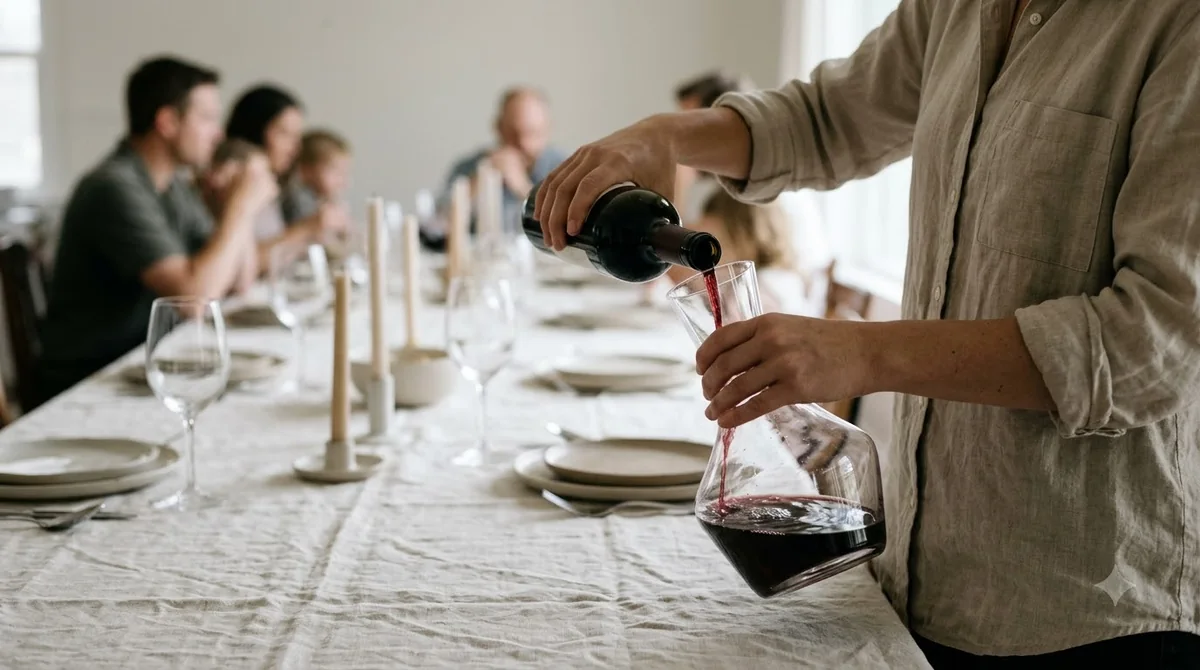
Start with bottle size. A standard 750 ml bottle provides approximately five 5-ounce servings, making it a useful reference point when comparing everyday purchases. A larger 1.5-liter bottle contains twice that amount, while a 3-liter format holds four standard bottles. A larger container may have a higher total cost but a lower cost per milliliter.
Next, consider the brand tier. Winking Owl is positioned toward the budget end of the assortment. Other labels, including Specially Selected, offer regional styles and a different purchasing proposition. A shopper comparing these products should consider whether the additional cost provides a meaningful difference in origin, grape variety, or intended drinking experience.
The following table provides a practical comparison of representative price categories. The ranges are approximate US retail guideposts, not guaranteed national shelf prices. Winking Owl’s range is based on the $4.39 bottle price reported by ALDI and Food Republic, while the Specially Selected range reflects the launch pricing reported by the Specialty Food Association. Prices vary by state and retailer.
| Wine category | Typical bottle size | Approximate US price range | Shopping consideration |
|---|---|---|---|
| Winking Owl everyday wine | 750 ml | About $4 to $6 | Entry-level familiar varieties |
| Winking Owl larger format | 3 liters | About $14 to $17 | More wine for group occasions |
| Specially Selected regional wines | 750 ml | About $8 to $15 | Regional origins and grape variety |
| Other specialty and sparkling selections | 750 ml | About $7 to $15 | Availability and style vary |
The Winking Owl larger-format estimate is based on retail listings for 3-liter bottles, while the Specially Selected range reflects the launch lineup rather than a promise that every current store carries those wines. The broader specialty category is a shopping estimate informed by ALDI’s published assortment and historical regional-wine pricing. Prices vary by state and retailer, and local availability can differ considerably.
It is also useful to compare the grape rather than relying on the label alone. Cabernet Sauvignon typically has higher tannin, while Merlot tends to have softer, medium tannins. Pinot Noir generally has lower-to-medium tannin and higher acidity. Among whites, Sauvignon Blanc is usually more acidic than Chardonnay, while Moscato generally offers a sweeter profile.
These differences affect how a wine works with food. A Cabernet Sauvignon may be a natural match for grilled beef, while a Sauvignon Blanc can complement salads, seafood, and dishes with citrus-based sauces. If two bottles have similar prices, the one that better suits the meal may offer greater practical value.
Step-by-Step: How to Compare Aldi Wine Prices
A straightforward shopping process makes it easier to identify an appropriate bottle without getting distracted by packaging or a particularly low shelf price. Use these five steps to compare products consistently.
-
Choose the occasion first.
Decide whether the wine is intended for a weekday dinner, a party, a gift, or a special meal. A casual pasta dinner may call for an approachable Merlot, whereas a celebration may justify looking at a sparkling wine or a more distinctive regional selection.
-
Choose the wine style.
Determine whether you want red, white, rosé, sparkling, or sweet wine. This prevents comparisons between bottles that serve different purposes. For example, a dry Sauvignon Blanc and a sweet Moscato should not be treated as interchangeable simply because both are white wines.
-
Compare bottle sizes.
Look at the milliliter or liter measurement. A 750 ml bottle gives approximately five standard 5-ounce pours, while a 1.5-liter bottle provides about ten. A 3-liter bottle provides approximately twenty, assuming consistent serving sizes and minimal spillage.
-
Compare the grape and origin.
Check whether the wine is Cabernet Sauvignon, Merlot, Pinot Grigio, Malbec, or another variety. Also consider whether a named origin such as Marlborough, Napa Valley, or Uco Valley is important to your purchase. These details help explain why two bottles may sit at different price levels.
-
Calculate the value per serving.
Divide the bottle’s price by the number of standard servings. For a hypothetical bottle costing $10, five 5-ounce servings would mean a cost of $2 per serving. This simple calculation makes it easier to compare different bottle sizes and avoid assuming that the lowest total shelf price is always the best value.
After these steps, consider whether the wine matches the people who will drink it. A group that prefers fruit-forward, slightly sweet wine may not enjoy a dry, tannic red, even if that red costs more. Buying according to taste preferences is generally more useful than choosing a bottle solely because it belongs to a higher-priced range.
Tip: Compare the cost per 750 ml equivalent when shopping for larger bottles. Divide the total volume by 750, then divide the bottle price by that number. This makes a 3-liter bottle directly comparable with four standard bottles.
One final consideration is local availability. ALDI’s official website organizes its alcohol selection into several wine categories, but not every store necessarily carries every item. Alcohol sales and delivery are also subject to applicable state and local laws. Checking the local store’s selection before making a special trip is a sensible way to avoid disappointment.
Types of Aldi Wine and Their Typical Price Differences
ALDI’s wine assortment covers several styles, from simple everyday bottles to regional selections and sparkling options. Understanding what each category offers makes the difference between a useful purchase and a bottle that simply happens to be inexpensive.
Winking Owl: Everyday Red and White Wines
Winking Owl is one of the best-known names associated with ALDI wine. Food Republic describes it as an ALDI-exclusive private-label brand and identifies Cabernet Sauvignon, Merlot, Pinot Grigio, and Moscato among its varieties.
Its appeal is straightforward: familiar grape names, approachable positioning, and accessible pricing. The brand is a practical option for someone who wants a basic bottle for an informal meal rather than a wine intended for a formal tasting or special collection.
Red-wine shoppers can start with Cabernet Sauvignon or Merlot. Cabernet Sauvignon generally provides more noticeable tannin and structure, whereas Merlot is typically softer. For white-wine drinkers, Pinot Grigio offers a generally lighter, refreshing profile, while Moscato is a better choice for people who enjoy sweetness and expressive fruit aromas.
Specially Selected: Regional Wine Options
Specially Selected provides a different proposition. The Specialty Food Association reported a collection featuring wines from established wine-producing regions, including Argentina’s Uco Valley, Italy’s Alto Adige, France’s Côtes de Provence, and New Zealand’s Marlborough.
The regional focus gives shoppers more information about the style they are purchasing. Uco Valley Malbec, for example, offers an introduction to Argentine red wine. Marlborough Sauvignon Blanc is associated with a lively, aromatic white-wine style, while Côtes de Provence is a familiar origin for dry rosé.
The collection’s reported launch pricing ranged from about $8 to $15 per 750 ml bottle, according to the Specialty Food Association. Prices vary by state and retailer, and historical launch prices should not be treated as current guaranteed shelf prices. The association’s report on ALDI’s Specially Selected wine collection identifies the original regional lineup and its launch price points.
Rosé and Sparkling Wines
Rosé is a useful option for shoppers who want something between the usual red and white wine categories in terms of color and typical serving occasions. ALDI’s assortment has included rosé selections such as Côtes de Provence Rosé under Specially Selected.
Sparkling wines provide another option for celebrations and aperitifs. The reported Specially Selected seasonal collection included DOCG Prosecco and sparkling Brut Rosé. Prosecco is generally produced from Glera grapes using the tank method, while Champagne and Cava undergo their second fermentation in the bottle.
Sweetness is another important distinction. Sparkling wine labels use terms such as Brut Nature, Extra Brut, Brut, Extra Dry, Dry, Demi-Sec, and Doux, progressing from very dry to sweet. Extra Dry Prosecco is actually sweeter than Brut, despite what the English wording might suggest.
Seasonal and Specialty Bottles
ALDI’s official alcohol page describes its selection as including seasonal favorites in addition to red, white, rosé, and sparkling wines. That means shoppers may encounter bottles that are not consistently available throughout the year.
Examples in the reported Specially Selected seasonal lineup included Rioja Reserva from Spain, Barossa Valley Shiraz from Australia, and Canadian Icewine. These products offer different flavor profiles and occasions from the basic everyday selections.
For shoppers who enjoy trying unfamiliar varieties, seasonal releases can be a useful opportunity. However, a favorite seasonal bottle should not be assumed to remain available at the next visit. If a particular wine is important for an upcoming gathering, checking stock in advance is preferable to relying on a future restock.
Common Mistakes When Comparing Aldi Wine
The most frequent shopping mistake is assuming that the lowest-priced bottle automatically offers the best value. Price matters, but the grape, sweetness, acidity, bottle size, and food pairing determine whether a wine actually suits the occasion.
One common error is comparing wines from different categories without accounting for their purpose. A sweet Moscato and a dry Cabernet Sauvignon are designed for different preferences. Neither is inherently better simply because one costs more. The same applies to sparkling wine and still wine: their production methods and intended serving occasions are different.
Another mistake is assuming that a higher-priced regional wine must be superior to an everyday label in every situation. A Specially Selected Marlborough Sauvignon Blanc may be more appealing to someone who appreciates aromatic white wines, but someone who wants a simple bottle for an informal gathering may be perfectly satisfied with a less expensive alternative.
Shoppers should also avoid treating brand ownership as a guarantee of identical quality. Food Republic identifies E. & J. Gallo Winery as the producer of Winking Owl, and notes that Gallo has a broad portfolio that includes Barefoot, Apothic Red, Ecco Domani, and Alamos. However, wines under different labels can have different grape sources, blends, production specifications, and intended flavor profiles. For another example of the producer’s retail brands, see this overview of Barefoot wine.
Another frequent error involves ignoring serving temperature. A full-bodied red served excessively warm can seem heavy, while a very cold white wine may have muted aromas. Appropriate temperatures help make a wine more enjoyable without changing its underlying quality.
Use these common-sense guidelines:
- Do not compare a 750 ml bottle with a 3-liter bottle using total price alone.
- Do not assume every ALDI location carries the same wine selection.
- Do not treat a historical promotional or launch price as a guaranteed current price.
- Do not select a dry wine when the guests specifically prefer sweet styles.
- Do not assume that all wines from the same producer taste alike.
- Do not choose a tannic red automatically for seafood or delicate fish dishes.
- Do not assume that a wine’s regional name guarantees a particular flavor profile without considering its grape and production style.
Food pairing deserves particular attention. Wine should generally be at least as sweet as the dessert served alongside it, and acidic dishes usually work best with wines that have equal or higher acidity. Salt and fat can soften the impression of tannin, which helps explain why a structured red may work with a rich beef dish.
Spicy food is another consideration. Alcohol and tannin can intensify the perception of chili heat, so a lower-alcohol, fruit-forward wine may be a more comfortable choice than a powerful red. Oily fish also tends to clash with heavily tannic reds, making a crisp white wine a more dependable starting point.
Wine Storage and Serving Tips for Better Value
Buying an inexpensive bottle does not mean overlooking proper storage and serving. Temperature, light, air exposure, and serving size can all affect the drinking experience, so a few basic practices help make the most of any ALDI wine purchase.
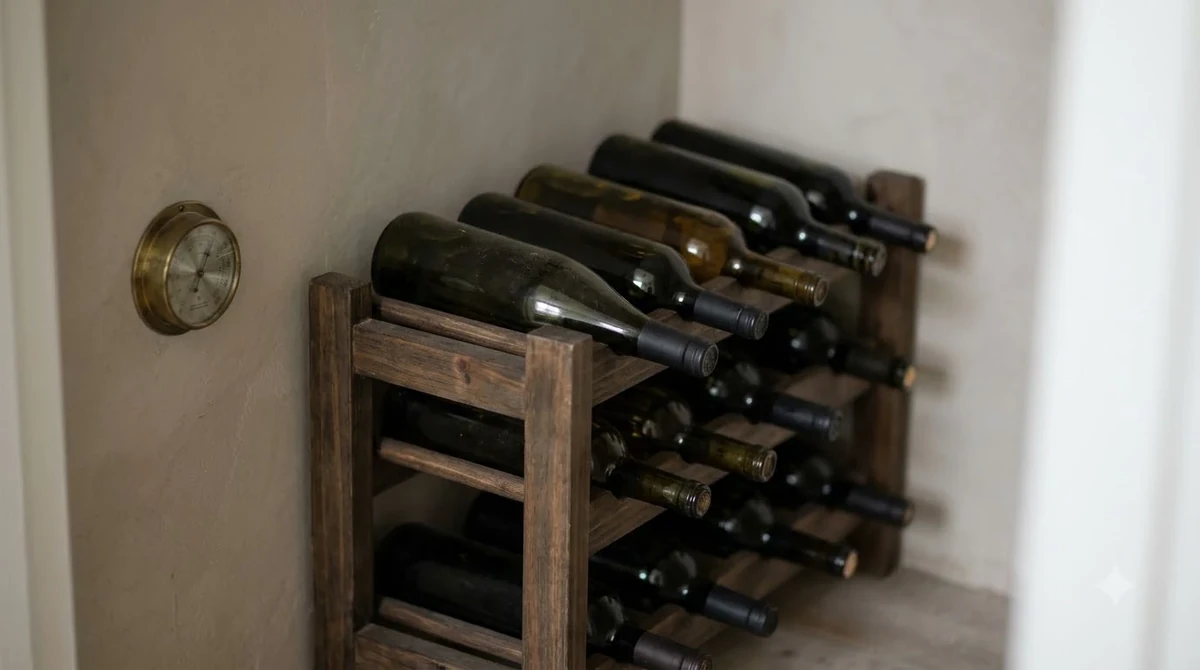
For unopened bottles, a cool, dark storage area near 55°F is a useful target. Bottles with traditional cork closures should generally be stored on their sides to keep the cork from drying out. Avoid placing wine near ovens, radiators, sunny windows, or other areas with repeated temperature changes.
Everyday wines such as Winking Owl are generally intended for relatively early consumption rather than extended cellar ageing. There is little reason to purchase a large quantity of an inexpensive everyday wine for long-term storage unless there is a specific reason to do so. Buying bottles according to expected consumption is often the more practical approach.
Serving Temperatures by Wine Style
Serving temperature has a noticeable effect on aroma and texture. The following ranges are useful starting points for different wine categories.
| Wine style | Recommended serving temperature | Practical guidance |
|---|---|---|
| Sparkling wine | 40–50°F | Serve well chilled |
| Light whites and rosé | 45–50°F | Keep cool but not icy |
| Full-bodied whites | 50–55°F | Allow aromas to develop |
| Light-bodied reds | 55–60°F | Slightly cooler than room temperature |
| Full-bodied reds | 60–65°F | Avoid excessive warmth |
| Sweet whites | 43–50°F | Serve chilled |
For example, a Pinot Grigio is generally more refreshing around 45–50°F, while a full-bodied Cabernet Sauvignon is usually more expressive around 60–65°F. A bottle stored in a warm kitchen may need time in the refrigerator before serving, while an overly cold red can benefit from a short period at a cooler room temperature.
How Long Does Opened Wine Last?
Once opened, wine begins interacting with oxygen. The rate of change depends on the wine style, closure, storage conditions, and how much liquid remains in the bottle.
- Sparkling wine: Approximately 1–3 days when refrigerated with a suitable sparkling-wine stopper.
- Still red and white wine: Approximately 3–5 days when recorked and refrigerated.
- Fortified wine: Several weeks, depending on the style and storage conditions.
- Bag-in-box wine: Approximately 4–6 weeks after opening, following the manufacturer’s storage guidance.
Refrigerating opened red wine is also useful. It slows oxidation, and the bottle can be allowed to warm slightly before pouring. Keeping the remaining wine in a smaller, well-sealed container can further reduce the amount of air inside.
Young, full-bodied reds may benefit from 30–60 minutes of decanting before serving. However, this is not a requirement for every inexpensive bottle. Lighter wines and many everyday selections can be poured directly into a glass.
Serving size is another way to manage a purchase. A standard 750 ml bottle provides approximately five 5-ounce servings. Measuring pours consistently helps shoppers estimate how much wine they need for a dinner or gathering rather than buying more bottles than necessary. Shoppers comparing varieties can also consult this guide to Aldi wine alcohol content to understand how alcohol percentage differs among styles.
Frequently Asked Questions
Does ALDI require shoppers to be a member to purchase wine?
No traditional paid warehouse-club membership is required to shop at ALDI. Wine purchases are subject to local alcohol laws, including minimum-age requirements and identification checks. Individual stores may also have restrictions on payment methods and alcohol transactions.
Can shoppers return an opened bottle of ALDI wine?
Alcohol return rules can differ from ordinary grocery return policies because state and local regulations apply. A damaged, defective, or otherwise problematic bottle should be discussed with the store directly. Keep the receipt and original packaging when requesting assistance.
Does ALDI offer wine delivery in every state?
No. Alcohol delivery depends on state and local regulations, participating stores, and the availability of approved delivery services. Some locations may offer pickup or delivery, while others may only allow in-store purchases or may not sell wine at all.
What does the vintage year on an ALDI wine bottle mean?
The vintage generally identifies the year the grapes were harvested, rather than the year the bottle was purchased. Non-vintage sparkling wines may combine wine from different harvest years to maintain a consistent house style. A vintage date alone does not establish how long a bottle should be aged.
Does an ALDI wine bottle need special equipment to open?
Most traditional cork-finished still wines require a corkscrew, while screw-cap bottles can be opened by hand. Sparkling wine uses a pressure-resistant closure and should be opened carefully with the bottle pointed away from people. A dedicated sparkling-wine stopper can also help preserve carbonation after opening.
ALDI offers several ways to shop for affordable wine, from approachable Winking Owl bottles to regional selections under Specially Selected. The most useful comparison is not simply the shelf price, but the combination of bottle size, grape, origin, and intended occasion. Start with the style you enjoy, compare the local selection, and choose a bottle that delivers the right drinking experience for your budget.
More in Wine Brands
 Underwood Wine Price: Compare Bottles, Cans, and Pack SizesUpdated Nov 21, 2026
 Zenato Wine Price: Compare Styles and Choose the Right BottleUpdated Nov 21, 2026
 Zuccardi Wine Price: Compare Bottles and Find the Right RangeUpdated Nov 21, 2026
 Yellow Tail Moscato Review: Taste, Sweetness and Serving TipsUpdated Nov 21, 2026
 Wolf Blass Yellow Label Review: Choose Your Best StyleUpdated Nov 21, 2026
 Wolffer Estate Rose Review: Choose the Right Bottle for Your TableUpdated Nov 21, 2026