

We may earn a commission when you buy through links on this page, at no extra cost to you. Learn more.
The jancis robinson wine glasses are premium universal wine glasses designed to handle sparkling, white, rosé, red, and fortified wines in one elegant stemmed shape. Created through a collaboration between wine expert Jancis Robinson and designer Richard Brendon, the collection offers a handmade Original and a machine-made Precision version. Both share the same tulip-shaped bowl, while differences in construction, weight, and consistency help buyers choose the version that best suits their needs.
For many wine drinkers, the appeal is straightforward: one carefully shaped glass can replace a cabinet full of grape-specific stemware. The important question is whether its delicate proportions, universal design, and care requirements match the way a household actually drinks and serves wine.
Specs and Key Features
The Jancis Robinson glass is built around a fine-rimmed tulip bowl rather than a broad, open goblet, giving the wine room to release aromas while narrowing the opening. The Original and Precision share the same dimensions, but their production methods create different feels in the hand.
| Specification | Original | Precision |
|---|---|---|
| Construction | Mouth-blown, handmade | Machine-made |
| Material | Lead-free crystal | Lead-free crystal |
| Height | 22.4 cm | 22.4 cm |
| Bowl diameter | 9 cm | 9 cm |
| Designed pour | 125 ml | 125 ml |
| Care | Dishwasher recommended | Dishwasher recommended |
Those figures come from Richard Brendon’s product specifications. The 125 ml measurement is the intended serving volume, not a stated brim-full capacity. That distinction matters: the bowl is designed to leave substantial space above the wine, so the drinker can swirl without spilling and allow aromas to gather. Jancis Robinson’s general glassware advice is to keep the pour below half the bowl’s available volume, rather than filling it like a water tumbler.
Tip: Use the stated 125 ml as a serving guide, not a maximum fill line. Leave sufficient headroom so aromas can collect and the wine can be swirled comfortably.
The Original is mouth-blown by skilled glassmakers, so slight variations between individual pieces are part of its handmade character. The Precision is made by machine to produce a more uniform result from one glass to the next; the maker describes it as having a little more weight. Both versions use lead-free crystal, a clear material that lets the drinker assess a wine’s color as well as its aromas. The shared shape means the choice is less about wine compatibility than about feel, consistency, and how much handmade character the buyer values.
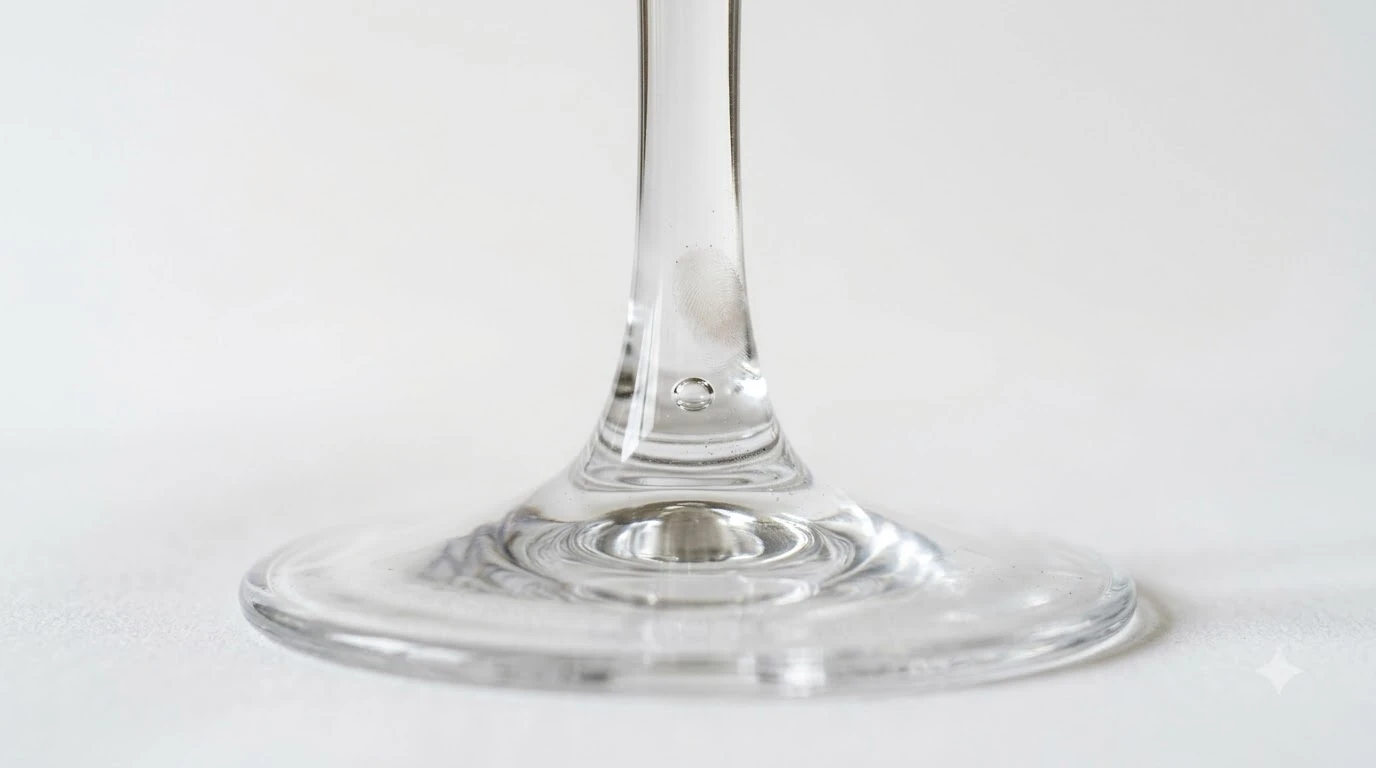
The shape is a classic tulip: a rounded lower bowl narrows toward a fine rim. A stem keeps the hand away from the bowl, helping chilled whites and sparkling wines retain their serving temperature, while the long stem also allows the glass to be swirled without gripping the area that holds the wine. The narrow opening helps gather aromatic detail instead of letting it dissipate as quickly as it can from a wide-mouthed tumbler. Richard Brendon’s Precision product specifications and care instructions provide further details about the two constructions and their shared dimensions.
What Owners Like
The strongest appeal is versatility paired with a genuinely fine drinking edge. Independent reviews have praised the slim rim and controlled bowl shape, while the maker positions both versions for sparkling, still, sweet, and fortified wine. For a home that pours Champagne one evening, Albariño the next, and Cabernet Sauvignon at dinner, the design reduces the need to change glasses with every bottle.
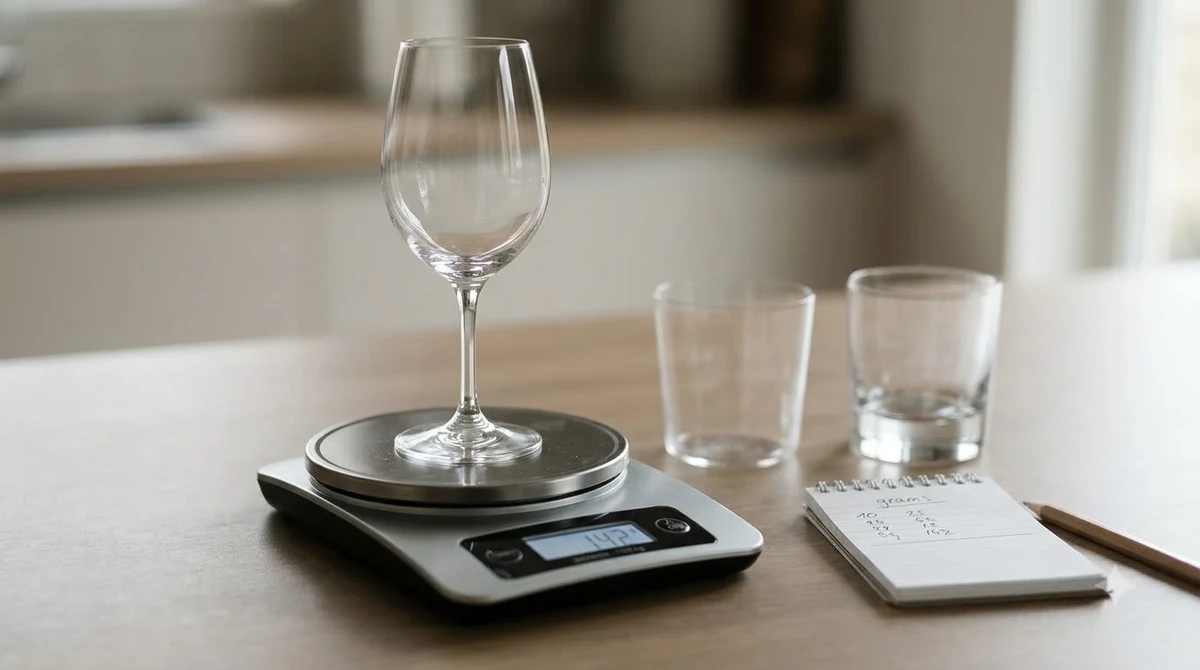
There is also a practical difference between the two versions that helps explain the appeal. The Precision keeps the same bowl geometry as the Original but is machine-made, slightly heavier, and more consistent from piece to piece. The Original is the more rarefied option: it is mouth-blown, especially light, and has the small variations associated with individually made glass. Buyers can select a construction style without having to choose a different bowl for red or white wine.
Editorial tasting coverage gives the shape some useful support beyond the product description. In a comparison of eight all-round wine glasses, Club Oenologique reported that the Jancis Robinson glass gave Martin Codax Albariño from Rías Baixas remarkable length. That is a specific result rather than proof that the glass improves every wine, but it suggests the design can work with a high-acid, aromatic white as well as with reds. The review also stressed that glass shape changes how aromas and palate details are delivered, so a narrow-rimmed bowl is not merely decorative.
Dishwasher compatibility is another welcome feature for a glass this delicate-looking. Richard Brendon recommends the dishwasher rather than unnecessary hand handling, provided the glasses sit on the top rack with enough space that they cannot knock together. The manufacturer also provides instructions for hand washing and polishing, which makes the care routine more deliberate than simply putting every glass in a crowded rack. For a household that wants crystal for regular meals rather than occasional formal dinners, that published care guidance makes the set more usable.
Finally, the appearance is restrained enough to work across different table settings. There is no colored bowl or decorative cut pattern to distract from a wine’s hue, and the clear stemware does not force the buyer into a specific dinnerware style. The 22.4 cm height gives it a formal, elongated profile, while the 9 cm bowl diameter avoids the oversized footprint of some large-format red-wine goblets. It is a specialist-feeling piece that still aims to serve as the everyday default.
Common Complaints
The first reservation is delicacy. The Original’s hand-blown construction and very fine rim feel elegant, but the slim stem and light bowl ask for more care during loading, unloading, drying, and storage than a thick everyday glass. The Independent’s review of the Precision version described its long stem as something that needs careful handling, even though the machine-made glass is slightly heavier than its handmade sibling. Dishwasher-safe should not be confused with knock-proof.
The second reservation is that universal does not mean perfectly optimized for every wine. In Club Oenologique’s comparison, the Jancis Robinson shape helped the Albariño show length, but the reviewers found that straight-sided shapes such as this one could lose some aromatic nuance, especially with dry whites. Their broader findings favored a slightly fuller bowl for pooling and directing aromas. That is a reminder that a glass designed to handle many categories must balance competing priorities; a dedicated Burgundy bowl or a more aromatic white-wine glass may present a particular wine differently.
The third concern is value and expectations. The Original is a hand-made luxury object, while Precision is a more consistent machine-made alternative, but neither is intended to be a low-cost, replace-without-thinking glass. People who host large gatherings, have limited storage, or regularly break stemware may prefer to reserve the Jancis glasses for smaller dinners and use sturdier pieces for casual parties. The collection’s dishwasher guidance helps, but it cannot remove the need to prevent pieces from touching one another or being struck by cookware.
Some buyers may also find the 125 ml designed pour surprisingly small if they expect a very large glass to be filled close to the rim. The design relies on headspace for swirling and aroma concentration, not on serving a large quantity in one pour. A generous bowl can look oversized beside a modest serving, but the glass is meant to frame the wine rather than act as a large beverage tumbler. Drinkers who prefer a full glass and little ceremony may be happier with simpler everyday stemware.
Who Should Buy and Who Should Skip
The Jancis Robinson design suits curious drinkers who regularly move between wine styles and would rather own one carefully considered stemmed glass than multiple grape-specific sets. It makes particular sense for households that serve sparkling wine, dry whites, rosé, medium-bodied reds, structured reds, dessert wine, and fortified styles over the course of a month. The tulip bowl and fine rim provide a serious tasting format without requiring a separate glass for each bottle.
It is also a strong candidate for a thoughtful gift for someone who enjoys wine as more than a casual dinner accompaniment. The collaboration has a clear design idea, the two versions offer a meaningful choice between mouth-blown and machine-made construction, and the universal format is easy to explain. The Precision is likely the more sensible direction for a busy dining room or for someone who wants consistent pieces for repeated use. The Original is better suited to a buyer who values hand craftsmanship and is comfortable treating fine crystal carefully.
Skip it if durability is the first priority. A busy household with children, a crowded dishwasher, frequent outdoor dining, or a habit of stacking glassware needs a sturdier everyday glass. The long 22.4 cm stem may also be inconvenient for low cabinets or compact dishwasher racks; measure the storage space before buying several. If you mostly drink one category of wine and care about extracting the most from it, a dedicated bowl can also be a better match than a universal compromise.
Buyers who primarily drink bold reds may get more visual and aromatic room from purpose-built red wine glasses, while those who want a broader survey of stemware should compare the Jancis design with our picks for wine glasses. That does not make the universal glass a poor choice; it simply puts the decision in context. The glass is at its best when the priority is versatility, a fine rim, and a consistent tasting experience across a wide range of bottles.
How It Compares to Alternatives
The closest comparison is within the collection itself: Original versus Precision. They have the same 9 cm bowl diameter, 22.4 cm height, and 125 ml designed pour, so the choice does not change the basic shape or its intended range of wines. The Original is mouth-blown and varies slightly from piece to piece; Precision is machine-made, more uniform, and a little heavier. For someone who wants the handmade feel, choose Original; for a household that prefers repeatability and a slightly sturdier feel, Precision makes more practical sense.
Against a dedicated red-wine bowl, the Jancis Robinson glass gives up some specialization in exchange for a smaller collection of glassware. A large Bordeaux-style glass can provide more room for swirling and a broad aromatic surface for Cabernet Sauvignon or Syrah, while a Burgundy glass is shaped around the perfume of Pinot Noir. If most bottles at home are powerful reds, a specialized red-wine glass may offer a better fit. If your shelf space is limited and you drink many styles, the Jancis glass’s single-shape approach is more compelling.
Club Oenologique compared it with options including Gabriel, Zwiesel, Zalto, Riedel, Nude, Spiegelau, and Eisch. Its review found that the Jancis Robinson glass performed notably well with Albariño, but also noted that straighter bowl shapes could lose nuance with dry whites compared with more plumped bowls. The same tasting described Spiegelau as a practical, workaday choice and highlighted Zwiesel’s rounded bowl for aroma delivery. These are not identical products or direct substitutes in every price or construction category, but the comparison shows that there is no universally agreed bowl profile: shape preferences depend on the wines being poured and the drinker’s priorities. The full Club Oenologique universal wine-glass comparison provides more detail on those competing design approaches.
For a different approach, a stemless glass removes the long stem and can be easier to fit in a small cupboard, although holding the bowl transfers hand warmth to the wine and fingerprints show more readily. The Jancis collection includes a matching stemless wine and water glass, but it does not provide the same stemmed handling. Readers weighing that trade-off can look at our stemless wine glasses guide, then compare wider Glassware Brands options. The right alternative depends on whether stability, aroma focus, storage, or a shared shape for all wines matters most.
One point in the Jancis glass’s favor is that its versatility is more than a marketing phrase, even if it is not an absolute rule. Independent editorial tastings have found that it can express detail across a selection of whites and reds, and The Independent named the Precision version its best universal wine-glass pick in a recent roundup. The limitations are just as important: a very delicate stem still needs sensible handling, and tasters may prefer a rounder bowl for certain dry whites. This is a considered all-purpose option, not a claim that dedicated glassware has become unnecessary for every enthusiast.
Frequently Asked Questions
These additional details cover identification, matching glassware, handmade variation, polishing, and ordering information that may help after choosing between the two versions.
How can you tell the Precision glass from the Original?
The Precision version has a small asterisk on its base alongside the usual JR x RB logo, while its packaging is also different. That identifier is useful when a mixed collection contains both versions or when glasses have been separated from their boxes.
Does the collection include a matching stemless glass?
Yes. The collection includes a stemless wine and water glass whose bowl follows the exact curvature of the stemmed universal glass. It is intended to work as either a wine glass or a water glass, rather than as a separate grape-specific shape.
Are slight differences between Original glasses a defect?
Not necessarily. The maker says the handmade Original can show slight variations because each piece is individually mouth-blown, and describes those differences as part of the human craft process. Buyers seeking near-identical pieces should choose the machine-made Precision version.
Can the glasses be polished without twisting the stem?
Richard Brendon advises using one or two large microfiber cloths and keeping bare hands off the bowl during polishing. The recommended method is to support the bowl with a cloth, dry it gently in a circular motion, and then polish the stem and foot separately.
Does Richard Brendon ship the collection to the United States?
The maker lists global shipping and gives a standard post-dispatch delivery window of five to eight working days for the United States and Canada. Delivery timing can change with destination, carrier handling, and order processing, so the checkout details should be treated as the current guide for a specific order.
Jancis Robinson wine glasses are a convincing choice for drinkers who value a single versatile shape, a fine rim, and thoughtful craftsmanship. The Precision version is the more consistent everyday option, while the Original is for buyers who prize mouth-blown crystal; either way, choose them for versatility and careful use rather than ruggedness.
More in Wine Glasses
 Zwiesel Glas Champagne Flutes for Durable Everyday Sparkling WineUpdated Nov 20, 2026
 Vera Wang Crystal Wine Glasses: Design, Quality and Buying AdviceUpdated Nov 20, 2026
 West Elm White Wine Glasses: Compare Designs for Better Everyday Wine ServiceUpdated Nov 20, 2026
 Zalto Stemless Wine Glasses: Discover Their Distinctive DesignsUpdated Nov 20, 2026
 Viski Champagne Glasses That Match Your Style and Sparkling WineUpdated Nov 20, 2026
 Vista Alegre Decanter Review: Crystal Style and Wine ServiceUpdated Nov 20, 2026