

We may earn a commission when you buy through links on this page, at no extra cost to you. Learn more.
Lalique champagne glasses are premium French crystal stemware for buyers who value distinctive craftsmanship, refined presentation, and an elegant Champagne-serving experience. The 100 POINTS Champagne glass, developed with James Suckling, combines a slender flute profile with a 230 ml capacity and handcrafted construction. It is an attractive choice for special occasions and considered entertaining, although its delicate crystal construction and handwashing requirements make it less convenient than ordinary everyday glassware.
Lalique occupies a particular position in luxury glassware: its pieces are intended to serve a drink while also contributing something to the table setting. Its Champagne collection includes both a traditional flute and a coupe, giving buyers two different silhouettes for sparkling wine service. The 100 POINTS collection is especially interesting because it connects a recognizable luxury design with a wine-focused collaboration. The important purchasing question is whether that combination of appearance, craftsmanship, and practical use justifies choosing Lalique over more straightforward Champagne stemware.
Specs and Key Features of Lalique Champagne Glasses
The 100 POINTS Champagne glass is a clear-crystal flute with a tall, narrow profile and a capacity suited to conventional sparkling-wine pours. Its French handcrafted construction and collaboration with James Suckling distinguish it from basic decorative stemware.
The manufacturer’s specifications provide a useful starting point. The flute measures 23.8 cm in height and 5.8 cm across its diameter, with a stated volume of 23 cl. Its weight is 160 grams. These measurements give buyers a clearer idea of the glass’s proportions before purchasing, especially if cabinet clearance, display space, or matching existing tableware matters.
| Specification | 100 POINTS Champagne glass | 100 POINTS Champagne coupe |
|---|---|---|
| Material | Clear crystal | Clear crystal |
| Height | 23.8 cm | 16.8 cm |
| Diameter | 5.8 cm | 11.2 cm |
| Capacity | 230 ml | 280 ml |
| Weight | 160 g | 205 g |
| Country of craftsmanship | France | France |
| Collection collaboration | James Suckling | James Suckling |
The coupe provides a noticeably different experience. At 16.8 cm high and 11.2 cm wide, it has a broader bowl and a lower profile than the flute. Its 280 ml capacity is larger, although that does not mean it should receive a larger serving. Both shapes are intended for Champagne, but their proportions influence how the drink is presented and how quickly bubbles escape.
One useful detail is that Lalique presents the 100 POINTS collection as suitable for more than Champagne. The brand describes its glassware as having a universal approach to wine and spirits. That makes the flute potentially useful beyond celebratory sparkling wine service, although buyers primarily interested in red or white wine may prefer a dedicated bowl shape from the broader collection.
For additional manufacturer specifications, the official Lalique 100 POINTS Champagne glass listing provides the dimensions, volume, weight, material, and craftsmanship details. Those are the most useful measurements to confirm before selecting a place for the glasses in a cabinet.
The distinction between the flute and coupe is also important when building a coordinated collection. Their matching collection identity creates a consistent visual theme, but the different heights and bowl shapes make them separate serving choices rather than interchangeable versions of one design.
What Owners Like About the Lalique Design
The strongest appeal of Lalique Champagne glassware is its combination of recognizable design and traditional crystal craftsmanship. The 100 POINTS collection has a clear wine-service purpose, while its association with James Suckling gives the range a more specific identity than a purely decorative luxury glass.
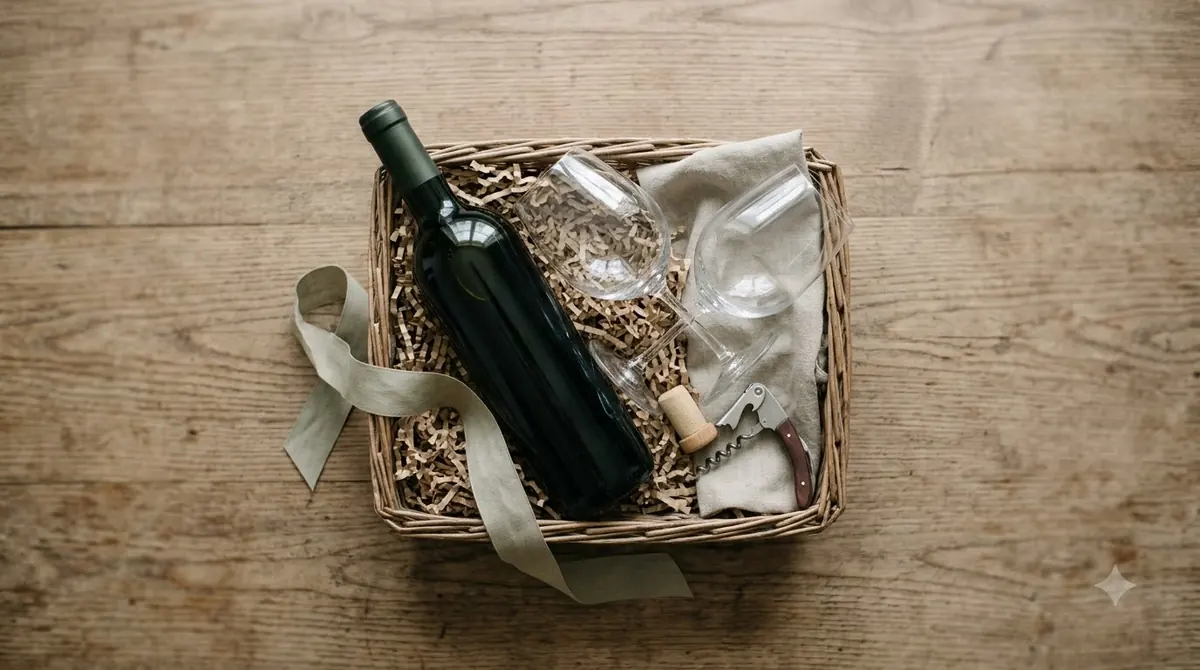
The flute’s proportions are one of its practical attractions. Its 23.8 cm height creates a tall presentation, while the 5.8 cm diameter keeps the silhouette relatively narrow. For formal dinners, anniversaries, weddings, and holiday gatherings, that shape offers a familiar Champagne appearance without the wide footprint of a coupe.
The 230 ml capacity is another useful characteristic. It gives enough room for a conventional serving while leaving space above the wine. A standard 5 oz Champagne pour is approximately 148 ml, so the stated capacity leaves room for the drink’s bubbles and aroma rather than requiring the glass to be filled to its rim.
French craftsmanship and collection identity
Lalique identifies the glass as handcrafted in France. That detail matters to buyers who are selecting crystal as a long-term household possession or a meaningful gift rather than simply replacing inexpensive drinking glasses. The combination of a named collaboration and a specific glass shape also makes the piece easier to identify when shopping for matching tableware.
James Suckling’s involvement is a defining feature of the 100 POINTS collection. Lalique describes the range as a joint creation with the wine critic, and its intended versatility extends across wine, Champagne, and spirits. This approach is appealing to someone who wants a coordinated set of glassware with a wine-oriented design identity.
Another advantage is the availability of a coupe alongside the flute. Some buyers prefer the traditional upright Champagne silhouette, while others appreciate the lower, wider shape of a coupe for vintage-inspired entertaining. Having both options within one collection makes it easier to maintain a consistent visual style across different occasions.
Presentation beyond Champagne service
A luxury glass is often selected for more than its ability to hold a drink. The proportions, clarity, weight, and relationship between bowl and stem all affect how it looks on a dining table. Lalique’s crystal construction gives the 100 POINTS glass a premium presentation suited to formal place settings, carefully arranged barware, and celebratory occasions.
Its relatively narrow flute profile can also be useful when arranging several glasses on a serving tray. Compared with a coupe’s broad 11.2 cm diameter, the flute’s 5.8 cm diameter occupies considerably less surface area. This is a practical consideration for hosts preparing a Champagne toast for several guests.
However, design appeal should not be confused with proven improvements in wine quality. Lalique’s product description presents the collection as designed to enhance the enjoyment of wine, but it does not provide independent comparative tasting results. Buyers should consider the craftsmanship and presentation as the main reasons to choose the glass rather than assuming it will transform every bottle of sparkling wine.
Common Complaints and Practical Limitations
The main drawbacks of Lalique Champagne glasses are their delicate handling requirements, premium positioning, and the additional attention needed during cleaning and storage. These limitations are particularly relevant for households that want dishwasher convenience or frequently replace broken everyday stemware.
Crystal requires more careful handling than ordinary thick glass. Lalique specifically warns that temperature changes can affect crystal and recommends avoiding the dishwasher. This is a meaningful ownership consideration because many households rely on automatic washing for their regular dinnerware and drinking glasses.
The long-stemmed flute also requires careful handling during washing. Lalique advises holding the glass by its bowl rather than its foot. Twisting the bowl and foot in opposite directions can place stress on the stem and cause breakage. This means that a quick, careless cleaning routine is not appropriate for the glass.
Limited convenience for everyday households
A household with children, frequent informal gatherings, or a busy entertaining schedule may find delicate crystal inconvenient. A sturdier everyday flute is generally more forgiving if glasses are regularly moved between a kitchen counter, dining table, and storage cabinet. Lalique makes more sense when the owner is comfortable treating stemware as a carefully maintained possession.
The 23.8 cm height also deserves attention. It is taller than many everyday tumblers and some shorter wine glasses, so cabinet clearance can become an issue. Buyers with limited storage should measure their shelves before ordering. A glass that fits the dining table but cannot be stored safely is not an ideal purchase.
Limited independent ownership evidence
There is another consideration when evaluating customer satisfaction. Available product specifications and retail descriptions provide useful information about the construction and dimensions, but they do not establish a broad pattern of independently verified long-term owner experiences. It would be misleading to claim that all owners praise the glass’s durability or that a particular defect is widespread without reliable evidence.
Instead, buyers should assess the product’s known characteristics. It is handcrafted crystal, requires careful cleaning, and is intended for buyers who appreciate its design. Those qualities create a reasonable expectation of careful ownership rather than the carefree treatment associated with inexpensive restaurant-style glassware.
Replacement considerations also deserve attention. Before purchasing a complete collection, ask the retailer about its breakage, return, and replacement policies. A glass that arrives damaged should be documented immediately with clear photographs. Lalique’s customer-service guidance specifically requests images of the product and damaged areas when owners seek help with a damaged piece.
Price and ownership expectations
Luxury positioning is part of the appeal, but it also narrows the audience. Buyers who mainly want to serve sparkling wine at family celebrations may find that a simpler set of Champagne flutes covers their needs without the extra care requirements. Lalique is better suited to a buyer who values the object itself as part of the experience.
The most sensible approach is to purchase according to actual use. Someone who hosts two formal Champagne dinners each year may appreciate a carefully selected pair or small collection. Someone who serves sparkling wine every weekend to a large group may prioritize durability, replacement availability, and convenient cleaning instead.
Who Should Buy and Who Should Skip Lalique Champagne Glasses
Lalique Champagne glassware is best suited to buyers who appreciate French crystal, distinctive stemware, and careful presentation. It is less suitable for people who want low-maintenance glasses that can be washed quickly and used without much concern about breakage.
The 100 POINTS flute is particularly appealing to collectors of coordinated tableware and wine enthusiasts who like its collaboration with James Suckling. Its 23.8 cm profile and 230 ml capacity make it a recognizable Champagne-serving piece, while the handcrafted French construction provides a clear point of distinction.
Buyers who should consider it
First, consider the glass if you are furnishing a formal dining room or building a dedicated entertaining collection. The flute provides a traditional presentation that works naturally for Champagne toasts, wedding celebrations, milestone birthdays, and holiday dinners. Its narrow shape also makes it easier to arrange multiple glasses on a relatively small serving tray.
Second, consider it as a gift for someone who appreciates luxury tableware. A distinctive piece of crystal can have more lasting appeal than a generic household accessory, especially when the recipient already owns complementary glassware. The James Suckling collaboration also provides an identifiable connection to wine culture.
Third, it can suit buyers who prefer to purchase fewer, carefully selected household objects. Rather than collecting large quantities of ordinary stemware, some households prefer a smaller selection reserved for special meals. Lalique’s careful-maintenance requirements are easier to accommodate in that setting.
Buyers who should skip it
Skip Lalique if dishwasher convenience is essential. The manufacturer recommends handwashing, which introduces an additional task after entertaining. If the household routinely washes all glasses together in an automatic dishwasher, a different material and construction may be more appropriate.
It is also worth considering alternatives if storage is limited. The flute stands 23.8 cm tall, so a low cabinet shelf may not accommodate it comfortably. A coupe is shorter at 16.8 cm, but its 11.2 cm diameter requires more horizontal space. Neither shape is automatically the better option for a small kitchen.
Finally, buyers who primarily want practical glassware for large gatherings may prefer a less delicate option. The additional attention required during washing and storage can become frustrating when many guests are being served. For those households, a separate set of everyday Champagne flutes may be a more convenient choice, with Lalique reserved for occasions when presentation matters most.
Tip: Before ordering a complete Lalique collection, measure the height and width of your available storage space. Allow extra clearance around the stemware so glasses do not knock against one another when being removed or returned to the shelf.
How Lalique Compares to Alternative Champagne Glasses
Lalique stands out through its luxury crystal positioning and handcrafted presentation, while conventional Champagne flutes and coupes generally appeal to buyers with different priorities. The most useful comparison is not simply appearance; it is how each shape fits the way Champagne will actually be served.
Lalique flute versus a conventional Champagne flute
A conventional flute is typically chosen for its upright appearance and relatively narrow bowl. Lalique’s 100 POINTS flute follows that familiar silhouette, with a 5.8 cm diameter and a height of 23.8 cm. The difference is its specific crystal construction, collaboration identity, and handcrafted French production.
For someone who already owns a practical set of sparkling-wine glasses, the Lalique version is more of a considered addition than an essential replacement. It can contribute a distinctive look to a formal table, but the basic function of serving Champagne is shared by many simpler glasses.
Buyers comparing everyday options should also consider the broader range of wine glasses. A well-selected general-purpose glass can be more useful for households that serve multiple wine styles and do not want to maintain separate premium stemware for every drink.
Lalique flute versus the 100 POINTS coupe
The coupe is the more visibly different option within the collection. Its 16.8 cm height is 7 cm shorter than the flute, and its 11.2 cm diameter creates a significantly wider opening. The 280 ml capacity is also greater than the flute’s 230 ml capacity.
These measurements influence how the two pieces function at the table. The flute has a tall, narrow silhouette, while the coupe offers a broad surface and a vintage-inspired presentation. The coupe is especially suitable for hosts who want a distinctive formal setting, although its wider opening allows carbonation to dissipate more quickly than in a narrow flute.
Neither design is universally superior. The flute is the more conventional choice for Champagne service, while the coupe has stronger visual impact in a retro-inspired setting. Buyers should choose based on preferred presentation and the kinds of occasions they regularly host.
Lalique versus a versatile wine glass
A universal wine glass may be a more practical investment for someone who drinks red, white, and sparkling wine throughout the week. A wider bowl gives many still wines more room for aroma development, while a dedicated flute offers a more focused presentation for sparkling wine.
The 100 POINTS collection itself includes other wine-oriented shapes, so Lalique buyers are not limited to Champagne stemware. Someone building a broader collection could explore the brand’s other glassware categories and consider how a flute, Burgundy glass, Bordeaux glass, or universal glass might work together.
For readers who regularly serve Cabernet Sauvignon, Merlot, or Pinot Noir, a dedicated red wine glass may provide more practical value than buying additional Champagne stemware. A Champagne flute should complement a wine-glass collection rather than replace every other shape.
Ultimately, the comparison comes down to priorities. Lalique makes the strongest case for buyers who want crystal craftsmanship and a distinctive presentation. A conventional flute makes more sense for uncomplicated everyday service, while a universal glass offers broader flexibility across different wine styles.
Care, Cleaning, and Storage for Lalique Crystal
Proper maintenance is essential for preserving Lalique crystal. The manufacturer’s instructions emphasize handwashing, consistent water temperature, gentle handling, and soft drying materials rather than automatic cleaning or abrasive tools.
Start with a clean sink and a soft sponge. Use warm water with mild soap, maintaining a consistent temperature throughout the cleaning process. Sudden temperature changes can stress crystal, so avoid transferring a cold glass directly into very hot water or exposing it to abrupt temperature fluctuations.
Handwashing without stressing the stem
Hold the glass by its bowl while washing instead of gripping the foot or twisting the stem. This is particularly important when removing fingerprints or dried sparkling-wine residue from the inside of the bowl. Use gentle movements rather than applying pressure to the rim or stem.
Do not use metallic scouring pads or abrasive sponges. These can damage the crystal’s surface and diminish its appearance. A mild cleaning solution and a soft sponge are sufficient for ordinary wine residue. After washing, allow excess water to drain before drying the glass gently with a clean microfiber cloth.
Lalique specifically recommends avoiding the dishwasher. Even if a dishwasher has a delicate-glass program, the manufacturer’s guidance is to wash its glasses by hand. This recommendation should take precedence over assumptions based on dishwasher settings or the cleaning practices used for ordinary household glassware.
Storage and handling between occasions
Store the glasses where they are protected from knocks and unnecessary movement. Avoid placing heavy objects above delicate stemware, and do not crowd the glasses together in a cabinet. A dedicated shelf with sufficient clearance is preferable to a tightly packed storage area.
When moving glasses from storage to the dining table, carry them individually rather than gathering several by their stems. This reduces accidental contact between bowls and lowers the chance of pressure being applied to the most delicate parts of the construction.
For a collection that includes both the flute and coupe, consider arranging them in separate groups. Their different heights and bowl widths make it easier to organize them by shape. The flute needs more vertical clearance, while the coupe needs more horizontal room.
After an occasion, clean the glasses before storing them. Leaving dried Champagne residue for extended periods can make cleaning more difficult. Once the glasses are clean and completely dry, return them to their protected storage location.
For additional manufacturer guidance, Lalique’s official crystal care and glassware FAQ explains the recommended washing method and handling precautions. These instructions are especially useful for anyone purchasing the collection as a long-term household possession.
Owners should also contact customer service if a piece becomes chipped or damaged. Lalique requests photographs of the product and the affected areas so its team can provide information about possible repair options. Keeping the original purchase documentation and product details can also make future customer-service discussions easier.
Frequently Asked Questions
Are Lalique Champagne glasses suitable for sparkling wine other than Champagne?
Yes. A Champagne glass can also serve sparkling wines such as Prosecco, Cava, and other traditional-method sparkling wines. Champagne is a protected regional designation, so wine produced elsewhere should not be described as Champagne even when it is served in the same glass. The 100 POINTS design is suitable for a broader sparkling-wine selection.
How much Champagne should be poured into a Lalique flute?
A standard wine serving is approximately 5 oz, or 148 ml. Since the Lalique 100 POINTS flute has a stated capacity of 230 ml, a normal serving leaves space above the liquid for bubbles and aroma. Pouring in stages is also useful when serving a lively sparkling wine because it helps control foam.
What temperature should Champagne be served at in Lalique crystal?
A typical serving temperature for sparkling wine is approximately 40 to 50 degrees Fahrenheit. Keeping the bottle properly chilled helps maintain freshness and slows the loss of carbonation after pouring. Avoid chilling the crystal through sudden temperature changes, particularly if the glass has been stored in a warm room.
Can Lalique Champagne glasses be used for cocktails?
The broader 100 POINTS collection is described by Lalique as suitable for wine, Champagne, and spirits. A flute can accommodate some sparkling cocktails, including a classic French 75 presentation. However, a coupe or dedicated cocktail glass may be more appropriate for drinks served with substantial garnishes or larger quantities of ice.
How many glasses can be served from a standard Champagne bottle?
A standard 750 ml bottle provides approximately five conventional 5 oz servings. The actual number depends on pouring size and how much wine remains in the bottle. For a gathering of 10 guests receiving one serving each, planning for two standard bottles is a reasonable starting point.
Lalique Champagne glasses are most compelling as carefully selected pieces of luxury tableware rather than everyday utility stemware. The 100 POINTS flute combines French craftsmanship, a wine-focused collaboration, and practical Champagne-serving proportions, while the matching coupe offers a different presentation for special occasions. Buyers who appreciate crystal and are prepared to handwash and store it carefully will find the collection particularly appealing.
For anyone comparing luxury glassware, the best decision is to consider the intended drinks, storage space, preferred shape, and maintenance routine before choosing. Lalique makes a distinctive addition to a considered wine collection, especially when presentation matters as much as the wine itself.
More in Wine Glasses
 Spiegelau Crystal Wine Glasses That Bring Clarity to Every PourUpdated Nov 21, 2026
 Zalto Crystal Wine Glasses: Are They Worth the Investment?Updated Nov 21, 2026
 Villeroy And Boch White Wine Glasses for a More Cohesive TableUpdated Nov 21, 2026
 Zalto Wine Glasses On Sale: Find the Right Denk’Art GlassUpdated Nov 21, 2026
 Zwiesel Glas Champagne Glasses: Features, Quality and Buying AdviceUpdated Nov 21, 2026
 Zwiesel Glas Decanter Review: A Durable, Elegant Choice for Wine ServiceUpdated Nov 21, 2026