

We may earn a commission when you buy through links on this page, at no extra cost to you. Learn more.
Tisdale wine is a California table wine from Tisdale Wines, a brand based in Modesto, and its range covers eight everyday varietals, from Cabernet Sauvignon and Merlot to Chardonnay, Pinot Grigio, Pinot Noir and a Sweet Red. Every bottle is labeled “of California,” and the brand positions its wines as relaxed, everyday options tied to California vineyards.
If you have seen Tisdale on a shelf and wondered what sets it apart from other California table wines, this guide walks through the lineup, what the brand says about its wines, and how to serve and pair them. It draws on the brand’s own website and on Wine Folly’s notes on Pinot Grigio, and it keeps to what those sources describe.
Who Makes Tisdale Wine
Tisdale Wines is based in Modesto, California, which sits in the Central Valley rather than in one of the coastal appellations most people associate with premium California wine. The brand’s website describes its goal as offering quality wines that let people savor everyday moments, and it links the wines to California’s vineyards and the Sierra Mountain scenery.
The site does not give a founding year or a company history, so this guide does not state when the brand started. What it does make clear is the labeling approach: each varietal is sold as a California wine, which places the brand in the everyday table wine category rather than the single-vineyard or estate category.
The Tisdale Lineup
The brand lists eight varietals, all labeled “of California.” The list spans the main white and red grapes that everyday shoppers look for, plus one sweet red and one White Zinfandel. That range makes Tisdale a convenient one-stop option for a mixed table, since you can cover a white, a red and a sweeter pour with a single brand.
| Tisdale varietal | Type | What to expect |
|---|---|---|
| Cabernet Sauvignon | Red | Dry, structured red for savory meals |
| Merlot | Red | Softer, rounder dry red |
| Pinot Noir | Red | Lighter dry red with bright fruit |
| Shiraz | Red | Full-bodied dry red with ripe dark fruit |
| Sweet Red | Red | Sweet red, named as such on the brand page |
| White Zinfandel | Rosé style | Lighter, fruit-forward pink style |
| Chardonnay | White | Dry white for poultry and seafood |
| Pinot Grigio | White | Crisp, light-bodied dry white |
The table reflects the general character of each grape rather than tasting notes from the brand itself, because the Tisdale page gives no sweetness levels or ABV figures for the varietals. Only the Sweet Red carries a sweetness signal in its name.
The White Wines: Chardonnay and Pinot Grigio
The Pinot Grigio is the white that Wine Folly describes most clearly. It is a medium-light bodied white with medium-high acidity and an ABV of 11.5 to 13.5 percent, with flavors of white peach, lemon zest and green almond. Italian versions are usually described as the lightest and freshest, and that light, crisp style is what most drinkers expect from the category.
The Chardonnay on the Tisdale list fills the other end of the white range. Chardonnay is usually a fuller white than Pinot Grigio, and it is the grape most people reach for when they want something with more body at dinner. Because the brand does not describe its oak or body in detail, treat the Tisdale Chardonnay as a general Chardonnay profile rather than a specific style.
The Red Wines and the Sweet Red
The brand’s reds range from the structured Cabernet Sauvignon and Shiraz to the softer Merlot and lighter Pinot Noir. Those four give you a useful spread of dry red styles, and the choice depends mostly on the food. A Cabernet or Shiraz will stand up to rich, savory dishes, while the Pinot Noir and Merlot suit lighter meals and casual evenings.
The Sweet Red is the brand’s sweeter option. The name tells you that sweetness is the main character of the wine, and it is the bottle to reach for when you want fruit-forward flavor and a softer finish. It is a practical choice for guests who find dry reds too sharp, and it pairs better with simple desserts and fruit plates than with heavy meat dishes.
How to Serve Tisdale Wine
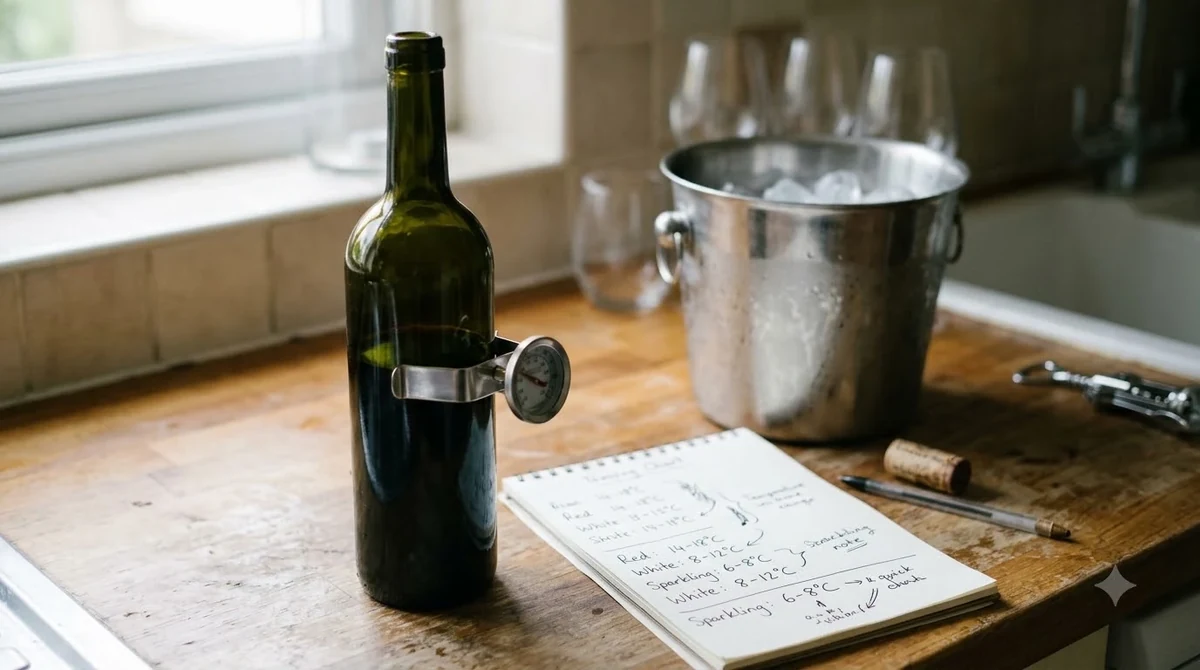
Serve the whites chilled. Wine Folly suggests Pinot Grigio at 45 to 55 degrees Fahrenheit, or 7 to 12 degrees Celsius, which is cool enough to keep the wine crisp without numbing the aromas. Chardonnay is usually served in a similar range, and a short time in the refrigerator before dinner brings most bottles into the right window.
For the reds, a slightly cooler room temperature is usually better than a warm room. Pour the dry reds into a standard wine glass with a generous bowl, and give a Cabernet or Shiraz a few minutes to open before the first sip. The Sweet Red and White Zinfandel can be served chilled, which keeps their fruit fresh and their sweetness balanced.
Food Pairing with Tisdale Wines
Match the white to the lightness of the food. The Pinot Grigio suits salads, light pasta, grilled fish and fresh cheeses, because its crisp acidity and light body do not overwhelm delicate flavors. The Chardonnay can handle richer poultry, creamy sauces and roasted vegetables.
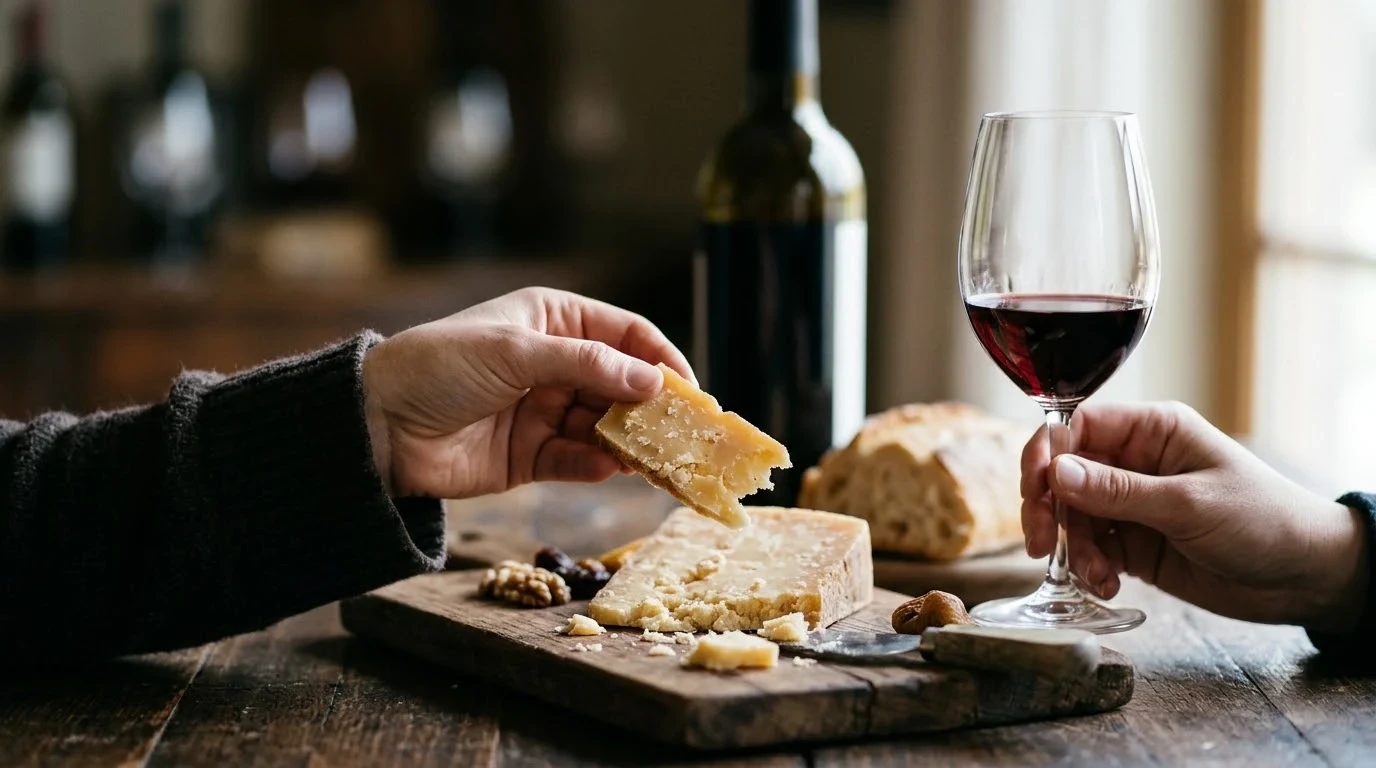
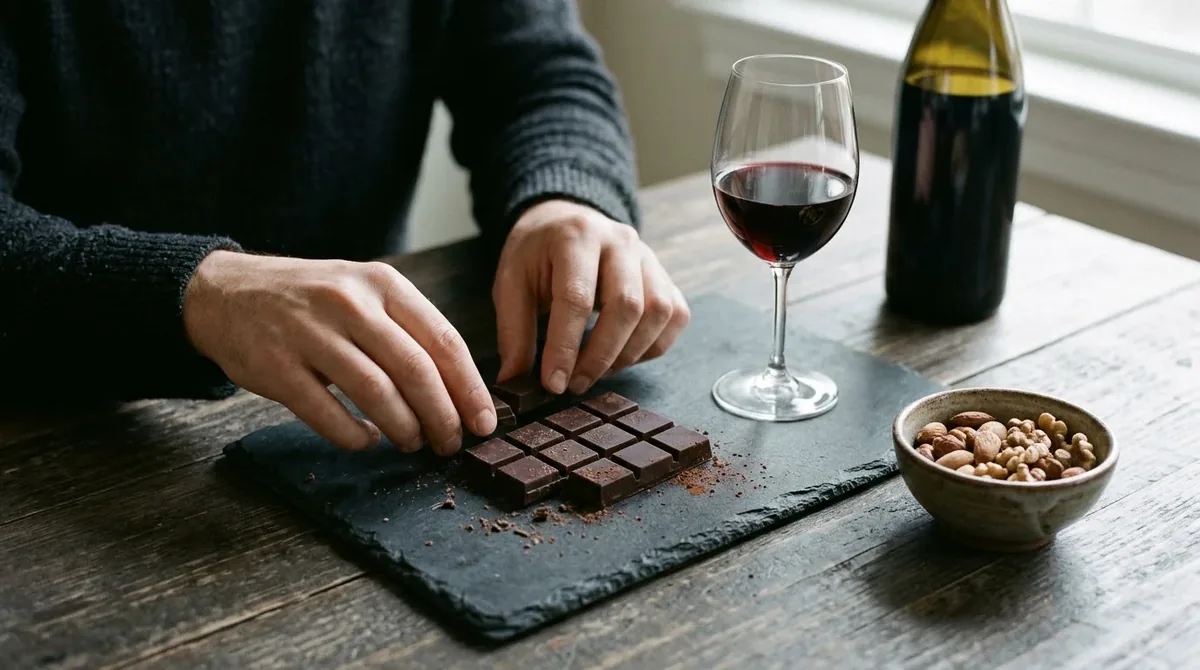
The reds follow the same logic. The Cabernet Sauvignon and Shiraz are the better partners for grilled meat, hearty stews and aged cheese. The Merlot and Pinot Noir work well with roasted chicken, mushrooms and tomato-based dishes. The Sweet Red and White Zinfandel suit dessert, spicy snacks and a simple cheese board.
How to Choose a Tisdale Wine
Start with the meal and the group. If you are serving a crowd with a range of tastes, a mix of one white, one dry red and one sweet option covers most preferences. If you are cooking a single dish, choose the wine that matches its weight: a light white for delicate seafood, a bold red for roast meat.
It also helps to compare Tisdale with other everyday California wines. The wine brands guide explains how producers position their lines and how to read a label, and the Avaline rosé page is a useful reference if you want a drier pink wine than the White Zinfandel on the Tisdale list.
Check the back label for alcohol content, since the brand’s website does not publish ABV figures for its varietals. Also check the vintage and the appellation line, which tells you more about where the grapes came from than the brand name alone.
Think about the occasion as well as the food. A casual weeknight with takeout suits a crisp Pinot Grigio or a fruit-forward White Zinfandel, while a dinner party with a roast or a braise suits a Cabernet Sauvignon or Shiraz. Matching the wine to the occasion usually matters more to guests than fine distinctions between two similar bottles.
Frequently Asked Questions
Where is Tisdale wine made?
Tisdale Wines is based in Modesto, California, and each varietal on the brand’s list is labeled as a California wine. The website ties the wines to California vineyards and the Sierra Mountain scenery.
What varieties does Tisdale make?
The brand lists eight varietals: Cabernet Sauvignon, Chardonnay, Merlot, Pinot Grigio, Pinot Noir, Shiraz, a Sweet Red and a White Zinfandel.
Is Tisdale Sweet Red a sweet wine?
The name signals sweetness, and the brand describes it as a sweet red. It is the most dessert-style option on the list, while the other reds are presented as dry varietals.
How cold should I serve Tisdale white wine?
Wine Folly suggests serving Pinot Grigio at 45 to 55 degrees Fahrenheit, or 7 to 12 degrees Celsius. Chardonnay follows a similar chilled range.
Tisdale wine is a practical choice for an everyday table: a dry white for lighter meals, a dry red for savory dinners and a sweet red for a softer finish. Use the lineup above to pick the bottle that suits your meal, and compare it with other brands in the wine brands guide before you buy.
More in Wine Brands
 Underwood Wine Price: Compare Bottles, Cans, and Pack SizesUpdated Nov 21, 2026
 Zenato Wine Price: Compare Styles and Choose the Right BottleUpdated Nov 21, 2026
 Zuccardi Wine Price: Compare Bottles and Find the Right RangeUpdated Nov 21, 2026
 Yellow Tail Moscato Review: Taste, Sweetness and Serving TipsUpdated Nov 21, 2026
 Wolf Blass Yellow Label Review: Choose Your Best StyleUpdated Nov 21, 2026
 Wolffer Estate Rose Review: Choose the Right Bottle for Your TableUpdated Nov 21, 2026