

We may earn a commission when you buy through links on this page, at no extra cost to you. Learn more.
An honest 19 crimes wine review comes down to one clear trade-off: these bottles deliver bold dark fruit, heavy vanilla oak, and soft tannins with noticeable sweetness, making them crowd-pleasers for casual drinkers rather than dry-wine purists. Produced by Treasury Wine Estates since 2012, the lineup spans South Eastern Australian reds and whites alongside California celebrity collaborations with Snoop Dogg and Martha Stewart. Shoppers who enjoy jammy, fruit-forward reds with smooth finishes find consistent value across the range, while drinkers who prefer crisp acidity and bone-dry structure often find the residual sugar too prominent.
Walking down a grocery store wine aisle, few labels stand out faster than the moody black-and-white convict portraits of 19 Crimes wine. Behind the augmented-reality smartphone labels and collectible corks sits a massive commercial wine portfolio with distinct flavor differences from bottle to bottle. Understanding how the core Australian blends compare against the California releases helps buyers pick a bottle that actually matches their palate and dinner menu.
Who 19 Crimes Wine Is For
19 Crimes is built for wine drinkers who prefer ripe, fruit-forward flavors, plush body, and minimal astringency over austere, earthy dryness. Most bottles in the lineup carry perceptible residual sugar and prominent toasted oak notes of vanilla, mocha, and caramel that soften the palate from the first sip.
Casual red wine fans, newer wine drinkers transitioning from sweeter beverages, and hosts stocking up for backyard barbecues or game-day gatherings tend to rate these bottles highest. According to VinePair, Treasury Wine Estates specifically formulated releases like The Banished Dark Red in 2015 to attract younger adult buyers who found traditional dry reds too sharp or bitter. The screwcap closures on many Australian bottlings and the interactive Living Wine Labels app also appeal to social gatherings where a conversation piece adds to the table.
Conversely, drinkers who favor traditional Old World styles—such as Bordeaux, Chianti, or dry Rioja—should approach this brand with adjusted expectations. Those classic regions emphasize high acidity, firm mineral grip, and zero residual sweetness, whereas 19 Crimes prioritizes plush texture and sweet-spiced oak. Knowing which camp a guest or household falls into prevents disappointment before pulling the cork.
Key Factors to Compare Across the 19 Crimes Lineup
Evaluating any bottle in this portfolio requires checking four practical details: grape origin, residual sweetness level, alcohol by volume (ABV), and barrel treatment. While the labels share a unified outlaw aesthetic, the liquid inside varies noticeably between the South Eastern Australian core range and the Lodi, California collaborations.
Origin dictates the foundational fruit profile across the brand. Grapes sourced from South Eastern Australia grow in warm, sunny vineyards that yield ripe blackberry, plum, and black cherry flavors with soft, approachable tannins. Meanwhile, the California releases—led by Snoop Dogg’s Lodi red blend and Martha Stewart’s Chardonnay—lean into bold West Coast fruit density and distinct varietal mixes.
Alcohol strength and oak aging separate the lighter everyday pours from the heavier, richer bottles. Standard 750 ml bottles provide about five 5-ounce glasses, yet alcohol levels stretch from 8.5 percent ABV on Martha’s Lighter Chard all the way up to 15 percent ABV on rum-barrel-aged The Uprising. Higher alcohol adds warmth and body on the palate, which can amplify spice in food if paired carelessly.
| Bottle Name | Origin | Primary Grapes | Typical ABV | Sweetness & Oak Profile |
|---|---|---|---|---|
| 19 Crimes Red Blend | South Eastern Australia | Shiraz, Cabernet Sauvignon, Grenache | 13.5%–14.1% | Off-dry feel; vanilla, dark berry, toasted oak |
| 19 Crimes Cabernet Sauvignon | South Eastern Australia | Cabernet Sauvignon | 13.5%–14.0% | Slightly drier; blackcurrant, red currant, soft tannin |
| 19 Crimes Shiraz | South Eastern Australia | Shiraz | 14.0% | Rich and spicy; black pepper, plum, smoky oak |
| 19 Crimes The Uprising | South Eastern Australia | Shiraz, Cabernet Sauvignon, Grenache | 13.5%–15.0% | Sweet-spiced; 30 days in rum barrels, mocha, caramel |
| 19 Crimes Snoop Cali Red | Lodi, California | 65% Petite Sirah, 30% Zinfandel, 5% Merlot | 14.1% | Noticeably sweet finish; blackberry, smoke, vanilla |
| 19 Crimes Snoop Cali Rosé | California | 75% Zinfandel, 20% Grenache, 5% Pinot Noir | 12.0% | Sweet and fruity; strawberry, pink grapefruit |
| 19 Crimes Hard Chard | South Eastern Australia | Chardonnay | 15.0%–16.0% | Full-bodied white; ripe melon, cream, butterscotch |
| Martha’s Chard | California | Chardonnay | 13.5% | Medium-full white; baked apple, oak, creamy finish |
Tip: Because residual sugar and oak vanillin make several 19 Crimes reds taste heavy at warm room temperatures, placing the bottle in a standard refrigerator for 30 to 45 minutes before pouring brings it down to the ideal 60–65°F serving window and sharpens the fruit balance.
Step-by-Step: How to Choose and Serve the Right Bottle
Selecting and preparing a bottle from this range takes less than a minute when matched to the meal and audience. Follow these five steps to get the best flavor out of any release in the catalog.
- Match the style to your sweetness tolerance. Pick the Cabernet Sauvignon or Shiraz if you want firmer structure and less perceived sweetness, or choose 19 Crimes Cali Red and The Uprising when you want a plush, dessert-adjacent red with caramel and vanilla notes.
- Check the back label for exact ABV and origin. Bottlings shift slightly by vintage and market, so verifying whether a bottle is 13.5 percent or 15 percent ABV helps predict how warm and full-bodied the pour will feel.
- Chill the bottle to its proper serving zone. Serve Hard Chard, Martha’s Chard, and Cali Rosé chilled between 45°F and 50°F, while cooling full-bodied reds like Shiraz, Cabernet Sauvignon, and Cali Red to 60°F–65°F rather than serving them at a warm 72°F kitchen temperature.
- Give young reds 20 to 30 minutes of air. Pouring the wine into a wide-bowl glass or decanter for half an hour lets the initial wave of toasted American oak and alcohol settle so blackberry and plum notes open up.
- Pair with salty, fatty, or smoky dishes. Salt and fat soften tannins and balance residual sweetness, making grilled ribs, pulled pork, aged cheddar, and bacon cheeseburgers far better companions than delicate steamed fish or lightly dressed salads.
Types and Styles of 19 Crimes Explained
Treasury Wine Estates organizes the brand into three practical tiers: the original Australian red lineup, specialty barrel-aged and dark blends, and California celebrity collaborations. Each tier targets a distinct flavor preference and occasion.
Core Australian Red Wines
The flagship 19 Crimes Red Blend combines Shiraz, Cabernet Sauvignon, and Grenache from South Eastern Australia into an easy-drinking, medium-to-full-bodied red. On the nose and palate, ripe blackberry, dark cherry, and plum sit beneath generous layers of vanilla and toasted American oak. 19 Crimes Cabernet Sauvignon—the very first varietal released when the brand launched in 2012—offers slightly firmer tannins and blackcurrant structure, while 19 Crimes Shiraz leans into dark berry jam, black pepper spice, and smoky wood.
Specialty Barrel-Aged and Dark Reds
For drinkers seeking even deeper richness, The Uprising finishes a portion of its Shiraz-driven blend for 30 days in rum barrels as a nod to Australia’s 1808 Rum Rebellion. That barrel finish infuses unmistakable aromas of brown sugar, molasses, mocha, and warm baking spice. Similarly, The Banished Dark Red dials up body and perceived sweetness to create a velvety, low-acid pour suited to cold-weather sipping or dark chocolate desserts.
California Celebrity Releases and Whites
In 2020, Snoop Dogg partnered with the brand to debut its first California wine, blending 65 percent Petite Sirah, 30 percent Zinfandel, and 5 percent Merlot from Lodi. According to Wine Spectator, Snoop Dogg tasted candidate lots personally to select a 14.1 percent ABV blend packed with dense black fruit, smoky Zinfandel spice, and a sweet-leaning vanilla finish. The California expansion also includes Snoop Cali Rosé—a 12 percent ABV blend of 75 percent Zinfandel, 20 percent Grenache, and 5 percent Pinot Noir—alongside Martha Stewart’s 100 percent California Chardonnay and the lower-alcohol 8.5 percent ABV Martha’s Lighter Chard, complementing the brand’s high-octane Australian Hard Chard.
Common Mistakes When Buying and Serving 19 Crimes
Even popular supermarket bottles disappoint when paired with the wrong meal or served at the wrong temperature. Avoiding four frequent missteps ensures the fruit and oak balance stays enjoyable rather than cloying.
Serving these reds too warm is the single most common error. Typical indoor room temperatures sit warmer than ideal cellar conditions, and pouring a higher-alcohol bottle like 19 Crimes red wine at room temperature exaggerates both alcohol heat and residual sweetness. Chilling full-bodied reds down to 60°F–65°F firms up the texture and keeps the dark cherry and blackberry notes crisp.
Another frequent mistake is pairing sweet-leaning reds with spicy chili dishes or delicate seafood. High alcohol and residual sugar amplify capsaicin heat in spicy curries or hot wings, turning pleasant warmth into an uncomfortable burn. At the same time, heavy American oak vanillin overwhelms mild white fish, while tannic reds clash with oily fish like salmon or mackerel.
Shoppers also sometimes mistake the brand’s Cabernet Sauvignon or Red Blend for bone-dry European table wines when cooking or hosting formal dinners. Because Treasury Wine Estates crafts these bottlings with noticeable sweetness and heavy oak toast, pouring them into a classic French beef bourguignon recipe or alongside high-acid tomato pasta can throw off the dish’s balance. Stick to sweet-and-smoky barbecue sauces, glazed ribs, or sharp cheddar boards where the wine’s richness mirrors the food.
Storage and Care Tips for Opened and Unopened Bottles
Proper storage preserves the bright berry aromatics and prevents oxidation from flattening the fruit profile. Whether a bottle uses a traditional stamped cork or an Australian screwcap, temperature stability matters far more than long-term aging.
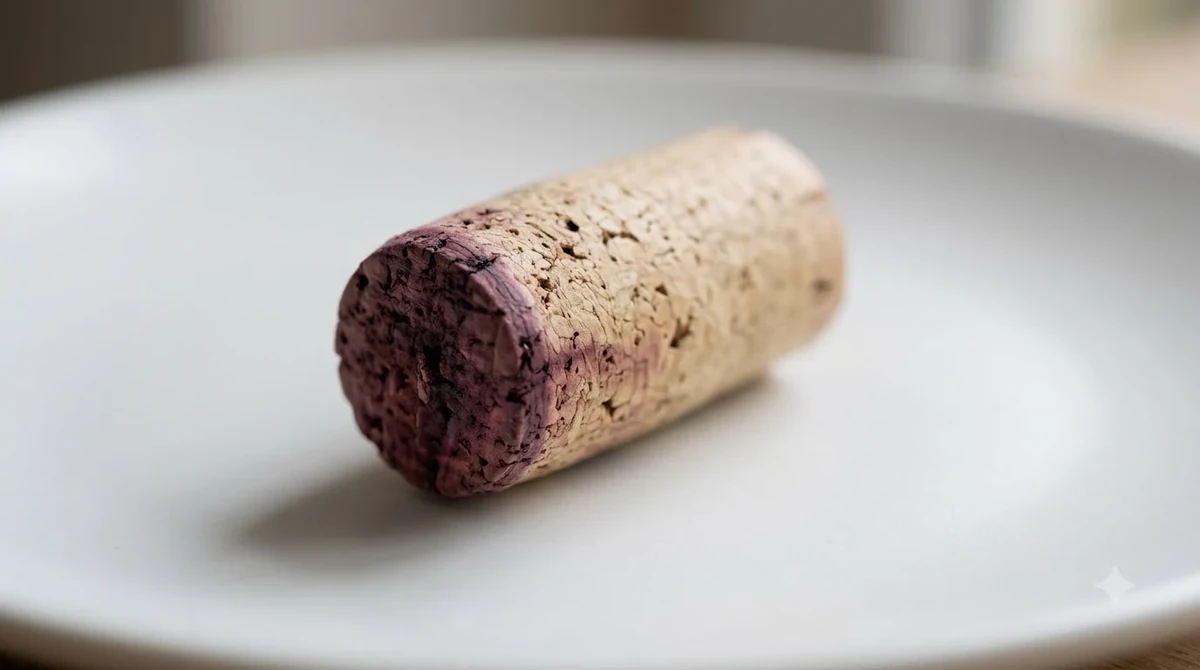
19 Crimes wines are blended and bottled for immediate consumption rather than multi-year cellar aging. Keep unopened bottles away from sunny kitchen counters, stove heat, and refrigerator tops; store cork-finished bottles on their side near 55°F so the cork stays moist and sealed against air intrusion. Screwcap bottles can stand upright in a cool pantry or wine cooler without drying out.
Once opened, oxygen gradually flattens the fruit and sharpens the oak. Re-cork or re-seal the bottle tightly and store it upright in a refrigerator between pours, allowing red wines to warm back toward 60°F–65°F before serving again.
How 19 Crimes Compares to Other Supermarket Wine Brands
Within the crowded aisle of mass-market Wine Brands, 19 Crimes occupies a distinct niche built on storytelling, augmented reality, and rich, sweet-leaning blends. Comparing its flavor style against neighboring shelves helps clarify when this label makes sense over traditional alternatives.
Against classic California or Australian everyday labels—such as Yellow Tail, Jacob’s Creek, or Woodbridge—19 Crimes leans noticeably heavier on toasted oak vanillin and residual sugar. While Yellow Tail Shiraz focuses on straightforward, juicy berry fruit with lighter oak influence, 19 Crimes layers on mocha, caramel, and smoke flavors designed to feel plush and full-bodied. Buyers who like bourbon-barrel-aged reds such as Apothic Inferno or Robert Mondavi Private Selection Bourbon Barrel-Aged Cabernet will find a very similar flavor blueprint in The Uprising and Snoop Cali Red.
Conversely, drinkers comparing 19 Crimes against traditional varietal producers from Chile, Spain, or Washington State will notice stark structural differences. A basic Chilean Cabernet Sauvignon or Spanish Garnacha at a similar shelf tier typically delivers brighter natural acidity, drier finishes, and earthier savory notes. Choosing between them comes down to whether the table wants sweet-spiced smoothness or crisp, food-friendly dryness.
Frequently Asked Questions
What are the actual 19 crimes printed on the bottle corks?
According to the official 19 Crimes historical archive, the name refers to 19 specific British offenses enacted in the 18th century that carried punishment by transportation to Australia starting in 1787. Individual corks are stamped with crimes from that list, including grand larceny, setting fires, stealing fish from a pond or river, bigamy, and impersonating an Egyptian.
Does the 19 Crimes augmented reality app still work on every bottle?
Yes, Treasury Wine Estates maintains the free Living Wine Labels app for iOS and Android devices, which uses a smartphone camera to animate the historical portraits and celebrity figures on front labels. Pointing the app at bottles like Snoop Cali Red or The Banished triggers short spoken-word stories directly on screen, a feature that helped boost brand visibility and retail demand after its augmented reality launch.
How many calories and carbs are in a typical glass of 19 Crimes wine?
According to 19 Crimes brand nutrition disclosures, Martha’s Lighter Chard is crafted at 8.5 percent ABV with 80 calories per 5-ounce serving, whereas full-strength red blends in the lineup carry higher calories and carbohydrates due to greater alcohol and residual sugar.
Are 19 Crimes wines vegan friendly?
Not every bottle in the 19 Crimes portfolio is certified vegan, because traditional winemaking sometimes uses animal-derived fining agents such as casein, gelatin, or egg whites to clarify wine before bottling. Shoppers following a strict vegan diet should check the back label or Treasury Wine Estates’ current allergen disclosures for specific vintage fining details.
Which 19 Crimes bottle is the driest option in the lineup?
Among the core red releases, 19 Crimes Cabernet Sauvignon offers the firmest tannin structure and least perceived sweetness, making it the closest fit for drinkers who prefer drier reds. For white wine fans, Martha’s Chard provides a crisper, medium-full California Chardonnay profile with less residual sugar than the higher-alcohol Australian Hard Chard.
19 Crimes succeeds because it delivers an unmistakable style—ripe dark fruit, sweet vanilla oak, and smooth tannins wrapped in memorable packaging—without pretending to be a traditional Old World cellar wine. Matching the right bottle to salty, smoky foods and serving it slightly chilled opens the best of what this popular lineup has to offer.
More in Wine Brands
 Underwood Wine Price: Compare Bottles, Cans, and Pack SizesUpdated Nov 21, 2026
 Zenato Wine Price: Compare Styles and Choose the Right BottleUpdated Nov 21, 2026
 Zuccardi Wine Price: Compare Bottles and Find the Right RangeUpdated Nov 21, 2026
 Yellow Tail Moscato Review: Taste, Sweetness and Serving TipsUpdated Nov 21, 2026
 Wolf Blass Yellow Label Review: Choose Your Best StyleUpdated Nov 21, 2026
 Wolffer Estate Rose Review: Choose the Right Bottle for Your TableUpdated Nov 21, 2026