

We may earn a commission when you buy through links on this page, at no extra cost to you. Learn more.
The winking owl wine review takeaway is that this Aldi-exclusive lineup is best treated as straightforward everyday wine: choose by sweetness, grape style, and occasion rather than expecting layered complexity. The range covers dry whites, familiar reds, sweet wines, sangria, and boxed formats, so there is usually a style for a casual meal or informal gathering. Independent reviewers tend to favor the fresher Sauvignon Blanc and some of the fruit-forward reds, while the sweetest bottlings can feel one-dimensional to drinkers who prefer a dry finish. A little attention to serving temperature and food pairing makes a noticeable difference.
Winking Owl is designed for convenience and approachability, not cellar collecting or detailed wine analysis. This guide explains which bottles to consider, how to compare alcohol and sweetness, and how to serve the wines so their simple fruit character shows at its best.
Who This Is For
Winking Owl makes the most sense for shoppers who want an uncomplicated bottle from Aldi for weeknight pasta, a casual dinner, or a low-key gathering.
The range can help newer wine drinkers learn the difference between a dry Sauvignon Blanc, a softer Merlot, and a sweet Moscato without committing to a complicated bottle. Tasting Table describes Winking Owl as an Aldi-exclusive private label and reports that Aldi partnered with E. & J. Gallo to craft its California-appellation wines.
It is also useful for hosts who need familiar styles for a mixed group. A dry white can cover seafood and vegetables, a soft red works with pizza or burgers, and a sweet white or red gives dessert drinkers an alternative. A standard 750 ml bottle provides about five 5-ounce pours, which helps estimate how much to buy for a small table. Anyone who values nuanced oak, firm structure, or a memorable finish should treat Winking Owl as a casual choice rather than a substitute for a premium bottle.
Key Factors to Compare
Start with sweetness, acidity, body, and alcohol rather than choosing by grape name alone. Those four details have more influence on how a bottle drinks at the table than the familiar variety printed across the front label.
| Winking Owl style | Published alcohol by volume (ABV) reports | Useful serving range | What to expect |
|---|---|---|---|
| Cabernet Sauvignon | 12% | 60–65°F | Dark fruit and oak; the firmer red option |
| Merlot | 12% | 60–65°F | Plum and berry character with softer tannin |
| Shiraz | 12–13% | 60–65°F | Ripe blackberry and blueberry, with noticeable grip |
| Chardonnay | 12% | 50–55°F | Apple and pear with some oak or spice |
| Sauvignon Blanc | 13–13.5% | 45–50°F | Dry, citrus-led, and the brighter white choice |
| Pinot Grigio | 11.5% | 45–50°F | Light, simple, and refreshing |
| Moscato | 8–9% | 43–50°F | Sweet, fruit-forward white |
| Sweet Red | 8% | 55–60°F | Juicy berry flavors and a noticeably sweet finish |
The ABV figures are published reports, not a guarantee for every bottle or production run. AldiThings lists several common bottlings at 12% for Merlot, Cabernet Sauvignon, and Chardonnay, 11.5% for Pinot Grigio, and 8% for Sweet Red; Tasting Table reports 13% for Shiraz in its ranking and 13.5% for Sauvignon Blanc in a later comparison. The Moscato figure also varies between sources, which is why the table gives a range rather than pretending there is one universal number. For a closer breakdown, see this guide to Winking Owl wine alcohol content.
Tip: Do not treat a fruity aroma as proof that a wine is sweet. A dry Sauvignon Blanc can smell strongly of citrus or tropical fruit and still finish crisp, while a sweet red can taste soft and jammy because it retains more sugar.
Acidity is another useful comparison. Sauvignon Blanc and Pinot Grigio are generally fresher than Chardonnay, while Cabernet Sauvignon is firmer in tannin than Merlot. Match acidic tomato or lemon dishes with a wine that has enough acidity; salt and fat can soften tannin in a red.
Step-by-Step: How to Choose a Bottle
A good purchase starts with the meal and the preferred level of sweetness, then narrows to a grape style and serving plan. These five steps keep the choice practical and reduce the chance of opening a bottle that clashes with dinner.
- Decide whether the wine should be dry or sweet. For a crisp, savory pour, look first at Sauvignon Blanc or Pinot Grigio. For an obvious sweet-wine profile, consider Moscato, Sweet Red, or White Zinfandel. If the group has mixed preferences, a dry white plus one sweet option is more useful than buying two bottles with similar fruit flavors.
- Match the grape to the main dish. Sauvignon Blanc suits grilled shrimp, roast chicken, green vegetables, and goat cheese. Pinot Grigio can work with lighter seafood or pasta with butter and cream. Merlot is an easy red with burgers and tomato-based pasta, while Cabernet Sauvignon makes more sense with a richer steak or beef dish.
- Look at the alcohol figure as context. ABV describes the share of the wine that is alcohol, not how sweet or dry it tastes. The reports for Winking Owl range from 8% for Sweet Red to 13–13.5% for Sauvignon Blanc, so two bottles that look similarly casual can have quite different strengths. The label’s stated ABV is the best guide to the individual bottle in front of you.
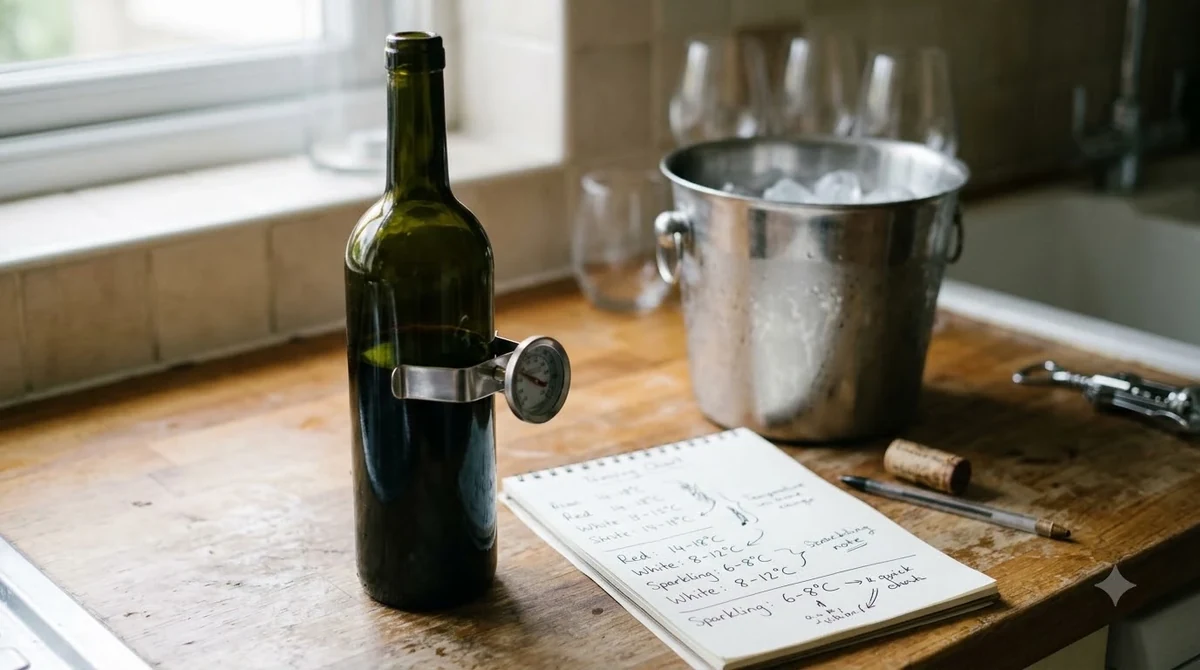
- Plan the temperature before opening. Put light whites and rosé in the refrigerator until they reach roughly 45–50°F; serve Chardonnay closer to 50–55°F. Light reds are often more enjoyable at 55–60°F, while fuller Cabernet or Shiraz can be served around 60–65°F. A red served too warm can seem heavier and more alcoholic than intended.
- Pour a modest first glass and reassess. Start with a 5-ounce pour and taste the wine alongside the food before opening another bottle. Notice whether the finish is dry or sweet, whether acidity refreshes the palate, and whether tannin makes the mouth feel grippy.
For a more detailed look at the full Winking Owl wine range, compare the styles you actually enjoy rather than assuming the red wines or the whites will all taste alike.
Types and Styles Explained
The lineup spans crisp dry whites, softer and firmer reds, sweet wines, and ready-to-serve or boxed options. The most useful way to understand it is to group bottles by the kind of drinking experience they offer.
Dry white wines
Sauvignon Blanc is the first place to look for a brighter, dry white. A Tasting Table review describes the Winking Owl version as fresh and fruity, with citrus and apple notes, and ranks it among the more appealing wines in the line. Its report gives the wine 13.5% ABV, while AldiThings lists 13%; that difference is a reminder to use the bottle’s own alcohol statement when comparing a particular purchase. Serve it at 45–50°F with seafood, chicken, or vegetables.
Pinot Grigio is the lighter, quieter alternative, with simple citrus and orchard-fruit flavors. AldiThings lists it at 11.5% ABV and recommends 45–50°F. Chardonnay is broader, with reported apple and pear notes and hints of oak or spice; serve it at 50–55°F rather than ice-cold.
Red wines
Cabernet Sauvignon is the more structured red in the range. Tasting Table describes dark fruit and toasted oak, including blackberry, cherry, and vanilla, while Sporked also notes blackberry, plum, and a soft, velvety impression. The wine is simple, not a deeply layered Cabernet, but it is the natural choice for beef, grilled burgers, or a hearty tomato-based meal. Serve it around 60–65°F; Cabernet’s naturally high tannin makes it a better partner for fat and protein than for delicate fish.
Merlot generally feels softer, with medium tannin and a rounder impression of plum, blackberry, and mixed berries. The reports are not uniformly enthusiastic: Tasting Table found the wine light in body and short on finish, while Sporked highlighted its approachable tannins and jammy fruit. For two broader perspectives, compare the Tasting Table Winking Owl ranking with Sporked’s Aldi wine ranking. Shiraz offers darker fruit and more grip, with Sporked noting blackberry and blueberry and Tasting Table finding a fruit-forward, savory edge. It suits stew, braised meat, or sausage with peppers.
Sweet wines, rosé, and blends
Moscato, Sweet Red, and White Zinfandel are the bottles to consider when sweetness is part of the brief. Tasting Table describes the Moscato as strongly sweet and still rather than sparkling; its report lists 9% ABV, while AldiThings lists 8%. Sweet Red is also a clear dessert-style choice, with berry and jam notes and an 8% ABV figure in AldiThings. White Zinfandel is pink, fruit-forward, and sweet, with published ABV figures ranging from 7.5% to 8.5% and flavors of cherry, raspberry, and strawberry. The sweetness can suit fruit desserts or spicy food, but it may overwhelm a dry-wine drinker.
Sangria is better understood as a casual serve than a varietal wine to analyze. Tasting Table found that adding citrus, ice, and a splash of sparkling water helped balance the sweetness and made the drink more refreshing. Winking Owl also appears in boxed red and white blends: AldiThings lists a 3-liter format for each, with 11.5% ABV for the red blend and 10.5% for the white blend. Boxed wine is practical for a gathering or occasional cooking, but the white blend is described as sweet and uncomplicated rather than a precise match for a particular grape style.
More detail on Winking Owl wine sugar content can help shoppers who are comparing sweet styles or trying to avoid an unexpectedly sugary finish.
Common Mistakes to Avoid
The most common mistake is expecting every Winking Owl bottle to taste like a textbook example of its grape. A value-focused California wine can show recognizable plum, apple, or citrus while still having less depth, structure, and finish than a more carefully selected regional bottling.
Another mistake is treating red-fruit or tropical aromas as a reliable sweetness test. Cabernet can smell of ripe blackberry and still be dry; Chardonnay can give apple and pear notes without tasting like dessert. Read the wine style and sweetness cues together, and compare the impression on the finish rather than deciding from the first smell. Sweet Red, Moscato, and White Zinfandel are the obvious choices for sweeter palates; Sauvignon Blanc and Pinot Grigio are usually better starting points for people who prefer a dry white.
Food mismatches can make a simple wine seem worse than it is. High-tannin Cabernet or Shiraz can clash with oily fish, while chili heat feels more intense alongside alcohol and tannin. High-acid wine suits lemon, vinaigrette, or tomato; salt and fat soften tannin in a red.
Care and Storage Tips
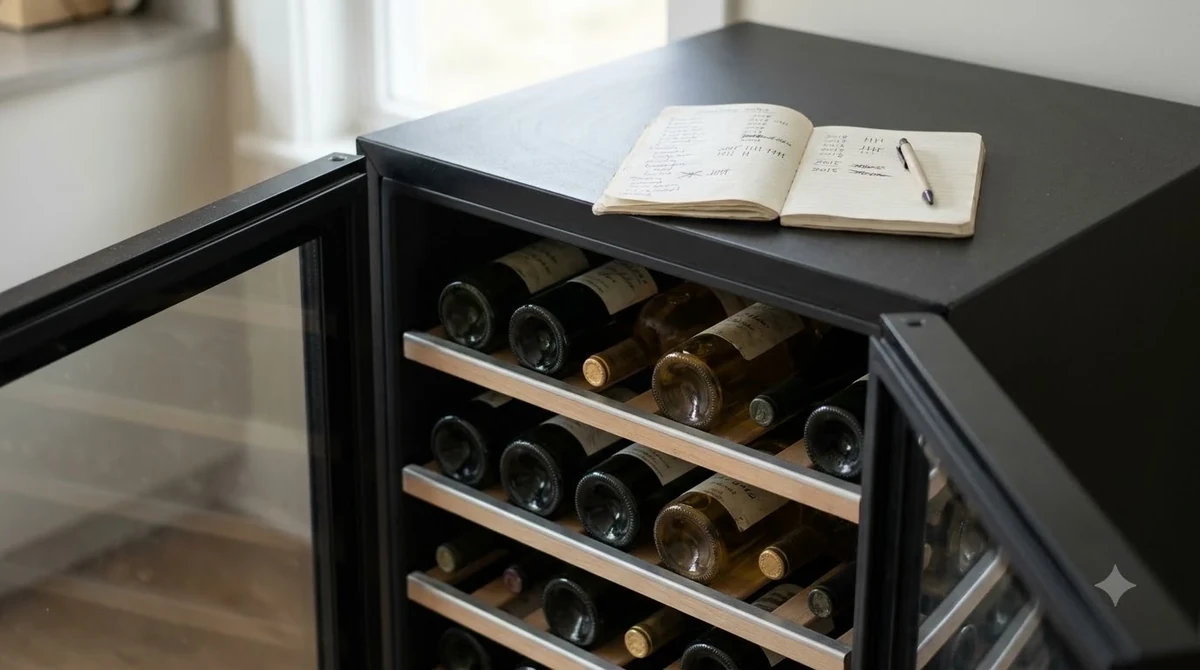
Good storage will not add complexity to a simple wine, but it will help preserve the fruit and freshness that are there. Keep unopened bottles away from sunlight and heat, ideally at a steady temperature near 55°F.
For a bottle with a cork, store it on its side so the cork stays in contact with the wine; a screw-cap bottle can stand upright. Avoid placing wine above an oven, near a sunny window, or in a garage with large temperature swings. If you plan to drink a red soon, a brief chill can bring it closer to serving temperature: a full red that has been sitting in a warm room may need 15–20 minutes in the refrigerator to move toward 60–65°F.
After opening, replace the closure promptly and refrigerate still wine. Most opened still wines are at their best within about 3–5 days; keep sparkling wine for roughly 1–3 days with a proper stopper, and use an opened boxed wine within about 4–6 weeks. The bag inside a box limits oxygen exposure as wine is dispensed, which is why boxed formats can last longer than a bottle once opened. If the aroma turns vinegary, bruised, or flat, the wine is past its best for drinking, though a sound but tired red may still be suitable for a cooked sauce.
Frequently Asked Questions
These quick answers cover a few details that can be confusing when comparing Winking Owl styles. They focus on grape terminology, serving choices, and why reviews of the same label may not sound identical.
Is Winking Owl Moscato sparkling?
It is generally described as a still wine, not a fizzy Moscato with the gentle spritz found in some Italian examples. Tasting Table specifically noted an absence of bubbles in its review, so do not buy it expecting a sparkling aperitif. Chill it well and choose it for its sweet fruit profile instead.
Are Pinot Grigio and Pinot Gris the same grape?
Yes. Pinot Grigio and Pinot Gris are two names for the same grape variety, although the labels often signal different stylistic traditions. Pinot Grigio commonly suggests a lighter, crisp expression, while Pinot Gris can refer to a broader range of textures and fruit ripeness depending on the region and producer.
How long should Winking Owl Shiraz breathe?
Tasting Table reported that about one hour of air softened the wine’s initially hot alcoholic impression. That is a reviewer observation, not a rule for every bottle; start by pouring a glass and seeing whether the fruit and spice open up. A short wait in the glass may be enough for a casual pour.
Can Sauvignon Blanc pair with goat cheese?
Yes. Sauvignon Blanc’s bright acidity is a classic match for fresh goat cheese because it cuts through the cheese’s creamy texture and complements its tang. Try it with a goat-cheese salad, asparagus, or a vegetable tart, and serve the wine at about 45–50°F.
Why can reviews of the same Winking Owl wine differ?
Palate preferences are a major factor: a drinker who likes ripe, soft fruit may enjoy a wine that another person calls too sweet or too simple. AldiThings also includes an owner comment describing some batch-to-batch variation in Shiraz, so small differences may be noticed across purchases. Serving temperature and the food on the table can change the impression as well.
Winking Owl is most successful as an easy, occasion-driven range: choose Sauvignon Blanc for a dry, bright white, Merlot or Cabernet for a simple red, and the sweet styles only when that sweetness is welcome. Match the bottle to the meal, serve it at the right temperature, and keep expectations centered on everyday drinkability rather than complexity.
More in Wine Brands
 Underwood Wine Price: Compare Bottles, Cans, and Pack SizesUpdated Nov 21, 2026
 Zenato Wine Price: Compare Styles and Choose the Right BottleUpdated Nov 21, 2026
 Zuccardi Wine Price: Compare Bottles and Find the Right RangeUpdated Nov 21, 2026
 Yellow Tail Moscato Review: Taste, Sweetness and Serving TipsUpdated Nov 21, 2026
 Wolf Blass Yellow Label Review: Choose Your Best StyleUpdated Nov 21, 2026
 Wolffer Estate Rose Review: Choose the Right Bottle for Your TableUpdated Nov 21, 2026