


We may earn a commission when you buy through links on this page, at no extra cost to you. Learn more.
The answer to “what is a good cheap wine” is an affordable bottle with balanced acidity, enjoyable fruit, appropriate structure, and clean flavors rather than an expensive label or prestigious origin. Excellent choices include Spanish Tempranillo, Argentine Malbec, Portuguese Vinho Verde, Chilean Sauvignon Blanc, and French Côtes du Rhône blends. The best option depends on your taste preferences, the meal, and how you plan to serve it. Learning to recognize value regions and straightforward quality indicators makes choosing an enjoyable bottle much easier.
Buying inexpensive wine does not mean settling for something unpleasant or choosing whichever bottle has the biggest promotional label. Some of the most satisfying everyday wines come from established producers in less-famous regions, where vineyard costs, production scale, and consumer demand allow wineries to offer approachable bottles. A little knowledge about grapes, acidity, tannins, and geographic origins can make a significant difference at the wine shelf. This guide explains what to look for, which styles are worth exploring, and how to avoid common purchasing mistakes.
Who This Is For
Good-value wine is particularly useful for everyday drinkers who want dependable bottles without paying for prestigious names. It also suits beginners, casual dinner hosts, and people who enjoy exploring different grapes without committing to expensive purchases.
Beginners should start with recognizable grapes and approachable styles. Merlot, Pinot Noir, Sauvignon Blanc, Chardonnay, and Riesling provide useful starting points because their typical characteristics are relatively easy to understand. Someone who enjoys soft, fruity reds may prefer Merlot, while a person who likes refreshing citrus flavors might prefer Sauvignon Blanc. If you are still deciding which direction to explore, our guide to what wine is good for beginners provides another starting point.
Everyday wine drinkers can benefit from looking beyond famous appellations. A bottle from La Mancha in Spain, Languedoc in southern France, or Mendoza in Argentina may offer satisfying fruit and structure without the premium associated with a celebrated wine region. These wines are often intended for relatively early drinking rather than long-term cellaring.
People hosting casual meals should consider versatility. A medium-bodied red can accompany burgers, roasted chicken, or pasta with tomato sauce, while a crisp white can work with seafood, salads, and lighter dishes. Sparkling wine can also be a practical choice for gatherings because its acidity and bubbles suit a range of foods.
There is no single bottle that everyone will enjoy. Someone who prefers sweet, aromatic whites may dislike a dry Sauvignon Blanc, while a Cabernet Sauvignon enthusiast may find a light Pinot Noir insufficiently structured. Understanding your own preferences is more useful than buying a bottle simply because someone calls it an exceptional value.
For a first purchase, choose one familiar grape, one unfamiliar grape, and a style that matches the meal. Comparing these bottles over separate occasions can help identify the characteristics you enjoy without turning every shopping trip into a complicated exercise.
Key Factors to Compare
A worthwhile inexpensive wine should offer balance, freshness, and a recognizable style. Compare the grape, region, sweetness, acidity, tannin, and intended drinking occasion rather than judging a bottle by its packaging alone.
| Factor | What to Look For | Why It Matters |
|---|---|---|
| Grape | Merlot, Malbec, Pinot Noir, Sauvignon Blanc | Provides an initial indication of flavor and structure |
| Region | La Mancha, Mendoza, Languedoc, Vinho Verde | Helps identify less-famous sources of value |
| Acidity | Fresh, lively, balanced character | Keeps wine refreshing and food-friendly |
| Tannin | Soft to firm, depending on the red wine | Influences texture and food compatibility |
| Sweetness | Dry, off-dry, or sweet | Determines whether the wine matches your preference |
| Serving temperature | 43–65°F, depending on style | Helps reveal the wine’s intended character |
| Serving size | 5 ounces | Provides a consistent tasting and serving reference |
Grape variety and expected flavor
The grape is one of the simplest ways to narrow down a selection. Cabernet Sauvignon generally produces fuller reds with high tannin, while Merlot tends to have medium tannin and softer fruit-driven character. Pinot Noir is usually lighter, with low-to-medium tannin and high acidity. Syrah can offer darker fruit, spice, and medium-plus to high tannin.
White grapes provide equally useful clues. Sauvignon Blanc and Riesling generally have high acidity, making them refreshing choices for food. Chardonnay usually has medium acidity and can range from crisp and restrained to fuller-bodied and creamy. Moscato is typically aromatic and can have noticeable sweetness with relatively low-to-medium acidity.
Regional reputation versus actual quality
Well-known regions can command higher prices because of vineyard scarcity, established reputations, and strong demand. Wine Enthusiast explains that these factors contribute to the cost of bottles from famous places such as Burgundy and Napa Valley. Choosing a broader regional designation or a neighboring appellation can sometimes provide a similar general style for less. Its advice for finding better wines for less also highlights lesser-known regions and producers as useful places to explore.
For example, drinkers interested in prestigious wines from the southern Rhône can investigate Gigondas, Vacqueyras, and Cairanne. Similarly, Languedoc offers a range of French wines worth exploring. The principle is simple: pay attention to what is in the bottle rather than assuming the most recognizable geographic name must provide the greatest enjoyment.
Climate also matters. Warmer growing regions generally produce riper fruit and fuller-bodied wines, while cooler climates tend to preserve acidity and create leaner styles. This explains why the same grape can taste noticeably different depending on its origin.
Balance matters more than intensity
A good wine does not need powerful aromas or concentrated flavors. Instead, its sweetness, acidity, alcohol, tannin, and fruit should work together. An inexpensive red with fresh cherry fruit and moderate tannin can be more satisfying than a heavier bottle whose alcohol overwhelms its other characteristics.
Look for a wine that tastes clean and has a finish appropriate to its style. A simple everyday bottle does not need extraordinary complexity. It should simply deliver the flavors and texture that its grape and region suggest.
Step-by-Step: How to Choose a Good Cheap Wine
Finding a satisfying bottle becomes easier when shopping follows a repeatable process. Use these six steps to narrow the options, compare labels, and select a wine that suits the occasion.
-
Decide whether you want red, white, rosé, or sparkling wine.
Start with the style you normally enjoy. Choose a red for someone who likes darker fruit and more structure, a white for someone who prefers freshness, or sparkling wine for an aperitif or celebration. This first decision removes many unsuitable options immediately.
-
Choose a familiar grape or a regional specialty.
For red wine, consider Merlot, Malbec, Tempranillo, or Grenache-based blends. For white wine, look at Sauvignon Blanc, Chardonnay, Riesling, or Portuguese white blends. Choosing a grape you recognize gives you a reasonable expectation of the wine’s general character.
-
Look beyond prestigious geographic names.
Explore Mendoza in Argentina, La Mancha in Spain, Languedoc in France, and Vinho Verde in Portugal. These regions offer a variety of accessible styles. A broader regional designation from an established producer can be a sensible alternative to a prestigious single-vineyard bottling.
-
Read the front and back labels.
Look for the grape variety, origin, producer, sweetness description, and alcohol percentage. European wines sometimes emphasize the region rather than the grape, so learning that Rioja commonly uses Tempranillo or that Vinho Verde is associated with Portuguese white wines can help you interpret unfamiliar labels.
-
Check reliable recommendations and ask a retailer.
Professional reviews can provide helpful information when the recommendation identifies the exact wine and vintage. A knowledgeable retailer can also suggest alternatives based on your preferences. Wine Enthusiast recommends using knowledgeable wine sellers and experimenting with bottles that match your taste rather than relying exclusively on promotional claims.
-
Choose a bottle for the meal and serving occasion.
A crisp white may be suitable for grilled fish, while a medium-bodied red can accompany roast chicken or pasta. Consider how many people will drink the wine, whether it will be served with food, and whether the bottle is intended for immediate enjoyment.
One useful strategy is to keep a simple record of wines you enjoy. Write down the grape, region, general sweetness, and characteristics you noticed. After several purchases, you may discover that you consistently prefer Argentine Malbec, Spanish Tempranillo, or crisp Portuguese whites. That information makes future purchases much more predictable.
Tip: Ask a wine retailer for an alternative to a famous wine you already enjoy. If you like bold Cabernet Sauvignon, for example, ask about Australian Margaret River Cabernet Sauvignon or a suitable Rioja. Describing the flavor you want is often more helpful than asking for the cheapest bottle in the store.
Types and Styles Explained
Some wine categories consistently provide opportunities for affordable everyday drinking. Spanish reds, Portuguese whites, southern French blends, Argentine Malbec, and traditional-method sparkling alternatives are useful starting points for shoppers seeking quality without a prestigious appellation.
Spanish reds: Tempranillo and Garnacha
Spain offers a wide range of red wines with different levels of body, fruit, and oak influence. Tempranillo is especially associated with Rioja, where the grape provides flavors of red and dark fruit, savory notes, and a structure that can develop through aging.
Rioja’s Crianza, Reserva, and Gran Reserva categories provide information about aging. A younger Crianza can offer accessible fruit and some oak character, while Reserva and Gran Reserva wines generally spend longer aging before release. These categories help shoppers understand the style rather than relying on the prestige of a producer’s name.
Garnacha, also known as Grenache, is another worthwhile option. It often produces juicy red-fruit flavors and moderate tannin. Bottles from less-famous Spanish regions can be approachable choices for casual meals, especially grilled vegetables, roasted chicken, and tomato-based dishes.
Argentine Malbec and Chilean reds
Argentina’s Mendoza region is an excellent place to investigate Malbec. The grape typically produces medium-to-full-bodied red wine with dark fruit, moderate acidity, and noticeable tannin. Its generous fruit character can work particularly well with grilled meats, burgers, and roasted vegetables.
Chile also produces a broad selection of red wines, including Cabernet Sauvignon, Merlot, and Carmenère. Cabernet Sauvignon tends to have firmer tannins, while Merlot is generally softer. Carmenère can offer dark fruit, herbal notes, and a distinctive savory character.
These varieties make useful comparisons for people who want to discover whether they prefer firm, structured reds or softer, fruit-forward styles. Rather than assuming every wine from a country tastes alike, consider the individual grape and producer.
Portuguese whites and French regional wines
Vinho Verde from Portugal is worth considering for drinkers who prefer refreshing white wine. It is often light-bodied, high in acidity, and suitable for seafood, salads, and casual warm-weather meals. Some examples have a slight natural spritz, although not every bottle is sparkling.
For another white wine option, consider Loire Valley wines made from Sauvignon Blanc or Chenin Blanc. Sauvignon Blanc usually emphasizes fresh citrus and herbal characteristics, while Chenin Blanc can range from dry and crisp to off-dry or sweeter. Both grapes offer useful choices for different food pairings.
In France, Languedoc and Côtes du Rhône are worth investigating for approachable regional wines. Côtes du Rhône reds commonly feature Grenache-based blends, often with Syrah and other permitted grapes. Languedoc offers diverse styles, including reds, whites, and rosés.
Affordable sparkling wine
Champagne is not the only sparkling wine worth considering. Cava from Spain and Crémant from several French regions are useful alternatives for people who want traditional-method bubbles. These wines undergo their second fermentation in the bottle, the same broad production principle used for Champagne.
Prosecco offers another style. It is made primarily from Glera grapes and generally uses the tank method, which preserves fresh fruit and floral characteristics. Its typical alcohol content is around 11–12% ABV. It can be a practical choice for casual celebrations and aperitifs.
Pay attention to sweetness terminology when comparing sparkling wines. From driest to sweetest, the main categories are Brut Nature, Extra Brut, Brut, Extra Dry, Dry, Demi-Sec, and Doux. The name Extra Dry can be confusing because it is sweeter than Brut.
Rosé and versatile everyday bottles
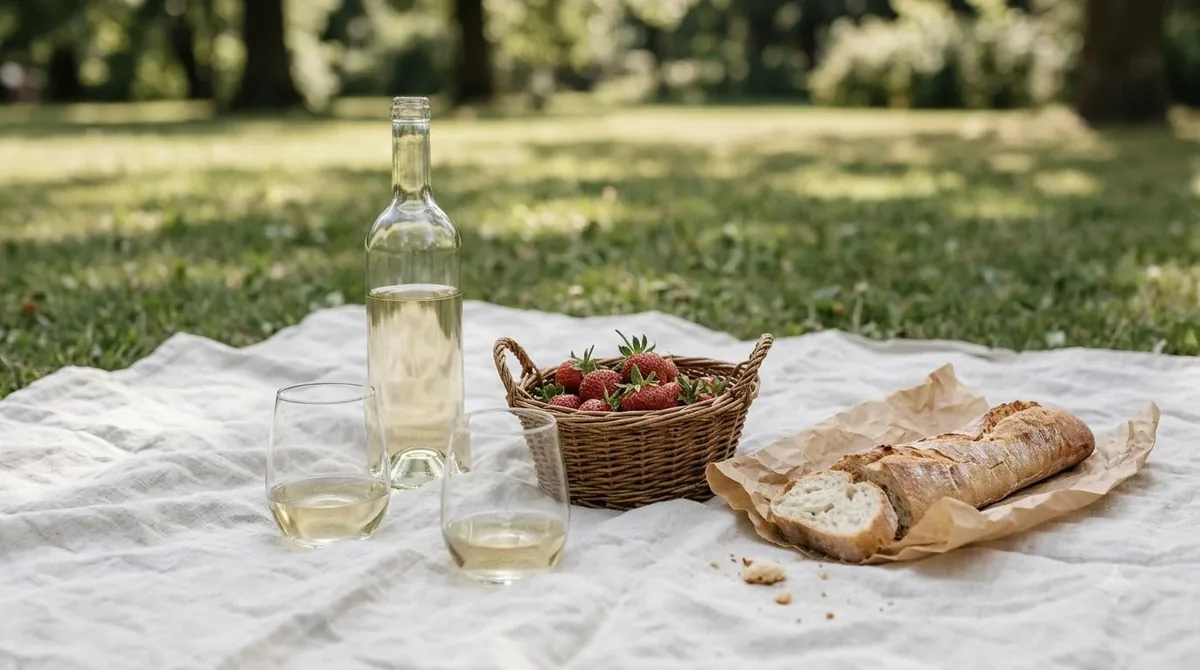
Rosé is another category worth considering. It can be made from several red grape varieties and ranges from bone-dry to noticeably fruity. A dry rosé with fresh acidity is especially useful for outdoor meals, salads, grilled vegetables, and seafood.
For everyday use, prioritize a clean and refreshing style over unnecessary complexity. A simple bottle that pairs well with several meals may offer more practical value than a more ambitious wine that only suits a specific occasion.
Common Mistakes When Buying Inexpensive Wine
The most common purchasing mistakes involve confusing marketing with quality, ignoring personal preferences, and expecting every inexpensive bottle to taste like a prestigious wine. A few simple checks can prevent disappointing purchases.
Assuming a higher price guarantees better wine
Price reflects more than the quality of the liquid. Vineyard land, labor, production methods, distribution, packaging, reputation, and consumer demand can all affect the final cost. Famous regions may charge more because their names are desirable, even when less-famous neighboring areas produce wines with appealing characteristics.
The Irish Times emphasizes that a prestigious origin does not automatically make a wine better than its neighboring alternatives. The publication specifically points to Gigondas, Vacqueyras, and Cairanne as alternatives to Châteauneuf-du-Pape. This illustrates why geographic comparisons are useful when seeking value. Its guide to finding good-value wine also discusses affordable alternatives and regions worth exploring.
Choosing a bottle because of its packaging
Heavy glass, elaborate labels, decorative closures, and impressive packaging do not establish wine quality. A simple bottle can contain well-made wine, while attractive presentation may have little relationship to the flavor inside.
Instead, pay attention to the producer, grape, region, and style. A recognizable winegrowing area and a clearly identified grape provide more useful information than decorative claims on the front label.
Misunderstanding wine awards and scores
Wine medals and critic scores can help narrow a selection, but they should not replace an understanding of personal taste. A score may apply to one vintage, while the bottle currently available in a store comes from another. The tasting description is also important because a highly rated wine may still be too dry, too tannic, or too full-bodied for your preference.
Look for the publication or critic behind a score, the specific wine being evaluated, and the vintage. Avoid assuming that a medal or a promotional sticker automatically establishes exceptional quality.
Buying deep discounts without investigating
A heavily reduced bottle is not necessarily a good purchase. Wine Enthusiast cautions that promotional pricing can sometimes create the impression of a bargain without representing genuine value.
Consider why a wine is being promoted and whether it matches your preferred style. An unfamiliar bottle with a large promotional label is still an unfamiliar bottle. A recommendation from a knowledgeable retailer can provide a better basis for comparison.
Ignoring sweetness and food compatibility
Sweetness and food pairing can dramatically influence how enjoyable a wine feels. A very dry wine may seem sharp with a sweet dessert, while a sweet wine can taste balanced alongside fruit-based desserts. A good general rule is to choose wine at least as sweet as the dessert.
Acidic food generally works better with wine that has equal or higher acidity. Salt and fat can soften the perception of tannin, making structured reds more suitable for rich dishes. Chili heat, however, can become more pronounced with alcohol and tannin, so a lower-tannin wine with some sweetness may be a better option for spicy meals.
Care and Storage Tips
Serving temperature, storage conditions, and opening practices influence how inexpensive wine tastes. Even a straightforward everyday bottle can be more enjoyable when it is served at the appropriate temperature and protected from excessive heat and light.
Serve each style at the right temperature
Serving wine too warm can make alcohol seem more prominent, while excessive chilling can suppress aromas and flavors. Use these temperature ranges as practical starting points:
- Sparkling wine: 40–50°F.
- Light-bodied whites and rosé: 45–50°F.
- Full-bodied whites: 50–55°F.
- Light-bodied reds: 55–60°F.
- Full-bodied reds: 60–65°F.
- Sweet whites: 43–50°F.
For example, a light Pinot Noir can benefit from slight chilling, while a fuller Cabernet Sauvignon is generally more expressive when served somewhat warmer. Sauvignon Blanc and Vinho Verde are refreshing when properly chilled, but serving them extremely cold can make their aromas harder to appreciate.
Store unopened bottles properly
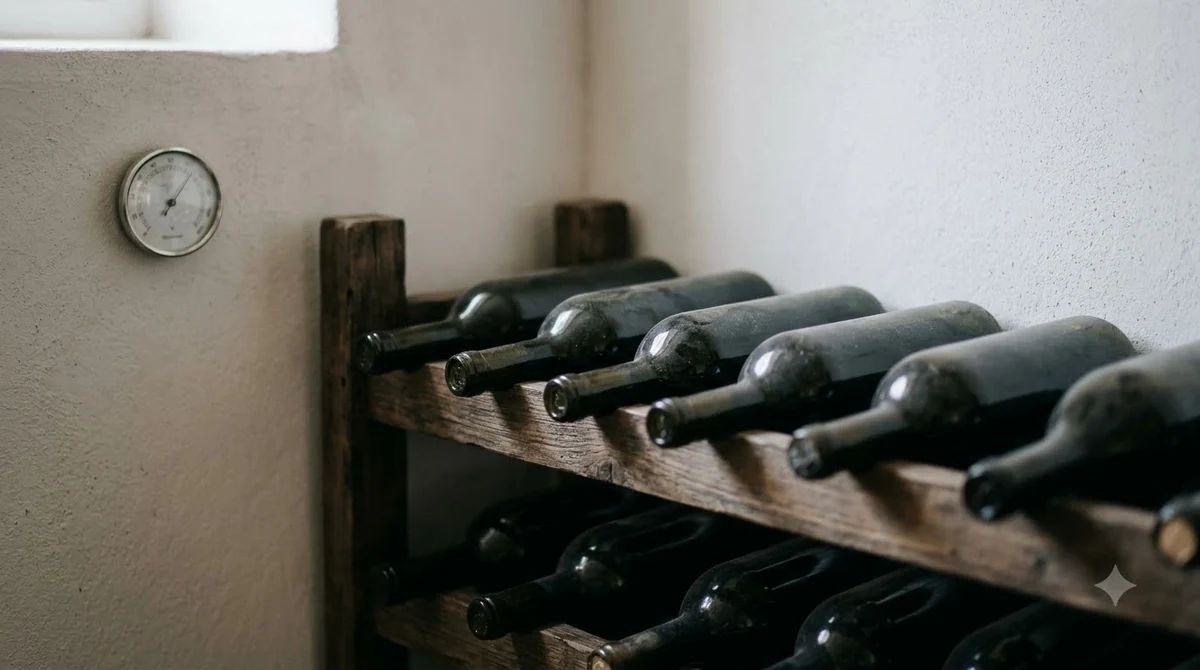
Keep wine away from direct sunlight, heat sources, and large temperature fluctuations. A consistent storage temperature near 55°F is a useful target. Bottles with traditional cork closures are generally stored horizontally to help keep the cork from drying out.
Everyday inexpensive wine usually does not need extended cellaring. Many approachable bottles are intended to be enjoyed relatively young. Buying a wine for immediate or near-term consumption is often more practical than storing it for years in the hope that it will improve.
Preserve opened bottles
Once opened, wine gradually changes through exposure to oxygen. Replacing the closure and refrigerating the bottle can slow this process. Typical storage expectations are:
- Sparkling wine: approximately 1–3 days with an appropriate sparkling-wine stopper.
- Still wine: approximately 3–5 days when properly resealed and refrigerated.
- Fortified wine: several weeks, depending on the style and storage conditions.
- Bag-in-box wine: approximately 4–6 weeks after opening, depending on the product and handling.
These are general guidelines rather than guarantees. Wine can change sooner depending on its condition, exposure to air, and storage temperature.
Use suitable glasses and serving portions
A standard wine pour is approximately 5 ounces, and a 750 ml bottle provides about five standard glasses. Pouring smaller portions can be useful when serving several wines at a dinner or comparing different grape varieties.
There is no requirement to use expensive glassware for everyday wine. A clean, transparent wine glass with enough room to swirl is generally sufficient. For young, full-bodied red wines, decanting for approximately 30–60 minutes can help soften the initial impression and release aromas, although many lighter wines do not require this step.
Good storage and serving practices will not transform a poorly made wine into a great one. They will, however, help a well-made everyday bottle show its intended fruit, acidity, and structure.
Frequently Asked Questions
Can inexpensive wine be made from high-quality grapes?
Yes. The final cost of a bottle does not depend solely on grape quality. Vineyard scale, land costs, production volume, packaging, and distribution can all influence pricing. A producer can make an enjoyable wine from carefully managed vineyards without using expensive new oak barrels or prestigious single-vineyard fruit.
Does cheap wine contain more added sugar than expensive wine?
Not necessarily. Sweetness depends on the wine’s production style and the amount of residual sugar remaining after fermentation, not simply its retail price. Dry wines can be inexpensive or expensive, and the same is true of sweet wines. Look for sweetness descriptions and technical information when available rather than assuming price indicates sugar content.
Can inexpensive wine be suitable for cooking?
Yes. A clean, dry wine that tastes pleasant on its own can work well in sauces, braises, and marinades. Sauvignon Blanc can suit seafood sauces, while Merlot or Côtes du Rhône can complement some tomato-based dishes and meat preparations. Avoid using a wine with obvious spoilage or unpleasant flavors because cooking does not reliably remove those characteristics.
What does a wine’s vintage year tell you?
The vintage identifies the year the grapes were harvested, not necessarily the year the bottle was released or purchased. Non-vintage sparkling wines are made by blending wines from multiple harvest years. For everyday wines intended for early drinking, producer and regional style can be more useful shopping clues than searching for an especially old vintage.
Is screw-cap wine lower quality than cork-sealed wine?
No. Screw caps are legitimate closures used for wines across different quality levels and countries. They can provide a consistent seal and make bottles easier to open without a corkscrew. Closure choice alone does not establish the quality of the grapes, winemaking, or finished wine.
Finding an enjoyable inexpensive wine is mainly about understanding your preferences and looking beyond famous labels. Start with approachable grapes, explore regions such as Mendoza, Rioja, Languedoc, and Vinho Verde, and compare wines by their balance and food compatibility. Keep track of the bottles you enjoy, ask knowledgeable retailers for similar alternatives, and use those discoveries to build a dependable collection of everyday favorites. For more terminology and practical buying advice, explore our Wine Q&A and wine basics resources, including an explanation of what a sommelier can help you choose at a wine shop or restaurant.
More in Wine Basics
 Which Rose Is Best for Your Taste, Budget, and Food PairingsUpdated Nov 21, 2026
 Is Cheap Wine Bad? How to Find Bottles Worth DrinkingUpdated Nov 21, 2026
 What To Write On A Wine Gift Tag: Thoughtful Messages For Every OccasionUpdated Nov 21, 2026
 Which Wine Is Best For Weight Loss? Compare Lower-Calorie ChoicesUpdated Nov 21, 2026
 What Is The Best Wine For Mimosas? Choose Bubbly That Balances Orange JuiceUpdated Nov 20, 2026
 Which Prosecco Is Best for Your Taste and OccasionUpdated Nov 20, 2026