

We may earn a commission when you buy through links on this page, at no extra cost to you. Learn more.
The brumate wine chiller is a portable insulated wine canteen designed to hold a complete 750 ml bottle and maintain its temperature for more than 24 hours. BrüMate’s Winesulator combines stainless steel construction, BevGuard insulation, a screw-on lid and a non-slip base in a bottle-shaped container. It is particularly appealing for picnics, camping, beach outings and outdoor gatherings, although its relatively narrow opening and bottle-style drinking experience will not suit everyone.
Keeping wine at a pleasant serving temperature is easier at home than outdoors. A chilled Sauvignon Blanc can warm quickly on a sunny patio, while a light Pinot Noir can lose its appeal if left in direct sunlight. Traditional ice buckets help, but they are inconvenient to carry and need ice and water to work effectively.
The BrüMate Winesulator takes a different approach. Instead of surrounding a conventional wine bottle with a cooling sleeve, it transfers the wine into an insulated stainless steel container. That distinction matters because the Winesulator is designed to carry the wine itself, rather than act as a removable cover for the original bottle. Its usefulness therefore depends on how often portability, temperature retention and spill prevention matter more than presentation at the table.
Specs and Key Features
The Winesulator is a 25 oz insulated wine canteen built around the capacity of a standard 750 ml bottle. Its main advantages are vacuum-insulated stainless steel construction, a secure screw-on cap and a non-slip base for outdoor use.
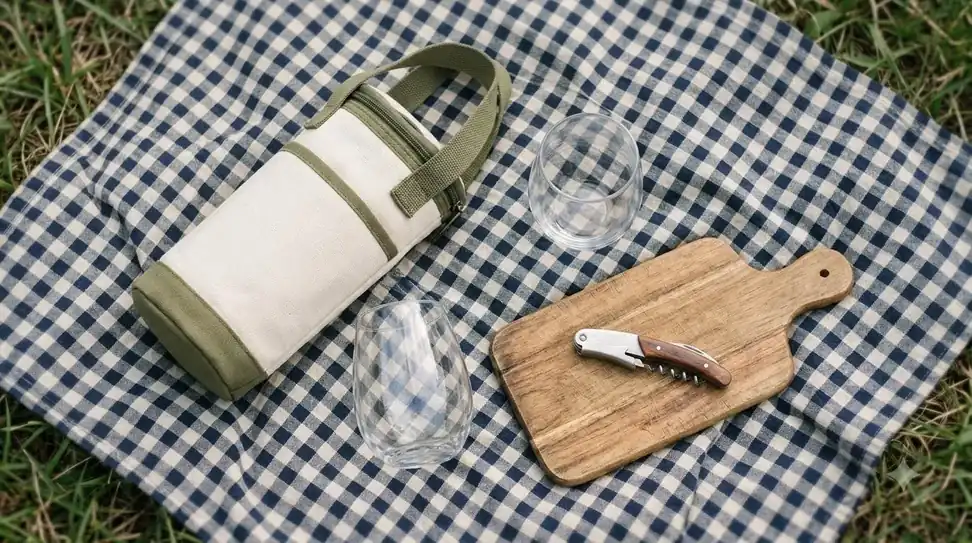
BrüMate’s product information emphasizes BevGuard insulation and a bottle-shaped design. The container is intended for transporting wine without requiring a separate ice bucket. Its 25 oz capacity gives it enough room for approximately one standard bottle, making it more practical for sharing than a small insulated wine tumbler.
The physical measurements are important because this is a relatively tall container. Backcountry lists its height at 12.13 inches and its diameter at 2.98 inches, with a claimed weight of 1 pound 8 ounces. That combination makes it easy to hold like a bottle, but it is not as compact as a small stemless wine cup.
| Specification | BrüMate Winesulator |
|---|---|
| Product type | Insulated wine canteen |
| Capacity | 25 fl oz |
| Approximate wine capacity | 750 ml |
| Height | 12.13 inches |
| Diameter | 2.98 inches |
| Claimed weight | 1 lb 8 oz |
| Body material | Vacuum-insulated stainless steel |
| Exterior finish | Powder-coated |
| Insulation claim | 24+ hours |
| Lid | Screw-on leakproof cap |
| Base | Non-slip |
| Cleaning | Hand wash recommended |
The dimensions and weight above come from Backcountry’s published product specifications, while the capacity, material and care details are also supported by BirdieBox’s product description. The insulation duration is a manufacturer-promoted performance claim, not a guarantee that wine will remain at a precise serving temperature regardless of starting temperature or outdoor conditions.
One important distinction is that 25 oz is the container’s stated capacity, not a recommendation to fill it beyond its intended limit. A standard 750 ml bottle contains approximately 25.4 US fluid ounces, so the manufacturer’s full-bottle description and the nominal capacity should be understood as an approximate fit rather than a reason to force additional liquid into the canteen.
For product details, the official BrüMate wine drinkware collection explains how the Winesulator fits into the company’s wider range of insulated wine containers.
What Owners Like
The strongest appeal of the Winesulator is its ability to transport an entire bottle of wine in one reusable container. Owner feedback also highlights its usefulness for outdoor occasions, its appearance and its ability to keep beverages at a more consistent temperature during travel.
Backcountry’s customer feedback includes several examples of practical use. One customer described bringing an additional chilled bottle to a Thanksgiving meal, while other reviewers discussed using the container at lakes, parks and outdoor gatherings. These comments illustrate the situations where the design makes the most sense: occasions where carrying a traditional glass bottle is inconvenient or where an ordinary wine glass would be impractical.
The capacity is another advantage. Many insulated wine tumblers hold only a single serving or a few glasses. The Winesulator instead accommodates approximately one standard bottle, which means a couple can bring enough wine for a meal or a small group can share a bottle without transporting several separate glasses.
The leakproof-cap design is particularly useful for travel. A conventional opened wine bottle is awkward to carry in a backpack, especially if it has a cork or an imperfect closure. The screw-on Winesulator cap is intended to provide a more secure seal. That makes the container a more convenient option for taking wine to a picnic blanket, campsite or outdoor event.
Its exterior design also contributes to its appeal. The powder-coated stainless steel body gives the canteen a finished appearance, while the non-slip base provides additional stability when it is placed on a picnic table or patio surface. The bottle-like shape is recognizable without being as fragile as a glass wine bottle.
Another useful feature is its flexibility beyond wine. Because the insulated container is not restricted to one specific wine style, it can also carry other suitable beverages. Customer comments on Backcountry describe using the product for drinks other than wine, including cocktails and water.
Temperature retention in everyday use
Temperature control is where the Winesulator offers its main practical benefit. BrüMate promotes more than 24 hours of temperature retention through its BevGuard insulation. That does not mean a bottle of white wine will remain at exactly 45 degrees Fahrenheit for an entire day, but it does provide an insulated environment that slows temperature changes compared with an ordinary glass bottle.
Starting temperature remains important. White wine poured into a container at room temperature will not become properly chilled simply because the container is insulated. The best approach is to chill the wine first, transfer it while cold and keep the canteen away from direct sunlight whenever possible.
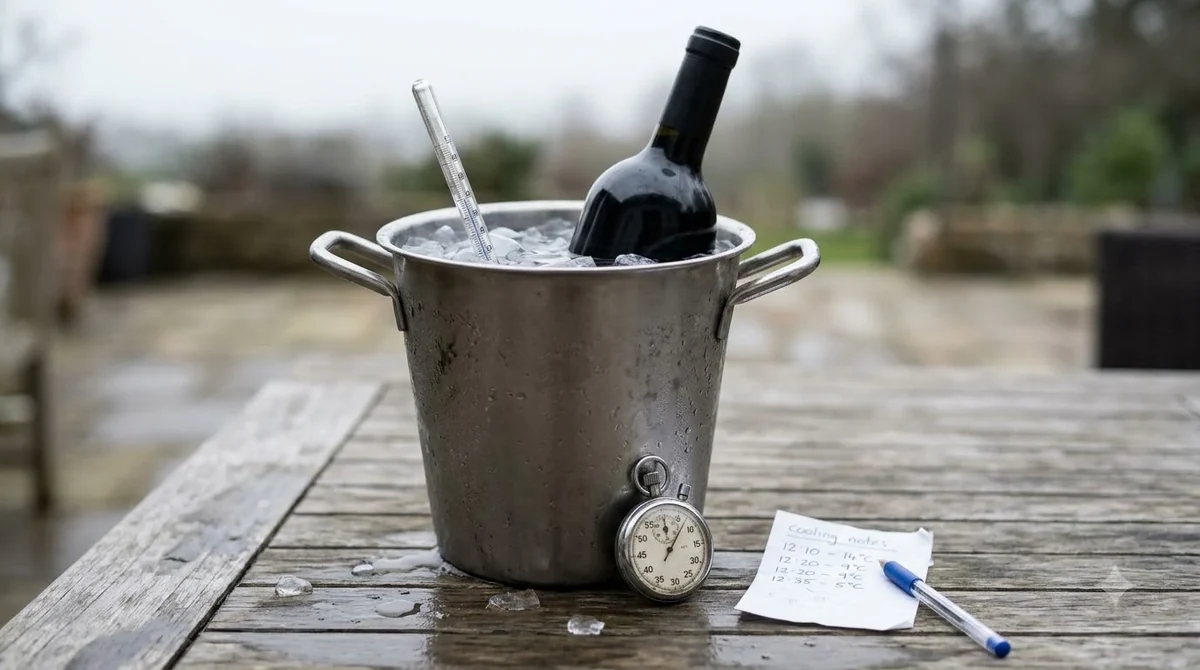
For serving, light white wines and rosé generally work well around 45 to 50 degrees Fahrenheit. Full-bodied whites are usually more enjoyable around 50 to 55 degrees. The insulated body helps preserve the initial temperature, but a thermometer is still the most reliable way to assess the wine rather than relying on how cool the outside of the container feels.
For readers who regularly transport bottles to outdoor meals, the Winesulator offers a useful combination of bottle-sized capacity and insulation. It is a more practical carrying solution than taking an ordinary glass bottle and hoping that an ice bucket will be available at the destination.
Common Complaints and Limitations
The Winesulator has a few compromises that are easy to overlook in product photographs. Its weight, bottle-style format, cleaning requirements and need to transfer wine from the original bottle make it less convenient for some situations than a conventional wine glass or bottle cooler.
The first consideration is weight. Backcountry lists the claimed weight at 1 pound 8 ounces before adding wine. A full container will therefore be considerably heavier than an empty insulated bottle. That may not matter when carrying it from a car to a picnic table, but it becomes more noticeable when walking a long distance or packing several containers for a camping trip.
Its dimensions also deserve attention. At 12.13 inches tall, the Winesulator takes up more vertical space than many ordinary drink bottles. The 2.98-inch diameter may work with some bottle pockets, but compatibility depends on the pocket’s shape and available depth. Buyers should measure their backpack’s side pocket rather than assume every bottle compartment will accommodate it.
Another limitation is that the Winesulator is not a conventional wine glass. Wine poured directly from it into a glass can still be enjoyed normally, but drinking from the canteen itself does not provide the same aroma experience as using a suitable wine glass. This is particularly relevant for aromatic wines such as Riesling, Sauvignon Blanc and Pinot Noir, where the shape of the glass can help concentrate aromas.
There is also an extra preparation step. Wine must be transferred from its original bottle into the Winesulator before leaving home. That requires opening the wine in advance, and it means the original bottle is no longer available for presentation at the destination. For a formal dinner, restaurant visit or wine tasting, that can be an unnecessary inconvenience.
Cleaning is another consideration. BirdieBox recommends hand washing, so buyers should not assume the entire canteen can be placed in a dishwasher. Its narrow bottle-like opening also means that a suitable bottle brush can make cleaning easier, particularly after using it for red wine or a sticky cocktail.
Insulation is not active refrigeration
The 24-hour-plus insulation claim should not be confused with an electric cooling system. The Winesulator slows temperature changes; it does not actively lower the temperature of warm wine. If a white wine starts at 70 degrees Fahrenheit, the canteen will not automatically bring it down to the preferred serving range.
Outdoor conditions also matter. A container left in direct sunlight on a hot beach will experience different conditions from one stored in a shaded cooler bag. The insulation helps, but it cannot remove the influence of surrounding heat indefinitely.
Finally, the capacity is designed around a standard bottle rather than every possible wine format. Larger sparkling wine bottles, oversized specialty bottles and unusually shaped containers will not fit inside the 25 oz design. Buyers who regularly purchase large-format wine should consider a different carrying arrangement.
Who Should Buy and Who Should Skip
The BrüMate Winesulator is best for people who regularly take wine away from home and want to keep a complete bottle insulated in a reusable container. It is less suitable for drinkers who prioritize traditional wine presentation, minimal weight or immediate access to the original bottle.
Outdoor enthusiasts are the clearest audience. A picnic, camping trip, lake outing or beach gathering often creates practical problems for glass bottles. The Winesulator addresses those problems by combining a full-bottle capacity with an insulated stainless steel body and a screw-on cap. Its non-slip base is another useful detail when setting it down on uneven or slippery surfaces.
It is also a reasonable option for hosts who need to transport wine to another location. Rather than carrying a bottle in a separate bag, they can transfer the wine into the canteen and take it to a friend’s home, outdoor dinner or holiday gathering. The container’s capacity makes it more useful for sharing than smaller insulated wine tumblers.
Best users for the Winesulator
White wine and rosé drinkers: These wines are commonly served cool, making insulation especially useful during warm-weather gatherings. Sauvignon Blanc, Pinot Grigio and dry rosé are natural choices for outdoor use. Chill the wine before transferring it, then keep the container shaded.
Casual red wine drinkers: The Winesulator can also transport red wine. Light reds such as Pinot Noir and Gamay are particularly suitable for slightly cooler outdoor serving temperatures. A full-bodied Cabernet Sauvignon or Syrah can also be carried, although those wines generally benefit from a warmer serving temperature than chilled whites.
Frequent travelers: The secure cap and stainless steel construction offer a convenient alternative to transporting an opened glass bottle. It is particularly useful when traveling to destinations where glass containers are discouraged or prohibited.
Gift buyers: The bottle-style design and reusable construction make the Winesulator a practical gift for someone who enjoys outdoor entertaining. It is more distinctive than an ordinary wine glass and has a clear use beyond decorative barware.
Who should choose another option?
People who primarily drink wine at home may not need a dedicated insulated canteen. A traditional bottle cooler can keep the original bottle in its normal form, while an ice bucket offers a familiar serving arrangement for dinner parties.
Wine enthusiasts who regularly compare aromas and flavors may prefer to carry wine in its original bottle and serve it in proper stemware. The Winesulator is a transport accessory, not a replacement for a good wine glass.
Those who need a lightweight, compact solution should also consider smaller insulated drinkware. A 14 oz wine tumbler is easier to carry when the goal is a single serving rather than a complete bottle. Similarly, anyone who wants active temperature control should consider an electric cooling appliance instead of passive insulation.
Tip: Chill the wine to its intended serving temperature before transferring it. For most light whites and rosé, aim for 45 to 50 degrees Fahrenheit. Fill the canteen carefully, secure the cap and keep it out of direct sunlight to help maintain the starting temperature.
How It Compares to Alternatives
The Winesulator is a transport-focused wine accessory rather than a traditional bottle sleeve or countertop cooling appliance. Its main distinction is that it holds the wine itself, whereas other wine chillers may cool an unopened bottle or provide a dedicated serving vessel.
Choosing between these products depends on whether the priority is portability, appearance, convenience or temperature control. A full-bottle canteen is useful for travel, but it is not automatically the best option for every wine occasion.
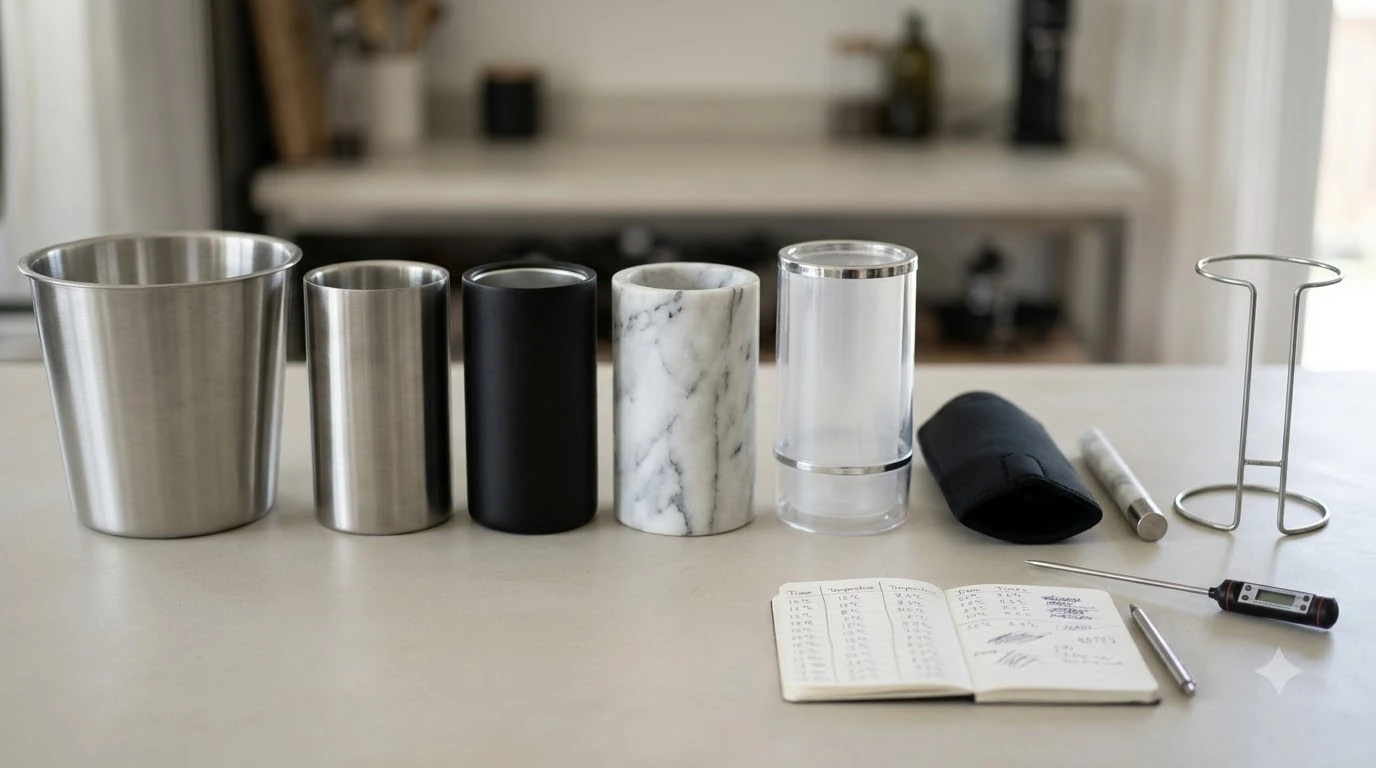
BrüMate Winesulator vs. a marble wine chiller
A marble wine chiller offers a more traditional presentation. It typically surrounds the original wine bottle with a heavy stone sleeve, creating an attractive tabletop accessory for a dining room or kitchen. It is especially appealing when the wine needs to remain accessible in its original bottle.
The Winesulator has a different purpose. It is designed to carry the wine itself, making it more convenient for outdoor use and situations where a traditional bottle would be difficult to transport. Marble is generally better suited to stationary entertaining, while stainless steel is the more practical choice for carrying wine between locations.
BrüMate Winesulator vs. an electric wine chiller
An electric wine chiller is a better fit for someone who wants a dedicated cooling appliance at home. Depending on the appliance, it may actively regulate temperature or provide controlled cooling for a bottle.
The Winesulator does not need a power outlet or charging arrangement to provide insulation. Its advantage is portability, while an electric appliance is more appropriate when precise temperature management and convenient access to the original wine bottle matter more than travel.
BrüMate Winesulator vs. an instant wine chiller
An instant wine chiller is generally intended to cool wine quickly, making it useful when a bottle has not been chilled in advance. The Winesulator instead helps preserve an existing temperature during transport and serving.
These accessories therefore solve different problems. Someone who frequently forgets to chill wine before dinner may benefit more from an instant cooling solution, while someone who regularly carries chilled wine to outdoor gatherings may get more value from the Winesulator.
Other BrüMate wine drinkware
BrüMate also offers smaller wine drinkware, including the 14 oz Uncork’d and 12 oz Champagne Flute, alongside the larger 49 oz Togosa. Those products have different capacities and serving purposes, so the correct choice depends on whether the buyer wants an individual drinking vessel, a bottle-sized container or a larger serving accessory.
The Winesulator occupies the middle ground for full-bottle portability. It is more useful than a single-serving tumbler when transporting wine for two or more people, but it does not provide the larger capacity of the Togosa.
For a broader overview of available wine accessories and drinkware, the Accessory Brands section provides another starting point for comparing products designed for different occasions.
Frequently Asked Questions
Does the BrüMate Winesulator work with sparkling wine?
The canteen is designed around a standard bottle-sized capacity, but it is not specifically a sparkling wine serving vessel. Carbonated wine requires careful handling during transfer because agitation and pressure can encourage foaming. For Champagne or Prosecco, retaining the original bottle and using a suitable sparkling wine stopper is generally the more practical approach.
Can the Winesulator be used for hot beverages?
Its insulated stainless steel construction can help maintain beverage temperatures, but the product is marketed primarily for wine and cold drinks. Buyers should follow the manufacturer’s current instructions before using it with hot liquids. The narrow bottle-style opening also requires care when filling or drinking warm beverages.
Does transferring wine into stainless steel affect its flavor?
Short-term storage in a suitable food-contact stainless steel container is generally different from aging wine in a reactive metal vessel. BrüMate describes its wine drinkware as designed to avoid the metallic taste associated with some stainless steel products. For extended wine storage, however, a purpose-built wine bottle with an appropriate closure remains the better choice.
Can the Winesulator replace a wine decanter?
No. A wine decanter is designed to expose wine to air and, in some cases, separate older wine from sediment. The Winesulator is an insulated transport container rather than an aeration vessel. Young, full-bodied reds that benefit from 30 to 60 minutes of decanting should be handled separately before serving.
Is the Winesulator suitable for long-term wine storage?
No. Its main purpose is short-term transportation and temperature retention, not bottle aging. Wine intended for extended storage is better kept in appropriate conditions near 55 degrees Fahrenheit, away from strong light and temperature fluctuations. The original bottle and its closure are preferable for that purpose.
The BrüMate Winesulator is a practical choice for wine drinkers who want to transport a complete bottle without relying on glass or an ice bucket. Its 25 oz capacity, insulated stainless steel body and screw-on cap make it particularly useful for picnics, camping and outdoor entertaining. Buyers who prioritize traditional wine presentation or active cooling may prefer another accessory, but for portable bottle-sized wine storage, the Winesulator has a clear and useful purpose.
More in Wine Accessories
 Cuisinart Wine Opener Instructions for Easier Cork RemovalUpdated Nov 21, 2026
 Brumate Wine Aerator: Know What BrüMate Actually SellsUpdated Nov 21, 2026
 Cuisinart Gift Set: Practical Wine Accessories for Better HostingUpdated Nov 21, 2026
 Corkcicle Wine Accessories for Better Wine ServingUpdated Nov 21, 2026
 Aervana Electric Wine Opener Review: Understand What It DoesUpdated Nov 21, 2026
 Corkcicle Wine Aerator Review: Chill and Aerate Wine While PouringUpdated Nov 21, 2026