

We may earn a commission when you buy through links on this page, at no extra cost to you. Learn more.
Libbey stemless wine glasses are practical, versatile everyday glasses that offer straightforward designs, useful capacities, and dishwasher-safe convenience. Their biggest advantages are their stable, stem-free shape, multiple size options, and suitability for both wine and other drinks. The 9-ounce and 15-ounce models are particularly useful choices, although buyers should consider glass thickness, handling preferences, and occasional manufacturing or shipping complaints before purchasing.
Libbey has several stemless glass designs rather than just one standard model. Its collection includes smaller glasses for modest servings, larger options for red and white wine, and specialized shapes for sparkling wine. This review examines the available specifications, customer feedback, everyday advantages, and limitations to help determine which version makes the most sense for a home wine collection.
Specs and Key Features
Libbey’s stemless collection focuses on uncomplicated glass construction, comfortable proportions, and multipurpose serving. Its standard 9-ounce and 15-ounce models offer two distinctly different approaches to everyday wine service.
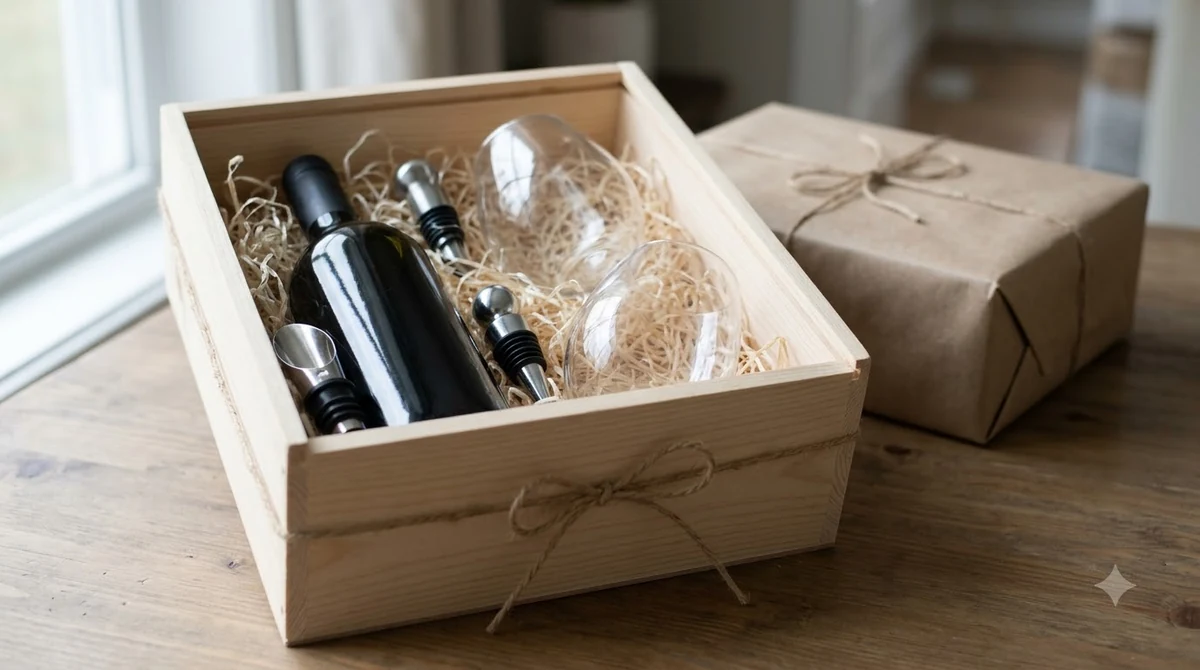
The manufacturer classifies both item 207 and item 213 as all-purpose wine glasses. Each has a tapered rim designed to help direct aromas toward the nose, while the stemless construction creates a compact silhouette that works for casual meals, entertaining, and everyday drinks. Both are made from clear glass and identified as dishwasher-safe.
The difference between the two principal models is capacity and overall footprint. Item 207 holds 9 ounces and measures 3.68 inches tall, making it a relatively compact option. Item 213 holds 15 ounces and stands 4.3 inches tall, offering considerably more room for wine and a larger visible bowl.
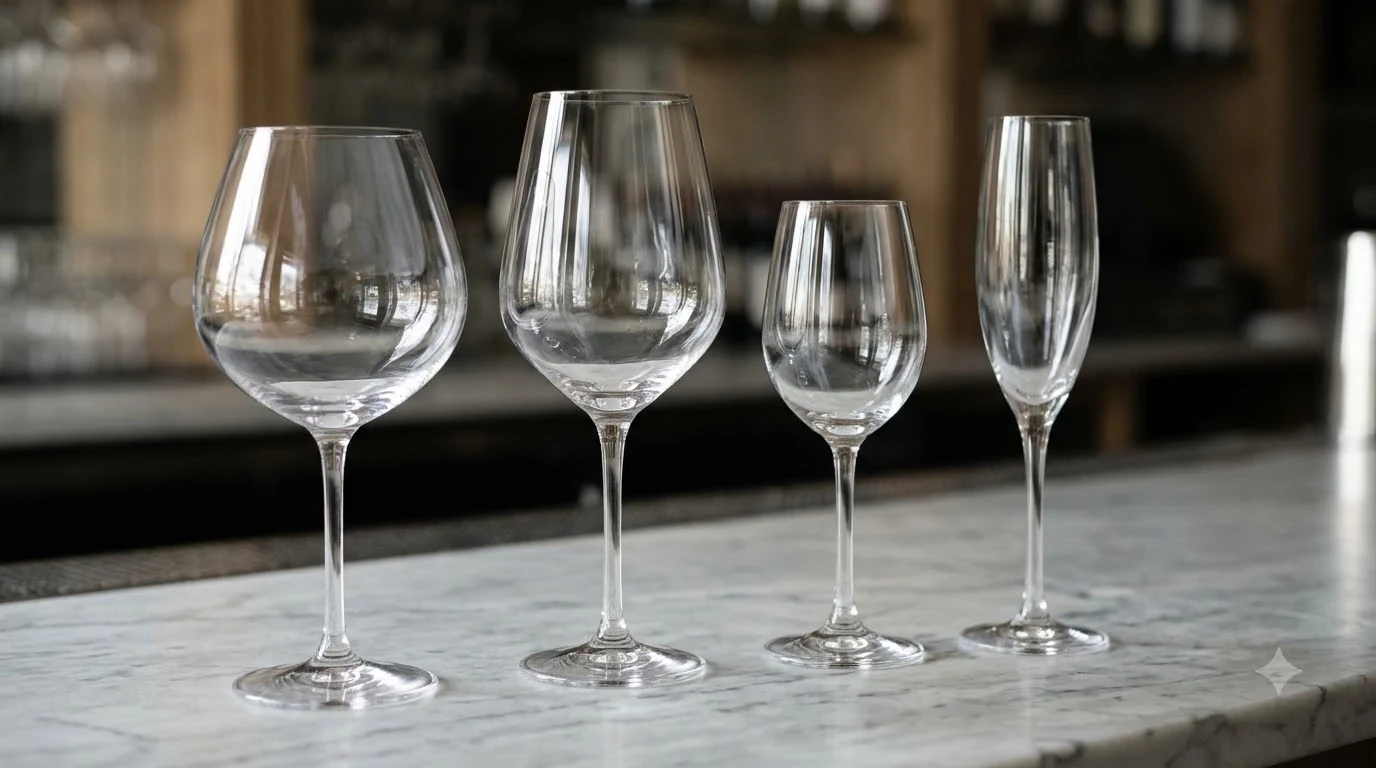
Other Libbey stemless models expand the selection further. The manufacturer’s wine brochure lists an 11¾-ounce white wine glass, a 17-ounce white wine glass, and an 8½-ounce stemless flute. These options make it possible to choose glassware according to the drinks most frequently served rather than relying on a single size for everything.
| Model | Capacity | Height | Diameter | Best use |
|---|---|---|---|---|
| Item 207 | 9 oz | 3.68 in | 2.9 in | Small wine pours and casual drinks |
| Item 217 | 11¾ oz | 4 in | 3¼ in | White wine and moderate servings |
| Item 213 | 15 oz | 4.3 in | 3.44 in | Everyday red and white wine |
| Item 221 | 17 oz | 4½ in | 3½ in | Larger white wine servings |
| Item 228 | 8½ oz | 5¾ in | 2¼ in | Sparkling wine |
These specifications come from Libbey’s product listings and wine brochure. Dimensions matter because a glass that looks compact in a product photograph can occupy considerable cupboard space when stored alongside other drinkware. The 17-ounce option, for example, has a larger overall footprint than the 9-ounce model.
Packaging is another useful specification. Libbey lists item 207 in cases of 12 pieces weighing 4.3 pounds and item 213 in cases of 12 weighing 5.3 pounds. These are manufacturer-listed case weights, not individual glass weights, and they help establish the difference between ordering a small household quantity and purchasing a larger hospitality-style set.
For buyers comparing other designs, the broader Glassware Brands category can provide useful context about different glassware formats and manufacturers.
What Owners Like About Libbey Stemless Glasses
Customer feedback most consistently highlights practical handling, versatility, a substantial feel, and straightforward cleaning. These qualities make the collection particularly appealing for households that want functional wine glasses rather than delicate formal stemware.
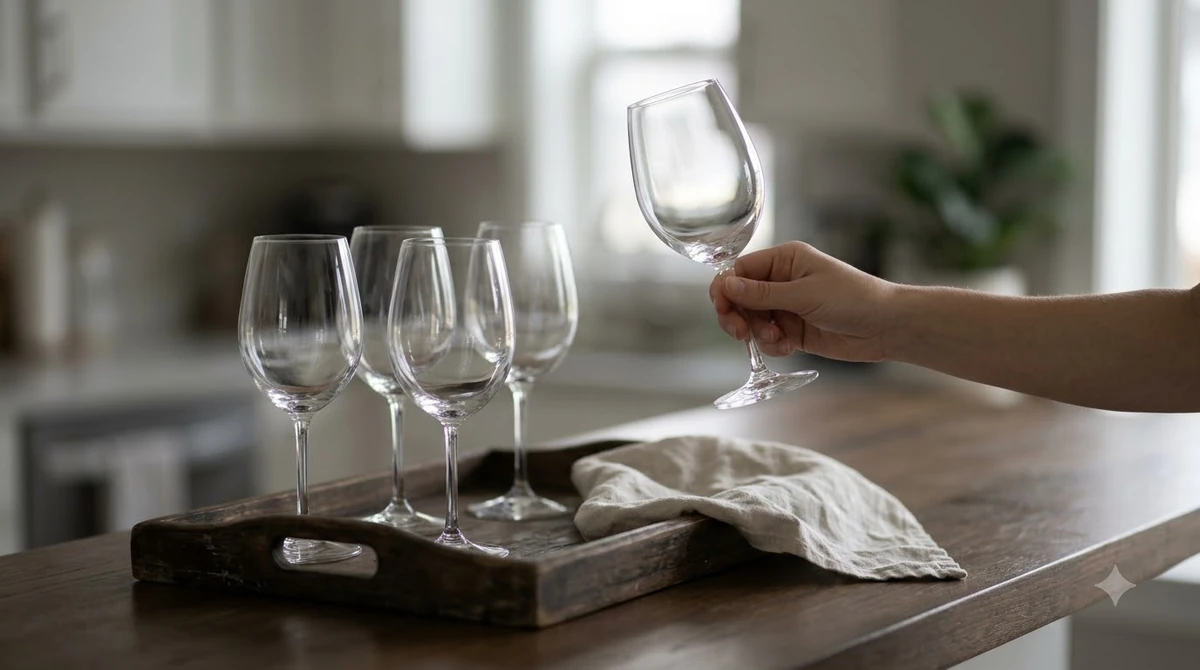
One advantage of the stemless shape is its lower center of gravity. Without a raised stem and narrow foot, the glass sits directly on its base. That design can make it feel more stable on a dining table, kitchen counter, or outdoor serving surface. It does not make the glass unbreakable, but it removes one of the more vulnerable structural features found in traditional stemware.
Feedback published by WebstaurantStore describes the glasses as sturdy, versatile, comfortable to hold, and easy to clean. These observations are relevant to people who use their wine glasses regularly rather than reserving them for occasional dinner parties.
One verified customer specifically described the 9-ounce version as sturdy and suitable for small pours and parfaits. This illustrates an advantage of the smaller capacity: it can function as a multipurpose serving glass rather than occupying cupboard space as specialized wine-only equipment.
Another verified reviewer described the 17-ounce version as attractive and suitable for restaurant customers, reporting positive experience with its durability and the condition in which the glasses arrived. While individual experiences cannot guarantee identical results for every order, this feedback supports the collection’s practical appeal in frequent-use settings.
Everyday versatility
Libbey explicitly promotes its standard stemless models for red wine, white wine, rosé, cocktails, mocktails, soda, and water. That versatility is useful when a household prefers matching glassware for several kinds of beverages.
A 15-ounce glass can accommodate a conventional wine pour while leaving room above the liquid. It can also serve a mixed drink with ice or a generous portion of sparkling water. The smaller 9-ounce option is useful when the priority is a compact glass for tasting portions, juice, or dessert presentations.
The design also suits informal entertaining. Guests do not need to manage delicate stems, and the glasses can move between the dining table and kitchen without looking overly formal. Their clear construction makes the color of a red wine, pale Chardonnay, or pink rosé easy to appreciate.
Simple visual design
Another advantage is the understated appearance. Clear glass does not compete with patterned dinnerware, colored table linens, or decorative table settings. It also allows the same glassware to work across different occasions, from a weekday meal to a larger gathering.
People building a general-purpose glass collection may find this more useful than buying separate specialized designs for every beverage. For additional formats, a comparison of stemless wine glasses can help establish which shapes suit different serving preferences.
There is an important distinction between a sturdy everyday glass and premium tasting stemware, however. Libbey’s standard stemless glasses emphasize practical construction and versatility. They are not designed to replace every specialized wine glass in a collection.
Common Complaints and Limitations
Libbey stemless glasses have practical advantages, but customer feedback also identifies occasional quality-control and shipping concerns. Buyers should understand these limitations, particularly when ordering several glasses at once.
One verified WebstaurantStore customer reported that an individual 15.25-ounce glass had noticeable asymmetry. The reviewer described an irregular shape that affected the way the glass appeared when viewed from different angles. This is a useful reminder that machine-made glassware can occasionally exhibit visual inconsistencies.
Other customer feedback mentions imperfections such as bubbles, swirls, and uneven shapes. These complaints do not establish that every Libbey glass has a manufacturing problem, but they indicate that buyers who prioritize perfectly uniform presentation should inspect new pieces before using them for a formal occasion.
Shipping damage
Shipping-related breakage is another recurring concern in customer comments. Some reviewers describe receiving damaged glasses or finding that protective packaging was insufficient for fragile merchandise.
This distinction matters because damage during transit is not necessarily evidence of poor glass construction. A well-made glass can still arrive broken if it moves inside a shipping carton or receives an impact during handling. Ordering a complete set also means that a single damaged piece can affect the usefulness of the purchase.
For this reason, inspect every glass when the shipment arrives. Look for chips along the rim, hairline cracks near the base, and visible damage to the body. Keep the original packaging until the contents have been checked and any delivery concerns have been addressed.
Stemless handling is not for everyone
The stemless shape also has a functional limitation that applies to the entire category. Holding the bowl directly transfers warmth from the hand to the wine more readily than holding a traditional stem.
That can matter when serving delicate white wines or sparkling wines that benefit from cooler temperatures. A glass without a stem also provides less separation between the hand and the wine, which can encourage fingerprints and visible condensation on the exterior.
Temperature control therefore requires a little more attention. Serve light whites and rosé around 45 to 50 degrees Fahrenheit, full-bodied whites around 50 to 55 degrees, and light reds around 55 to 60 degrees. A stemless glass does not change the ideal serving temperature, but the way it is held can influence how quickly the wine warms.
Tip: When a new set arrives, inspect all 12 glasses before putting them into regular service. Check the rim, base, and bowl individually, and photograph any shipping damage before discarding the packaging.
Another limitation is that larger stemless glasses can take up more shelf space than expected. The 17-ounce model measures 3½ inches across, while the 9-ounce version measures 2.9 inches. Buyers with narrow cupboards or compact glass racks should measure their storage space before selecting a larger set.
Who Should Buy and Who Should Skip Libbey Stemless Glasses
Libbey stemless wine glasses make the most sense for people who prioritize convenient everyday use, versatile serving, and a straightforward appearance. They are less suitable for buyers whose main concern is specialized wine presentation or minimizing temperature transfer from the hand.
Who should buy them
Everyday wine drinkers: The standard 15-ounce glass is a sensible general-purpose option for households that regularly serve Cabernet Sauvignon, Merlot, Chardonnay, Sauvignon Blanc, and other popular styles. Its capacity leaves room for the wine to move in the bowl without requiring an unusually tall glass.
Casual entertainers: People who host dinners, informal gatherings, or weekend celebrations may appreciate the compact stemless format. Glasses that can serve both wine and nonalcoholic beverages reduce the need for several different sets of drinkware.
Small-pour drinkers: The 9-ounce model is worth considering for people who prefer smaller servings, tasting portions, or a glass that can also be used for desserts. Its 3.68-inch height makes it a relatively compact choice.
Hospitality operators: Libbey markets its stemless collection for restaurants, bars, and wineries. The case packaging and multipurpose construction may appeal to businesses that need practical glassware for regular service.
Who should skip them
Traditional wine enthusiasts: People who prefer holding a glass by its stem may find the direct-contact design less comfortable. A traditional stemmed glass also makes it easier to avoid warming chilled wine with the hand.
Specialized tasting enthusiasts: A single all-purpose glass cannot reproduce the particular bowl geometry of every varietal-specific glass. Drinkers who regularly compare Burgundy Pinot Noir, Bordeaux Cabernet Sauvignon, and aromatic Riesling may prefer dedicated glass shapes.
People seeking exceptionally delicate glassware: Libbey’s standard models are positioned around everyday practicality. Buyers looking for unusually thin crystal construction or an especially lightweight tasting experience should investigate alternatives rather than assuming that all clear wine glasses provide the same experience.
Buyers with limited storage: The larger 15-ounce and 17-ounce designs have wider footprints than compact tumblers. Measure cabinet shelves and dishwasher racks before committing to a full set.
For a broader comparison of formats, the guide to wine glasses can help distinguish practical everyday designs from more specialized options.
How Libbey Compares to Alternatives
Libbey stemless glasses are best understood as practical all-purpose glassware rather than specialized wine-tasting equipment. Their principal advantage is the combination of multiple capacities, everyday versatility, and straightforward care.
One useful comparison is between Libbey’s own 9-ounce and 15-ounce designs. The smaller glass is compact and works well for modest pours, while the larger version offers additional room for aromatic development and more flexibility when serving different beverages. Neither is automatically superior; the better choice depends on how the glass will be used.
Small versus large Libbey glasses
The 9-ounce model is an appealing option for small servings, dessert presentations, and multipurpose household use. It occupies less space and may be easier to fit into cupboards containing several different types of drinkware.
The 15-ounce model is more versatile for regular wine service. It has a larger bowl and provides more room above a typical pour. This is particularly helpful for red wines that benefit from some air contact and for white wines that develop noticeable aromas.
For people who regularly serve red wine, a larger bowl can be useful, although bowl shape remains important. Cabernet Sauvignon and Syrah generally have more tannin than Pinot Noir or Merlot, so a larger glass can provide useful space for swirling and observing the wine. It does not, however, remove tannin or fundamentally change the wine’s structure.
Stemless versus traditional stemmed glasses
Traditional stemware provides a different handling experience. The stem gives the drinker a place to hold the glass without directly gripping the bowl, helping limit hand warmth and fingerprints.
Stemless glasses trade that separation for a lower, simpler shape. They can feel more stable on a flat surface and are convenient for casual meals, but the bowl is held directly. People who frequently serve sparkling wine or chilled aromatic whites may prefer stemmed designs for better temperature management.
The difference is also relevant to storage. A stemless glass can be easier to arrange in some cupboards, but the wider bowl of a larger model can still require substantial horizontal space. A traditional glass may be taller and more delicate, yet some storage racks are specifically designed around stemmed glassware.
Choosing a glass for different wines
Libbey’s larger all-purpose glasses can accommodate many wine styles, but serving temperature and pour size remain important. A 5-ounce pour is a useful standard serving reference, and a 750 ml bottle contains approximately five such servings.
For Pinot Noir, a glass that provides room to swirl helps reveal its red-fruit aromas and acidity. For Cabernet Sauvignon, the larger 15-ounce format offers practical room for a conventional pour and some air space. For Sauvignon Blanc, the same glass can be used effectively, provided the wine is served sufficiently cool.
People who want more specialized red wine glass shapes can compare the options in this guide to red wine glasses. That distinction is important because capacity alone does not determine how effectively a glass presents a particular wine.
For further product comparisons, Libbey’s official product descriptions are particularly useful because they distinguish item 207 from item 213 rather than treating every stemless design as interchangeable. The manufacturer’s 15-ounce stemless wine glass specifications provide a useful reference when comparing dimensions, capacity, and intended use.
Overall, Libbey is a sensible choice for practical glassware. Buyers should not expect a specialist tasting glass, but the range offers enough variety to accommodate different everyday serving preferences without requiring an extensive collection.
Frequently Asked Questions
Are Libbey stemless wine glasses made in the United States?
Libbey’s product catalog identifies several stemless models, including items 217 and 221, with USA listed as their origin. However, country of origin should not be assumed to be identical across every glass in the broader collection. Buyers purchasing different item numbers should verify the origin information for the particular product.
Can Libbey stemless glasses be used for wine tastings?
Yes. The smaller 9-ounce model can be convenient for tasting portions because its capacity makes it easy to serve less wine. For formal comparative tastings, however, a standardized glass shape is preferable when evaluating several wines side by side because differences in bowl geometry can influence aroma perception.
Can Libbey stemless wine glasses be used for hot beverages?
The manufacturer’s standard stemless wine descriptions identify wine, cocktails, mocktails, soda, and water as intended uses, not hot beverages. Do not assume that ordinary wine glassware is suitable for boiling water, hot coffee, or rapid temperature changes. Use drinkware specifically designed for hot liquids when serving those beverages.
Do Libbey stemless glasses come with replacement rims or bases?
The standard product listings describe complete glass products rather than replaceable components. A chipped rim or cracked base is a structural defect that cannot be repaired by replacing a separate glass component. Contact the retailer or manufacturer about damaged purchases instead of continuing to use a compromised glass.
Are Libbey stemless glasses suitable for restaurant table settings?
Yes. Libbey explicitly markets its stemless collection for restaurant, bar, and winery environments. The manufacturer also offers case packaging, including 12-piece cases for items 207 and 213. Businesses should nevertheless consider replacement availability, shipment inspection, and the quantity required for their regular service volume.
Libbey stemless wine glasses are a practical option for households and hospitality settings that want versatile, uncomplicated glassware. The 9-ounce model suits smaller servings, while the 15-ounce version is the stronger general-purpose choice for regular wine service. Choose according to your preferred serving size, available storage, and expectations for wine presentation, and inspect each glass carefully when it arrives.
More in Wine Glasses
 Zwiesel Glas Champagne Flutes for Durable Everyday Sparkling WineUpdated Nov 20, 2026
 Vera Wang Crystal Wine Glasses: Design, Quality and Buying AdviceUpdated Nov 20, 2026
 West Elm White Wine Glasses: Compare Designs for Better Everyday Wine ServiceUpdated Nov 20, 2026
 Zalto Stemless Wine Glasses: Discover Their Distinctive DesignsUpdated Nov 20, 2026
 Viski Champagne Glasses That Match Your Style and Sparkling WineUpdated Nov 20, 2026
 Vista Alegre Decanter Review: Crystal Style and Wine ServiceUpdated Nov 20, 2026