


We may earn a commission when you buy through links on this page, at no extra cost to you. Learn more.
The zephyr beverage cooler is a worthwhile premium option for homeowners who want undercounter drink storage, flexible shelving, and precise temperature control, particularly in the 24-inch Presrv single-zone configuration. Its 34°F to 50°F temperature range, glass display door, adjustable shelves, and capacity for up to 108 standard cans make it suitable for entertaining and everyday beverage storage. However, its single temperature zone, substantial installation requirements, and relatively specialized design mean it is not the right purchase for every household.
Zephyr offers several beverage cooler configurations, so choosing the correct model matters as much as deciding whether the brand is a good fit. The standard Presrv 24-inch model provides a useful balance of beverage capacity and wine storage, while the compact 15-inch version suits narrower spaces and the Presrv Pro adds more specialized convenience features. This review examines the standard PRB24C01CG, its practical limitations, and the alternatives worth considering before committing to an installation.
Specs and Key Features
The Zephyr Presrv PRB24C01CG combines a compact undercounter footprint with substantial storage capacity and a temperature range suitable for many everyday drinks. Its strongest specifications are the 5.6-cubic-foot interior, adjustable glass shelving, and cooling system designed to distribute cold air throughout the cabinet.
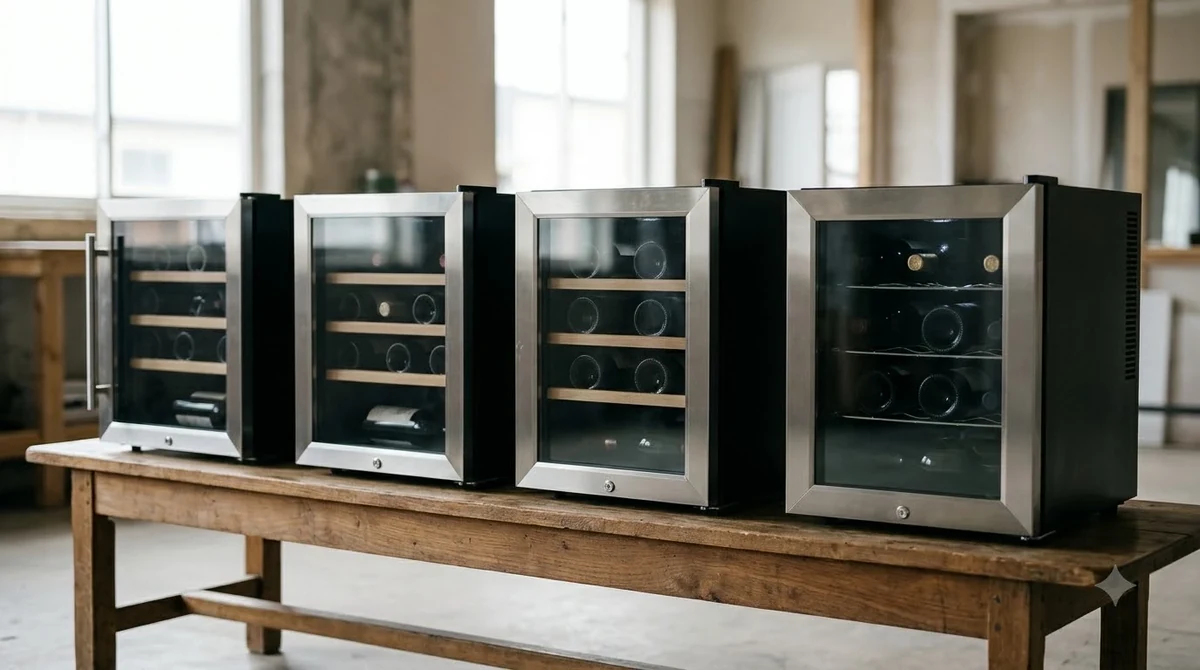
The standard model measures 23-7/8 inches wide, 33-15/16 inches high, and 23-3/8 inches deep. Those measurements make it a natural candidate for a planned 24-inch appliance opening, although cabinet construction, ventilation, door swing, and the manufacturer’s installation instructions still need to be considered. At 112 pounds, it is also a substantial appliance rather than a lightweight countertop refrigerator.
| Specification | Zephyr Presrv PRB24C01CG |
|---|---|
| Appliance type | Single-zone beverage cooler |
| Width | 23-7/8 inches |
| Height | 33-15/16 inches |
| Depth | 23-3/8 inches |
| Interior volume | 5.6 cubic feet |
| Weight | 112 pounds |
| Can capacity | 108 standard 12-ounce cans |
| Wine capacity | 7 standard bottles, with an alternative shelf configuration |
| Temperature range | 34°F–50°F |
| Listed sound level | 39 dBA |
| Door construction | 304-grade stainless steel and glass |
| Lighting | Three colors, four brightness levels |
| Electrical supply | 115V, 60Hz, maximum 1.0A |
| Installation | Built-in or freestanding |
| Refrigerant | R600a |
| Certification | ENERGY STAR and commercial certification |
These figures come from Zephyr’s specifications for the PRB24C01CG. One particularly useful detail is that the manufacturer describes more than one possible storage arrangement: the cabinet can accommodate seven standard wine bottles and 108 cans, or a different arrangement of 13 bottles and 80 cans. Actual capacity depends on bottle dimensions and how the shelves are configured.
The temperature range is another important selling point. A minimum setting of 34°F provides suitably cold storage for many sodas, bottled water, and light beers. The upper limit of 50°F also allows more flexibility for beverages that benefit from slightly warmer storage than refrigerator-cold temperatures.
The glass door uses dual-pane, Low-E, argon-filled construction. This design helps limit heat exchange and reduce the amount of ultraviolet and infrared light passing through the glass. The stainless exterior, concealed hinges, door lock, and reversible door add practical and aesthetic flexibility.
Zephyr also includes PreciseTemp temperature monitoring, Active Cooling Technology, and vibration dampening. Multiple sensors help maintain temperature accuracy, while the active cooling fan supports more even distribution throughout the cabinet. These are meaningful design features, although they should not be confused with separate temperature zones.
The manufacturer’s full specifications are available on the official Zephyr Presrv beverage cooler product page.
What Owners Like
The most appealing aspects of the Zephyr beverage cooler are its built-in appearance, flexible interior, and ability to keep different everyday drinks readily accessible. The design is especially attractive for kitchens and entertainment spaces where a standard refrigerator would be inconvenient or visually out of place.
The glass door provides a clear view of the contents without requiring the appliance to be opened. This is useful during gatherings because guests can see the available drinks before choosing something. The three lighting options, cloud white, deep blue, and amber, also let homeowners change the interior appearance to suit the surrounding space.
Storage flexibility is another strong point. A conventional beverage refrigerator often uses fixed wire racks that are convenient for cans but less accommodating for unusual bottle shapes. The Presrv instead combines a full-extension black wood rack with adjustable glass shelving and a retractable quarter-shelf.
The quarter-shelf is particularly practical. Retracting it creates additional vertical clearance for taller containers, including two-liter soda bottles and champagne. This makes the appliance more adaptable than a cooler with nothing but closely spaced fixed shelves.
A useful balance of cans and wine bottles
The advertised capacity of 108 standard cans is generous for a compact undercounter appliance. It is enough to support a household that regularly keeps several types of soda, sparkling water, beer, and other canned drinks available.
Wine storage is also possible without dedicating the entire cabinet to bottles. The wood rack provides a separate place for wine, while the glass shelves handle cans and smaller bottles. This mixed arrangement can work well in a home bar where guests have different beverage preferences.
There is an important qualification: the advertised bottle capacity uses standard 750 ml Bordeaux-style bottles as its reference. Wider Burgundy bottles, some Pinot Noir bottles, and sparkling wine bottles can occupy more room. A collection containing many unusually shaped bottles may therefore fit fewer than the stated maximum.
Temperature control and presentation
PreciseTemp and Active Cooling Technology are designed to support stable temperatures throughout the interior. For a cabinet that may hold both cans and wine, consistency is useful because different shelf positions should not become dramatically different storage environments.
The stated 39 dBA sound level is also a helpful specification for buyers considering an open-plan kitchen or entertainment area. It provides a reference for comparing appliances, although actual perceived noise depends on the installation, surrounding surfaces, room acoustics, and compressor operation.
For wine drinkers, the design has some additional appeal. A full-extension wood rack makes it easier to access bottles, while the dark interior and LED lighting avoid the appearance of a brightly illuminated conventional refrigerator. The appliance can therefore function as both storage and a display feature.
Home Depot lists the PRB24C01CG among its Zephyr beverage cooler offerings, providing another source for checking current availability and customer feedback. However, individual owner experiences should be evaluated carefully rather than assuming that a retailer’s overall rating predicts performance in every installation.
Common Complaints
The most important limitations are the single-zone cooling arrangement, the restricted temperature ceiling, and the amount of space required for installation. These are not necessarily manufacturing defects, but they can become significant disadvantages if the appliance is purchased for the wrong purpose.
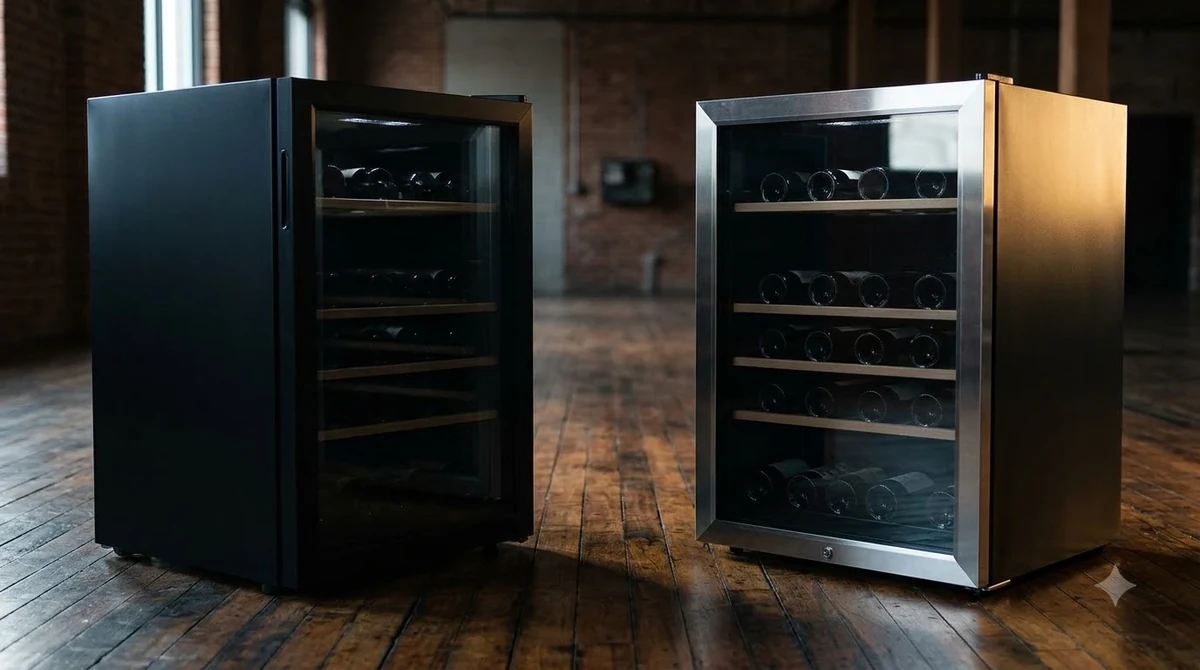
The single-zone configuration means that every shelf shares one temperature setting. Someone who wants to keep wine at a warmer serving temperature while chilling soda and beer close to refrigerator temperature will have to compromise. A dual-zone appliance is a better choice for that particular combination.
The maximum setting of 50°F also deserves attention. It is suitable for many chilled drinks and certain wine-storage applications, but it is not intended to function as a warm-temperature wine cellar. Full-bodied red wines are generally served around 60°F to 65°F, while lighter reds are often served around 55°F to 60°F. The cooler cannot reach those temperatures.
Capacity is not unlimited
The 108-can figure sounds impressive, but it represents a specific loading arrangement. Adding wine bottles, large water containers, or champagne bottles changes the available space. Buyers should consider the drinks they actually store rather than treating the maximum advertised capacity as the number of containers that will always fit.
The same applies to the wine rack. Seven standard bottles are useful for occasional wine storage, but this is not a dedicated wine refrigerator for a serious collection. Someone with 30 or 40 bottles will probably find a purpose-built wine cooler more appropriate.
Installation needs careful planning
Although Zephyr identifies the unit as suitable for built-in or freestanding installation, that does not mean every kitchen opening will accommodate it without modification. The cabinet opening, counter height, floor level, electrical outlet position, and required ventilation clearances all matter.
The appliance is nearly 34 inches tall and weighs 112 pounds. Moving it into a tight opening can be difficult, particularly when the flooring is delicate or the surrounding cabinetry has already been installed. Measuring the finished opening rather than relying on the nominal 24-inch appliance category is essential.
The reversible door is helpful, but door direction is not the only consideration. A nearby wall, island, cabinet handle, or adjacent appliance may restrict how far the door can open. Buyers should also consider whether they can comfortably pull out the full-extension rack when the door is open.
Maintenance is part of ownership
The built-in carbon filter requires periodic replacement. Zephyr recommends replacement every three to six months depending on exposure to odors, with a three-month interval suggested for kitchen installations. This creates an ongoing maintenance task that buyers should factor into their ownership expectations.
The glass door also needs regular cleaning to preserve its appearance. Fingerprints, water spots, and kitchen residue can become especially noticeable on a reflective stainless-steel frame. The glass shelves and door should be cleaned with suitable nonabrasive products rather than aggressive materials that could damage the finish.
There is also a distinction between advertised quietness and guaranteed silence. A listed sound level of 39 dBA is useful for comparison, but compressor cycling and fan operation will still produce some noise. Buyers who are exceptionally sensitive to appliance sounds should consider the placement carefully.
Who Should Buy and Who Should Skip
The standard Zephyr Presrv is most appropriate for homeowners who want a polished undercounter drink station with enough room for a substantial quantity of cans and a modest selection of wine. It is less appropriate for anyone who needs independent temperature settings or extensive bottle storage.
Who should buy it
Homeowners renovating a kitchen are among the strongest potential buyers. The 24-inch footprint, stainless-and-glass finish, reversible door, and built-in installation capability make the PRB24C01CG a natural candidate for a planned beverage center.
It also makes sense for households that entertain frequently. A cabinet holding up to 108 standard cans can reduce trips to the main refrigerator, and the glass door allows guests to identify available drinks quickly. The adjustable shelving is particularly helpful when the contents change between everyday use and larger gatherings.
Wine drinkers who keep a small number of bottles alongside other beverages may also appreciate the mixed-storage design. It can accommodate standard wine bottles, canned drinks, and taller containers without requiring a separate appliance for every category.
Buyers who care about appearance may find the three-color lighting and stainless-steel construction especially attractive. The illuminated display can complement a kitchen island, entertaining room, or dedicated home bar.
Who should skip it
Wine collectors who need substantial bottle capacity should look elsewhere. Seven standard bottles in the mixed-storage arrangement are not enough for someone who regularly buys wine by the case or wants to maintain an organized collection.
Buyers who need separate beverage and wine temperatures should also avoid the standard single-zone configuration. A dual-zone model is more appropriate for someone who wants to store chilled beer and soda alongside wine at a different temperature.
People looking for a simple, inexpensive refrigerator may find the Presrv unnecessarily specialized. Its design emphasizes cabinetry integration, lighting, display, and adjustable storage rather than the lowest possible purchase and maintenance costs.
Finally, anyone with an installation opening that is narrower, shorter, or shallower than the manufacturer’s requirements should resolve the fit issue before purchasing. A premium appliance is not a sensible choice if the surrounding cabinetry cannot accommodate it correctly.
Tip: Measure the finished cabinet opening in at least three places for width and height, then confirm depth, door clearance, ventilation, and electrical access against the installation manual. A nominal 24-inch opening alone does not establish that the appliance will fit.
How It Compares to Alternatives
Zephyr’s own range provides several useful alternatives to the standard PRB24C01CG. The 15-inch Presrv model is designed for narrower spaces, while the 24-inch Presrv Pro places more emphasis on convenient drink access and a professional-style finish.
The best comparison depends on whether the priority is width, can capacity, temperature flexibility, or additional interior features. These differences are more important than choosing a model simply because it looks similar to the standard Presrv.
Standard Presrv versus 15-inch Presrv
The PRB15C01CG is the more compact choice. Zephyr lists its dimensions as approximately 15 inches wide, 33-7/8 inches high, and 23-3/8 inches deep. Its advertised capacity is four standard wine bottles and 64 standard 12-ounce cans.
Compared with the 24-inch PRB24C01CG, the smaller version gives up substantial storage capacity but occupies considerably less horizontal cabinet space. It makes sense for a small apartment, compact kitchen, or secondary beverage station where a full 24-inch cabinet opening is unavailable.
Both models offer a 34°F to 50°F temperature range and single-zone cooling. The narrower model should therefore be understood as a space-saving alternative rather than a fundamentally different cooling solution.
Standard Presrv versus Presrv Pro
The PRPB24C01CG is the more specialized 24-inch option. Its listed capacity is seven bottles and 83 standard cans, compared with the standard model’s advertised 108-can arrangement.
The Pro model emphasizes its adjustable drink caddy, soft-close full-extension glass shelf, soft-close wood rack, and professional-style handle. Zephyr lists its sound level at 36 dBA, compared with 39 dBA for the standard PRB24C01CG.
That makes the Pro worth considering for buyers who value shelf movement, convenient access, and a more professional appliance appearance. However, its lower advertised can capacity means it is not automatically the better option for households that primarily store cans.
Standard Presrv versus a dual-zone wine and beverage cooler
A dual-zone alternative is worth considering if wine storage is as important as drink refrigeration. Zephyr’s product education explains that dual-zone models use two distinct temperature zones, making them more flexible for households that want different settings for different beverage categories.
For example, a household could prefer one temperature for canned beer and soda and another for wine. That arrangement is difficult to achieve in a single-zone cabinet because changing the temperature affects every shelf.
For additional buying context, compare the features and configurations in our guide to the best rated wine cooler options before deciding whether a beverage refrigerator or a dedicated wine appliance makes more sense.
How to Choose the Right Zephyr Model
Choosing a Zephyr beverage cooler starts with understanding the installation space and the actual drinks that will occupy the cabinet. The right model should match the household’s storage habits rather than simply offering the largest advertised capacity.
1. Choose the correct width
The 15-inch Presrv is the logical option for narrow openings, while the 24-inch model is better for larger undercounter installations. Measure the available space before comparing the interior specifications.
Do not overlook height. The standard PRB24C01CG measures 33-15/16 inches high, so the finished counter and floor arrangement must accommodate the actual appliance dimensions and installation requirements.
2. Decide whether one temperature zone is enough
A single-zone cooler is straightforward if most of the contents benefit from a similar temperature. Canned soft drinks, many beers, and other chilled refreshments can share a common setting.
If the appliance must also store different wine styles at different temperatures, a dual-zone option deserves closer attention. A single-zone beverage cooler is not a substitute for two independently controlled compartments.
3. Calculate realistic storage needs
Start by estimating the number of cans, bottles, and larger containers you normally keep refrigerated. A household that primarily stores cans may make excellent use of the standard Presrv’s capacity, while someone who regularly stocks champagne and large water bottles will need more flexible shelf arrangements.
Remember that wine bottle shape changes storage capacity. A standard Bordeaux bottle is narrower than many Burgundy and sparkling wine bottles. Allow extra space if those wider formats make up a substantial portion of the collection.
4. Compare the standard and Pro interiors
The standard PRB24C01CG is attractive for its greater stated can capacity. The PRPB24C01CG is more appealing if the drink caddy, soft-close shelves, and lower listed sound level are higher priorities.
These differences should guide the decision more than exterior appearance alone. Both units offer the same general temperature range, but their interior arrangements serve somewhat different preferences.
5. Review the warranty and support arrangements
The PRB24C01CG specification sheet lists two years of parts coverage, two years of labor coverage, and five years of compressor coverage. Buyers should retain the purchase documentation and confirm the applicable warranty conditions before installation.
Warranty terms can differ between product families and configurations. It is sensible to verify the coverage for the exact model being purchased rather than assuming that every Zephyr beverage cooler has identical protection.
Also consider where replacement filters and accessories will come from. A cooler with a specialized carbon filter and optional shelving components requires a reliable route for obtaining compatible replacement parts.
How It Compares to Everyday Beverage Storage
A dedicated beverage cooler provides a different experience from using the main kitchen refrigerator. It gives drinks their own organized space, keeps the primary refrigerator available for food, and can place refreshments closer to a dining area or home bar.
The Zephyr’s glass display door makes this especially useful for entertaining. Guests can see what is available without opening the main refrigerator repeatedly, while the adjustable shelves allow the interior to change as the household’s preferences change.
For example, a weekend gathering might call for canned beer, sparkling water, and bottles of soda. A quieter week might involve fewer cans and more wine bottles. The retractable shelf gives the cabinet some flexibility between those uses.
However, the Zephyr should not be confused with a full kitchen refrigerator. It is intended for beverages, not a general-purpose food-storage solution. Its single temperature setting also means that the household needs to agree on a suitable compromise for the drinks inside.
Wine drinkers should consider serving temperatures separately from storage temperatures. A full-bodied red such as Cabernet Sauvignon is generally served around 60°F to 65°F, whereas many light whites are served around 45°F to 50°F. The Presrv’s 50°F maximum means that some wines will need time outside the appliance before serving.
For cocktails, a dedicated beverage cooler can be useful for chilling mixers and sparkling ingredients. Someone preparing an Aperol Spritz recipe, for example, may appreciate having cold sparkling wine and soda available separately from the main refrigerator’s food storage.
It can also make entertaining more organized when preparing a meal. Cold beverages can remain accessible while the main kitchen refrigerator is reserved for ingredients such as chicken, vegetables, and dairy used in a chicken Marsala recipe.
Warranty, Maintenance, and Long-Term Ownership
The Zephyr Presrv is designed as a built-in or freestanding appliance, but its long-term convenience depends on correct installation and regular maintenance. The stainless finish, glass door, shelving, air filter, and cooling components all deserve attention.
The specification sheet for the PRB24C01CG lists two years of parts coverage, two years of labor coverage, and five years of compressor coverage. These are useful distinctions because the compressor is a major component of the refrigeration system, while parts and labor coverage address different aspects of service.
Carbon filter replacement
The carbon filter helps limit unwanted odors entering the beverage compartment. Zephyr recommends replacing the filter every three to six months depending on the environment. A kitchen installation may warrant a three-month replacement schedule because cooking odors are more likely to reach the appliance.
Buyers should keep track of the replacement interval rather than waiting until an odor becomes noticeable. The filter is a consumable maintenance item, and its replacement should be included in the ownership routine.
Cleaning the cabinet and shelving
Clean the exterior stainless-steel surfaces with a suitable stainless-steel cleaner and a soft cloth. Avoid abrasive pads that can scratch the finish. The glass door also benefits from regular cleaning, particularly around the handle and edges where fingerprints accumulate.
Remove shelves according to the manufacturer’s instructions before cleaning the interior. Allow components to dry before reinstalling them, and avoid obstructing airflow openings in the glass shelving.
Preserving consistent cooling
Do not overload the cabinet beyond the intended shelf arrangement. Keep space for air circulation and avoid placing containers in positions that interfere with fans or other internal components.
Check the displayed temperature periodically, particularly after loading a large quantity of warm beverages. A fully loaded cooler may need time to bring new contents down to the selected temperature.
The door-open alarm provides an additional safeguard. On the PRB24C01CG, the alarm activates after three minutes, helping alert users when the door has been left open for an extended period.
Finally, keep the installation area accessible enough for routine cleaning and service. An undercounter appliance should not be surrounded by permanent obstructions that make it difficult to reach the toe kick or inspect the electrical connection.
Frequently Asked Questions
Does the Zephyr beverage cooler need a dedicated electrical circuit?
The PRB24C01CG specification lists a 115-volt, 60-Hz electrical supply with a maximum current of 1.0 amp. That specification does not by itself establish whether a dedicated circuit is required for a particular installation. Have the installation instructions and local electrical requirements checked before connecting the appliance.
Can the Zephyr Presrv beverage cooler store opened wine bottles?
Opened wine bottles can be stored inside the cooler if they fit securely on the available shelving. Use an appropriate stopper or closure to limit oxidation and odor transfer. The appliance is not designed to vacuum-seal bottles or preserve wine indefinitely after opening.
Does the Zephyr beverage cooler have a Sabbath mode?
Yes, the standard PRB24C01CG includes Sabbath mode. Zephyr explains that this setting can disable or modify certain lights, displays, and control functions while maintaining the existing cooling temperature. Temperature adjustments are unavailable while the appliance is operating in this mode.
Can the Zephyr beverage cooler be used in a garage?
Suitability depends on the specific model and its permitted ambient operating conditions. An indoor-rated model should not automatically be assumed suitable for a garage with extreme temperature fluctuations. Zephyr also offers outdoor-rated beverage cooler configurations designed for different environmental conditions.
Can the door handle be changed after purchasing the cooler?
Zephyr lists optional handle accessories in finishes including brushed gold, matte black, and stainless steel for compatible Presrv models. These accessories are sold separately, and compatibility should be confirmed against the exact model before ordering. The panel-ready configurations have different handle considerations from standard finished-door models.
The Zephyr Presrv PRB24C01CG is a compelling beverage cooler for homeowners who want a refined undercounter installation, generous can storage, flexible shelving, and a useful 34°F to 50°F temperature range. Its single-zone design and installation requirements are genuine limitations, but the combination of capacity, presentation, and practical features makes it a strong candidate for a dedicated home beverage station. Choose the standard model for greater can capacity, the 15-inch version for smaller openings, or the Pro configuration when its additional shelving and drink-access features better match your priorities.
More in Model Reviews
 Magic Chef 44 Bottle Wine Cooler Review for Flexible StorageUpdated Nov 21, 2026
 Whynter 164 Bottle Wine Cooler Review: Capacity, Features, and FitUpdated Nov 21, 2026
 Insignia NS WC16BK6 Review: Compact 16-Bottle Wine StorageUpdated Nov 21, 2026
 Wine Enthusiast Electric Blue Omega Review: Opening, Pouring, and Preserving Made EasierUpdated Nov 21, 2026
 Koolatron 20 Bottle Wine Cooler Review: Features, Fit, and PerformanceUpdated Nov 21, 2026
 NewAir AWC 330E Review for Home Wine StorageUpdated Nov 21, 2026