


We may earn a commission when you buy through links on this page, at no extra cost to you. Learn more.
The quintessa wine price typically ranges from about $220 to $300 for a 750 ml bottle in the United States, depending on vintage, retailer, and availability. This premium Rutherford estate red is primarily a Cabernet Sauvignon-based Bordeaux-style blend from Napa Valley. Buyers should compare the exact vintage and bottle size before purchasing because current releases, older vintages, and collectible bottles can occupy different price ranges.
Quintessa occupies a distinctive position in the Napa Valley wine market. Its reputation comes from a single Rutherford estate, carefully managed vineyard blocks, and a red blend that changes composition according to the character of each growing season. These details help explain why it commands a considerably higher retail price than everyday California Cabernet Sauvignon.
Understanding the difference between a winery release, a current retail listing, and an older-vintage bottle is essential before making a purchase. This guide examines typical American retail prices, the factors behind them, the differences between vintages, and practical ways to evaluate a bottle before spending money.
Who This Is For
Quintessa is best suited to buyers looking for a premium Napa Valley estate wine with a distinctive sense of place, structured red-fruit character, and potential for extended cellaring. Its pricing makes it particularly relevant to collectors, special-occasion buyers, and people comparing established Rutherford producers.
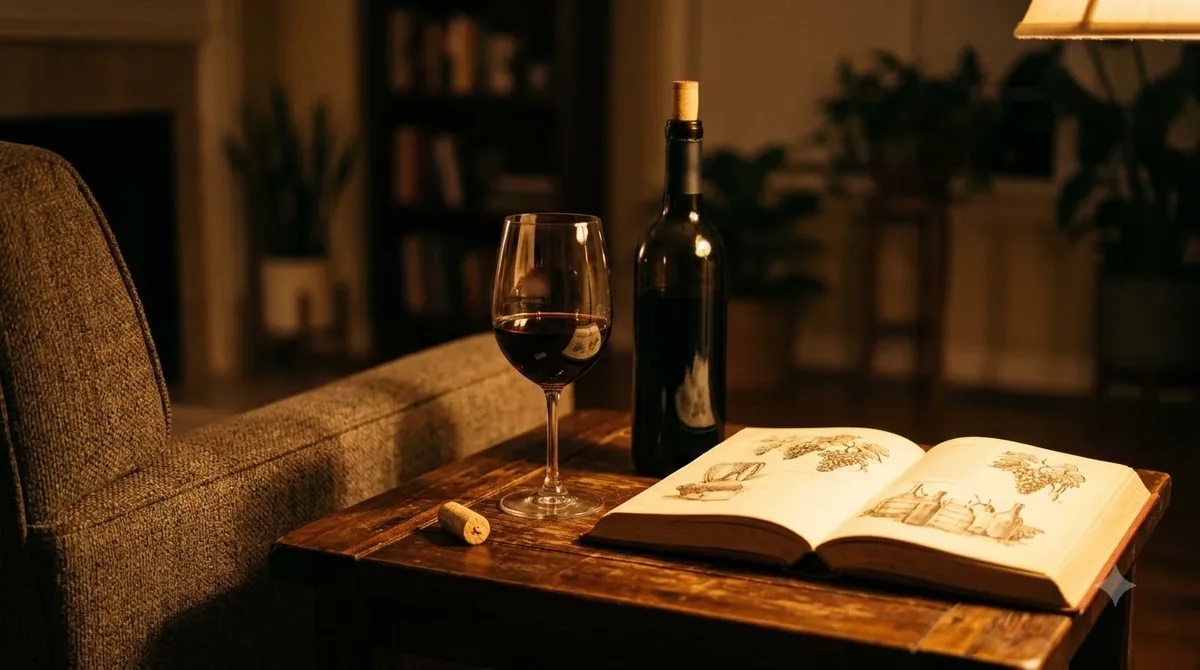
The winery is located in Rutherford, within California’s Napa Valley. According to the producer, the property covers 280 acres, including approximately 160 planted vineyard acres divided into 26 individual blocks. Cabernet Sauvignon, Merlot, Cabernet Franc, Petit Verdot, and Carménère grow across this varied landscape. Rather than treating the property as one uniform vineyard, the winery farms individual blocks to preserve their different characteristics.
That approach is important because Quintessa is not simply another bottle labeled Cabernet Sauvignon. Its main red wine is a proprietary blend built around Cabernet Sauvignon, with smaller contributions from other Bordeaux varieties. The exact proportions change between vintages, allowing the final wine to reflect the growing season and the estate’s individual vineyard parcels.
Buyers who appreciate structured Cabernet-based wines, rather than inexpensive fruit-forward reds, are more likely to understand the appeal of its positioning. The wine’s aromatic profile can include cassis, blackberry, violets, tobacco leaf, and savory herbs, supported by firm but carefully integrated tannins.
Quintessa is also relevant to people building a Napa Valley collection. Its individual vintage releases provide opportunities to compare growing seasons, while the winery’s library-vintage program gives collectors a route to inquire about older releases. Availability is not necessarily consistent across retailers, however, so a buyer should distinguish a bottle currently offered for sale from one appearing only in a historical price database.
For someone researching the producer before considering a purchase, the Quintessa wine overview provides useful background on the estate and its winemaking identity.
Casual drinkers who primarily want an affordable bottle for everyday dinners may find the price difficult to justify. Quintessa is positioned as a premium estate wine, not as an inexpensive introduction to California Cabernet Sauvignon.
Key Factors to Compare
The most useful way to evaluate Quintessa is to compare the vintage, bottle format, retailer, and condition rather than treating every listing as interchangeable. A 750 ml bottle of a recent release and a half bottle from an older vintage represent different buying propositions.
According to VinoAlert’s retail comparison, the 2023 Quintessa has a typical listed price of approximately $260 per 750 ml bottle, with observed offers from $229 to $299. These are US retail listing figures before tax and shipping, and prices vary by state and retailer. The comparison provides a useful market reference rather than a guaranteed winery release price.
Vintage differences can also be substantial. Caveau’s October 2026 US retail observations placed the 2018 vintage between approximately $148 and $278 per 750 ml bottle, the 2019 between $230 and $306, and the 2020 between $192 and $270. Prices vary by state and retailer, and these figures represent observed listings rather than formal appraisals.
| Comparison factor | Example or figure | Why it matters |
|---|---|---|
| Recent release | 2023 vintage | Establishes a current-vintage reference point |
| Typical 2023 retail price | About $260 | Useful starting point for comparing offers |
| 2023 observed retail range | $229–$299 | Shows variation between tracked listings |
| 2021 average retail listing | $262.93 | Illustrates vintage-specific price differences |
| Standard bottle | 750 ml | Most practical format for price comparisons |
| Half bottle | 375 ml | Contains half the volume of a standard bottle |
| Magnum | 1.5 liters | Contains the equivalent of two standard bottles |
The 2021 figure comes from VinoAlert’s comparison of eight retail offers, while the 2023 figure comes from its separate vintage comparison. These are different vintages and listing samples, so the numbers should be treated as separate reference points rather than a direct measure of price appreciation.
Retailers may also display prices before shipping and tax. A bottle listed at a lower amount may not represent the lower final purchase cost after delivery charges and state-specific taxes are included. Buyers should compare the complete transaction rather than the headline bottle listing.
Vintage and composition
Vintage is particularly important because Quintessa changes its blend to suit the fruit available from its vineyard blocks. The 2023 blend contains 90% Cabernet Sauvignon, 5% Cabernet Franc, 2% Carménère, 2% Merlot, and 1% Petit Verdot. Its composition differs from the 2021 vintage, which contains 91% Cabernet Sauvignon, 4% Cabernet Franc, 3% Carménère, 1% Merlot, and 1% Petit Verdot.
Although the differences appear small, blending decisions influence the wine’s structure, aromatic profile, and overall balance. Buyers should avoid assuming that a higher-priced vintage is automatically better for their preferences. The character of the particular growing season matters as much as the vintage’s position in the marketplace.
Retailer and bottle condition
Retail availability can influence the price just as much as vintage reputation. Some shops specialize in collectible Napa Valley wines, while other retailers focus on a wider selection of current releases. Their stock levels, purchasing arrangements, and access to older bottles can produce different asking prices.
Condition becomes particularly important with older vintages. A bottle’s storage history, fill level, capsule condition, label condition, and provenance all influence how confidently a collector can evaluate it. A seemingly attractive price is less meaningful if the seller cannot explain where the wine has been stored.
Tip: Compare at least three listings for the exact same Quintessa vintage and bottle size. Confirm whether shipping and tax are included, then investigate storage and provenance before purchasing an older bottle.
Step-by-Step: How to Evaluate a Quintessa Wine Price
A sensible purchase starts with identifying the exact wine and establishing a realistic comparison range. Following a consistent process helps prevent confusion between different vintages, formats, and retail price measurements.
-
Identify the wine.
Start by confirming that the bottle is Quintessa’s estate red rather than another wine associated with the producer. Quintessa also makes Illumination, a Sauvignon Blanc-based white wine, so the producer name alone is not sufficient to identify the product. The label should clearly identify the wine and its vintage.
-
Confirm the vintage.
Record the year shown on the bottle. A 2018, 2019, 2020, 2021, 2022, or 2023 release should be compared with listings for the same vintage. Combining different years into one average can produce a misleading estimate.
-
Check the bottle size.
Determine whether the bottle contains 375 ml, 750 ml, or 1.5 liters. A 375 ml bottle contains half the volume of a standard bottle, while a 1.5-liter magnum contains twice as much. Convert the listing to a per-750-ml equivalent when comparing different formats, while remembering that larger formats may have their own collectible value.
-
Research multiple US retail listings.
Use wine retailers and price-comparison services to identify the range of current offers. VinoAlert, for example, separates individual vintages and bottle sizes rather than combining all Quintessa listings into one figure. Its Quintessa vintage price comparison provides a useful way to examine the differences between available releases.
-
Distinguish retail from auction prices.
A retail asking price is not the same as an auction result. Auctions involve individual lots, buyer’s premiums, and potentially additional shipping and handling costs. A lower auction figure does not necessarily mean that the bottle is a better purchase than a retailer’s properly stored inventory.
-
Investigate provenance.
For a bottle from an older vintage, ask about storage temperature, cellar history, and ownership. Check the cork and fill level where possible. A wine stored consistently in a cool environment is generally a more reassuring purchase than one with an undocumented storage history.
-
Evaluate the intended occasion.
Decide whether the bottle is intended for immediate drinking, a dinner celebration, or long-term collecting. A young, structured red blend may benefit from additional bottle age, while someone planning to open it soon may prefer a vintage that is already developing more secondary aromas and softer tannins.
After completing these steps, compare the final purchase cost against the wine’s intended purpose. A price that makes sense for a collector seeking a particular vintage may be less appealing to someone simply looking for a premium bottle for a weekend meal.
Types or Styles Explained
Quintessa’s main identity is its Rutherford estate red, but understanding its different releases and related wine styles helps buyers avoid comparing unrelated products. The estate red is a Bordeaux-style blend, while Illumination offers a different expression through Sauvignon Blanc and Sémillon.
Quintessa estate red
The flagship estate red is the wine most people mean when discussing Quintessa’s premium Napa Valley reputation. Cabernet Sauvignon forms the foundation, with Cabernet Franc, Carménère, Merlot, and Petit Verdot contributing smaller amounts depending on the vintage.
The 2023 release is a useful example of this approach. Its 90% Cabernet Sauvignon composition provides the central structure, while 5% Cabernet Franc and smaller proportions of Carménère, Merlot, and Petit Verdot contribute additional complexity. The winery describes aromas of cassis, violets, tobacco leaf, and subtle herbs, with depth and fine tannins on the palate.
The 2023 wine was aged for 22 months in French oak, including 60% new oak, with 3% terracotta amphora. This combination reflects the producer’s approach to combining traditional barrel maturation with additional vessels that contribute to the wine’s development.
Older Quintessa vintages
Older vintages appeal to collectors interested in how the wine changes during bottle aging. With time, a structured red blend can develop more complex savory and earthy characteristics, while its primary fruit aromas become less dominant.
However, age alone does not establish value. The 2018, 2019, and 2020 retail ranges reported by Caveau demonstrate that older bottles can have considerably different asking prices. The condition and provenance of an individual bottle can be just as important as its vintage.
Quintessa also invites inquiries about library vintages through its winery website. Buyers interested in older releases can contact the estate rather than relying exclusively on secondary-market listings.
Illumination Sauvignon Blanc
Illumination is a separate white-wine expression from the Quintessa estate. Its style is based on Sauvignon Blanc and Sémillon, rather than the Cabernet-led red blend. The winery describes Sauvignon Blanc as providing fresh, bright fruit, while Sémillon contributes savory mineral character and texture.
Its production approach differs from that of the flagship red. According to the producer, Illumination is aged in different types of vessels, creating a layered white wine with a balance of freshness and texture. Its price should therefore be evaluated separately from the estate red.
Someone shopping for a crisp, structured white wine should not assume that the price of Quintessa’s flagship red is a reliable indicator of what Illumination costs. These are different wines with different grape compositions and production considerations.
How the styles differ
The estate red is the logical choice for buyers interested in Rutherford Cabernet Sauvignon and Bordeaux-style blending. Illumination is better suited to people seeking a more aromatic white wine with Sauvignon Blanc freshness and Sémillon texture.
For a broader introduction to wine producers and their different offerings, the Wine Brands resource can help place Quintessa within the larger wine market. Buyers comparing everyday sparkling wine options, for example, may also encounter La Marca Prosecco, which serves a very different purpose and price category.
Common Mistakes When Comparing Prices
The most common buying mistake is treating all Quintessa bottles as if they represent the same wine at the same market value. Vintage, bottle size, condition, and the distinction between retail and auction prices can all change the interpretation of a listing.
One frequent error is assuming that an older vintage must be more expensive because it has spent longer in the bottle. While certain older releases can become collectible, their asking prices depend on demand, availability, storage history, and the condition of individual bottles. A relatively recent release may cost more than an older one if demand and available stock are stronger.
Another mistake is confusing a winery’s release price with a retailer’s current asking price. A winery release represents the price at which a wine is offered through the producer’s sales channels. Secondary retail listings reflect stock held by independent merchants, and their pricing can change with availability and market conditions.
Comparing different bottle sizes incorrectly
Half bottles and magnums require careful comparisons. A 375 ml bottle contains approximately half the wine of a standard 750 ml bottle, but its per-volume cost may be higher. Smaller formats can be useful for buyers who want to open a premium wine without committing to a full bottle.
Magnums contain 1.5 liters, equivalent to two standard bottles. They are often attractive for celebrations and collectors, but their price should not be judged solely by multiplying the price of a 750 ml bottle by two. Format, availability, and market demand can influence the difference.
Ignoring the seller’s storage practices
A third mistake is concentrating entirely on the price while overlooking the condition of the wine. Cabernet-based reds can age successfully under suitable conditions, but prolonged exposure to heat and temperature fluctuations can compromise quality.
For an older Quintessa, ask whether the bottle has been stored in a temperature-controlled cellar and whether the seller can provide information about its ownership history. Poorly documented bottles should be approached more cautiously, even when their asking prices appear competitive.
Assuming every Quintessa product is the flagship red
Quintessa’s name is also associated with Illumination Sauvignon Blanc. Comparing a listing for Illumination with one for the estate red is not a meaningful way to establish a typical Quintessa estate-red price. Always identify the specific wine before researching the market.
It is also unhelpful to compare Quintessa directly with inexpensive supermarket wines without accounting for the differences in vineyard sourcing, production, and market positioning. A buyer looking for an everyday bottle may find Barefoot wine more appropriate, but that is a comparison between different market segments rather than equivalent alternatives.
Care and Storage Tips
Proper storage is particularly important for a premium Cabernet Sauvignon-based wine because its structure and aging potential are part of its appeal. Stable temperatures, limited light exposure, and appropriate bottle positioning help protect the wine’s condition.
For long-term storage, aim for a consistent temperature near 55°F. Avoid locations that experience repeated temperature changes, such as kitchens, garages, or shelves beside heating equipment. Heat exposure can accelerate wine aging and damage its aromatic freshness.
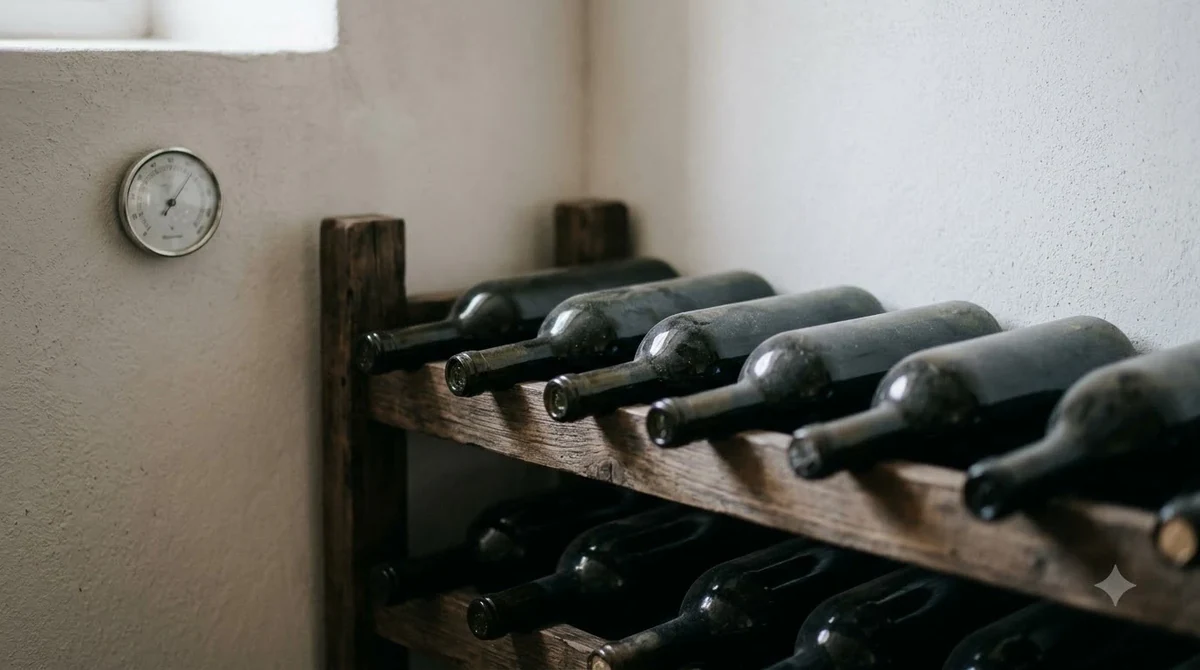
Store bottles with natural cork closures on their sides so the cork remains in contact with the wine. This helps limit the possibility of the cork drying out over extended storage. Keep bottles away from direct sunlight, excessive vibration, and strong temperature fluctuations.
Serving temperature
Quintessa’s Cabernet-led estate red is generally best served slightly cooler than a typical warm room. A practical serving range for a full-bodied red is approximately 60°F to 65°F. Excessive warmth can make alcohol seem more prominent and can reduce the perception of freshness.
If the bottle has been stored in a cool cellar, allow it to warm gradually after opening. If it has been kept at room temperature, a short period in a cool environment can help bring it closer to the recommended range.
Decanting and opening
Young, full-bodied red wines can benefit from decanting. A starting point of 30 to 60 minutes is reasonable for a young Quintessa, although the ideal amount of aeration depends on the vintage and its development. The goal is to allow the wine to open aromatically without leaving it exposed for an unnecessarily long period.
Older bottles require a different approach. Their aromas and structure may be more delicate, so prolonged aeration is not automatically beneficial. Open an older bottle carefully and assess its condition before deciding whether to transfer it to a decanter.
Glassware and food pairing
A generously sized red-wine glass gives a Cabernet-based blend room to release its aromas. Allowing a little space above a 5-ounce pour also makes it easier to swirl the wine without spilling.
Food pairing can make the wine more enjoyable. Grilled steak, roast lamb, beef short ribs, and aged hard cheeses are natural partners for its tannin structure and dark-fruit character. The protein and fat in these foods help soften the perception of tannin.
Highly spicy dishes are less suitable because alcohol and tannin can amplify the sensation of chili heat. Delicate oily fish can also be difficult to pair with a tannic red. For a dinner centered on seafood, a white wine such as Illumination may be a more appropriate choice.
Frequently Asked Questions
Is Quintessa considered a single-vineyard wine?
Quintessa is an estate wine assembled from multiple vineyard blocks on the same property, rather than a wine from just one isolated vineyard parcel. The winery farms 26 individual blocks and brings their components together to express the estate. This distinction explains why its identity is based on the property as a whole rather than one specific Cabernet Sauvignon parcel.
Who makes the Quintessa estate wine?
Quintessa was founded by Agustin and Valeria Huneeus, whose vision centered on expressing the character of their Rutherford property. The winery identifies Rebekah Wineburg as its winemaker and describes the blending process as an important part of expressing the individual estate blocks. The Huneeus family continues to be closely associated with the property’s identity.
What is the alcohol content of Quintessa?
The 2021 Quintessa technical sheet lists an alcohol content of 14.5% ABV. Alcohol levels can vary between vintages, so that figure should not automatically be applied to every release. It is useful to consider the alcohol percentage alongside the wine’s body and serving temperature when planning a meal.
Does Quintessa use terracotta amphora during winemaking?
Yes. The winery incorporates terracotta amphora into the maturation of its estate red. The 2023 release included 3% terracotta amphora alongside French oak aging, while the producer explains that the vessel helps support freshness and individual fruit expressions. This is a distinctive detail of the winery’s approach to élevage.
Can visitors arrange a tasting at Quintessa’s Rutherford estate?
Yes. The winery provides visitor reservations through its estate website, with its address listed as 1601 Silverado Trail, Saint Helena, California 94574. Visitors can contact the winery at 707-286-2730 or [email protected] to inquire about arrangements. Reservations should be arranged in advance rather than assuming walk-in availability.
Quintessa is a premium Rutherford estate wine whose price reflects its vineyard origins, careful blending, and position in the Napa Valley market. Comparing the exact vintage, bottle format, retailer, and storage history is the most reliable way to assess whether an asking price is reasonable. For buyers seeking a distinctive Cabernet Sauvignon-led wine, understanding these details makes it easier to choose a bottle that suits both the occasion and the budget.
More in Wine Brands
 Underwood Wine Price: Compare Bottles, Cans, and Pack SizesUpdated Nov 21, 2026
 Zenato Wine Price: Compare Styles and Choose the Right BottleUpdated Nov 21, 2026
 Zuccardi Wine Price: Compare Bottles and Find the Right RangeUpdated Nov 21, 2026
 Yellow Tail Moscato Review: Taste, Sweetness and Serving TipsUpdated Nov 21, 2026
 Wolf Blass Yellow Label Review: Choose Your Best StyleUpdated Nov 21, 2026
 Wolffer Estate Rose Review: Choose the Right Bottle for Your TableUpdated Nov 21, 2026