

We may earn a commission when you buy through links on this page, at no extra cost to you. Learn more.
Is decoy wine good? Yes, Decoy is a dependable California wine brand offering approachable, fruit-forward wines with consistent quality and a broad selection of styles. Its Cabernet Sauvignon, Merlot, Pinot Noir, and Chardonnay are particularly worth considering for everyday drinking and casual meals. The regular Decoy range suits drinkers seeking accessible California wine, while Decoy Limited offers a more distinctive selection from specific California growing regions.
Decoy occupies an appealing position between inexpensive everyday bottles and more expensive California wines. It benefits from its connection to the Duckhorn wine portfolio, established vineyard relationships, and a recognizable house style. However, the best bottle depends on what you enjoy: a structured Cabernet, a softer Merlot, a lighter Pinot Noir, or a refreshing white. Understanding the differences between its wines makes choosing much easier.
Who Should Buy Decoy Wine?
Decoy is a good choice for drinkers who appreciate recognizable California grape varieties, generous fruit flavors, and wines that are generally approachable without extensive aging. Its range includes familiar choices for red wine drinkers, white wine drinkers, and people looking for something sparkling.
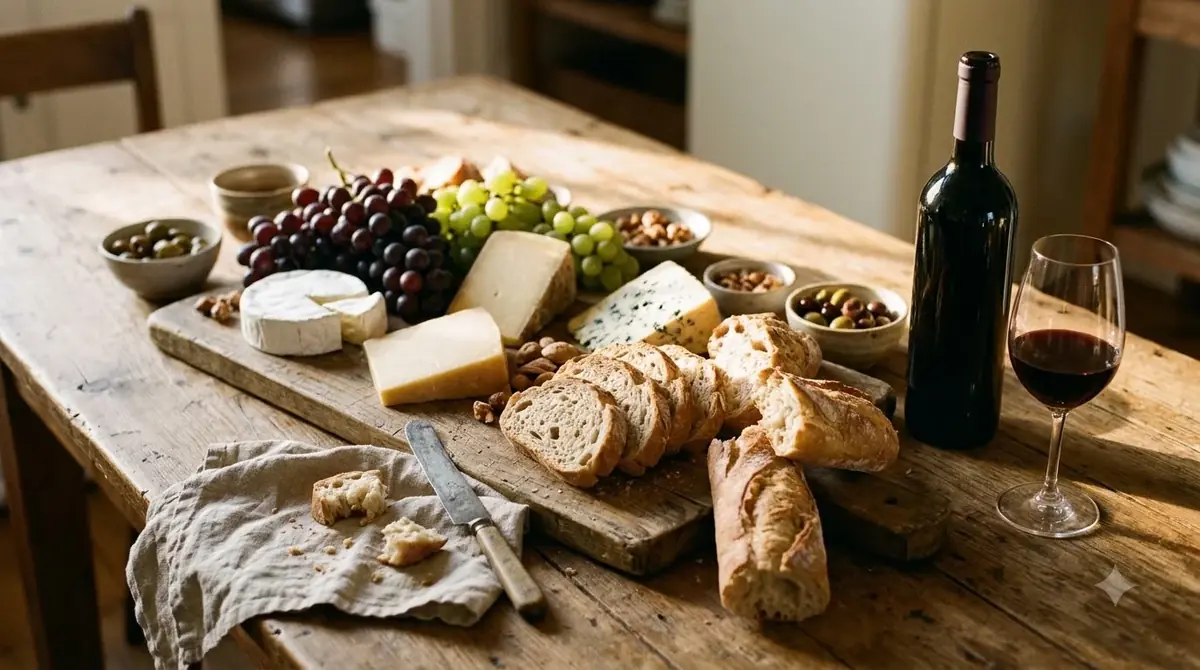
One of Decoy’s strengths is its accessibility. You do not need extensive wine knowledge to select a bottle. Someone who enjoys black cherry, blackberry, vanilla, and noticeable oak can start with Cabernet Sauvignon. A drinker who prefers softer tannins and rounder fruit may prefer Merlot. Pinot Noir offers another option for people who want a lighter-bodied red with more refreshing acidity.
Decoy is also worth considering for people who regularly serve wine with dinner. Its different grape varieties provide useful pairing options for steak, roast chicken, grilled vegetables, seafood, and pasta. Rather than producing only one recognizable house style, the winery offers enough variety to accommodate different meals and preferences.
The brand has a history dating to 1985. According to its official history, Decoy initially focused on sourcing California fruit before becoming a standalone winery in 2008. Its association with the Duckhorn portfolio provides an established winemaking background, while its broader sourcing program allows it to work with vineyards in several California regions.
There are also reasons some drinkers may prefer another producer. People seeking highly distinctive single-vineyard wines, extremely restrained European-style reds, or collectible bottles from prestigious appellations may want to explore other options. Decoy’s main appeal is approachable quality and versatility rather than exclusivity.
For readers comparing producers, the Wine Brands directory provides a useful starting point for exploring different winemaking styles and California producers.
Key Factors to Compare Before Buying Decoy
Decoy is not one wine with several different labels. Its portfolio includes multiple grape varieties, California regions, and product tiers. The most useful comparisons involve grape variety, wine style, sourcing, alcohol level, and intended drinking occasion.
| Factor | What to Look For | Why It Matters |
|---|---|---|
| Grape variety | Cabernet, Merlot, Pinot Noir, Chardonnay, Sauvignon Blanc | Determines body, acidity, tannin, and general flavor profile. |
| Alcohol level | 14.1% ABV on the reviewed 2023 California Cabernet | Helps indicate the wine’s overall weight and drinking character. |
| Serving temperature | 55–60°F for light reds; 60–65°F for full reds | Helps preserve balance and aromatic expression. |
| Vineyard sourcing | California grower vineyards and estate vineyards | Provides context for regional character and consistency. |
| Portfolio tier | Regular Decoy, Decoy Limited, Featherweight | Helps match the bottle to the desired style and occasion. |
| General ageability | 3–10 years depending on the listed Sonoma County wine | Offers a starting point for storage decisions. |
| Bottle size | 750 ml | Provides approximately five standard 5-ounce servings. |
Grape variety should be the first consideration. Cabernet Sauvignon generally has higher tannin and a fuller structure than Pinot Noir. Merlot usually provides softer, medium tannins, while Pinot Noir typically combines lighter body with relatively high acidity. These differences can be more important than the brand name when deciding which wine will suit your preferences.
Alcohol content is another useful detail. Wine Enthusiast lists the 2023 Decoy California Cabernet Sauvignon at 14.1% ABV in its published review. That is a helpful reference for understanding the weight of that particular bottling, although different grape varieties, vintages, and product lines can have different alcohol levels.
Regional sourcing deserves attention, too. Decoy uses estate fruit and established grower relationships throughout California. Its official history specifically identifies Ridgeline and Brownell vineyards in Alexander Valley. The former contributes mountain-grown fruit, while the latter is a valley-floor property associated with ripe, rich Cabernet fruit.
Finally, consider the occasion. A structured Cabernet can make sense for a steak dinner, while Sauvignon Blanc is more appropriate for a light seafood meal. A bottle intended for a casual gathering does not necessarily need the same complexity or aging potential as one selected for a special dinner.
Tip: Start with the grape variety you already enjoy before comparing Decoy’s different product tiers. A drinker who prefers lighter reds may be happier with Pinot Noir than with a more expensive Cabernet Sauvignon.
Step-by-Step: How to Choose the Right Decoy Bottle
Choosing Decoy becomes easier when you work through a few simple decisions. Start with your preferred color and grape variety, then narrow the selection according to food, structure, and drinking occasion.
-
Decide between red, white, rosé, and sparkling.
Red wines are suitable for people who enjoy darker fruit, tannin, and more substantial flavors. White wines provide refreshing alternatives for seafood, salads, and lighter meals. Rosé can work for casual outdoor dining, while sparkling wine suits celebrations and appetizers.
-
Choose a grape variety that matches your palate.
Cabernet Sauvignon is a sensible starting point for people who like structured reds. Merlot is generally softer, and Pinot Noir is a good option for lighter-bodied red wine. Chardonnay is suitable for people who enjoy broader white wines, whereas Sauvignon Blanc offers more pronounced acidity and freshness.
-
Decide how much structure you want.
Consider tannin, acidity, body, and alcohol together. Cabernet Sauvignon generally has higher tannin, while Pinot Noir is usually lighter in structure. Sauvignon Blanc has high acidity, making it particularly useful with dishes that contain citrus, herbs, or fresh vegetables.
-
Compare the regular range with Decoy Limited.
The regular range provides familiar California varietal wines. Decoy Limited features smaller-production selections sourced from recognized California growing areas, including Paso Robles, Sonoma Coast, and Alexander Valley. Choose according to the level of regional specificity and style you want.
-
Match the wine to your food.
For grilled steak, look toward Cabernet Sauvignon. Roast chicken can work with Merlot or Chardonnay, while Pinot Noir is a useful choice for mushroom dishes and roast poultry. Sauvignon Blanc pairs naturally with citrus-seasoned fish and salads.
-
Consider when you plan to drink it.
Most Decoy wines are suitable for relatively straightforward enjoyment. However, the producer publishes general ageability guidelines for certain Sonoma County bottlings. Use those as a starting point rather than assuming every bottle benefits from prolonged cellaring.
-
Choose the appropriate serving temperature.
Serve full-bodied reds around 60–65°F, lighter reds around 55–60°F, and full-bodied whites around 50–55°F. Light whites and rosé are generally more enjoyable around 45–50°F.
This process helps avoid a common buying mistake: choosing a wine because its name is familiar without considering its actual style. A well-selected bottle should complement your preferences and meal rather than simply fit a particular category.
If Cabernet Sauvignon is your preferred variety, the dedicated Decoy Cabernet overview can help narrow your choice further.
Decoy Wine Types and Styles Explained
Decoy’s range covers several major wine categories, with each variety offering a different balance of fruit, acidity, tannin, and body. Understanding those differences is the easiest way to identify which bottle deserves a place at your table.
Cabernet Sauvignon
Cabernet Sauvignon is one of Decoy’s most recognizable offerings. It is generally fuller-bodied, with higher tannin and flavors associated with black currant, blackberry, plum, and oak. It is particularly appropriate for drinkers who like a structured red with enough intensity to accompany substantial food.
Wine Enthusiast’s review of the 2023 California Cabernet Sauvignon identifies black currant, boysenberry, baked plum, blackberry, bittersweet chocolate, and integrated French oak among its characteristics. The publication lists the wine at 14.1% ABV and describes the finish as having grippy tannins. Those observations support the idea that Decoy Cabernet is more substantial than a particularly light red. Read the Wine Enthusiast review of Decoy’s 2023 California Cabernet Sauvignon for its complete tasting assessment.
For a detailed look at this variety, see the Decoy red wine overview.
Merlot
Merlot is an appealing alternative for people who want red wine without the firmer tannin structure typically associated with Cabernet Sauvignon. It generally offers medium tannins, a softer texture, and ripe red or dark fruit characteristics.
Decoy’s Merlot is a sensible choice for roast chicken, pork, meatloaf, and tomato-based pasta dishes. It can also work for people who enjoy red wine but find particularly tannic Cabernet Sauvignon too demanding for casual drinking.
Merlot should not automatically be considered sweet because of its smooth texture. A ripe fruit impression can make a dry red wine seem generous and round without actually containing dessert-wine levels of sweetness.
Pinot Noir
Decoy Pinot Noir is worth considering for drinkers who prefer lighter-bodied red wines. Pinot Noir generally has low-to-medium tannin and high acidity, with fruit characteristics that can include cherry, raspberry, cranberry, and strawberry.
Its lighter structure makes it useful with roast chicken, salmon, mushrooms, and dishes featuring herbs. It is also a good choice for people who want a red wine that does not overpower food with substantial tannin.
Serve Pinot Noir around 55–60°F rather than at a warm room temperature. Slightly cooler service helps retain freshness and keeps the wine from seeming unnecessarily heavy.
Chardonnay
Decoy Chardonnay provides a white-wine alternative for people who enjoy a broader texture and less pronounced acidity than Sauvignon Blanc. Chardonnay generally has medium acidity and can offer apple, pear, citrus, and sometimes buttery or oak-influenced characteristics, depending on winemaking decisions.
It is a useful partner for roast chicken, creamy pasta, grilled seafood, and roasted vegetables. Serve a fuller Chardonnay around 50–55°F to preserve its aromas without making its texture seem excessively heavy.
Sauvignon Blanc
Sauvignon Blanc is generally more refreshing and higher in acidity than Chardonnay. Typical flavors include citrus, green apple, fresh herbs, and tropical fruit, making it an appealing choice for warm-weather meals and lighter dishes.
Decoy’s Sauvignon Blanc is a natural option for grilled shrimp, salads, white fish, and goat cheese. Serve it around 45–50°F. Its acidity is particularly helpful with foods featuring lemon, vinegar, or fresh herbs.
Red Blend, Rosé, and Sparkling
The Red Blend offers an alternative to selecting a single grape variety. Blending allows winemakers to combine different characteristics, potentially creating a wine with complementary fruit, body, tannin, and structure. It is a sensible choice for mixed meals and casual gatherings.
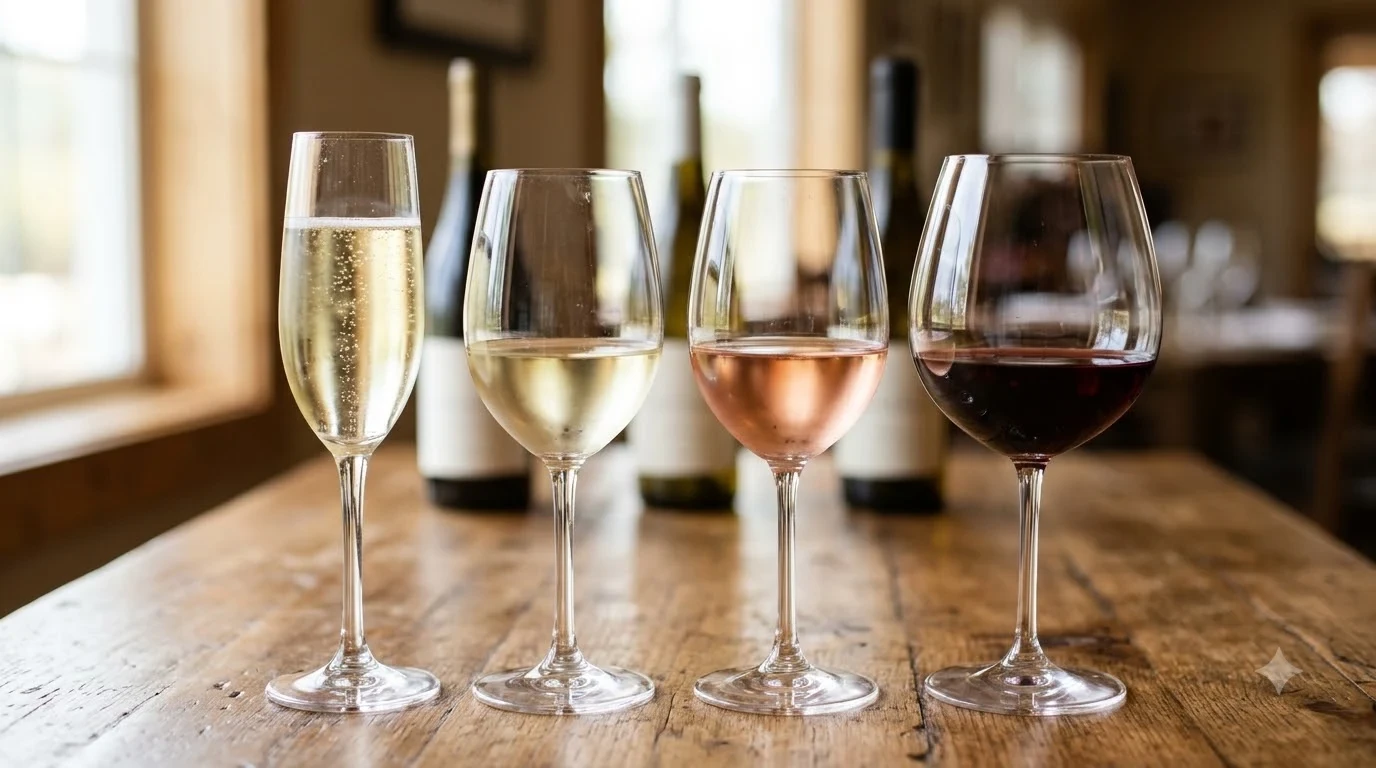
Rosé provides a lighter alternative for outdoor meals, appetizers, and grilled vegetables. Sparkling wine brings bubbles and refreshing acidity to celebrations and food-focused occasions. These styles also make Decoy’s range more useful for households that enjoy different wine categories.
The brand’s broader portfolio includes Decoy Limited and Featherweight. Decoy Limited focuses on limited-production wines from selected California vineyard sources, while Featherweight was introduced in 2024 with a lighter style of enjoyment in mind. The official Decoy history and portfolio overview provides additional background on these developments and the brand’s vineyard sourcing.
Common Mistakes When Buying Decoy Wine
Even a familiar wine brand can be disappointing if the selected bottle does not match your preferences. Most buying mistakes involve confusing fruitiness with sweetness, overlooking tannin, or assuming every Decoy wine has the same character.
Assuming All Decoy Wines Taste Alike
Decoy offers Cabernet Sauvignon, Merlot, Pinot Noir, Chardonnay, Sauvignon Blanc, and several additional styles. These wines cannot reasonably be expected to taste identical. A Cabernet drinker may enjoy its darker fruit and firm structure but find Pinot Noir comparatively light. Someone who enjoys fresh Sauvignon Blanc may find Chardonnay less refreshing.
Think of the brand as a collection of different wines rather than one consistent flavor profile. Start with the variety that matches your existing preferences.
Confusing Fruitiness With Sweetness
California wines often have ripe fruit characteristics. Black cherry, blackberry, plum, and vanilla can create an impression of richness without indicating substantial residual sugar.
Many dry red wines are fruit-forward. Decoy Cabernet Sauvignon, for example, can show generous dark fruit while retaining noticeable tannin and a dry finish. If you prefer genuinely sweet wine, a conventional Cabernet is unlikely to deliver the same experience as a sweet dessert wine.
Ignoring Tannin and Acidity
Cabernet Sauvignon has relatively high tannin, which can create a drying sensation in the mouth. Merlot is generally softer, and Pinot Noir has less tannin. These differences influence how a wine feels alongside food.
Acidity matters just as much. Sauvignon Blanc is generally a better match for lemon-seasoned seafood than a low-acid white wine. Meanwhile, tannic reds can work especially well with fatty or protein-rich foods that soften their drying sensation.
Choosing a Wine Without Considering the Meal
A bottle that works with grilled steak may not be the best choice for delicate white fish. Cabernet Sauvignon can overpower oily fish and particularly light seafood preparations. Pinot Noir, Chardonnay, or Sauvignon Blanc may be more appropriate, depending on the preparation.
Spicy food also deserves consideration. Higher alcohol and tannin can make chili heat seem more intense. For spicy dishes, a refreshing white wine or a softer red may be a better match than a powerful Cabernet.
Paying More Without Understanding the Difference
Decoy Limited and the regular Decoy range serve somewhat different purposes. The Limited range emphasizes selected vineyard sources and more specific California regional expressions. That can appeal to people who enjoy comparing regional character, but it does not mean every Limited bottle will automatically suit every drinker better.
Consider the grape, region, and style before deciding which tier to purchase. A regular Decoy Merlot may be more enjoyable to someone who prefers softer reds than a more structured Limited Cabernet Sauvignon.
Assuming Every Bottle Needs Years of Aging
Decoy’s official FAQ provides general ageability guidance for several Sonoma County wines, but these recommendations differ by variety. The suggested periods range from three years for certain white wines to ten years for its listed Red Blend and Cabernet Sauvignon.
These are general producer guidelines rather than guarantees. Individual vintages, storage conditions, and personal preferences all affect how a wine develops. Most buyers interested in Decoy for everyday drinking can enjoy suitable releases without planning a long cellaring period.
Decoy Wine Care, Serving, and Storage Tips
Proper serving and storage help preserve the fruit, acidity, and structure that make a wine enjoyable. Decoy does not require elaborate equipment, but temperature, light exposure, and storage position can make a meaningful difference.
Serve Reds at the Right Temperature
Full-bodied reds such as Cabernet Sauvignon are generally best served around 60–65°F. Lighter reds, including Pinot Noir, are more suitable around 55–60°F. Serving red wine too warm can emphasize alcohol and make its structure feel heavy.
A short period in the refrigerator can help bring an overly warm bottle toward the right temperature. Allow the wine to warm slightly in the glass if it initially seems too cool.
Keep White Wines Cool but Not Extremely Cold
Light whites and rosé are generally best served around 45–50°F. Fuller whites such as Chardonnay are better around 50–55°F. Excessive chilling can reduce the wine’s aromatic expression, making its fruit and texture less noticeable.
Sparkling wine is generally served around 40–50°F. This range helps maintain its refreshing character and makes it suitable for aperitifs and celebrations.
Store Unopened Bottles Carefully
Store bottles in a cool, dark place away from direct sunlight, temperature fluctuations, and heat-producing appliances. A storage temperature near 55°F is a useful target for wine intended for longer storage.
Traditional cork-sealed bottles are generally stored horizontally to keep the cork from drying out. Avoid placing wine near ovens, radiators, or windows where changing temperatures can affect its development.
Understand Decoy’s General Aging Guidelines
Decoy’s official FAQ provides the following general ageability recommendations for specific Sonoma County bottlings:
- Red Blend: approximately 10 years.
- Cabernet Sauvignon: approximately 10 years.
- Merlot: approximately five years.
- Pinot Noir: approximately five years.
- Zinfandel: approximately five years.
- Chardonnay: approximately three years.
- Sauvignon Blanc: approximately three years.
These recommendations are helpful planning references, not strict deadlines. They do not mean every bottle will improve throughout the entire period. Vintage variation and storage conditions can influence the result considerably.
Preserve Opened Wine
Once opened, still wines generally remain in good condition for approximately three to five days when properly resealed and refrigerated. Sparkling wines usually last around one to three days with a suitable sparkling-wine stopper.
Store opened red wine in the refrigerator too. Before serving, allow it to warm toward the appropriate drinking temperature. A vacuum stopper can help limit oxygen exposure, although it cannot completely prevent gradual changes in aroma and flavor.
Decant When Appropriate
Young, full-bodied reds can benefit from 30–60 minutes of decanting. This can soften the initial impression of a structured Cabernet Sauvignon and allow its aromas to become more expressive.
Decanting is optional rather than a requirement for every Decoy bottle. A lighter Pinot Noir or fresh Sauvignon Blanc generally does not need the same treatment. For everyday drinking, opening the bottle and allowing it to breathe briefly may be sufficient.
Frequently Asked Questions
Is Decoy wine made by Duckhorn?
Yes. Decoy is part of the Duckhorn Portfolio, and its wines are made under winemaker Dana Epperson. The brand developed from a California wine label before becoming a standalone winery in 2008.
Is Decoy wine suitable for beginners?
Yes. Its recognizable grape varieties and approachable styles make it relatively easy for new wine drinkers to explore. Starting with Merlot or Pinot Noir can be useful for someone who finds highly structured Cabernet Sauvignon too tannic.
Does Decoy make organic or biodynamic wine?
Decoy’s general brand information does not establish that its entire portfolio is certified organic or biodynamic. These certifications apply to specific vineyard and production practices, so they should not be assumed across the brand without product-specific confirmation.
What does the duck illustration on Decoy labels represent?
The brand’s 2007 label redesign was inspired by a 1930s Pintail carving created by Pacific Coast decoy carver Richard Janson, also known as Fresh-Air Dick. The carving provided the inspiration for Decoy’s recognizable visual identity.
Can Decoy wine be purchased directly from the winery?
Yes. Decoy provides online purchasing and a wine-finder service through its official website. Direct shipping is subject to state regulations, and the winery identifies several states where it cannot currently ship wine directly.
Decoy is a worthwhile California wine brand for people who value approachable styles, familiar grape varieties, and dependable options for everyday meals. Its Cabernet Sauvignon is a particularly sensible starting point for structured red wine drinkers, while Merlot, Pinot Noir, Chardonnay, and Sauvignon Blanc provide alternatives for different preferences. Choose the variety that suits your palate first, then explore Decoy Limited or Featherweight if you want to compare additional expressions of the brand.
More in Wine Brands
 Underwood Wine Price: Compare Bottles, Cans, and Pack SizesUpdated Nov 21, 2026
 Zenato Wine Price: Compare Styles and Choose the Right BottleUpdated Nov 21, 2026
 Zuccardi Wine Price: Compare Bottles and Find the Right RangeUpdated Nov 21, 2026
 Yellow Tail Moscato Review: Taste, Sweetness and Serving TipsUpdated Nov 21, 2026
 Wolf Blass Yellow Label Review: Choose Your Best StyleUpdated Nov 21, 2026
 Wolffer Estate Rose Review: Choose the Right Bottle for Your TableUpdated Nov 21, 2026