

We may earn a commission when you buy through links on this page, at no extra cost to you. Learn more.
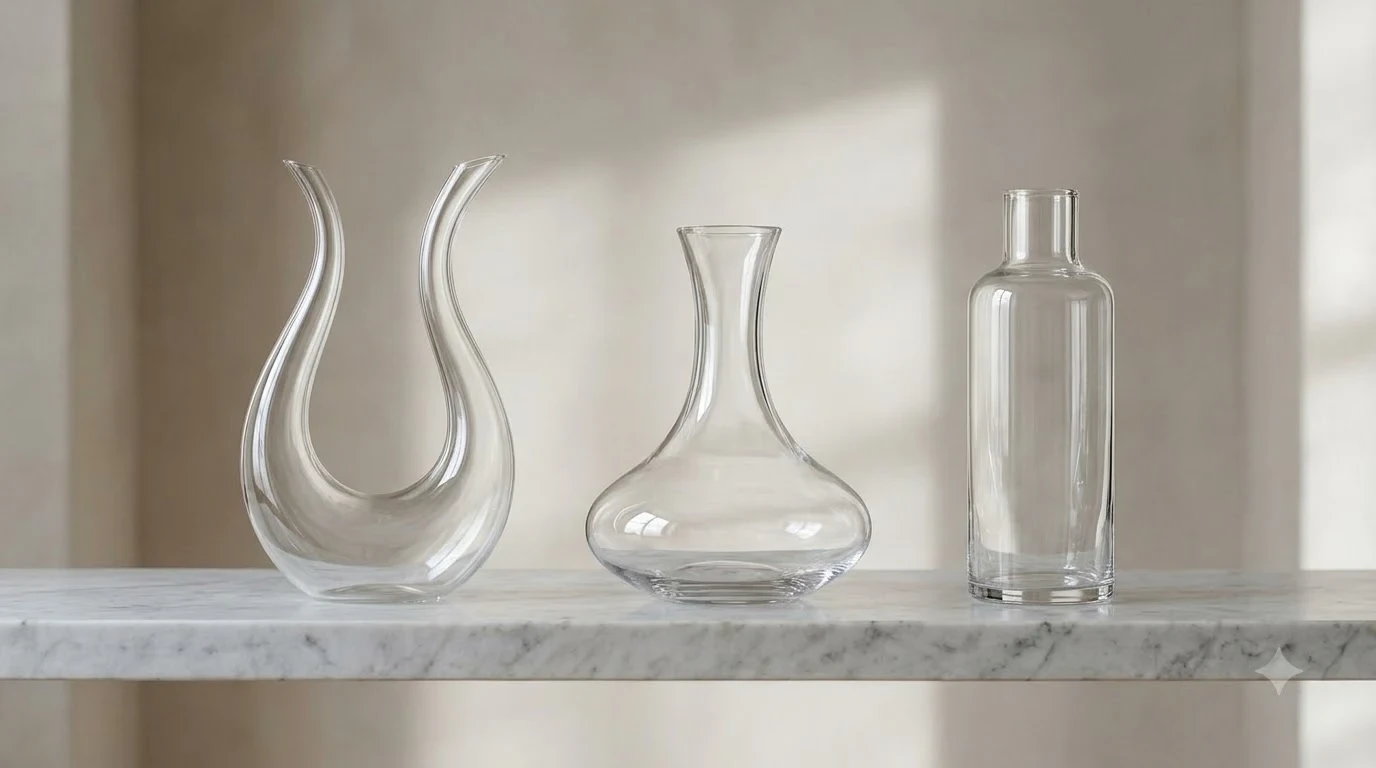
A zalto decanter is a premium mouth-blown crystal wine vessel designed to improve aeration and wine presentation, with the Axium offering versatile service for reds and full-bodied whites and the larger Mystique providing more surface area for powerful reds and magnum bottles. Both models belong to Zalto’s Denk’Art collection and use lead-free crystal. Their differences are primarily capacity, proportions, and intended wine styles rather than a simple distinction between a good and bad decanter. The Axium is the more versatile choice for most households, while the Mystique suits collectors who regularly open substantial red wines.
Zalto has developed a reputation for delicate, carefully shaped wine glassware, and its decanters follow a similar emphasis on form and wine service. However, choosing between its two main Denk’Art decanters requires more than comparing appearance. Capacity, bowl width, available storage space, pouring comfort, and the wines regularly served all matter. This review examines the Axium and Mystique, considers the available owner feedback, and explains where their premium construction makes sense for a home wine collection.
Specs and Key Features
The Zalto Axium and Mystique are both premium crystal decanters, but they have noticeably different proportions and capacities. The Axium is taller and narrower, while the Mystique is shorter, broader, and designed to expose more wine to air.
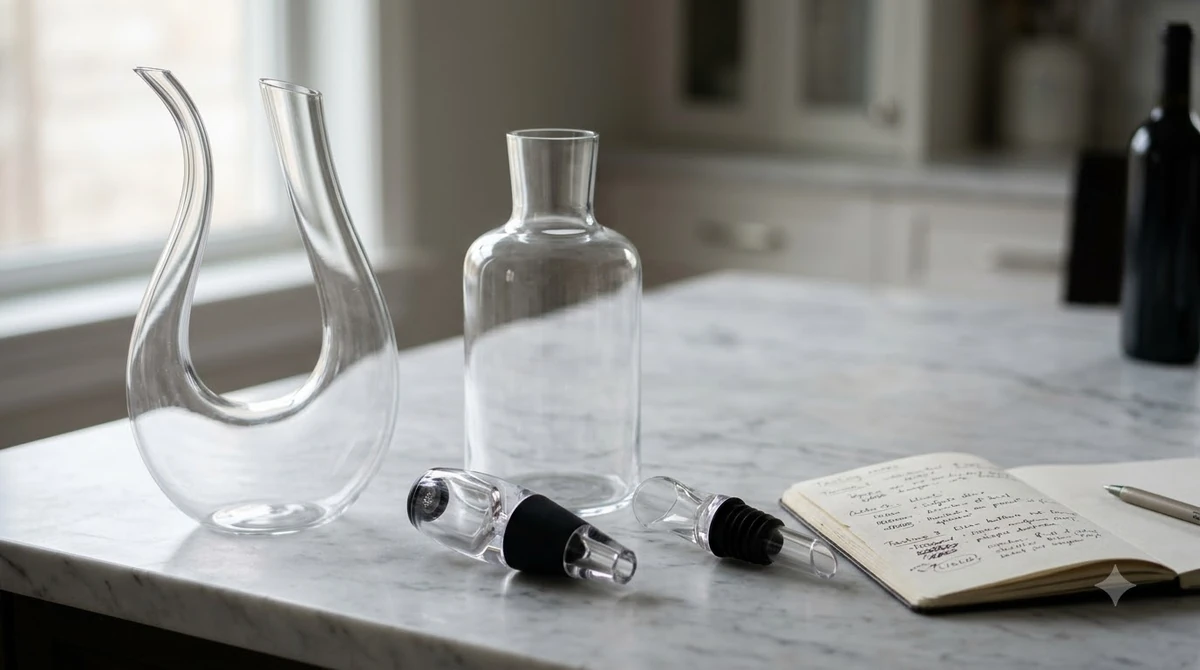
Zalto’s published specifications provide a useful starting point because the two vessels are not interchangeable in every serving situation. The Axium holds 1,450 ml, compared with 1,900 ml for the Mystique. Both capacities exceed the volume of a standard 750 ml wine bottle, leaving room for pouring and aeration rather than requiring the wine to fill the vessel to its rim. The manufacturer’s official Zalto decanter specifications also distinguish the intended wine styles for each model.
| Specification | Axium | Mystique |
|---|---|---|
| Collection | Denk’Art | Denk’Art |
| Capacity | 1,450 ml | 1,900 ml |
| Height | 204 mm | 185 mm |
| Width | 155 mm | 213 mm |
| Standard bottle capacity | 750 ml | 750 ml |
| Magnum bottle capacity | Not the primary intended use | Suitable for magnum aeration |
| Recommended wines | Red wines and full-bodied whites | Full-bodied, powerful reds |
| Material | Lead-free crystal | Lead-free crystal |
These measurements reveal a practical difference. The Axium’s 155 mm width makes it comparatively easier to accommodate on a dining table or in a cabinet. The Mystique’s 213 mm width creates a broader footprint, so buyers should consider their available serving and storage space before selecting it. Its lower profile also gives it a different visual presence during formal dinners.
Both vessels are associated with Zalto’s handcrafted glassware approach. Aldo Sohm’s Zalto FAQ identifies the decanters as mouth-blown and made from lead-free crystal. This construction contributes to their visual clarity and refined appearance, although it also means owners should handle them carefully rather than treating them like thick, everyday barware.
For wine service, the manufacturer’s intended applications are particularly important. Zalto describes the Axium as appropriate for red wines and full-bodied whites, while the Mystique is aimed at full-bodied reds that benefit from more air contact over a broad surface. Those recommendations provide a more useful buying distinction than appearance alone.
What Owners Like
Available Axium owner feedback highlights its lightweight feel, distinctive shape, appearance, and pouring experience. These comments suggest that the appeal extends beyond the decanter’s ability to hold wine: presentation and handling are important parts of the ownership experience.
The Manufactory’s published customer feedback includes a comment describing the Axium’s weight and shape positively, with the owner also mentioning that it is easy to pour. Other published comments describe the vessel as beautiful and mention its suitability as a gift. These are useful indications of what some purchasers appreciate, although the available sample is small and should not be interpreted as a broad consumer survey.
The Axium’s proportions also contribute to its appeal. At 204 mm tall and 155 mm wide, it offers a recognizable decanter silhouette without the particularly broad footprint of the Mystique. That distinction matters for anyone serving wine in a dining room where space is shared with plates, glasses, serving dishes, and bottles.
Appearance and table presentation
One of the strongest reasons to consider Zalto is its visual approach to wine service. The clear crystal allows the wine’s color to remain visible, while the sculptural proportions make the decanter an attractive centerpiece. This can be especially appealing when serving a mature Bordeaux, an expressive Cabernet Sauvignon, or a special bottle of Burgundy.
The Mystique makes a more pronounced statement because of its broad body. Its 213 mm width gives it a substantial presence, particularly when filled with a deep-colored red wine. The Axium looks more restrained by comparison, which may suit households that prefer elegant glassware without a large centerpiece dominating the table.
Versatility across wine styles
The Axium’s intended use for reds and full-bodied whites makes it a practical option for households that enjoy different wine categories. A Cabernet Sauvignon, Merlot, Bordeaux blend, or structured Chardonnay can all fit its intended service profile.
The Mystique has a more specialized purpose. Its broad bowl and 1,900 ml capacity are intended for powerful reds that benefit from greater air contact. This makes it particularly relevant to collectors who regularly open young Bordeaux-style blends, substantial Syrah, or other structured reds.
There is also an important distinction between a vessel that looks impressive and one that fits a person’s normal routine. An attractive decanter that is too large for the wines regularly served may spend more time stored away than in use. The Axium’s more moderate proportions help reduce that problem for many households.
Common Complaints
The main potential drawbacks of a Zalto decanter relate to its delicate crystal construction, premium positioning, and practical cleaning requirements. The available published Axium feedback is positive, but a small number of favorable comments cannot establish that every owner will have the same experience.
Neither The Manufactory nor the other reviewed retailer descriptions provide a substantial, verified collection of recurring negative owner complaints. It would therefore be misleading to claim that a particular defect is widespread. Buyers should instead consider the practical disadvantages associated with delicate crystal and the particular dimensions of each model.
Delicate handling requirements
Premium crystal requires more attention than thick, mass-produced glassware. A decanter with a delicate rim or broad body can be vulnerable to accidental impacts against a sink, faucet, countertop, or another glass vessel. This is particularly relevant during cleaning, when the combination of water, soap, and a slippery surface increases the possibility of losing control.
The Mystique deserves particular attention because its broad body occupies more space around the sink. Its 213 mm width makes it less convenient to maneuver in a compact kitchen basin than a narrower vessel. Owners should have enough clearance to rinse and drain it without knocking it against surrounding objects.
Cleaning can require extra attention
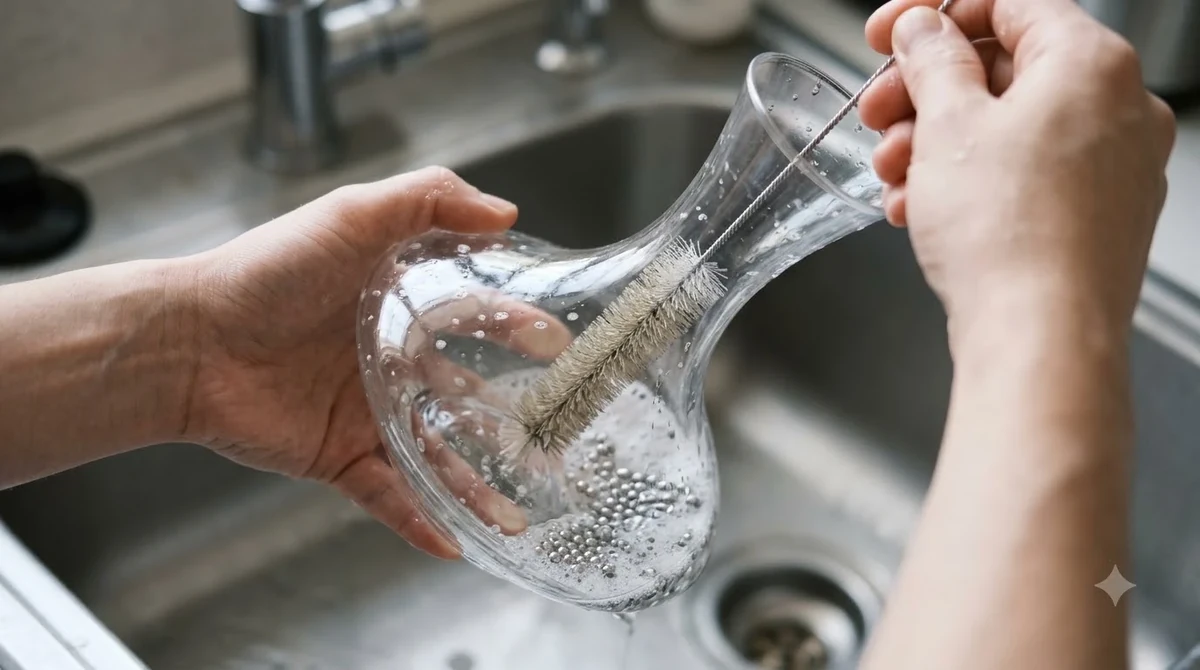
Decanters present a different cleaning challenge from ordinary wine glasses. Their wider interior surfaces, curved bases, and narrower openings can make it difficult to reach every area with a conventional sponge. Wine residue and mineral deposits may become more noticeable if the vessel is left to dry without proper rinsing.
Aldo Sohm’s Zalto care guidance acknowledges that decanters and carafes can accumulate deposits that are harder to remove. It suggests methods such as dissolving baking soda in hot water, adding lemon juice to rinse water, or swirling uncooked rice for stubborn stains. These techniques illustrate that cleaning a decanter requires a little more attention than washing a regular drinking glass.
Size may not suit every collection
The Mystique’s larger capacity is useful for powerful wines and magnum service, but not everyone needs a 1,900 ml vessel. For someone who primarily opens standard 750 ml bottles of medium-bodied red wine, the additional capacity may not provide a meaningful advantage.
The Axium is also not a perfect choice for every occasion. Its narrower proportions do not provide the same broad surface area as the Mystique. Someone who regularly opens young, highly structured red wines may prefer the larger model’s intended aeration profile.
Tip: Before buying either model, measure the available cabinet and sink clearance. The Axium is 204 mm tall and 155 mm wide, while the Mystique is 185 mm tall and 213 mm wide. Allow additional room for your hands when lifting, rinsing, and drying the vessel.
Who Should Buy and Who Should Skip
The Axium is the more sensible starting point for most wine enthusiasts who want one premium decanter for regular entertaining. The Mystique is better suited to collectors who frequently serve powerful red wines and want a larger vessel with a wider wine-contact surface.
Choosing the correct model depends on the bottles that appear most frequently in a household. A person who drinks Cabernet Sauvignon, Merlot, Chianti, and full-bodied Chardonnay has different requirements from someone who regularly opens young Barolo, substantial Bordeaux blends, or magnum-format wines.
Buy the Axium if you want an adaptable decanter
The Axium makes sense for buyers who want a single vessel that can accommodate several wine styles. Its 1,450 ml capacity provides enough room for a standard bottle with additional space for aeration, and its relatively moderate dimensions make it easier to integrate into ordinary dining arrangements.
It is particularly suitable for Cabernet Sauvignon, Merlot, and Bordeaux blends. These wines often have enough tannin and structure to benefit from thoughtful aeration, particularly when young. Full-bodied whites can also fit the Axium’s intended use, giving it an advantage for households that serve both red and white wines.
Consider the Axium if you enjoy hosting dinner parties but do not want a large decanter occupying much of the table. Its 155 mm width is a useful practical consideration, particularly when several wine glasses and serving dishes already occupy the available space.
Buy the Mystique if you regularly serve powerful reds
The Mystique is the stronger candidate for wine enthusiasts who regularly open young, concentrated red wines. Its 1,900 ml capacity and 213 mm width provide a substantially different shape from the Axium, with a larger surface area intended to increase wine-to-air contact.
Magnum collectors should pay particular attention to this model. A 1.5-liter magnum contains twice the wine of a standard 750 ml bottle, and Zalto specifically identifies the Mystique as suitable for magnum aeration. Its additional capacity provides more room for that larger volume than the Axium.
It is also a compelling choice for buyers who appreciate sculptural glassware and have enough room to store it safely. The Mystique’s broad proportions make it visually distinctive, but its size is best appreciated by someone who will use it regularly rather than simply display it.
Skip both if practicality comes first
Not every wine drinker needs a premium crystal decanter. Someone who primarily drinks everyday wine, has limited cabinet space, or prefers low-maintenance kitchen equipment may find a simpler vessel more appropriate.
A thick-walled decanter designed for frequent handling can make more sense for busy households, particularly where multiple people wash and store the glassware. A more affordable, sturdy vessel can also be preferable for outdoor dining, large parties, or settings where breakage is a greater concern.
Likewise, anyone who rarely decants wine should think carefully before investing in a specialized vessel. A decanter can improve presentation and provide useful aeration, but the benefits depend on the wine, its age, and the way it is served. It does not guarantee that every bottle will taste better.
How It Compares to Alternatives
The most useful alternatives to a Zalto decanter are not necessarily competing premium decanters. Zalto’s own Carafe No150, No75, and No25 offer different proportions and capacities for people who want gentler aeration or a more versatile serving vessel.
Understanding the distinction between decanting and carafing helps explain why these alternatives may be more appropriate for certain wines. A broad decanter can expose wine to more air, while a narrower carafe can provide a more restrained approach to serving.
Axium versus Zalto Carafe No150
The Axium is designed for red wines and full-bodied whites, with a 1,450 ml capacity and a relatively broad profile. Carafe No150 holds 1,600 ml and is intended for delicate white wines, water, and fruit juices. Zalto also describes the No150 as suitable for refrigerator storage.
That makes the No150 a more versatile household serving vessel for someone who regularly serves chilled white wine or nonalcoholic drinks. Its 300 mm height and 123 mm width create a taller, narrower profile than the Axium.
The Axium remains the more appropriate choice when the primary objective is decanting red wines and structured whites. The No150 is better understood as a general-purpose carafe that can also provide gentler aeration.
Axium versus Zalto Carafe No75
Carafe No75 has an 820 ml capacity, making it a more compact option than either Denk’Art decanter. Its 248 mm height and 93 mm width give it a slender appearance, and Zalto describes it as appropriate for delicate white wines, water, and fruit juices.
Its capacity is sufficient for a standard 750 ml bottle, although the available extra space is limited. That makes it a practical option for serving a bottle without requiring the larger footprint of the Axium or Mystique.
The Axium is preferable for someone who wants a dedicated red wine decanter with more room for aeration. The No75 is a better fit for smaller tables, refrigerator storage, and everyday serving of delicate whites.
Mystique versus Zalto Carafe No150
The Mystique and No150 are both larger vessels, but they serve different purposes. The Mystique holds 1,900 ml and is designed for powerful reds requiring substantial air contact. The No150 holds 1,600 ml and is aimed at delicate whites, water, and juice.
The Mystique’s broad 213 mm body is the defining difference. It is designed around a greater air-contact surface, whereas the No150’s slimmer 123 mm width gives it a more restrained appearance and a refrigerator-friendly role.
Buyers should not assume that a larger capacity automatically means better aeration for every wine. A delicate mature white and a young, concentrated Cabernet Sauvignon have different requirements. Matching the vessel to the wine is more important than choosing the largest available capacity.
Choosing the right glassware alongside a decanter
A decanter is only one part of the serving setup. The shape of the wine glass also influences how wine reaches the nose and palate. For example, a generous bowl can give a structured red more room to release its aromas after decanting.
Those building a complete collection may want to compare the options in our guide to wine glasses, particularly if they want glass shapes that complement both the wine and the decanter. Cabernet and Bordeaux drinkers may also find our recommendations for red wine glasses useful.
For sparkling wine service, a dedicated glass has a different purpose from a red wine decanter. Our guide to champagne flutes explains the main glassware considerations for Champagne and other sparkling wines.
Care, Cleaning, and Everyday Use
Proper care is essential for protecting delicate crystal and keeping a Zalto decanter clear. The most important habits are to rinse promptly after use, avoid sudden temperature changes, prevent hard contact with other objects, and allow the vessel to dry completely before storage.
Zalto’s care information, available through Aldo Sohm’s FAQ, states that dishwasher cleaning is suitable for its glassware and that a proper glass-washing cycle can reduce the need for manual polishing. However, dishwasher suitability does not eliminate the need to consider the dimensions of the vessel and the available space inside the machine. The Zalto care and product FAQ provides additional guidance on washing, lead-free crystal, and the differences between the Axium and Mystique.
Cleaning after serving wine
Start by emptying the remaining wine and rinsing the decanter with clean water. Avoid leaving wine residue inside for extended periods, especially if the vessel will not be used again soon. Dried wine can leave visible deposits that become harder to remove.
If the interior develops mineral or wine deposits, Zalto’s published care guidance includes baking soda dissolved in hot water as one cleaning approach. Lemon juice can also be used in rinse water, while uncooked rice can help address stubborn stains through gentle movement inside the vessel.
Do not use aggressive abrasive pads or metal tools to scrape the interior. These can scratch the surface or create unnecessary pressure against delicate areas. Cleaning should focus on gentle rinsing and suitable methods rather than force.
Dishwasher or hand washing?
The manufacturer’s care guidance reproduced by Aldo Sohm recommends dishwasher cleaning using a proper glass-washing cycle with suitable water hardness and rinse settings. This approach avoids unnecessary manual polishing, which can introduce handling risks.
Hand washing remains an option for owners who prefer more control over the process. The vessel should be supported securely, with particular care around the rim and body. Avoid twisting or applying force when the glass is wet, and do not hold a delicate vessel in a way that concentrates pressure on one narrow section.
Drying and storage
After cleaning, allow the decanter to drain thoroughly and dry in a stable location. Do not put it away while water remains trapped inside, as mineral deposits can develop during drying.
Store the Axium and Mystique separately from heavy cookware, metal utensils, and other glass vessels. Their delicate crystal construction makes direct contact with hard objects an unnecessary risk. A dedicated cabinet shelf with enough clearance is preferable to a crowded kitchen cupboard.
Temperature changes also deserve attention. Avoid pouring very hot water into a cold vessel or exposing crystal to rapid changes between hot and cold conditions. Sudden temperature differences can place unnecessary stress on glass.
For households that entertain frequently, a consistent cleaning and storage routine makes ownership easier. Rinsing promptly, washing with suitable equipment, and keeping the vessel in a protected location will help maintain its clarity and appearance.
Frequently Asked Questions
Does the Zalto Axium have a removable stopper?
The published product specifications reviewed for the Axium do not identify a removable stopper or include one as a standard feature. It is best treated as a serving and aeration vessel rather than a sealed storage container. If a stopper is important for your intended use, confirm the supplied accessories with the retailer before ordering.
Can the Zalto Mystique be used for nonalcoholic drinks?
A crystal decanter can physically hold other suitable beverages, but the Mystique’s intended design is specifically directed toward powerful red wines. Its broad body and distinctive proportions may be less convenient for ordinary water service than a dedicated carafe. For frequent nonalcoholic drink service, Zalto’s slimmer Carafe No150 is a more directly suitable option.
Does decanting remove sediment from older wine?
Decanting can separate wine from sediment by allowing the liquid to flow into another vessel while the deposit remains in the original bottle. It does not remove every dissolved compound or reverse the effects of aging. A steady pour under good lighting is particularly useful when handling older Bordeaux, vintage Port, and other wines that have developed deposits.
Should a Zalto decanter be pre-rinsed before serving wine?
Zalto’s general product safety instructions recommend rinsing glass items before their first use. For subsequent use, a clean vessel should be free of detergent residue, dust, and lingering aromas. A quick rinse with clean water before pouring is a sensible serving habit, particularly when the decanter has been stored for an extended period.
Can a Zalto decanter be used for spirits?
The available manufacturer descriptions focus on the Axium and Mystique as wine decanters, rather than dedicated spirit-storage vessels. Zalto also offers specialized glassware for digestifs and other spirits within its wider collection. For long-term spirit storage, a purpose-built, securely closable decanter is generally a more appropriate choice than an open wine-serving vessel.
The Zalto Axium is the stronger all-around choice for wine enthusiasts who want a refined decanter for red wines and full-bodied whites, while the Mystique is better suited to powerful reds and magnum service. Both offer distinctive crystal construction and carefully considered proportions, but their delicate nature makes thoughtful handling and storage important. Choose according to the wines you regularly serve, the available space in your home, and how much aeration your collection typically requires.
More in Wine Glasses
 Zwiesel Glas Champagne Flutes for Durable Everyday Sparkling WineUpdated Nov 20, 2026
 Vera Wang Crystal Wine Glasses: Design, Quality and Buying AdviceUpdated Nov 20, 2026
 West Elm White Wine Glasses: Compare Designs for Better Everyday Wine ServiceUpdated Nov 20, 2026
 Zalto Stemless Wine Glasses: Discover Their Distinctive DesignsUpdated Nov 20, 2026
 Viski Champagne Glasses That Match Your Style and Sparkling WineUpdated Nov 20, 2026
 Vista Alegre Decanter Review: Crystal Style and Wine ServiceUpdated Nov 20, 2026