

We may earn a commission when you buy through links on this page, at no extra cost to you. Learn more.
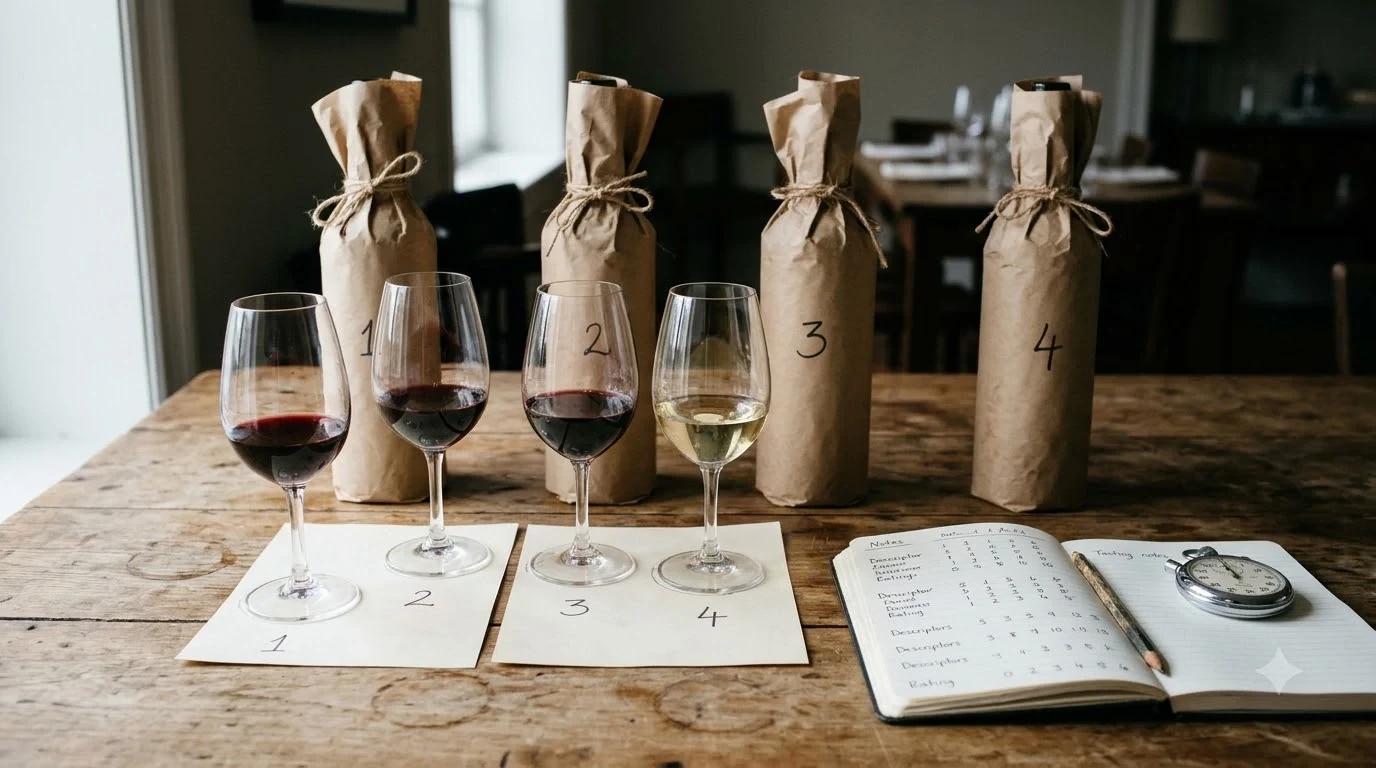
Carmel Valley wine tasting is easiest with a plan: the valley has a cluster of tasting rooms, and most of them sit close enough to visit in one afternoon. The area is a short drive inland from Monterey Peninsula, and a public bus route and a themed trolley tour both stop at several wineries. Book ahead where the winery asks for a reservation, and pick a few rooms rather than trying to cover the whole valley in one day.
Carmel Valley is one of the more compact wine-tasting destinations in California. Its tasting rooms, estate wineries, and hotels are spread along a few roads, which makes it practical for a day trip or a weekend stay. This guide explains what to expect, how to get around, and how to make the most of a visit without rushing.
What Makes Carmel Valley Worth a Visit
Carmel Valley sits in a Mediterranean climate, and the area is described as having warm, dry summers. That setting gives the valley a relaxed feel that many visitors enjoy, with rolling hills, open land, and a steady stream of tasting rooms along the main road. The valley is not as large as some famous wine regions, so it is possible to get a sense of its character in a single trip.
Part of the appeal is the mix of styles on offer. Some wineries produce their wine on estate land and pour only their own bottles. Others operate tasting rooms that let visitors sample a broader range. Both approaches can be rewarding, and the difference is worth asking about before you arrive, because it changes what you will taste.
Where to Taste in Carmel Valley
Wikipedia’s article on the valley and a number of local listings point to a group of about 13 wineries with tasting rooms in Carmel Valley. Among the names are Holman Ranch, Bernardus, Boëté, Chateau Sinnet, Folktale, Galante, Georis, Heller Estate, Joullian Village, Joyce Vineyards, Parsonage, San Saba, and Talbott. Hours and formats change, so confirm each room before you go.
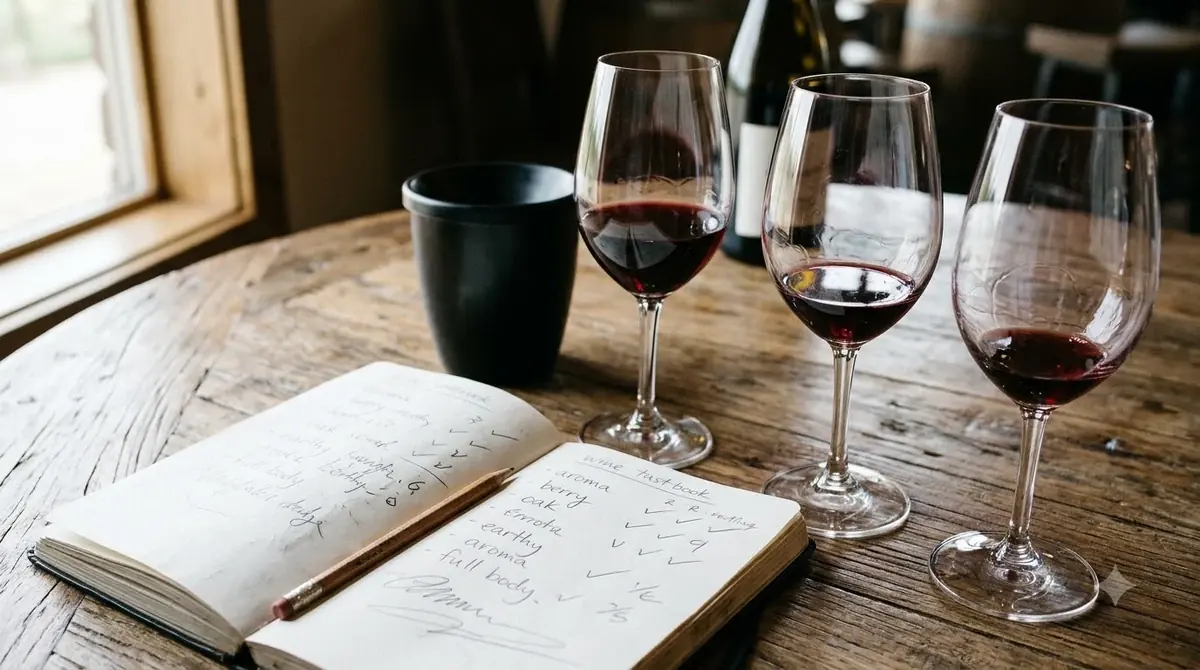
Many of these rooms sit along Carmel Valley Road, which makes it simple to group several into one route. A good approach is to choose two or three wineries that offer different styles or settings, such as an estate-focused property, a larger tasting room, and a winery with a view. That gives you a clear comparison without tiring your palate.
If you want a sense of how a valley-based winery operates, the estate at Holman Ranch is a useful example. Its own website describes the wines as estate-made from start to finish, and it notes that the vineyard and winery are a private estate open by appointment, while the tasting room sits on a different address on West Carmel Valley Road. Checking those details before you visit saves a lot of confusion.
Getting Around Without Driving
Carmel Valley is spread out enough that a designated driver or a tour is a good idea. The Grapevine Express Route 24, run by Monterey-Salinas Transit, stops at most of the valley’s tasting rooms, which makes it a practical option for visitors who prefer not to drive. Check the current schedule before you plan a route, since bus times vary by season.
A themed alternative is the Monterey Wine Trolley, a tour that uses a former San Francisco trolley and stops at several wineries on the Monterey Peninsula and in Carmel Valley. Guided tours like this take the stress out of planning and let you focus on the wine. Whichever option you choose, arrange your return ride before you start tasting.
| Way to visit | What it offers | Best for |
|---|---|---|
| Self-guided tasting rooms | Flexible route and time at each stop | Visitors with a designated driver |
| Grapevine Express Route 24 | Bus service that stops at most tasting rooms | Visitors who do not want to drive |
| Monterey Wine Trolley | Guided tour with stops on the Peninsula and in the valley | Groups and first-time visitors |
| Estate visit by appointment | Vineyard and winery access on a booked schedule | Visitors who want a quieter, focused visit |
Tip: Ask each tasting room whether it requires a reservation. Many estate visits are booked in advance, and a walk-in may not be possible.
Planning a Carmel Valley Tasting Day
Start your day with the most distant winery and work your way back toward town, so the drive ends close to where you are staying. Plan no more than three or four tastings. Each pour adds up, and a shorter list lets you remember what you liked. Schedule a meal between stops, because a full lunch makes the afternoon far more enjoyable.
Historical context can add depth to the day. The Holman Ranch property, for example, was once part of Rancho Los Laureles, and in 1928 a San Francisco businessman, Gordon Armsby, bought about 400 acres there and built a Spanish-style hacienda that later became a Hollywood retreat. Today the property operates as a winery with a tasting room and also hosts weddings and events. Knowing that background makes the visit feel less like a stop on a list and more like a place with its own story.
Weekdays can be quieter than weekends, which is useful if you want more time with staff and fewer people at the bar. If a winery offers a guided tasting or a vineyard walk, choose it when your schedule allows, since those formats usually give more context about the wines you are drinking.
Wine Styles and What to Ask at the Tasting Room
Each tasting room has its own menu, and the wines on it reflect the producer’s choices about grapes and style. Rather than trying to memorize a list of varieties, ask the staff what they are proud of and why. A good host will explain the vineyard source, the winemaking approach, and the style they want guests to notice.
It also helps to compare a similar wine across two rooms. Tasting the same grape style from different producers shows how the valley’s conditions show up in the glass and how much each winemaker’s approach matters. If you enjoy that kind of comparison, you may also like our guide to Loire Valley wine tasting, which uses the same approach in a very different region.
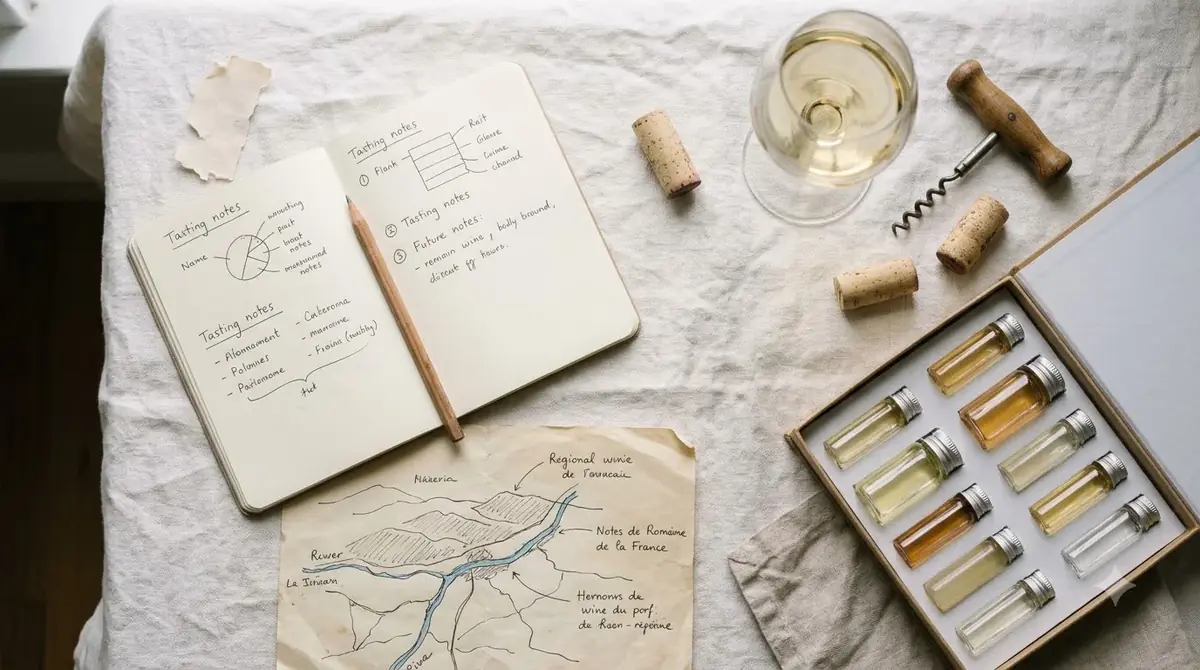
Serving temperatures and glassware affect what you taste, so ask for a clean glass for each pour if the room does not offer one. White wines should be cool rather than cold, and red wines are usually best slightly below room temperature. Water and a simple snack between pours will help you keep track of what you have tried.
Frequently Asked Questions
Do I need a reservation for Carmel Valley tasting rooms?
It depends on the winery. Estate visits are often booked by appointment, while some tasting rooms welcome walk-ins. Check each winery’s website or call ahead before you plan your route.
How many wineries can I visit in one day?
Three or four is a comfortable number for most visitors. That allows time for tastings, a meal, and travel between stops without rushing.
Is there public transportation to the tasting rooms?
Yes. The Grapevine Express Route 24, run by Monterey-Salinas Transit, stops at most of the tasting rooms in the valley. Confirm the current schedule before you travel.
Should I choose a tour or plan my own route?
A tour is a good choice for first-time visitors or groups who want a relaxed day. Planning your own route gives you more control over which wineries to visit and how long to stay at each one.
Carmel Valley rewards a slow, focused visit. Pick a few tasting rooms, use a shuttle or tour for the drive, and check reservation details before you leave. For more ideas on comparing wine destinations, browse our Willamette Valley wine tasting guide or the overview of Wine Regions.
More in Wine Regions
 Willcox Wine Trail: Discover Arizona’s High-Elevation Wine CountryUpdated Nov 20, 2026
 Yakima Valley Wine Region: Find the Best Styles to TryUpdated Nov 20, 2026
 Vosne Romanee Wine Tasting: Identify Aromas and Choose Better PairingsUpdated Nov 20, 2026
 Yakima Valley Wine Festival: Find the Best Seasonal Wine EventsUpdated Nov 20, 2026
 Wales Vineyards: Discover Cool-Climate Wines and Where to VisitUpdated Nov 20, 2026
 Yountville Wine Festival: Discover Napa Wines and Local FoodUpdated Nov 20, 2026