

We may earn a commission when you buy through links on this page, at no extra cost to you. Learn more.
Willamette Valley wine tasting takes place in western Oregon’s oldest wine region, where Pinot Noir is the flagship grape and wineries sit roughly 10 minutes to two hours from Portland or Eugene. The region has more than 700 wineries according to its regional wine association, so most visitors plan a short list of tasting rooms by area and style. A little preparation about reservations, sub-regions and the valley’s climate makes the day much more rewarding.
This guide explains where the tasting rooms are, what to expect when you walk in, which grapes you will taste, and how to plan a route that fits your time and your interests.
Where Willamette Valley Tasting Happens
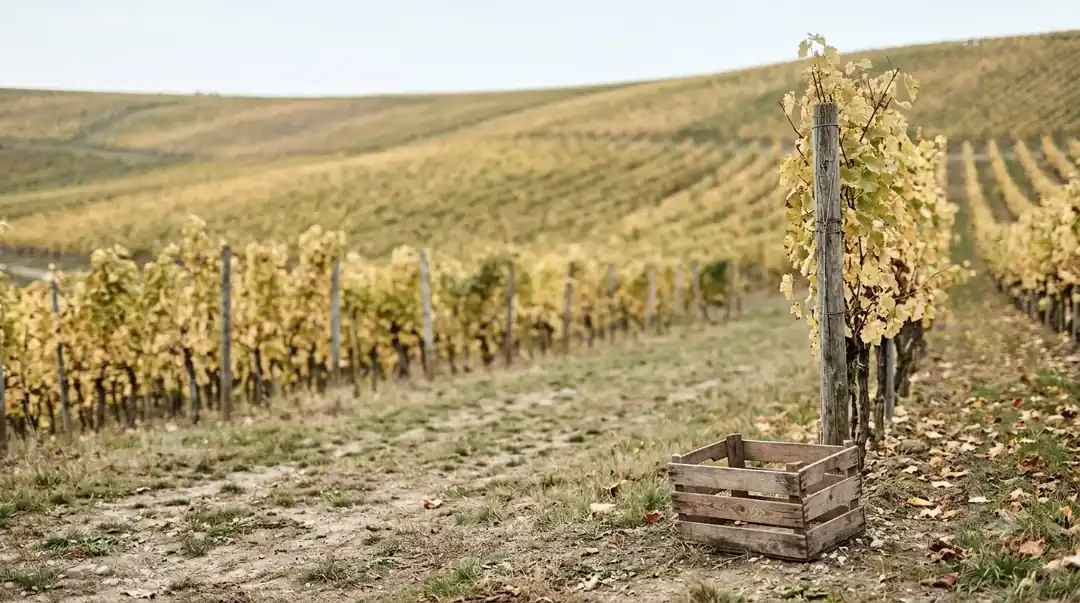
The Willamette Valley runs through western Oregon, stretching from the Portland metro area in the north toward Eugene in the south. Its boundaries follow natural barriers: the Cascade Range to the east, the Oregon Coast Range to the west, and the Calapooya Mountains to the south. Most of the wineries are spread across the valley floor and the foothills around it, so distances between tasting rooms can be longer than they first appear on a map.
The regional association describes the valley as Oregon’s oldest wine region, home to about two-thirds of the state’s wineries and vineyards. The key figures below come from its Willamette Valley regional page.
| Fact | Figure |
|---|---|
| Wineries | More than 700 |
| Established as an American Viticultural Area | 1983 |
| Total AVA area | 3,428,800 acres |
| Planted vineyard acres | 25,450 |
| Nested AVAs (sub-regions) | Eleven |
Choosing Sub-Regions for Your Route
The valley is divided into eleven nested AVAs, including Chehalem Mountains, Dundee Hills, Eola-Amity Hills, Laurelwood District, Lower Long Tom, McMinnville, Mount Pisgah, Ribbon Ridge, Tualatin Hills, Van Duzer Corridor and Yamhill-Carlton. Each sub-region has its own soils and elevation, which is one reason a tasting in one area can taste quite different from a tasting in another. You do not need to visit all of them. Picking one or two adjacent sub-regions keeps the drive short and lets you compare producers more easily.
The regional association suggests two-day itineraries for the North and for the South and Central parts of the valley. If you have only one day, choose the sub-region closest to your starting point and plan three or four stops rather than six.
What to Expect at a Willamette Valley Tasting Room
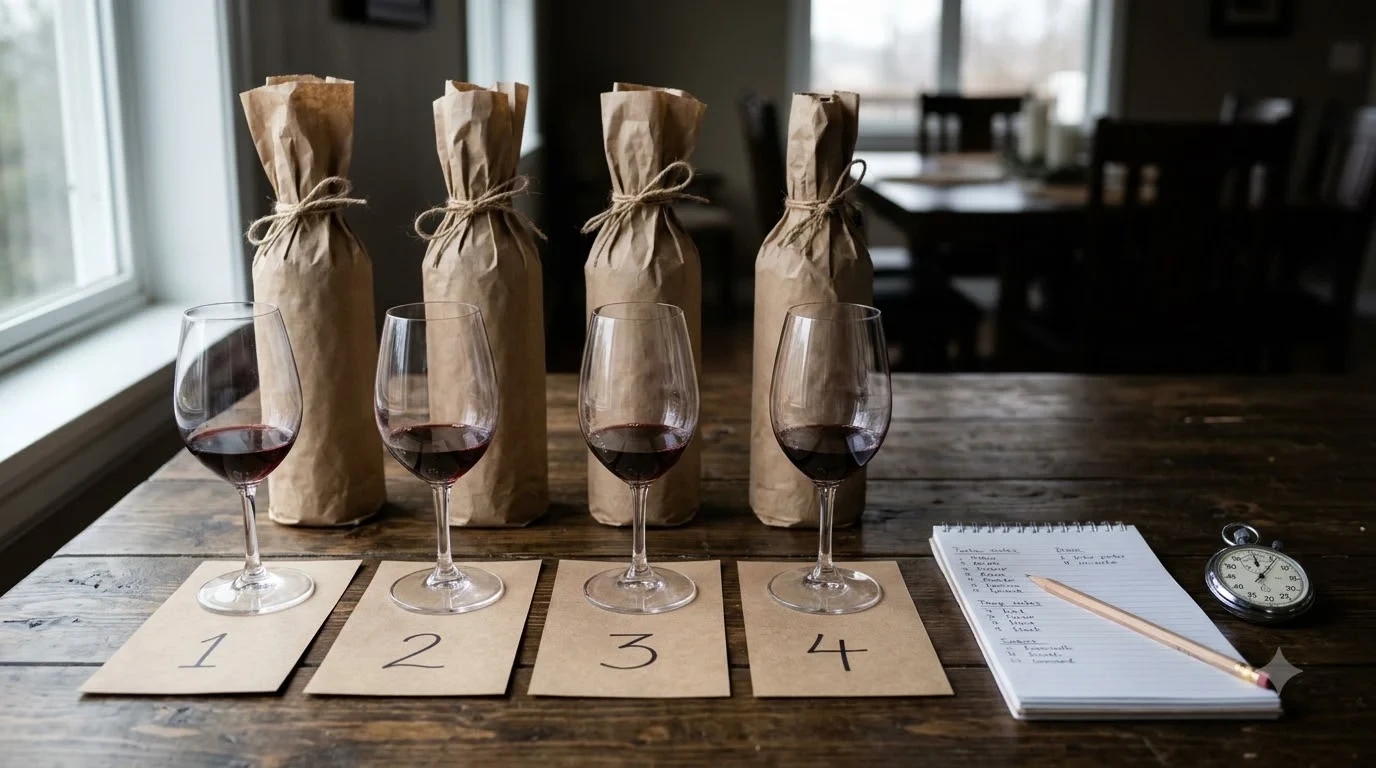
Tasting rooms in Oregon welcome visitors for both indoor and outdoor tastings, so you can often sit on a patio when the weather allows. Many tasting rooms pour a flight, which is a set of small pours that lets you compare several wines in one sitting. A typical flight moves from lighter wines to richer ones, so tasting in that order keeps the palate fresh and makes the differences easier to notice.
Some wineries are appointment-only, and the regional association advises learning local etiquette before you contact a winery. Check the winery’s website or call ahead before you arrive, especially on weekends and during the busy summer months. Walk-in tastings are common at larger tasting rooms, but a small producer may need a reservation.
Tip: Ask for a spit cup or a spittoon at the start of the flight. Tasting several Pinot Noirs in one afternoon adds up quickly, and spitting lets you judge each wine clearly without losing the rest of your day.
The Grapes You Will Taste
Pinot Noir is the flagship variety of the Willamette Valley, and it appears in almost every tasting flight. Wine writers often describe the valley’s Pinot Noir as among the best in the world, and that reputation draws many visitors. Pinot Gris is the other grape you will see often, along with Chardonnay and Riesling. The regional association also lists Pinot Blanc, Gewürztraminer, Syrah, Gamay, Sauvignon Blanc and sparkling wine among the valley’s varieties.
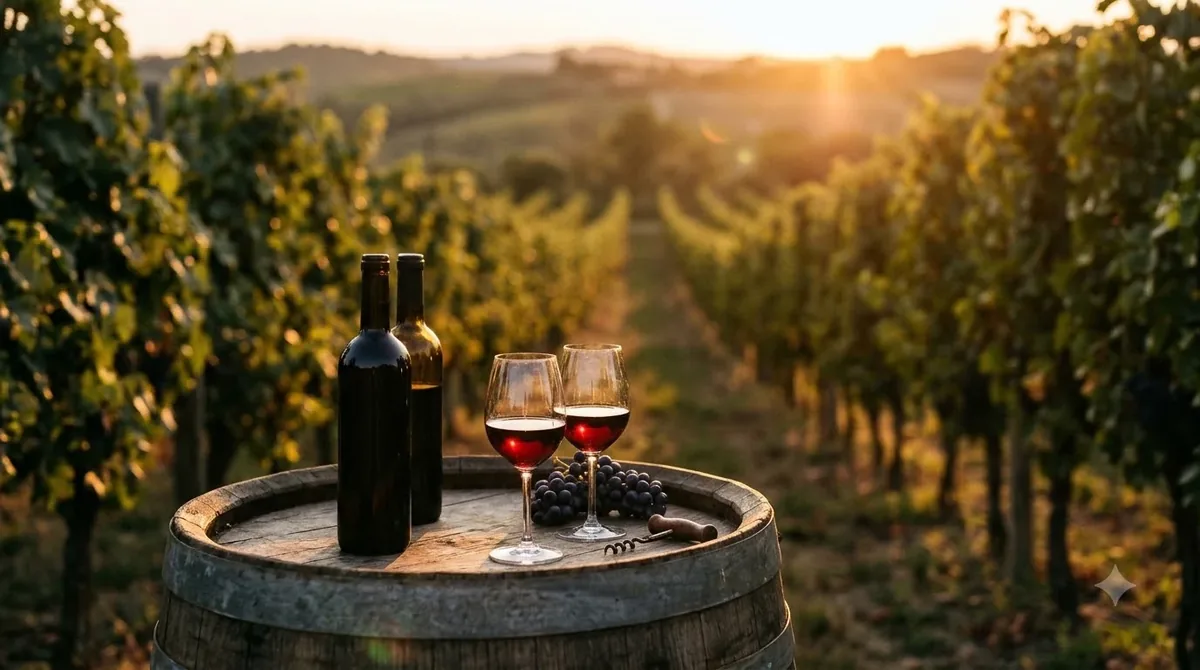
If you want a useful comparison, taste a Pinot Noir and a Pinot Gris from the same winery. The two grapes come from the same climate and soils, so the differences you notice tell you how much the variety, rather than the place, shapes the wine. Tasting rooms often pour both, so you can make this comparison easily.
Keeping a short note for each pour pays off on the drive home. Write down the wine name, the vintage and two or three words describing the aroma and finish. Within a few visits, those notes reveal which styles you prefer, and they make it easier to ask a tasting room staff member for a bottle that fits your taste.
How the Climate Shapes the Wines
The valley’s climate is part of the reason its wines are so distinctive. According to the regional association, the Coast Range shields the valley from cold Pacific air and heavy rain, while the Cascades block the dry climate of eastern Oregon. The result is a long, gentle growing season with warm summers, cool evenings and a long autumn. General reference material on the valley describes the pattern as mild, cloudy, wet winters and warm, sunny summers with cool nights, with rainfall varying by elevation.
Those cool nights help grapes keep their acidity, which is one reason Willamette Valley whites and reds often show bright, fresh flavors. When you taste, look for that freshness on the finish. A wine that feels lively and balanced usually reflects the cooler conditions that shaped it.
Planning Your Visit
Start with the regional tasting room directory, which lists wineries by region and helps you match tasting rooms to your route. The region also publishes a free touring guide, and the Oregon wine touring guide lists more than 500 tasting rooms across the state. Pick up a printed copy or use the digital version on your phone.
Seasons change the experience. The regional association notes that Oregon wine country has something to offer whatever the weather, from rain to sun to snow. Spring and fall tend to bring fewer crowds, while summer offers the most outdoor seating. May is Oregon Wine Month, and many wineries host events that month. Arrange a designated driver or a car service before you start, so the day stays relaxed and safe.
Group your stops by sub-region so each leg of the day stays short. Many visitors pair a morning tasting with a lunch stop in a town near the tasting rooms, then finish with a slower afternoon visit. Leave room in the schedule for one unplanned stop, because a friendly tasting room is often where a good discovery happens.
Frequently Asked Questions
How far is Willamette Valley from Portland?
The regional association says wineries are reachable from Portland or Eugene in about 10 minutes to two hours, depending on which sub-region you choose.
Do I need reservations for a tasting?
Many tasting rooms welcome walk-ins, but some wineries are appointment-only and smaller producers often prefer bookings. Check the winery’s website or call ahead, especially on weekends and during busy months.
What grape should I try first in the Willamette Valley?
Start with Pinot Noir, the region’s flagship variety, and compare it with a Pinot Gris from the same winery. Tasting both shows how much the grape variety shapes the wine in the same climate.
How many days do I need for a Willamette Valley trip?
The regional association suggests two-day itineraries for the North and for the South and Central valley. One day is enough for a focused tour of one or two adjacent sub-regions with three or four stops.
For more on wine regions around the world and how they compare, read the Wine Regions guide. If you want to plan a tasting trip somewhere else, the Loire Valley wine tasting guide shows how a different region structures its tasting rooms and routes.
More in Wine Regions
 Willcox Wine Trail: Discover Arizona’s High-Elevation Wine CountryUpdated Nov 20, 2026
 Yakima Valley Wine Region: Find the Best Styles to TryUpdated Nov 20, 2026
 Vosne Romanee Wine Tasting: Identify Aromas and Choose Better PairingsUpdated Nov 20, 2026
 Yakima Valley Wine Festival: Find the Best Seasonal Wine EventsUpdated Nov 20, 2026
 Wales Vineyards: Discover Cool-Climate Wines and Where to VisitUpdated Nov 20, 2026
 Yountville Wine Festival: Discover Napa Wines and Local FoodUpdated Nov 20, 2026