

We may earn a commission when you buy through links on this page, at no extra cost to you. Learn more.
The austin hope wine price for a standard 750 ml bottle of Austin Hope Cabernet Sauvignon is generally about $50 to $65 at U.S. retailers, based on Caveau vintage tracking and Total Wine listings. That range reflects typical shop offers tracked for recent vintages and current listings for the regular bottling, rather than the separate Reserve Cabernet. Vintage, retailer, local alcohol taxes, shipping rules and availability can move the final shelf price, so compare the same bottle size and label before buying.
Austin Hope is a Paso Robles Cabernet above everyday grocery-store wine. Compare the exact wine, vintage and size before choosing a retailer.
Who This Is For
Austin Hope Cabernet Sauvignon is aimed at drinkers who enjoy a full-bodied, ripe-fruited California red and are prepared to spend more than they would on an everyday Cabernet. The standard bottling is a Paso Robles wine with a profile built around dark fruit, oak-derived spice and substantial structure, so it suits people who like generous flavors rather than a restrained, light-bodied red.
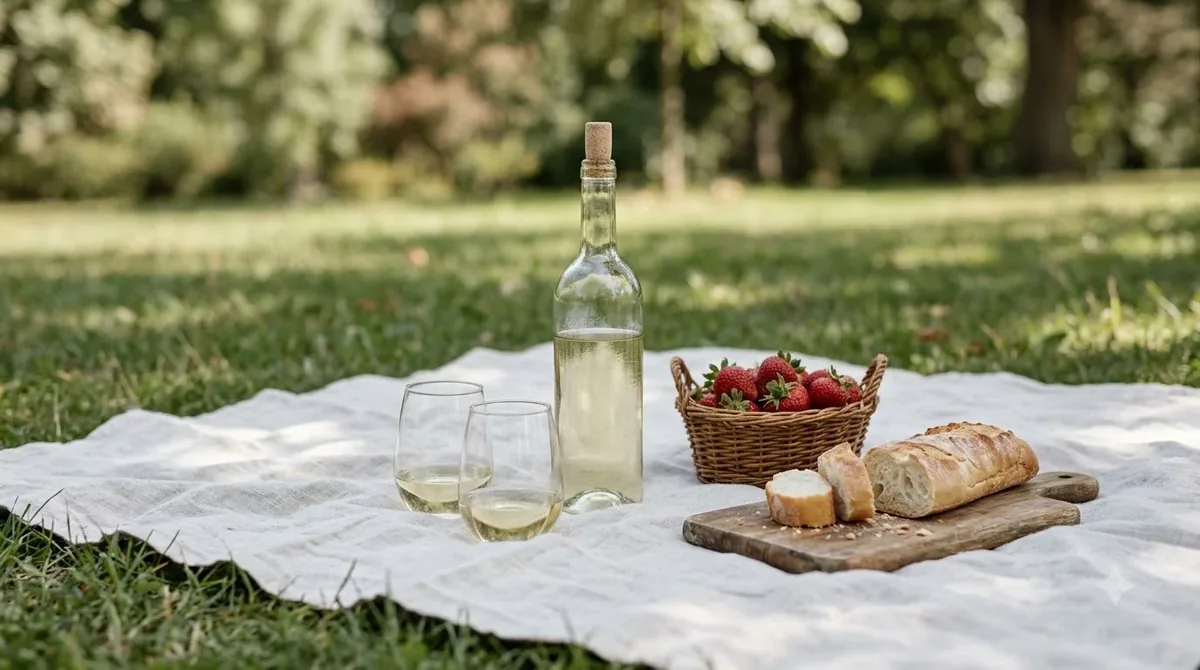
This is a practical choice for steak, a holiday meal or a table of guests who usually choose Cabernet Sauvignon. Retailer notes mention blackberry, plum and cherry; Wine Enthusiast’s 2022 review adds black cherry, chai, caramel and vanilla, while the winery’s 2024 notes describe ripe cherry, blackberry, violets, dried spice, cocoa and roasted coffee. Together, those profiles point to a broad, plush style rather than a lean red for delicate food.
A 750 ml bottle holds about five standard 5 oz pours, enough for a small dinner table. Someone seeking an understated weeknight red may find the style and price unnecessary, while a drinker who likes concentrated fruit and a firm Cabernet presence may consider it a suitable splurge. The site’s austin hope cabernet page provides more detail on the core bottling. The full wine name matters: Austin Hope also makes Rhône varieties and a separate, limited Reserve Cabernet.
Key Factors to Compare
The fairest Austin Hope price comparison starts with the exact label, vintage and bottle size, then checks the seller’s offer against a realistic retail range. A standard 750 ml bottle is usually the reference point; a Reserve, magnum or older collectible bottle should not be compared as though it were the same product.
| Factor | What to compare | Why it matters |
|---|---|---|
| Standard retail range | About $50 to $65 for a 750 ml bottle, based on Caveau’s U.S. vintage listings and Total Wine’s current standard-bottle listing. | This is a useful planning range, not a guaranteed shelf price; prices vary by state and retailer. |
| Bottle size | 750 ml standard bottle versus 1.5 L magnum. | A magnum contains twice the wine, so compare the price per 750 ml equivalent rather than the front-label total. |
| Wine designation | Regular Austin Hope Cabernet Sauvignon versus Austin Hope Reserve Cabernet Sauvignon. | The winery describes Reserve as an ultra-limited special-barrel selection with 100% new French oak for extended aging. |
| Vintage | Check the printed year, such as 2022, 2023 or 2024. | Different growing seasons and release details can affect availability and tasting character even when retail prices are close. |
| Alcohol and structure | The winery lists 14.5% alcohol for its 2024 Cabernet; Wine Enthusiast lists 15% for its reviewed 2022 bottle. | Alcohol, tannin and ripe fruit shape how full and warming the wine feels at the table. |
| Seller conditions | Local stock, shipping eligibility, tax, delivery fee and return policy. | A low advertised shelf figure may not remain the lowest total cost after checkout. |
For a price benchmark, Caveau tracks U.S. shop offers for several recent vintages and places their typical 750 ml prices around $60 to $62, while Total Wine’s standard Cabernet listing sits within the broader $50 to $65 planning band; both sources make clear that listings and availability can change. See the Caveau Austin Hope Cabernet price tracking for its vintage-by-vintage method, and remember that prices vary by state and retailer.
Restaurant prices include service, storage and labor; auction or private-cellar offers also depend on bottle condition and provenance.
Step-by-Step
Use a short comparison process before paying for Austin Hope. Five checks are usually enough to identify whether the offer is for the regular Cabernet and whether its total cost makes sense against other U.S. listings.
- Read the complete front label. Confirm that the bottle says Austin Hope Cabernet Sauvignon and Paso Robles. Do not confuse it with Austin Cabernet Sauvignon, a different label in the broader Hope Family Wines portfolio, or with Austin Hope Reserve Cabernet Sauvignon.
- Confirm the vintage and size. Read the four-digit year and the milliliter amount on the listing or bottle. Compare 750 ml with 750 ml; a 1.5 L magnum is twice the volume and should be evaluated using its per-bottle-equivalent cost.
- Set a realistic comparison band. Use about $50 to $65 as a planning range for the regular 750 ml bottling, based on Caveau’s U.S. vintage tracking and Total Wine’s retail listings. The band is a guide, not a ceiling or promise, and prices vary by state and retailer.
- Check the total checkout cost. Add local alcohol tax, shipping, handling and any minimum-order requirement. A retailer that ships to one state may not ship to another, and delivery fees can change the comparison for a single bottle.
- Check seller and bottle details. For an older vintage, inspect the listing for fill level, capsule condition, label damage and storage information. For a current release, confirm that the retailer identifies the vintage clearly and has the bottle in stock.
Put offers side by side rather than relying on a search-result headline. A 2022 750 ml bottle, a 2024 750 ml bottle and a 1.5 L magnum are not identical offers. Record the vintage, designation, size and total delivered cost. For a dinner tonight, availability matters most; for a gift, label condition and a clearly stated year matter; for a bottle to hold, storage history and the vintage’s drinking window deserve more weight than a small shop-price difference.
Types or Styles Explained
Austin Hope is a producer label rather than one single wine, and the regular Cabernet is only one part of its range. The price comparison should separate the core Paso Robles Cabernet from Reserve and from the brand’s other grape varieties, because the wines have different purposes and production choices.
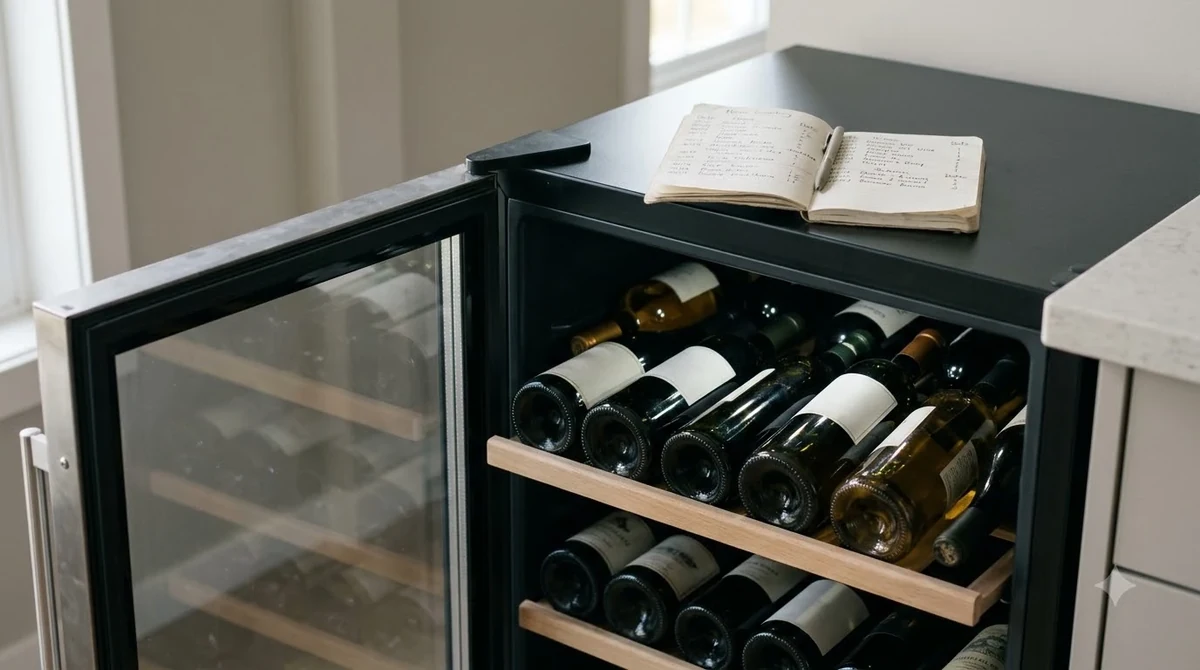
The standard Austin Hope Cabernet Sauvignon is the main reference for the typical retail range in this guide. Hope Family Wines says the Austin Hope label began in 2000 with Rhône varieties from the family estate vineyard, and the first Cabernet under the name followed in 2017. The winery describes the regular Cabernet as an expression of Paso Robles, sourcing from multiple districts instead of a single vineyard block. Its 2024 technical information names six districts across the AVA, including Creston, Paso Robles Highlands, Estrella and Geneseo. The winery’s 2024 notes describe ripe cherry, blackberry, violets and dried spices, followed by cocoa, roasted coffee and vanilla. That vintage is listed at 14.5% alcohol and 17 months in oak. The winery ferments and ages lots separately before blending, and gives the 2024 wine a drinking window of 2026 through 2036.
Reserve Cabernet is a distinct, limited expression rather than simply a different size of the standard wine. Hope Family Wines says the Reserve comes from a special barrel selection that is returned to 100% new French oak for extended aging. A buyer should compare the Reserve only with another Reserve offer of the same vintage and size, not use the standard Cabernet’s $50 to $65 reference, based on Caveau and Total Wine listings, as its value ceiling. The Austin Hope label also includes Rhône varieties and specialty releases; Hope Family Wines has other brands such as Treana, Quest, Liberty School and Troublemaker. They are not substitutes for the core Cabernet in a like-for-like comparison. The site’s austin hope wine overview and austin hope red wine guide explain the wider selection.
Vintage differences can affect both flavor and strength. Wine Enthusiast’s 2022 review lists 15% alcohol and describes black cherry, chai, caramel and vanilla; the winery lists 14.5% for 2024. Use vintage-specific notes rather than assuming all releases taste identically.
Common Mistakes
The most common pricing error is comparing different Austin Hope wines as if they were the same bottle. A standard Cabernet, a Reserve Cabernet and a different Hope Family Wines label can sit in the same store section, yet they do not share the same production details or intended price position. Another mistake is ignoring the bottle size. A 1.5 L magnum contains twice as much wine as a 750 ml bottle, but its price is not necessarily exactly double. Glass, packaging, availability and retailer margins can change the unit cost. Convert the listing to a 750 ml equivalent before deciding which offer represents better value, and make sure the listing is not mixing a half bottle or a magnum into the same price results as standard bottles.
Do not assume a newer vintage must cost more or that an older year is automatically collectible. Caveau’s tracked U.S. shop offers for 2021 through 2024 sit relatively close together, although that sample cannot represent every state or retailer. A scarce older bottle may cost more in one shop while a current vintage is similar elsewhere. An unusually low listing may be a different size, mixed case, pickup-only offer or older label entry. Check its details and vintage before using it as a benchmark.
One further error is to focus only on the shelf tag and skip the checkout total. Alcohol tax varies by location, and shipping may be restricted or priced separately. A local shop with a higher shelf price can still cost less than an out-of-state order after delivery charges. For shoppers who are still learning how producers and labels fit together, the broader Wine Brands library offers context for comparing a winery’s flagship wine with its other bottlings.
Price is not the same as personal preference. Austin Hope’s concentrated fruit, full body and oak influence suit drinkers who enjoy a rich Cabernet; someone who prefers light body, bright acidity or restrained oak may prefer another style at any price.
Care or Storage Tips
Good handling protects the value of the bottle after purchase. Store an unopened Austin Hope Cabernet away from direct light and temperature swings, ideally on its side in a cool, stable space near 55 F, and avoid leaving it in a warm car or beside a kitchen appliance.
For serving, a full-bodied red is generally best around 60 to 65 F rather than at a warm room temperature. If the bottle has been stored in a heated room, a short period in a cooler space can bring it closer to that range. Pouring it too warm can make alcohol feel more prominent and can flatten the sense of freshness, while serving it too cold can mute aroma and make tannin seem firmer.
A young, full-bodied Cabernet can benefit from 30 to 60 minutes in a decanter if it seems tight after opening. Treat that as a flexible starting point: pour a small sample first, then give the wine more air if its aroma remains closed. Handle older bottles more gently because extended aeration may not help a mature wine. Pair the wine with steak, lamb, grilled mushrooms, aged cheese or slow-cooked beef. Salt and fat can soften Cabernet tannin, while a sugary dessert can make a dry red seem more bitter; choose a wine at least as sweet as dessert. Chili heat can amplify alcohol and tannin, so a lighter, lower-alcohol wine may suit very spicy dishes better.
Once opened, refrigerate the bottle with a sound closure. Still wine is generally best within about three to five days, though aroma can fade sooner when much air remains in the bottle. Bring it back toward serving temperature before pouring, and keep an unopened gift bottle away from heat and light.
Tip: Before buying a bottle to cellar, record its vintage, purchase date and storage location. Keep it near 55 F, away from light, and compare the winery’s stated drinking window for that specific vintage rather than assuming every Austin Hope Cabernet should be held for the same number of years.
Frequently Asked Questions
These answers cover label details and use questions beyond the headline retail range. Unless stated otherwise, they refer to the standard Paso Robles Cabernet.
Is Austin Hope Cabernet Sauvignon a dry wine?
It is made and sold as a dry Cabernet Sauvignon, not as a dessert wine. Its ripe fruit and oak flavors can create a plush impression that some drinkers describe as sweet-tasting, but perceived fruit sweetness is not the same as residual sugar. Serve it with savory food rather than choosing it to match a very sweet dessert.
Does Austin Hope Cabernet need to be decanted?
Decanting is optional; the producer does not present one universal aeration time for every vintage. Try a small pour beside a glass that has had air for 30 minutes and compare their aromas. A mature bottle with uncertain storage should be checked before prolonged aeration.
Does the producer publish technical information for each vintage?
Hope Family Wines provides downloadable brand materials and Cabernet fact sheets for multiple vintages. Those sheets can include district sourcing, harvest details, oak treatment, alcohol and a suggested drinking window, making them useful when two releases have different specifications.
Can Austin Hope Cabernet be aged for a decade?
The producer’s 2023 release description suggests drinking through 2037, while its 2024 sheet gives a 2026 through 2036 window. These are vintage-specific recommendations, not a promise that every bottle will improve for that length of time. Consistent cool storage is essential.
Is the 2024 Austin Hope Cabernet a single-vineyard wine?
No. The producer says its 2024 Cabernet was sourced from six of the eleven districts in the Paso Robles AVA, with fruit selected from multiple vineyards. That district-spanning approach is intended to combine different expressions of the region in one blend.
For the regular 750 ml Austin Hope Cabernet Sauvignon, about $50 to $65 is a useful U.S. retail planning range based on Caveau and Total Wine listings, not a promise that every store will carry it there. Confirm the vintage, bottle size and designation first, then compare the total delivered cost and choose the style that fits the meal or occasion.
More in Wine Brands
 Underwood Wine Price: Compare Bottles, Cans, and Pack SizesUpdated Nov 21, 2026
 Zenato Wine Price: Compare Styles and Choose the Right BottleUpdated Nov 21, 2026
 Zuccardi Wine Price: Compare Bottles and Find the Right RangeUpdated Nov 21, 2026
 Yellow Tail Moscato Review: Taste, Sweetness and Serving TipsUpdated Nov 21, 2026
 Wolf Blass Yellow Label Review: Choose Your Best StyleUpdated Nov 21, 2026
 Wolffer Estate Rose Review: Choose the Right Bottle for Your TableUpdated Nov 21, 2026