


We may earn a commission when you buy through links on this page, at no extra cost to you. Learn more.
Cheap dessert wine is easiest to find in approachable styles such as Moscato, sweet Riesling, Brachetto, and basic Port, which offer noticeable sweetness without requiring a specialty-wine budget. The best choice depends on how sweet you like your wine, whether you prefer sparkling or still bottles, and what you plan to serve alongside it. Look for freshness, balanced acidity, and a clearly identifiable style rather than choosing a bottle simply because it tastes sugary.
Dessert wine can be an enjoyable purchase for an ordinary weeknight, a family celebration, or a dinner party. Although famous bottles of Sauternes, Tokaji, and ice wine can be expensive, plenty of simpler sweet wines provide an approachable introduction to the category. Grocery stores and neighborhood wine shops often carry Moscato, sweeter Riesling, and fortified wines that work just as well for casual desserts. Understanding the differences between these styles makes it easier to find a bottle that suits your preferences without paying for complexity you might not need.
Who This Is For
Inexpensive dessert wine is particularly useful for shoppers who want an enjoyable sweet bottle without making a major investment. Moscato, approachable Riesling, and sweet sparkling wines are good starting points because their fruit-forward flavors are relatively easy to recognize. They also offer different levels of sweetness and freshness, so shoppers can find something appropriate for casual sipping or serving with dessert.
First-time sweet-wine buyers should consider Moscato d’Asti or a sweeter Riesling. Moscato d’Asti, from Italy’s Piedmont region, is gently sparkling and commonly associated with peach, pear, citrus, and floral aromas. Its lighter character makes it appealing to people who find rich fortified wines too intense. Sweet Riesling is another useful starting point, especially for drinkers who enjoy citrus and stone-fruit flavors but still want refreshing acidity.
Shoppers who prefer richer flavors may be happier with Ruby Port, Tawny Port, or sweet Sherry. These wines are more concentrated than many everyday table wines, and their stronger alcohol presence makes small servings practical. Ruby Port is particularly suitable for chocolate desserts, while Tawny Port works well with caramel, nuts, and baked fruit. Sweet Pedro Ximénez Sherry is an option for someone who enjoys exceptionally concentrated flavors of raisins, dates, and syrup.
There is also a difference between buying dessert wine for drinking and buying it specifically for cooking or entertaining. A lightly sparkling Moscato can be served as a welcome drink, while a small bottle of sweet fortified wine may be more useful for several after-dinner occasions. People who regularly serve desserts should consider the flavors they prepare most often before selecting a style. Someone who frequently serves apple pie has different pairing needs from someone who prefers chocolate cake or cheesecake.
For a broader introduction to sweetness levels, grape varieties, and approachable styles, the guide to dessert wine for beginners provides useful background before choosing a bottle. Shoppers can also browse the site’s Wine Buying Guides for help understanding labels and comparing wine styles.
Key Factors to Compare
The most useful comparisons involve sweetness, acidity, alcohol, wine style, and serving size. These characteristics determine whether a bottle feels refreshing or heavy and whether it complements the food on the table.
A common mistake is assuming that every sweet wine has the same character. Two bottles can both taste sweet while offering completely different drinking experiences. A lightly sparkling Moscato can feel delicate and fruity, whereas a fortified Port is generally fuller, more concentrated, and stronger in alcohol. Comparing the basic characteristics makes the selection process much more straightforward.
| Wine style | Typical character | Alcohol or service reference | Good food matches |
|---|---|---|---|
| Moscato d’Asti | Peach, pear, flowers, gentle bubbles | Generally lower alcohol than fortified wines; varies by bottling | Fruit tart, fresh berries, light cake |
| Sweet Riesling | Apricot, citrus, floral notes, bright acidity | Serve at 43–50°F | Apple pie, cheesecake, spicy food |
| Brachetto d’Acqui | Raspberry, cranberry, rose, sparkling character | Serve at 40–50°F | Chocolate, strawberries, berry desserts |
| Ruby Port | Cherry, raspberry, chocolate, concentrated sweetness | Fortified wines commonly reach 17–20% ABV | Chocolate cake, blue cheese, berry desserts |
| Tawny Port | Dried peach, raisins, nuts, baking spice | Fortified wines commonly reach 17–20% ABV | Pecan pie, caramel, almond cookies |
| Sweet Sherry | Raisin, fig, molasses, concentrated texture | Fortified style; alcohol varies by bottling | Vanilla ice cream, nut desserts |
| Late-harvest Riesling | Honey, peach, apricot, lively acidity | Serve at 43–50°F | Fruit tart, cheesecake, blue cheese |
Alcohol content is especially important when comparing unfortified and fortified wines. Moscato and many sweet Rieslings can feel lighter than Port or Sherry, which commonly fall around 17–20% ABV according to Liquor.com. A small pour of fortified wine can provide plenty of flavor without requiring a full glass. This makes bottle size and intended serving occasions useful considerations alongside the style itself.
Acidity is another important factor. Sweetness alone does not determine whether a wine tastes balanced. A wine with refreshing acidity can keep fruit flavors lively and prevent the sweetness from feeling overly heavy. Riesling is especially useful here because its naturally high acidity can balance noticeable residual sugar.
Finally, consider how much wine you actually need. Dessert wines are often served in smaller portions than ordinary table wines. A 750 ml bottle provides approximately five standard 5-ounce glasses, but a 2- to 3-ounce dessert pour may be more appropriate for richer styles. A smaller bottle can therefore be a sensible choice when buying an unfamiliar wine.
Tip: Compare sweetness and acidity together. A fruity Riesling with lively acidity may taste more refreshing than a wine that has a similar sweetness level but feels heavy and flat.
Step-by-Step: How to Choose a Bottle
A simple buying process helps narrow the selection without requiring advanced wine knowledge. Start with the flavor and texture you enjoy, identify the style that delivers those characteristics, and then confirm that the bottle is suitable for your intended meal.
-
Decide how sweet you want the wine.
If you enjoy noticeably sweet drinks, look at Moscato, sweet Riesling, Ruby Port, or sweet Sherry. If you prefer a fresher impression rather than intense sweetness, try a fruit-forward Riesling with higher acidity. Remember that a wine’s sweetness perception depends on acidity and other structural elements, not just residual sugar.
-
Choose sparkling, still, or fortified wine.
Moscato d’Asti and Brachetto d’Acqui provide gentle bubbles. Late-harvest Riesling is generally a still wine, while Port and Sherry offer fuller fortified styles. Decide whether you want something refreshing for a celebration or something concentrated for a small after-dinner pour.
-
Read the grape and regional information.
Muscat, Riesling, and Brachetto are useful grape names to recognize. Italian Moscato d’Asti and Brachetto d’Acqui indicate specific regional styles, while German Riesling labels can provide clues about sweetness and ripeness. A little attention to the label can prevent buying a dry bottle when you intended to purchase a sweet one.
-
Look for sweetness terms.
Words such as sweet, doux, dolce, süss, and late harvest can indicate sweeter styles, although their exact meaning depends on the wine and region. On German Riesling labels, trocken means dry, so it is generally not the appropriate starting point for someone seeking dessert sweetness. Spätlese is often sweet, but a trocken designation changes the expectation.
-
Match the wine to the food.
Choose a wine at least as sweet as the dessert. Moscato works with peach cobbler and fresh fruit, while Ruby Port is a natural option with chocolate cake. Tawny Port complements nutty pastries, pecan pie, and caramel desserts.
-
Consider bottle size and alcohol.
Small-format bottles are practical for richer wines because dessert servings are often only 2–3 ounces. For fortified styles, consider the approximately 17–20% ABV range commonly associated with Port, Sherry, and Madeira. A lighter wine may be more appropriate when guests prefer longer, casual servings.
-
Check the producer’s description before purchasing.
Look for recognizable fruit characteristics, a stated sweetness level, and information about acidity or fermentation. A clear description helps you understand what is inside the bottle. If you are unfamiliar with a particular producer, choosing a familiar grape or regional style makes the purchase less uncertain.
This process is also useful for people who normally purchase dry table wines. Someone who enjoys crisp Sauvignon Blanc, for example, may appreciate the combination of sweetness and acidity in a Riesling more than the richer texture of Port. The goal is to find a style that suits existing preferences rather than choosing the sweetest bottle available.
Types of Cheap Dessert Wine Explained
Several styles provide accessible entry points into sweet wine, but they differ significantly in sweetness, acidity, bubbles, and alcohol. Moscato, Riesling, Brachetto, and basic fortified wines are particularly useful categories to understand before shopping.
Moscato and Moscato d’Asti
Moscato is one of the easiest styles to recognize because of its aromatic fruit and floral character. Common descriptions include peach, pear, orange blossom, and citrus. Moscato d’Asti from Piedmont is particularly appealing because it is slightly sparkling rather than heavily carbonated, making it suitable for casual celebrations and fruit-based desserts.
Its approachable character makes Moscato a reasonable starting point for someone who rarely drinks wine. Serve it well chilled, generally around 40–50°F for sparkling wine, and pair it with fruit tarts, strawberries, peach desserts, or light cakes. It can also complement mildly spicy dishes because sweetness provides a contrast to heat, although high alcohol and tannin can intensify that sensation. Wine Enthusiast’s dessert wine buying guide also explains how Moscato’s Piedmont origins and gentle effervescence distinguish it from other sweet styles.
Sweet Riesling
Riesling is particularly useful for shoppers who want sweetness without sacrificing freshness. The grape naturally has high acidity, which can balance the residual sugar in sweeter styles. Expect flavors such as apricot, peach, citrus, white flowers, and sometimes distinctive mineral or petrol notes as the wine develops.
German Riesling offers several useful label terms. Trocken indicates dry wine, while halbtrocken indicates a half-dry style. Feinherb, lieblich, and süss point toward sweeter expressions. Spätlese generally indicates a late-harvest wine, but a bottle also marked trocken should not automatically be considered sweet. These distinctions help prevent an accidental purchase of a dry wine.
Late-harvest Riesling is especially suitable for apple pie, lemon tart, peach cobbler, and cheesecake. It can also work with spicy Asian dishes because sweetness and acidity provide a contrast to heat and savory seasoning. For shoppers who want something refreshing, this style deserves serious consideration.
Brachetto d’Acqui
Brachetto d’Acqui is an Italian sweet red sparkling wine made from Brachetto grapes in Piedmont. It offers a different flavor profile from white Moscato, with raspberry, cranberry, and rose characteristics. The color and berry flavors make it an appealing choice for people who prefer red-fruit desserts.
Try it with strawberries, dark chocolate, berry tarts, or chocolate-covered fruit. Its sparkling character can make it a useful alternative to conventional white sweet wines at a celebration. It is also an interesting option for shoppers who want a sweet wine that looks and tastes different from the familiar Moscato category.
Ruby and Tawny Port
Port is a fortified wine from Portugal’s Douro Valley. Grape spirit is added during fermentation, stopping the process while sweetness remains. This technique produces a concentrated wine that generally has more alcohol than ordinary table wine.
Ruby Port emphasizes youthful dark-fruit flavors such as cherry, raspberry, and chocolate. It is a natural match for chocolate cake, brownies, and berry desserts. Tawny Port develops a different profile, commonly showing dried peach, raisins, nuts, and baking spice. Those flavors make it particularly suitable for pecan pie, caramel desserts, and almond cookies.
Basic Ruby and Tawny styles can be more practical everyday choices than highly collectible vintage bottlings. Their appeal comes from their recognizable flavor profiles and versatility in small servings, not from rarity or long-term aging potential.
Sweet Sherry and Madeira
Sherry is a broad category, and not every Sherry is sweet. For dessert, shoppers can look for Cream Sherry, Moscatel, or Pedro Ximénez. Pedro Ximénez, commonly shortened to PX, is particularly rich and concentrated, with raisin-like flavors and a thick texture. It can be enjoyed in a small glass or poured over vanilla ice cream.
Madeira is another fortified option, produced on the Portuguese island of Madeira. Its sweetness ranges from dry to very sweet. Bual and Malmsey are useful names for shoppers interested in sweeter styles. Expect characteristics such as caramel, dates, roasted nuts, and coffee, which work well with chocolate pudding, pecan pie, and rich pastries.
Late-Harvest and Ice Wine
Late-harvest wines are made from grapes left on the vine longer than usual, allowing sugar and flavor concentration to develop. Riesling, Gewürztraminer, and Pinot Gris are common varieties. Some late-harvest wines also involve noble rot, a beneficial form of Botrytis cinerea that concentrates the grapes and contributes distinctive honeyed flavors.
Ice wine is produced using grapes that freeze naturally on the vine. The frozen fruit is pressed, concentrating the sugars and flavors in the resulting juice. Liquor.com describes approximately 20°F as the temperature associated with harvesting frozen grapes for ice wine. This demanding production process makes ice wine a less dependable choice for someone whose main priority is an inexpensive everyday bottle.
For a shopper seeking value, straightforward late-harvest Riesling is generally a more practical category to investigate than specialty ice wine or prestigious botrytized bottles. It provides a recognizable grape, fruit-forward flavors, and the balancing acidity that makes sweet wines appealing. Shoppers who enjoy sweeter styles can also compare these bottles with sweet dessert wine options before settling on a particular sweetness level.
Common Mistakes When Buying Inexpensive Dessert Wine
Most disappointing purchases happen because shoppers confuse sweetness with quality or overlook important label information. A little attention to wine style, acidity, and food pairing can prevent many of these mistakes.
Assuming Every Sweet Wine Is Dessert-Sweet
A bottle described as fruity is not necessarily sweet. Some wines smell strongly of peaches, apples, or tropical fruit while remaining completely dry. This is especially important with Riesling, which is produced in styles ranging from dry to intensely sweet.
Look for a specific sweetness indication instead of relying on aroma descriptions. Trocken is a useful German term to recognize because it means dry. If the bottle is intended for a sugary dessert, a dry Riesling may not provide the sweetness balance you want.
Choosing the Sweetest Bottle Automatically
More sugar does not always mean a more enjoyable wine. A heavily sweet wine without enough acidity can feel sticky or tiring after a few sips. A balanced Moscato or Riesling may be more satisfying because freshness offsets its sweetness.
Think about the food as well. A delicate fruit tart may work better with a lighter sweet wine than an intensely concentrated PX Sherry. Matching intensity helps the wine and dessert complement each other rather than compete.
Pairing Dry Wine With Very Sweet Dessert
A common pairing mistake is serving an ordinary dry red or white wine with a very sugary dessert. The food can make the wine taste unusually tart, thin, or bitter. A useful rule is to choose a wine that is at least as sweet as the dessert.
For example, a sweet Riesling can work with apple pie, while Ruby Port is a stronger candidate for chocolate cake. Tawny Port makes sense with pecan pie because its dried-fruit and nutty flavors complement the filling.
Ignoring Alcohol Content
Fortified dessert wines can be substantially stronger than sparkling Moscato or many unfortified sweet whites. Port, Sherry, and Madeira commonly fall around 17–20% ABV, according to Liquor.com. This difference affects how the wine feels and how much is appropriate to pour.
For a casual gathering, a lighter sparkling style may be more suitable if guests prefer a longer drink. For a concentrated after-dinner wine, a small pour of Port or Sherry is often enough.
Buying Specialty Wine for the Wrong Occasion
Ice wine, Tokaji, and Sauternes can offer remarkable concentration and complexity, but they are not always necessary for a simple dessert pairing. Their production methods and regional identity are part of their appeal. However, a straightforward Moscato or sweet Riesling may be more practical for a casual evening.
Another mistake is choosing an elaborate wine without considering the food. A honeyed white wine may work beautifully with fruit and custard, while a rich tawny Port can be more appropriate with nuts and caramel. Let the dessert guide the selection instead of buying according to prestige alone.
Some shoppers also prefer wines with less perceived sweetness. In that case, comparing a dry dessert wine style with an off-dry Riesling can help clarify whether the preference is for genuine sweetness or simply ripe fruit aromas.
Care, Serving, and Storage Tips
Proper serving temperature and storage help preserve the freshness and flavor of dessert wine. Most sweet whites benefit from chilling, while fortified wines are often served slightly warmer and in smaller quantities.
Serve at the Appropriate Temperature
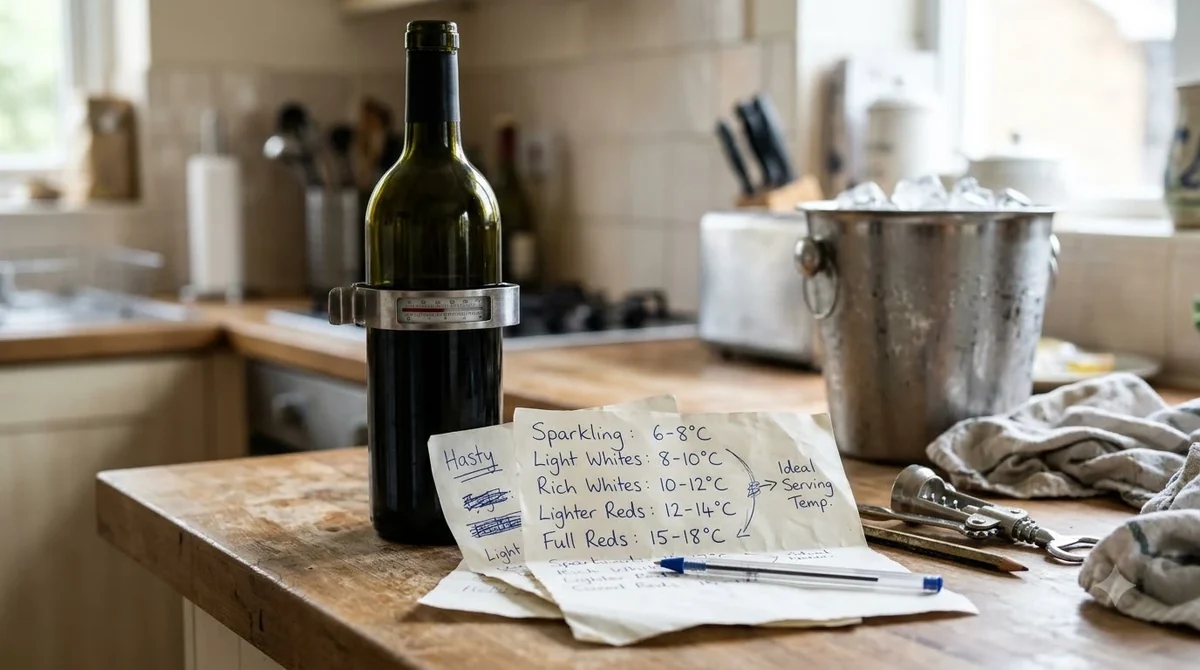
Temperature changes the way sweetness, acidity, alcohol, and aromas are perceived. Very cold wine can hide delicate fruit and floral notes, while overly warm wine can make alcohol seem more prominent. Use these general serving temperatures as a starting point:
- Sparkling dessert wines: 40–50°F.
- Sweet white wines: 43–50°F.
- Light-bodied reds: 55–60°F.
- Full-bodied reds: 60–65°F.
- Fortified dessert wines: Follow the producer’s serving recommendation, with cooler serving generally useful for fresher styles.
Moscato d’Asti is particularly enjoyable chilled because the cooler temperature supports its lively bubbles and fresh fruit character. Sweet Riesling also benefits from chilling, especially when served alongside cheesecake or fruit desserts. For Ruby Port, avoid serving it excessively warm, since a cooler cellar-like temperature can help preserve its fruit character.
Use Smaller Servings
A standard wine pour is approximately 5 ounces, and a 750 ml bottle contains about five such glasses. Dessert wines, however, often benefit from smaller pours of approximately 2–3 ounces. This is particularly useful with Port, PX Sherry, and other concentrated wines.
Smaller servings also let guests compare different styles without committing to a full glass. For a dinner party, serving Moscato alongside Ruby Port can demonstrate the contrast between lightly sparkling sweetness and concentrated fortified fruit.
Store Unopened Bottles Carefully
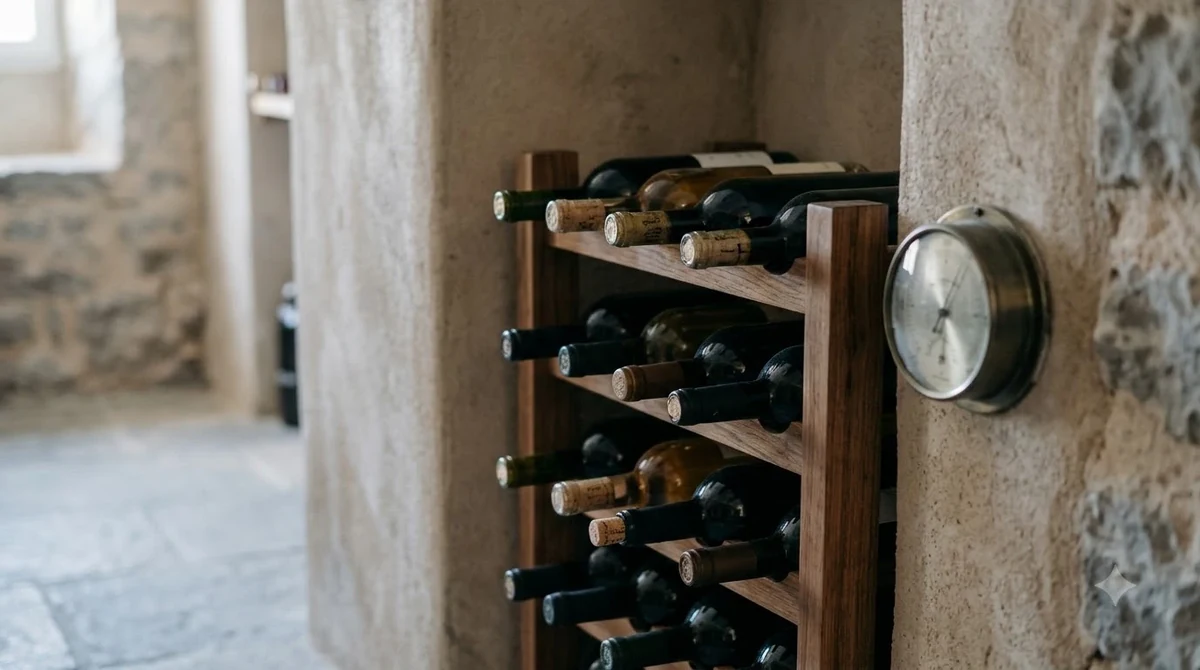
Store bottles away from direct sunlight, heat sources, and repeated temperature fluctuations. A cool environment near 55°F is a useful target for longer-term wine storage. Bottles with traditional cork closures should generally be stored on their sides to keep the cork from drying out.
Avoid storing wine next to an oven, refrigerator exhaust, or sunny kitchen window. These locations can expose bottles to unwanted heat. Even an inexpensive dessert wine can lose its fresh fruit character if it is stored in unsuitable conditions.
Preserve Opened Wine
Refrigeration is useful for preserving opened sweet wine, including many fortified styles. Sparkling wine generally keeps for approximately 1–3 days after opening, while still wines commonly last around 3–5 days when properly refrigerated and sealed. Fortified wines can remain enjoyable for several weeks, although the exact period depends on the style and storage conditions.
Use an appropriate closure to reduce air exposure. For sparkling wine, use a proper sparkling-wine stopper rather than an ordinary flat bottle stopper. Keep opened bottles refrigerated and bring them to an appropriate serving temperature before pouring.
These simple practices can make a smaller bottle more useful across several occasions. Instead of opening a large bottle of an unfamiliar sweet wine for one dessert, choose a manageable format and preserve what remains correctly.
Frequently Asked Questions
Can inexpensive dessert wine be made without added sugar?
Yes. Sweetness can remain naturally in wine when fermentation stops before all the grape sugar converts into alcohol. Late-harvest grapes, frozen grapes, and botrytized grapes are examples of production approaches that concentrate natural grape sugars. Fortification can also stop fermentation and preserve residual sweetness.
Is pink Moscato the same wine as Moscato d’Asti?
No. Moscato d’Asti is a specific Italian regional style made in Piedmont, while pink Moscato is a broader commercial description that can refer to different wines and blends. Some pink Moscatos combine Muscat grapes with other varieties, producing different colors, sweetness levels, and flavor profiles. Their bubbles and alcohol levels can also differ.
Does a dessert wine need to be served in a special glass?
No specialized glass is essential for casual enjoyment. A small white-wine glass works for many sweet whites, while a smaller Port-style glass is useful for concentrated fortified wines. A glass with a narrower opening can help concentrate aromas, particularly in wines with dried-fruit, floral, and spice characteristics.
Can dessert wine be used as an ingredient in cocktails?
Yes. Moscato can contribute fruitiness and sweetness to sparkling wine cocktails, while fortified wines can add concentrated flavor to mixed drinks. Sweet Sherry and Madeira can also be used in small quantities in sauces and dessert preparations. Consider the wine’s sweetness before adding additional sweeteners.
What is the difference between noble rot and ordinary grape spoilage?
Noble rot is the controlled development of Botrytis cinerea under suitable vineyard conditions. It dehydrates grapes and concentrates their sugars while contributing distinctive honeyed and dried-fruit characteristics. This is different from uncontrolled spoilage, which can damage the grapes and produce undesirable wine flavors.
Finding a satisfying inexpensive dessert wine is mainly about selecting the right style for your preferences and food. Moscato and sweet Riesling are sensible starting points for fresh, fruity sweetness, while Brachetto, Ruby Port, and Tawny Port offer alternatives for berry, chocolate, and nut-based desserts. Compare sweetness, acidity, and alcohol before purchasing, and a simple bottle can provide an enjoyable finish to an ordinary meal.
More in Wine Buying Guides
 Cheap Red Blend: How to Find a Flavorful Bottle for LessUpdated Nov 20, 2026
 Pinot Grigio Gift: How to Choose a Bottle They’ll EnjoyUpdated Nov 20, 2026
 Best White Wine at Total Wine for Every MealUpdated Nov 20, 2026
 Wine Fridge Replacement Shelves: Find the Right FitUpdated Nov 20, 2026
 Best Sparkling Wine Under 20: Find Bubbles Worth BuyingUpdated Nov 20, 2026
 Best Wine For Birthday Celebrations With Perfect Party PairingsUpdated Nov 20, 2026